Blood Cedarwood
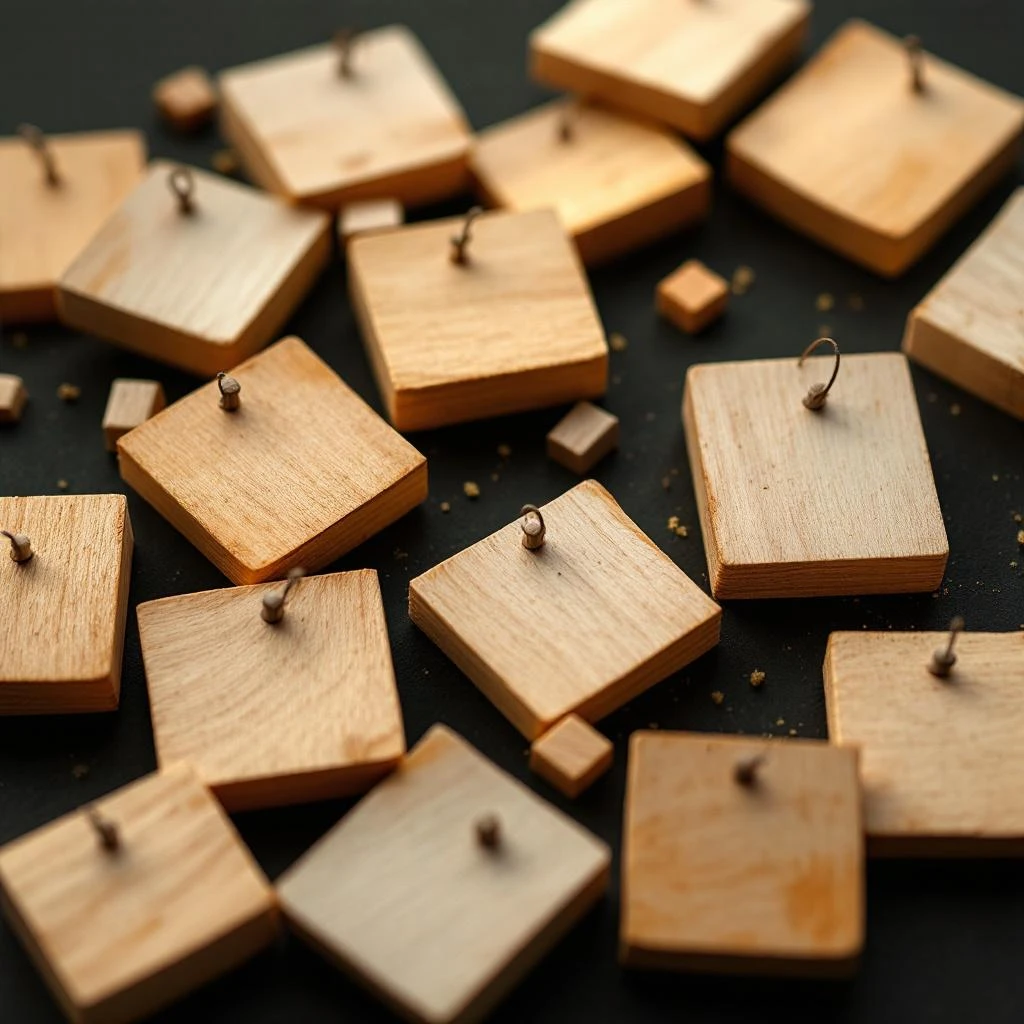
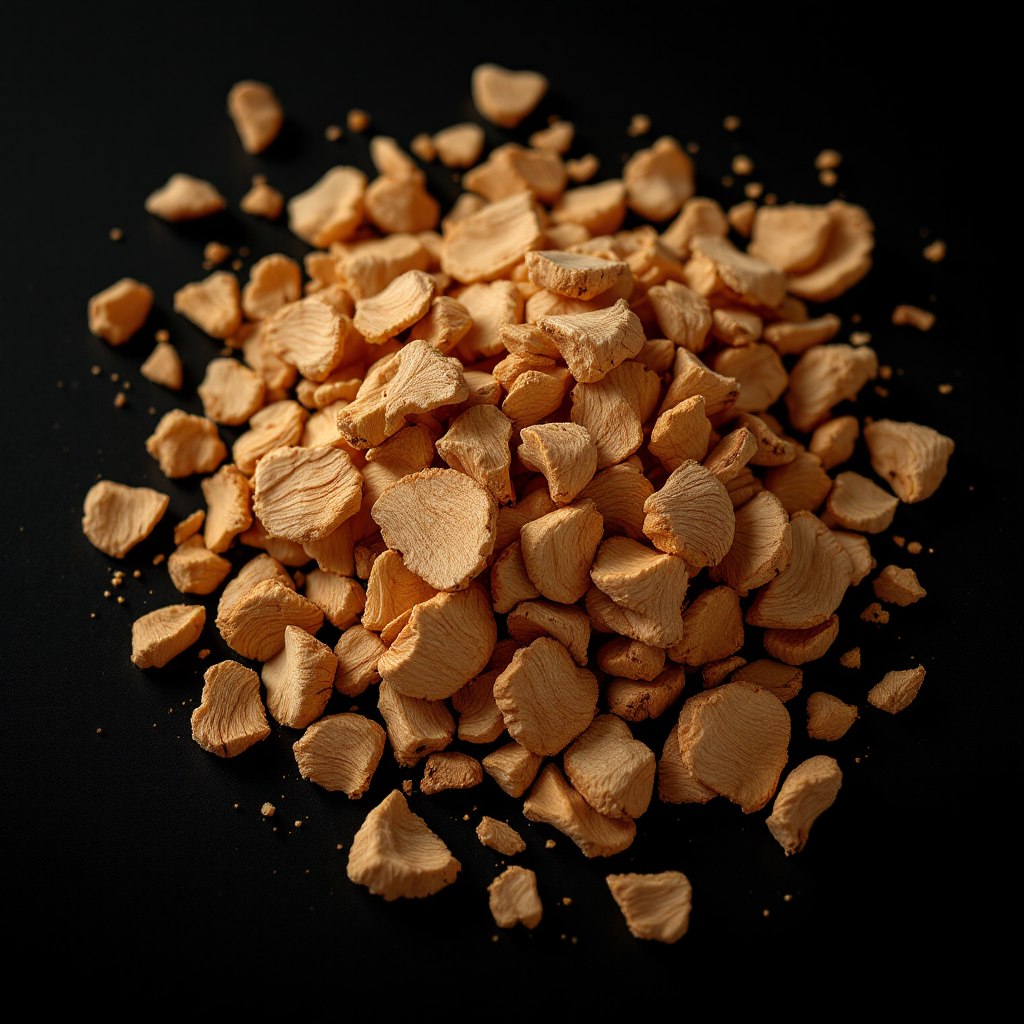
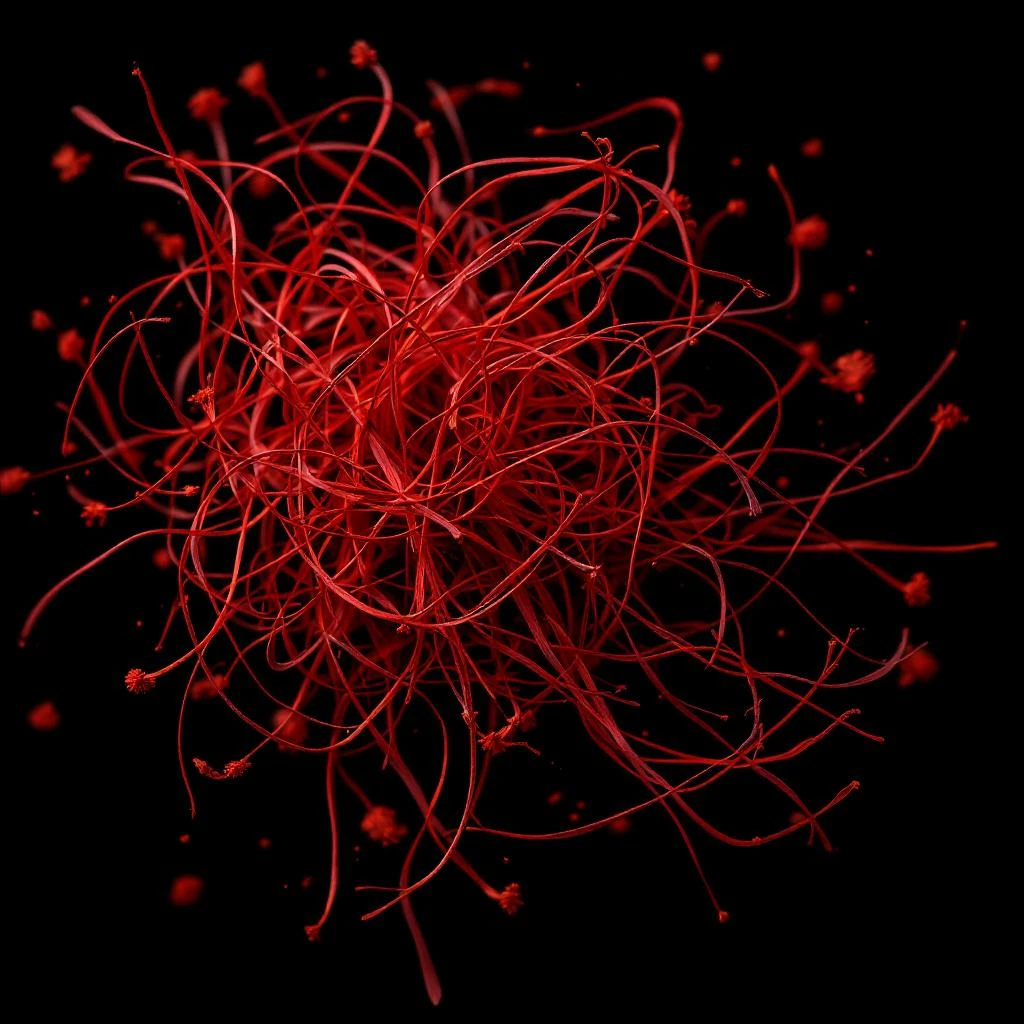
A deep, resinous cedarwood variant prized for its warm, almost blood-like warmth and tenacious drydown. This rich woody note anchors fragrances with a dry, pencil-shaving warmth that evolves beautifully over hours on skin.
Character
How it smells
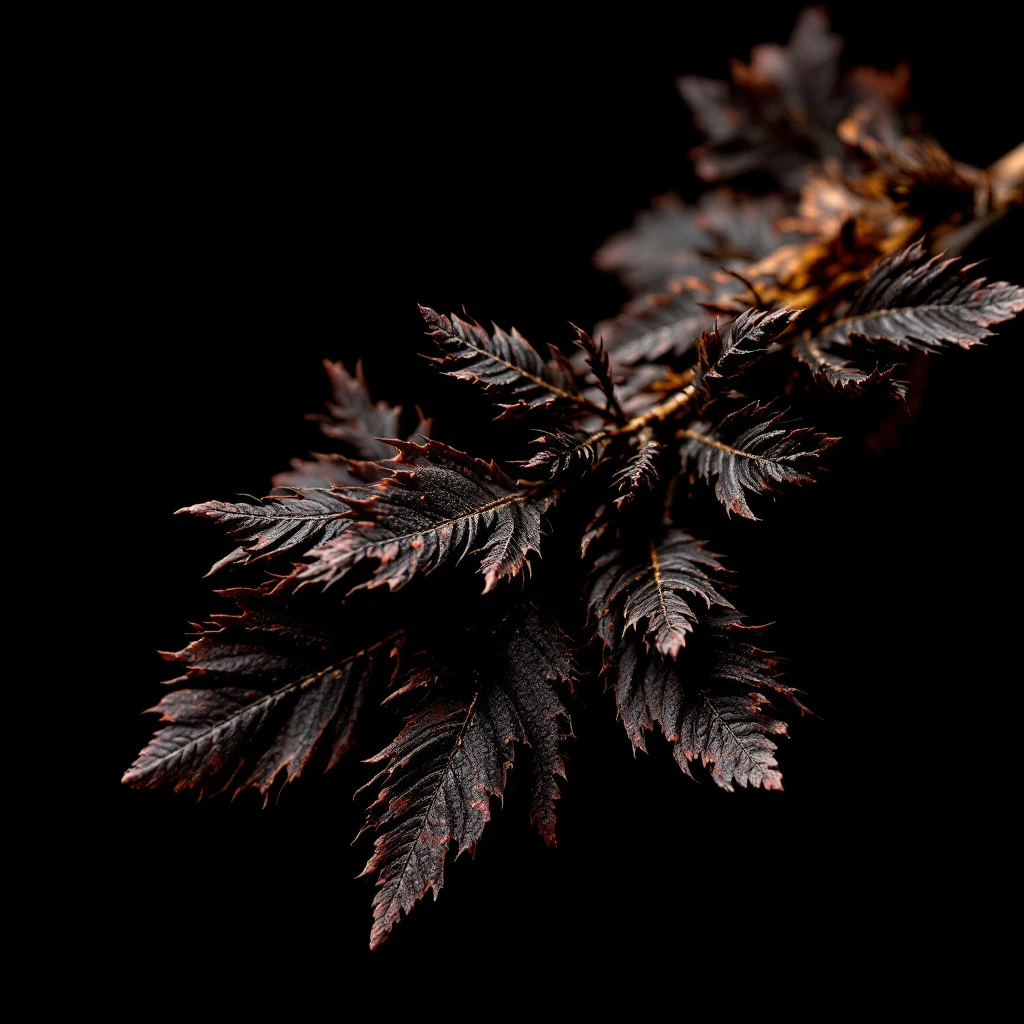
Warm, dry wood with a rich, resinous heart.
The Eastern Red Cedar, source of this oil, can live for over 900 years and was used to make Cleopatra's sacred cedar chests.


Origin
United States
Cedarwood oil extraction predates modern perfumery by millennia. Ancient Egyptians used cedar resin in embalming preparations and cosmetics around 3000 BCE, valuing its preservative and aromatic properties.
The Temple of Solomon, built around 950 BCE, utilized Lebanese cedar throughout its construction. During the Renaissance, Italian physicians prescribed cedar oil for respiratory conditions.
The Virginia Company named the American colony after Queen Elizabeth I, and the indigenous Eastern Red Cedar became valuable to early settlers for its rot-resistant timber. Modern perfumery adopted steam-distilled cedarwood in the 19th century, with French and American varieties becoming foundational materials in masculine fragrances and chypre compositions.
Wears it best
Fragrances featuring Blood Cedarwood
Brands
Brands known for Blood Cedarwood
Good to know
Questions, answered
The essentials on Blood Cedarwood in perfumery: how it smells, where it comes from, and how it behaves on skin.
What makes Blood Cedarwood different from regular cedarwood?
Blood Cedarwood typically refers to a warmer, more resinous cedar variant with deeper tonal qualities. Its scent profile features richer, almost balsamic warmth compared to standard cedarwood, with a more pronounced drydown on skin that can last over 12 hours.
Does Blood Cedarwood come from trees with red sap?
The name refers to the warm, rich tonality rather than actual red sap. Most Blood Cedarwood comes from Eastern Red Cedar or specific Atlas cedar strains known for producing oil with deeper, warmer aromatic profiles during steam distillation.
Is Blood Cedarwood a synthetic ingredient?
No. Blood Cedarwood is a natural aromatic derived entirely from cedar heartwood and sawdust via steam distillation. No synthetic compounds are used in its production.
What fragrances pair well with Blood Cedarwood?
Blood Cedarwood combines exceptionally well with bergamot, vetiver, and labdanum. It serves as an excellent base note alongside sandalwood and pairs with leather accords in masculine formulations.
How long does Blood Cedarwood last on skin?
As a base note, Blood Cedarwood typically remains detectable for 8 to 12 hours on skin. In perfume concentration, this longevity increases proportionally, making it a reliable fixative.
Can Blood Cedarwood be used in natural perfumery?
Yes. Blood Cedarwood is fully natural and complies with natural and botanical perfumery standards. It contains no synthetic extenders or diluents when properly sourced.
Why is cedarwood oil so widely used in perfumery?
Cedarwood oil ranks among the most affordable natural base notes, costing significantly less than sandalwood or oud. It provides excellent fixative properties and a universally appealing woody character that consumers recognize and appreciate.
Does cedarwood oil contain allergens?
Cedarwood oil contains naturally occurring compounds including limonene and linalool, which may trigger sensitivities in some individuals. IFRA guidelines recommend skin testing for products containing more than 4% cedarwood oil concentration.