The Story
Why it exists.
The beginning
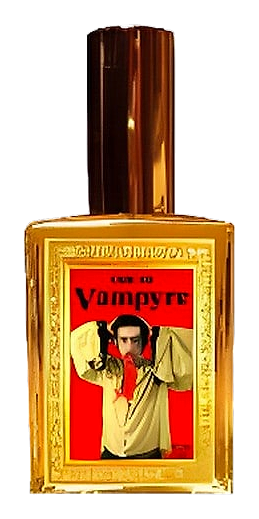
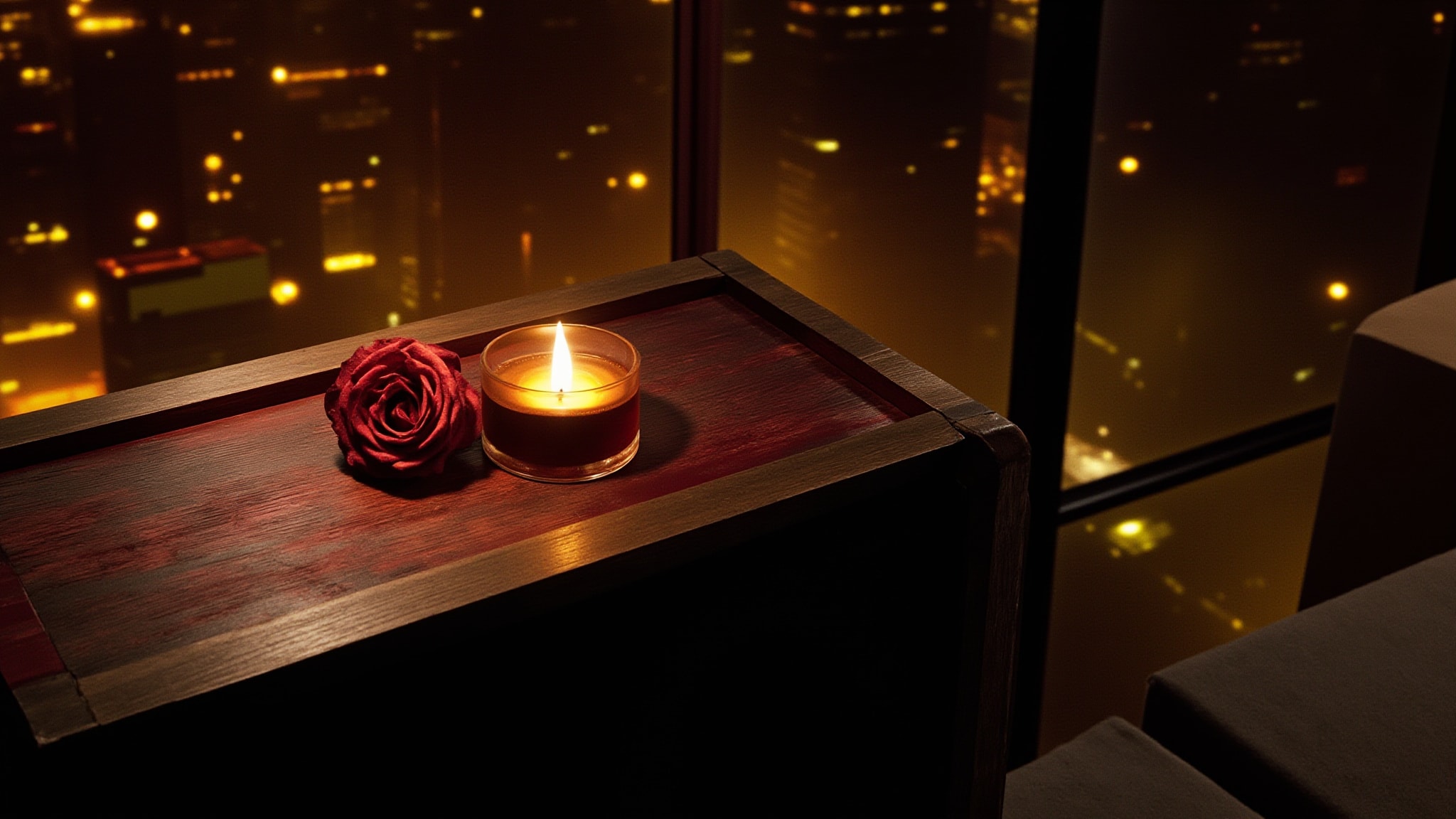
Ode de Vampyre arrived in 2009 as part of Opus Oils' "Afraid of the Dark" collection, four fragrances the brand calls its Four Horsemen of Perfume, each meant to evoke a different kind of shadow. The Vampyre naming wasn't accidental. The fragrance opens with a striking combination of saffron's sharp, almost metallic heat alongside dark rose in full bloom. This immediate intensity creates something that doesn't hide behind subtlety. The rose here isn't delicate, it carries weight and darkness, like petals pressed in an old book, already darkening at the edges. Incense smoke weaves through the composition, adding a smoky, resinous quality that builds depth without overwhelming.
The note structure here is unusual not because it uses rare materials but because it refuses to separate the dark from the warm. Black rose and temple frankincense are expected players in an incense-forward fragrance. Blood cedarwood and vetiver are standard grounding agents. But the honey, the honey is the tell. It shifts the composition from atmospheric to intimate. Honey in oud composition doesn't sweeten. It mimics the smell of skin. That's the difference between a fragrance that describes a candlelit room and one that makes you feel like you're inside it. Orris root adds powdery iris to prevent the whole thing from becoming too heavy, a breath of something clean against all that resin.
The evolution
The opening announces itself with saffron's sharp heat and dark rose's full bloom simultaneously, no subtlety in the first moments. The rose isn't delicate here. It's the rose you'd find pressed in a Victorian book, already darkening at the edges. Incense and vetiver arrive next, building the smoky foundation. The oud appears shortly after, not sharp or barnyard-ish but honeyed, almost smooth in comparison. The composition develops from this point with a shift from bolder top notes toward something more intimate. Cedarwood and temple frankincense take prominence as the fragrance moves through its development, and the composition becomes quieter, deeper, more resinous. The drydown reveals itself with oud, cedar, and the lingering ghost of incense. The sillage becomes more subtle, close to the skin, intimate, the kind of presence that requires someone standing next to you to notice.
Cultural impact
Since its 2009 release as part of Opus Oils' Four Horsemen of Perfume collection, Ode de Vampyre has occupied a specific niche within the dark romantic fragrance category. The composition features an oud-forward structure combined with dark rose, incense, and saffron that creates a theatrical, atmospheric effect. The naming and construction reflect an approach to fragrance that treats scent as character-driven storytelling. The perfume has maintained production, speaking to its enduring appeal among collectors and enthusiasts drawn to darker, more atmospheric scents.