Poppy
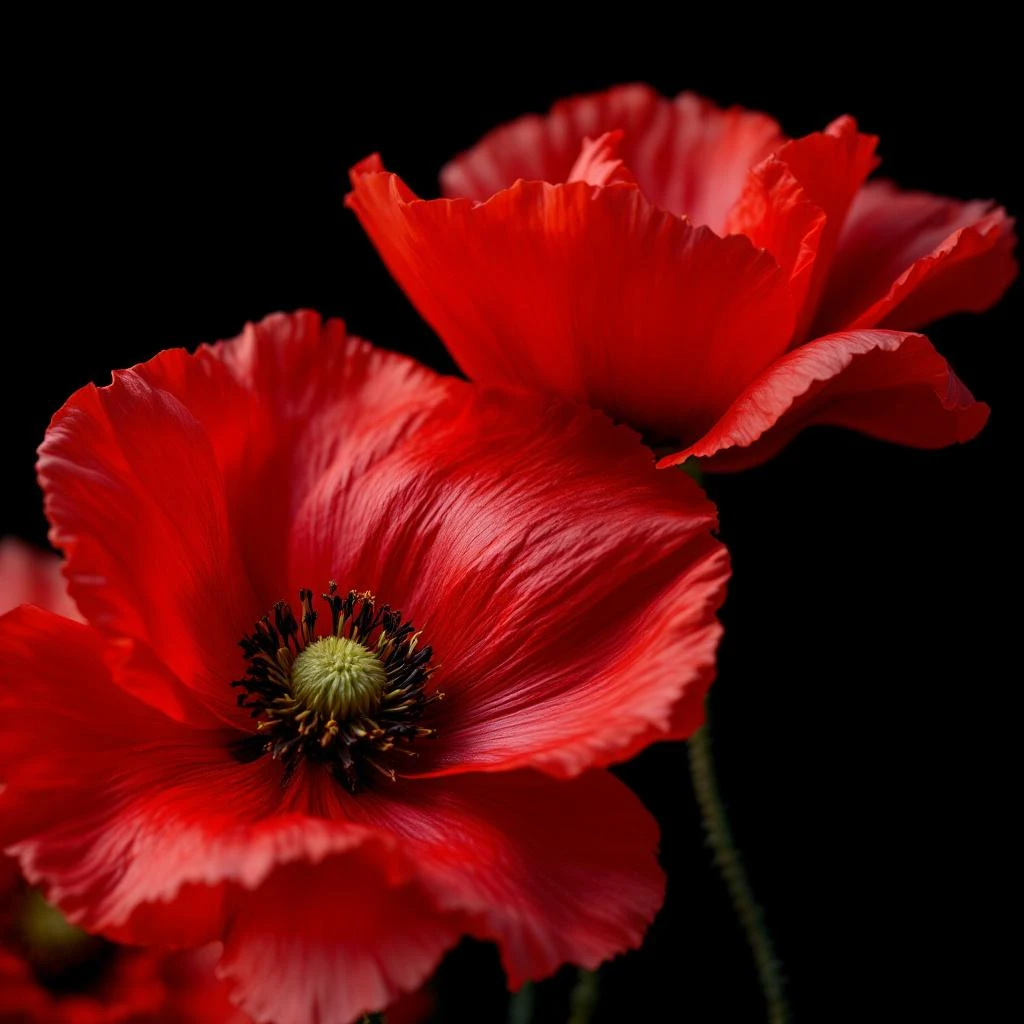
Poppy brings a fleeting, dreamy softness to fragrance compositions. Though its petals yield little aromatic material, perfumers recreate its ethereal essence through carefully constructed accords that capture the flower's ephemeral beauty.
Character
How it smells
A fleeting floral whispers through modern compositions.
No major essential oil exists from poppy petals, making every poppy note in perfume a perfumer's careful reconstruction of the flower itself.







Origin
Eastern Mediterranean
The poppy has symbolized sleep, death, and dreams across Mediterranean civilizations since antiquity. Ancient Greeks associated the flower with Demeter and Hypnos, while Romans linked it to Ceres. Despite this rich symbolic heritage, poppy never became a staple of traditional perfumery due to its petals' negligible aromatic yield.
The flower's influence on modern fragrance stems more from artistic and cultural resonance than material necessity. Perfumers began incorporating poppy accords in the late twentieth century, drawing on its dreamy associations and striking visual identity to create compositions that evoke ethereal beauty and ephemeral moments.
Wears it best
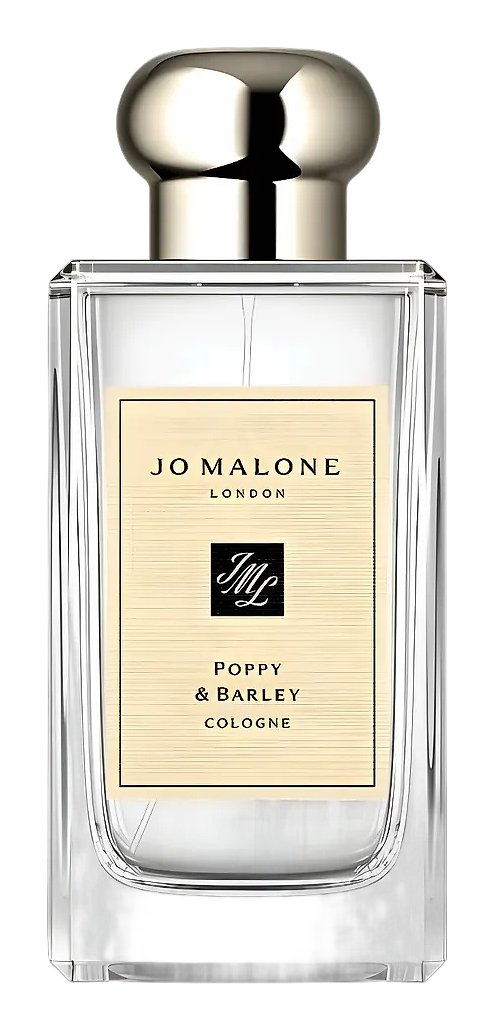
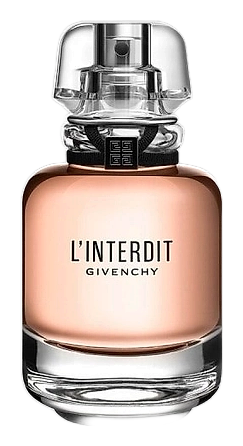
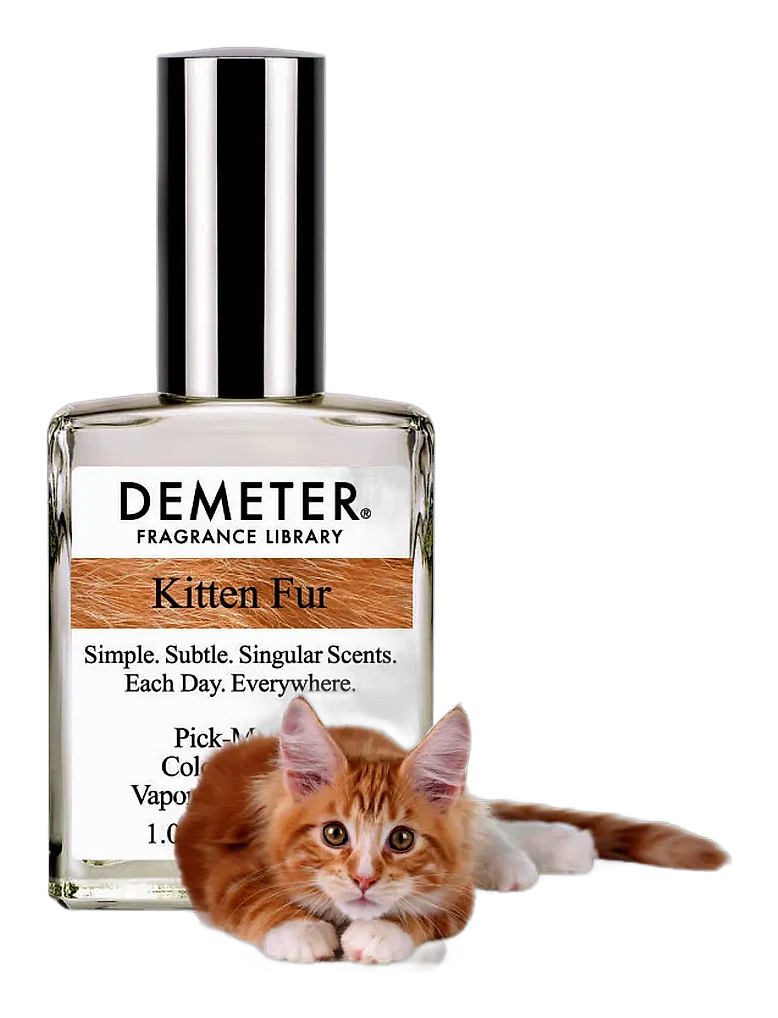
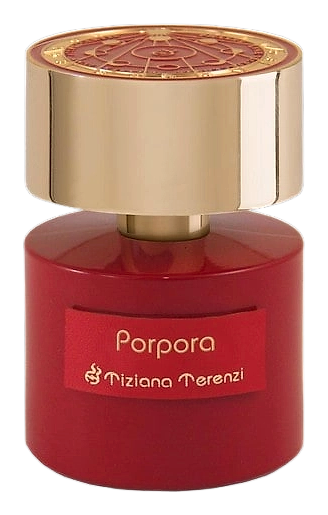
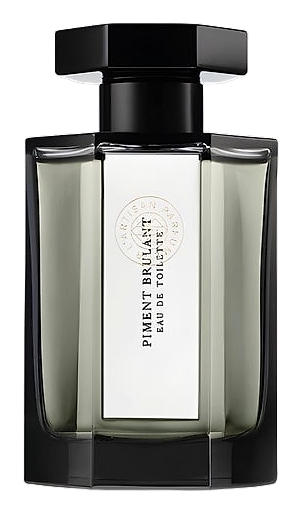
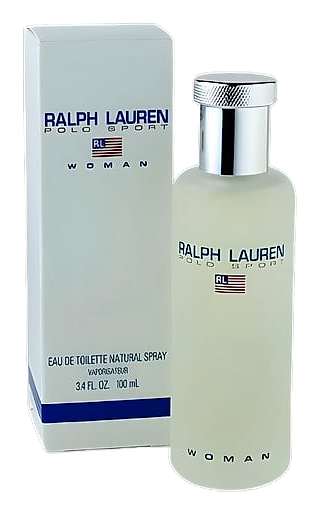
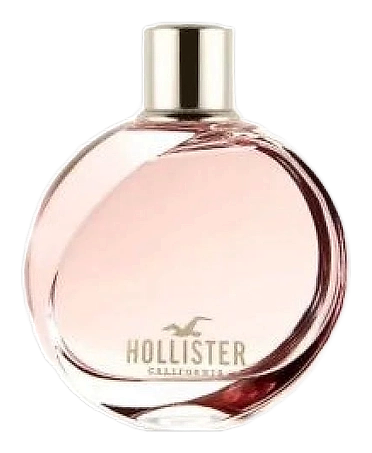
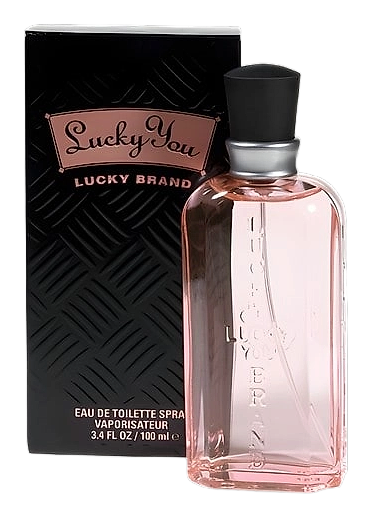
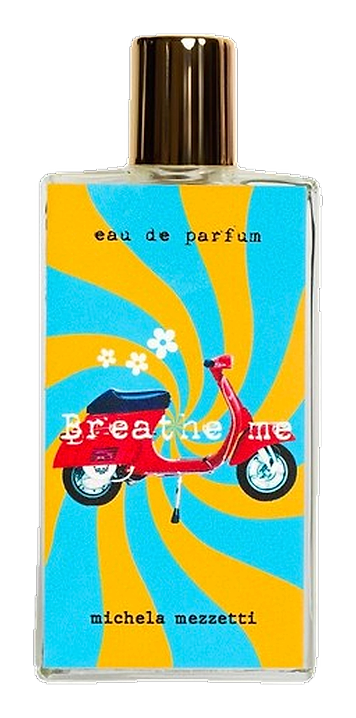
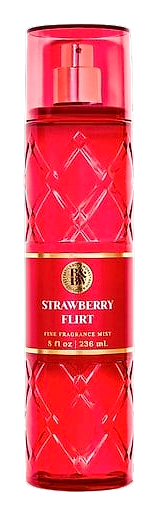
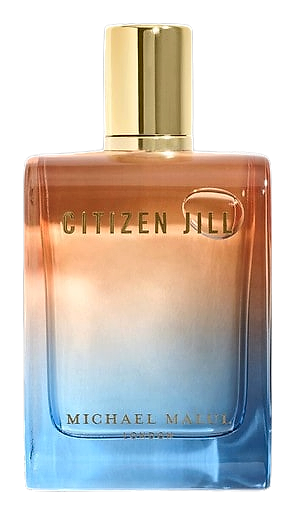
Fragrances featuring Poppy

Good to know
Questions, answered
The essentials on Poppy in perfumery: how it smells, where it comes from, and how it behaves on skin.
Is natural poppy absolute commonly used in perfumery?
No. Natural poppy absolute exists but remains exceptionally rare because poppy petals produce minimal aromatic material. Nearly all poppy notes in fragrance are synthetic reconstructions built from molecules like heliotropin and benzaldehyde derivatives.
What does poppy smell like in perfume?
Poppy accord reads as soft, powdery, and slightly sweet with subtle narcotic undertones. It often reads as a dreamy floral with hints of vanilla and marzipan, though its character varies based on surrounding notes.
Which fragrance families commonly feature poppy?
Floral and powder compositions most often feature poppy. It appears frequently in modern women's fragrances, particularly those aiming for a soft, romantic, or slightly vintage character.
Does poppy share olfactory similarities with other flowers?
Poppy sits near heliotrope, violet, and iris in the olfactory landscape. Its powdery, slightly sweet character makes it compatible with these notes, though poppy tends toward dreamier, more ephemeral impressions.
Are there different poppy species used in perfumery?
The opium poppy (Papaver somniferum) holds symbolic significance, but perfumers work with the concept of poppy rather than specific species. Different colored poppies (red, white, yellow) inspire varied tonal interpretations.
How does poppy perform as a fragrance note?
Poppy functions as a modifier and softener rather than a dominant note. It adds gentle volume to floral hearts and helps bridge sharper top notes into warmer basilar moments.
When did poppy enter the modern perfumery vocabulary?
Poppy accords became more common in the late twentieth century as synthetic reconstruction techniques improved. The flower's cultural resonance drove its adoption despite the absence of a practical natural extraction method.
Can poppy be combined with woody or oriental base notes?
Yes. Poppy's powdery softness adapts well to oriental and woody compositions, where it adds floral lift without competing with heavier basilar materials. Sandalwood and vanilla pair particularly well with poppy.




