Red Musk
Red Musk captures the primal warmth of traditional perfumery, offering a sensual, animalic depth that modern white musks cannot replicate. This ancient note brings an alive, skin-close quality to fragrances.
Character
How it smells
The primal warmth of perfumery's most ancient ingredient.
The musk deer's gland only produces its sacred secretion during mating season, making natural harvest extraordinarily rare.





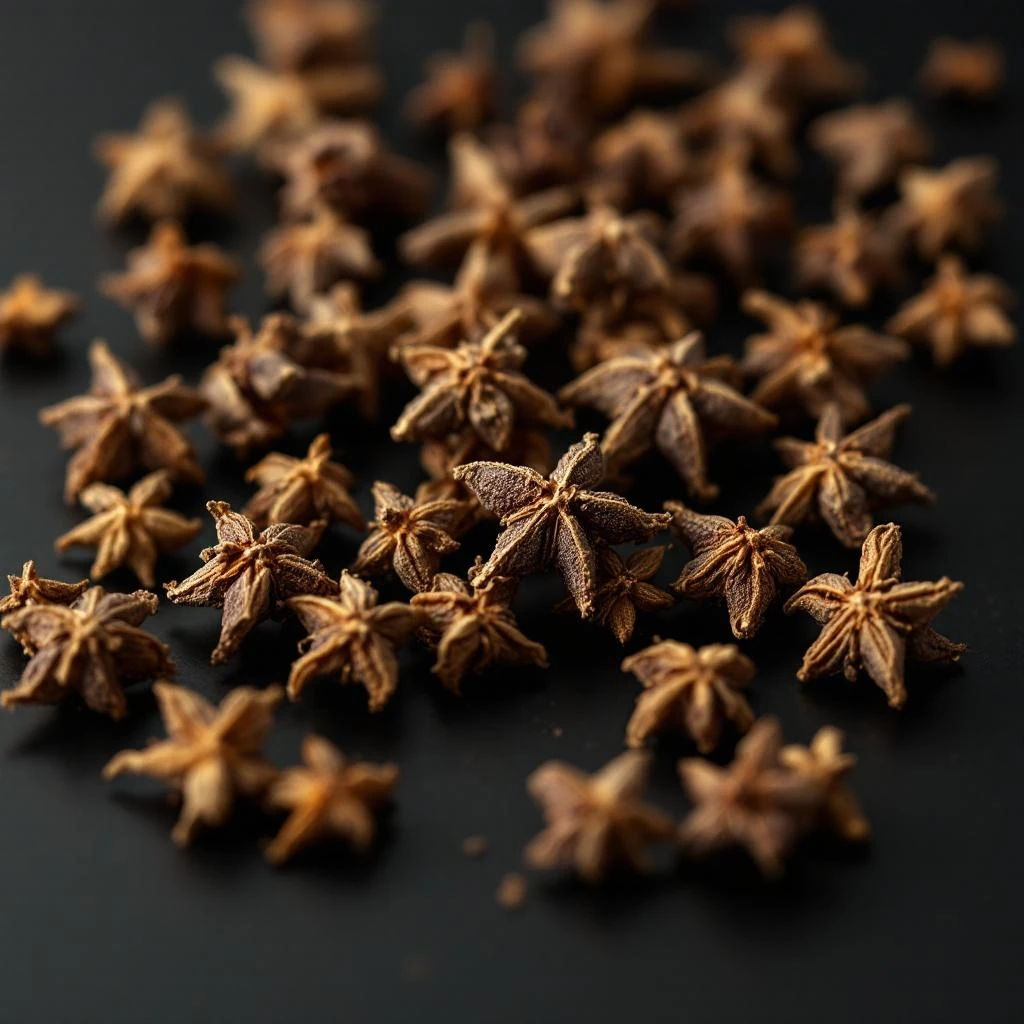

Origin
Switzerland (Firmenich research)
Musk use dates to Sumerian Mesopotamia in the third millennium BC, making it perfumery's oldest continuously used ingredient. Eastern civilizations including Tibet and China encountered it first, valuing it for sacred and medicinal purposes before it reached European courts.
The musk deer inhabited the Himalayan region from Siberia to China, where hunters traditionally tracked the animal during mating season when the scent gland was most potent. Medieval apothecaries prized musk as a fixative and aphrodisiac, while Renaissance perfumers used it as a cornerstone of their most prized compositions.
By the late 19th century, ethical concerns and declining populations prompted the shift to synthetic alternatives. Red Musk specifically evokes the warm, animalic character of these historical formulations before the cleaner white musks of the 20th century dominated.
Wears it best
Fragrances featuring Red Musk
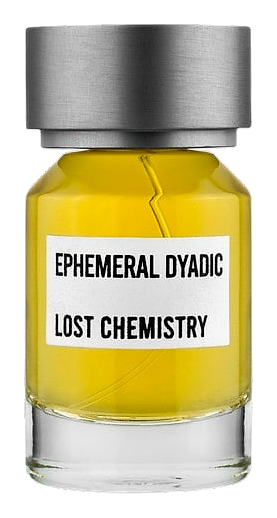
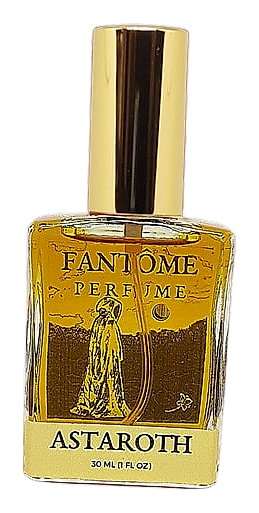
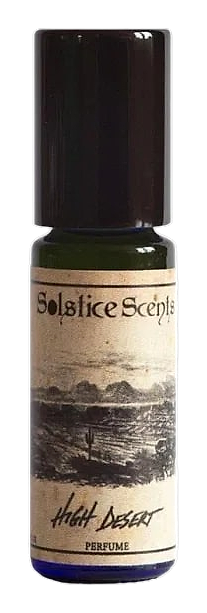
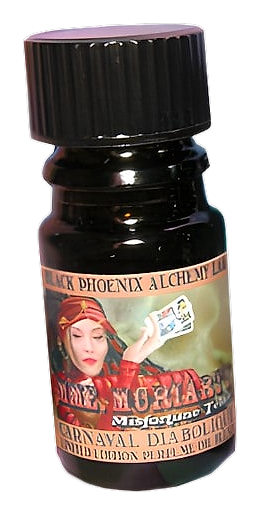
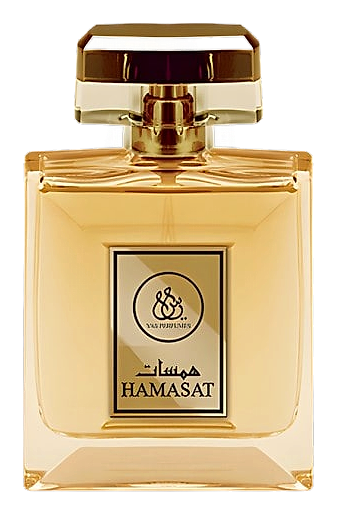
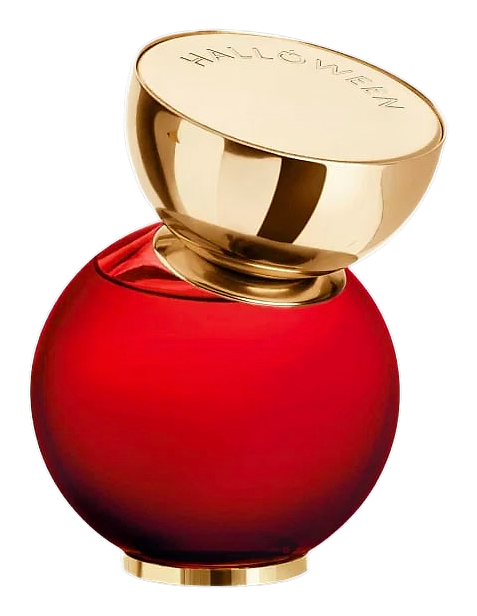
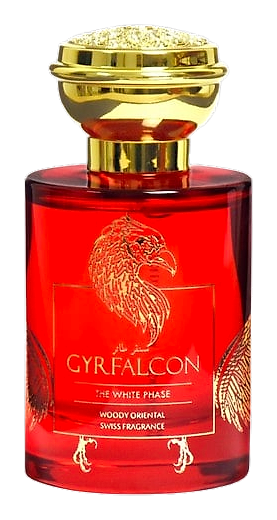
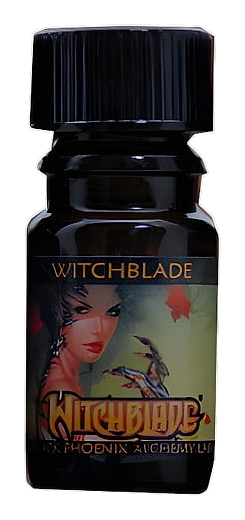
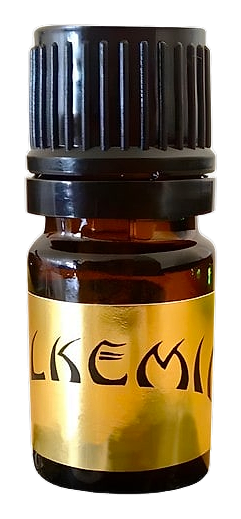
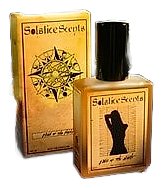
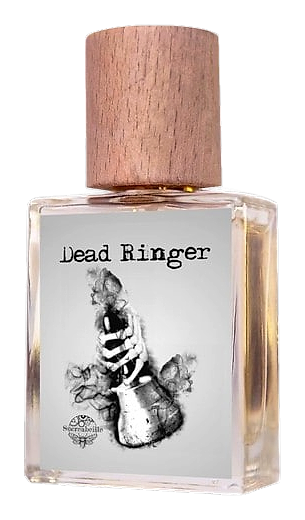
Brands
Brands known for Red Musk
Good to know
Questions, answered
The essentials on Red Musk in perfumery: how it smells, where it comes from, and how it behaves on skin.
What does Red Musk smell like?
Red Musk smells warm, sensual, and animalic with skin-like qualities. It has deeper, rounder character than clean white musks, with subtle hints of warmth and humanity that create an intimate effect on skin.
Is Red Musk derived from animals?
No. Modern Red Musk is entirely synthetic. Natural musk harvesting from musk deer was banned under CITES in 1979. Current production relies on synthesized macrocyclic compounds that replicate the original scent profile.
How is Red Musk different from white musk?
Red Musk retains the warm, animalic character of traditional perfumery. White musk (developed in the 1920s-80s) offers clean, soapy, skin-clean notes. Red Musk provides more depth, sensuality, and an alive quality that white musk lacks.
What fragrances traditionally featured Red Musk?
Classic oriental fragrances like Chanel Coco, Dior Poison, and Amouage Jubilation used rich musky bases. These formulations captured the warm, animalic character now associated with Red Musk before industry standardization shifted toward cleaner profiles.
Does Red Musk have fixative properties?
Yes. Musk compounds bind to olfactory receptors and skin lipids, extending fragrance longevity significantly. Red Musk's larger molecular structure creates longer-lasting effects compared to lighter synthetic musks.
Can Red Musk cause skin reactions?
Pure macrocyclic musks show low sensitization risk. However, individual reactions vary. Quality formulations from reputable houses include proper dilution and testing protocols to minimize irritation potential.
Why did perfumery shift away from natural musk?
Natural musk deer populations declined drastically from over-hunting. The 1979 CITES ban made sourcing illegal. Economic factors also drove the shift, as synthetic production costs dropped significantly compared to dangerous fieldwork in the Himalayas.
What molecular compounds create Red Musk's character?
Red Musk's signature comes from macrocyclic ketones and lactones, primarily muscone (3-methylcyclopentadecanone). These large ring structures (15-17 carbons) interact uniquely with skin chemistry, producing warmth and intimacy.