The Story
Why it exists.
The beginning
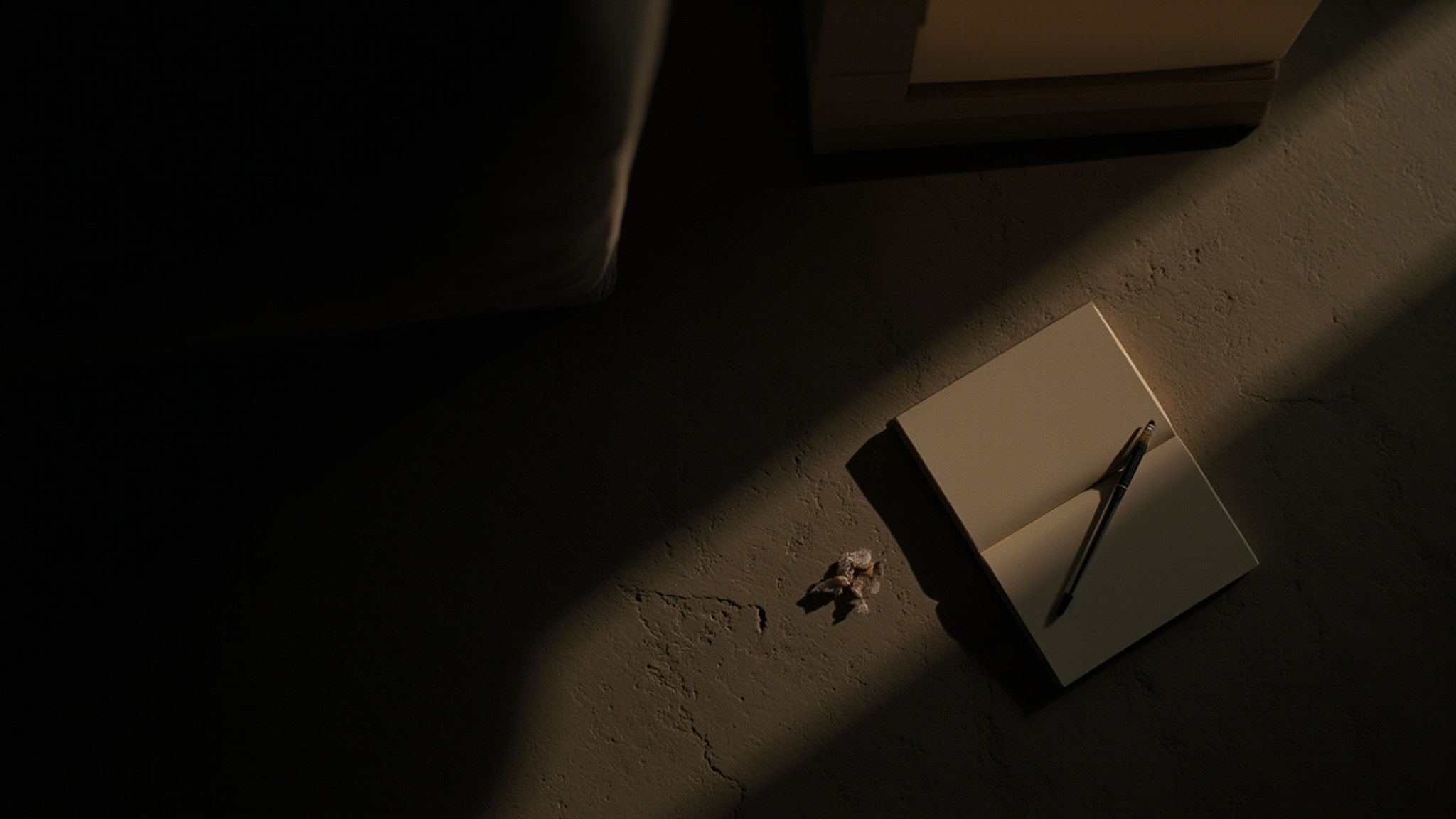
Lost Chemistry opens like a question no one has fully answered yet. The volatile, unnamed charge between two people, the space before acknowledgment, that particular tension in a room, it all lives in the first breath. Oud smoke arrives immediately, sharp and present, softened just enough by amber warmth to keep it from overwhelming. Then the composition builds something that lingers, something that stays long enough to ache when it finally fades. The scent doesn't explain itself. It arrives, it resonates, and then it becomes memory.
The oud-raspberry pairing is the unusual move here. Raspberry usually stays in daylight fragrances, the territory of spring and fruit. Here it anchors against dark, smoky oud and warm amber, a collision that shouldn't work but does. The fig adds a green, slightly animalic dimension that keeps the heart from reading sweet. It's a composition that refuses to sit still in any category it enters, and that's the point. Chemistry that's predictable isn't chemistry at all.
The evolution
The opening strikes with oud smoke immediately tempered by amber warmth, red musk lending a skin-close quality from the very first moment. Raspberry emerges somewhere in the heart, pushing against the darkness like light finding its way through something shuttered. Fig follows, adding a faint green undertone that keeps the composition from sliding into pure sweetness. The top notes begin their gradual retreat as sandalwood takes over the base, creamy and patient, pulling everything closer to the skin. What remains is a warm, quiet thing, the memory of smoke rather than the smoke itself, intimate and persistent.
Cultural impact
Lost Chemistry enters a crowded smoky-sweet-oud category with a different set of priorities. Rather than announcing its intensity, it achieves something harder: restraint that speaks louder than excess. The composition distinguishes itself through what it holds back, the quietness of its presence rather than any need to prove itself. That kind of confidence in quietude has become increasingly uncommon, and collectors who seek compositions with a clear point of view rather than a safe accord will find it here.