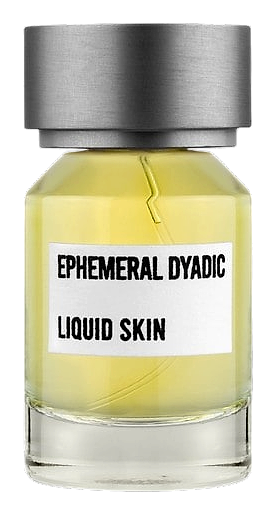

The Story
Why it exists.
The beginning
Liquid Skin opens with labdanum's sticky, resinous warmth, the kind that feels biological and grounded. The nagarmotha adds an earthy, dusty quality that reads as ancient rather than green, bringing depth that balances the sweetness. Red cinnamon provides heat without brightness, warmth that radiates inward rather than calling attention to itself. As the fragrance develops, tobacco and vetiver arrive to anchor everything: tobacco's sweetness tempered by vetiver's bitter earthiness, creating depth that stays close to the skin long after the initial notes settle. The composition moves from sticky warmth through dusty earthiness to smoky, root-like depth, each layer building on what came before.
What makes Liquid Skin unusual is this restraint at its center. The nagarmotha, sometimes called Cypriol oil, brings a camphor-like edge that grounds the labdanum rather than competing with it. Red cinnamon doesn't spike, it bleeds into the warmth already present. By the time tobacco and vetiver arrive, the fragrance has already created its sense of closeness, and the drydown extends that warmth without asking for anything in return.
The evolution
The opening is sticky and resinous, labdanum doing what it does best while nagarmotha adds an almost dusty edge that feels earthy. There's a camphor note in the nagarmotha that feels direct, like the fragrance entered without announcement. The red cinnamon doesn't spike or announce itself; instead it bleeds slowly into the warmth already there, adding heat that feels like it comes from below the surface. As the fragrance progresses, tobacco and vetiver arrive not as a dramatic shift but as a softening, with tobacco's sweetness taking the edge off vetiver's earthiness while vetiver keeps tobacco from becoming too sweet. The drydown stays close, warm, intimate in the truest sense. It remains rather than fades, and when it does begin to soften, the vetiver is the element that persists, its smoky, root-like quality keeping the skin warm and private long after the other notes have gone quiet.
Cultural impact
Labdanum has been used since ancient times in sacred ceremonies and perfumery, valued by Mediterranean civilizations for its rich, resinous character. Cypriol, derived from Nagarmotha root, has deep roots in Ayurvedic traditions where it was prized for its grounding properties. Contemporary perfumers continue to draw on these historical applications, creating fragrances that honor traditional knowledge while appealing to modern sensibilities. The combination of these materials connects today's fragrance culture to centuries-old practices, demonstrating how natural ingredients with documented histories continue to shape perfume creation.