
The Story
Why it exists.
The beginning
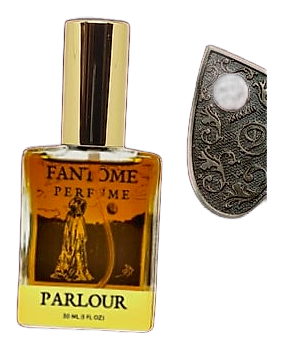
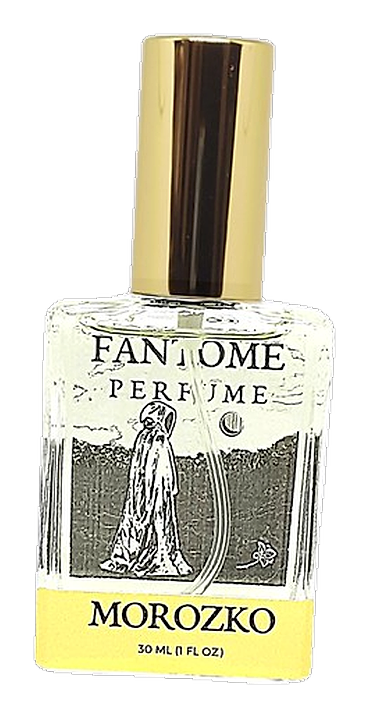
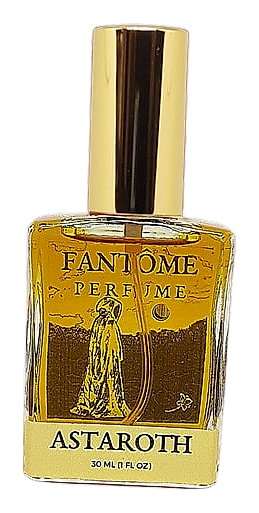
Astaroth takes its name from the Goetia, a grimoire cataloguing seventy-two demons. Fantôme has built an entire collection around these figures, treating each one not as villain but as archetype. Astaroth the demon is associated with indulgence, forbidden knowledge, and the sweetness that tempts. Perfumer Bree Elliott translated that into a bottle that smells exactly like surrendering to something you probably shouldn't want twice.
What makes Astaroth unusual is the honey cake note itself. In perfumery, cake accords tend to go linear and plasticky if not handled carefully. Here, the cake reads as actual baked goods, dense with sweetness and spice. Paired with roasted pistachio and white chocolate, it creates a confectionery warmth that never tips into synthetic. The red musk underneath keeps everything grounded in skin rather than air freshener. This is gourmand done with restraint.
The evolution
Astaroth opens syrupy. Peach and pumpkin arrive together, thick and almost jammy, with nutmeg clicking in like a spice drawer you forgot was open. The red musk pulses from the start, a warm animalic undercurrent keeping the sweetness from floating away. Within twenty minutes the pistachio and white chocolate layer in, adding richness and a slight nutty depth that balances the fruit. By the hour mark, the honey cake takes over entirely. This is the fragrance's heart. It stays. Dense, golden, slightly spiced, it occupies the drydown for three to four hours on most skin. The red musk eventually resurfaces, threading through the cake until the whole thing settles into something skin-close and intimate. What remains the next morning is a faint sweetness and warmth, the ghost of the dessert you definitely finished.
Cultural impact
Astaroth has quietly become one of Fantôme's most discussed fragrances. Within indie fragrance communities, it's the scent people recommend when someone asks for pumpkin without the latte. The red musk note draws a specific crowd who appreciate animalic warmth in unexpected contexts. It sits differently from mainstream fall releases, avoiding the cinnamon-heavy approach that dominates the season. Those who love it tend to love it fiercely. Those who don't tend to cite the pumpkin note specifically. That polarization is, somewhat appropriately, on-brand for a fragrance named after a demon.