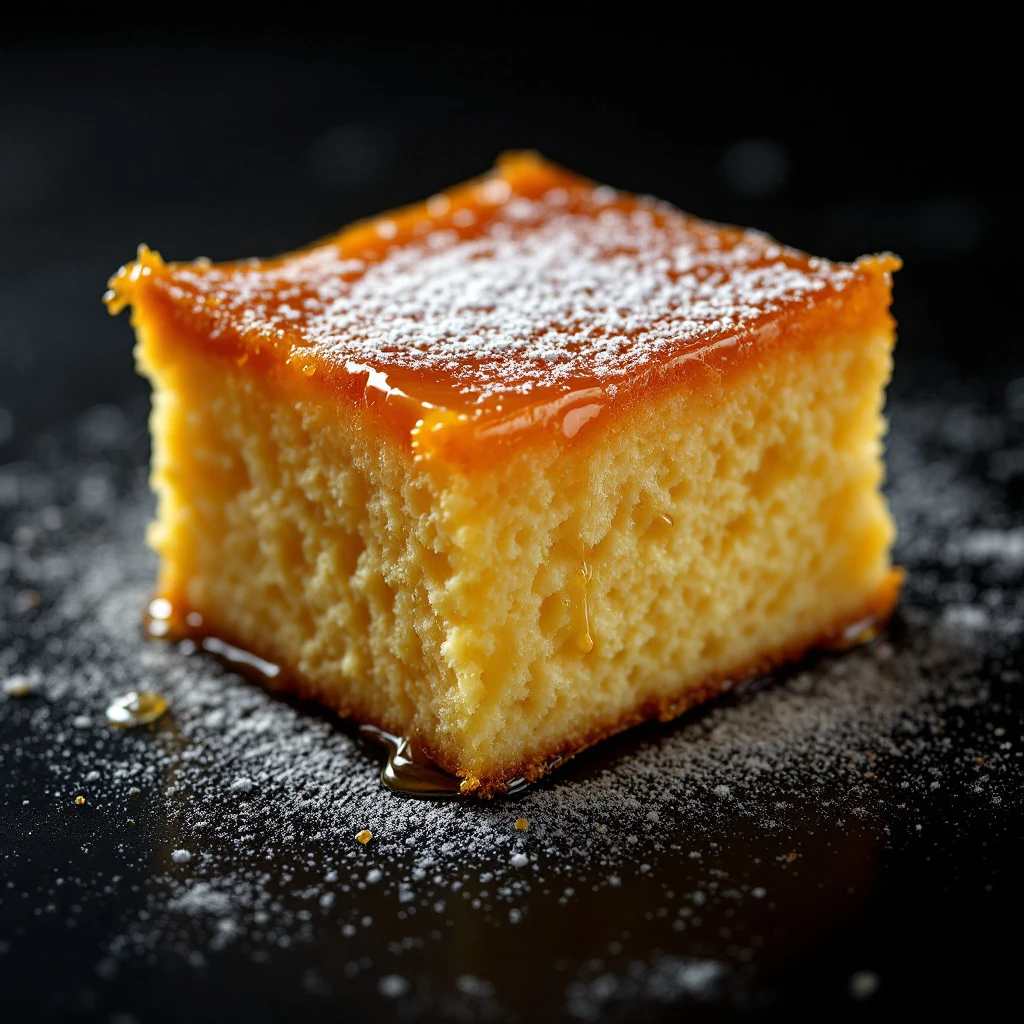
Honey Cake
Honey Cake captures the warm, nostalgic essence of a beloved festive dessert: golden honey, cinnamon, clove, and vanilla baked into a softly spiced crumb. In perfumery, this note evokes comfort and celebration, wrapping the wearer in sweet, edible warmth.
Character
How it smells
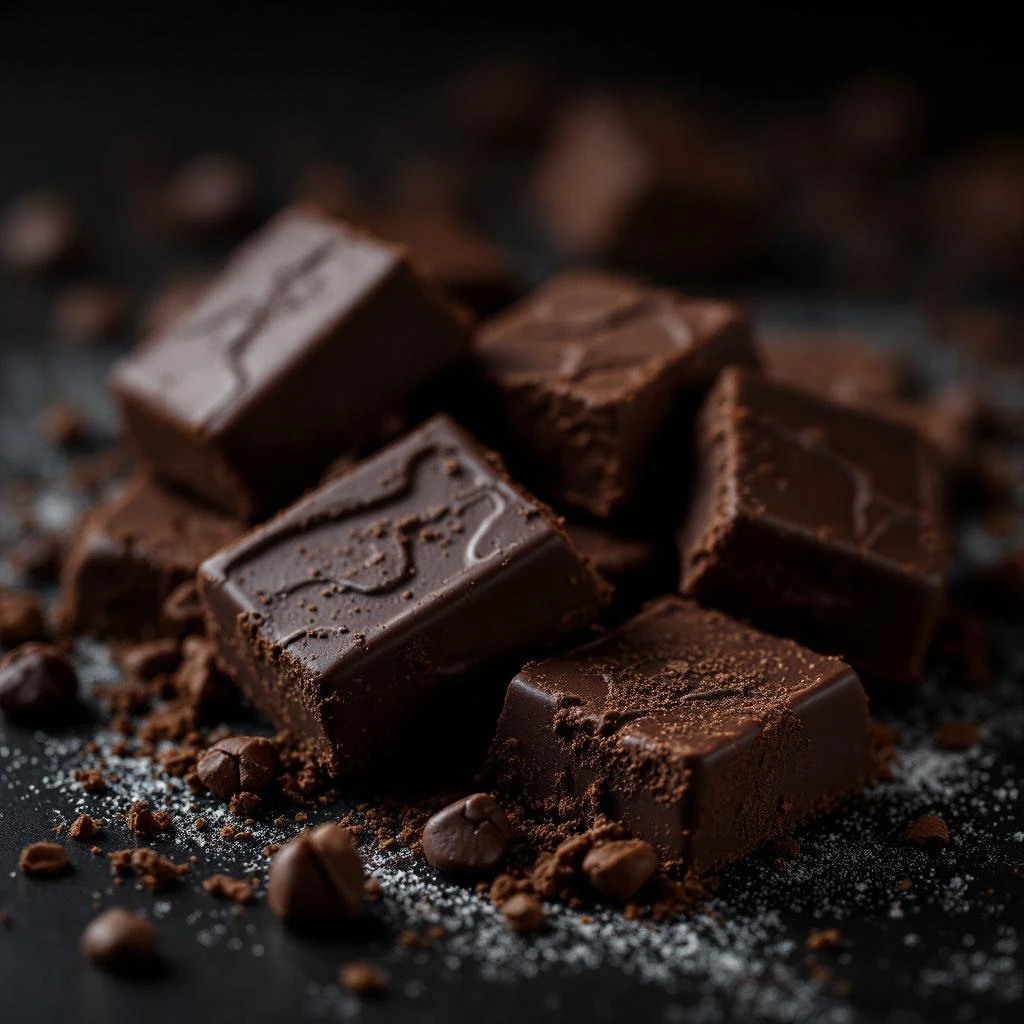
Spiced honey and warm vanilla baked to golden perfection.
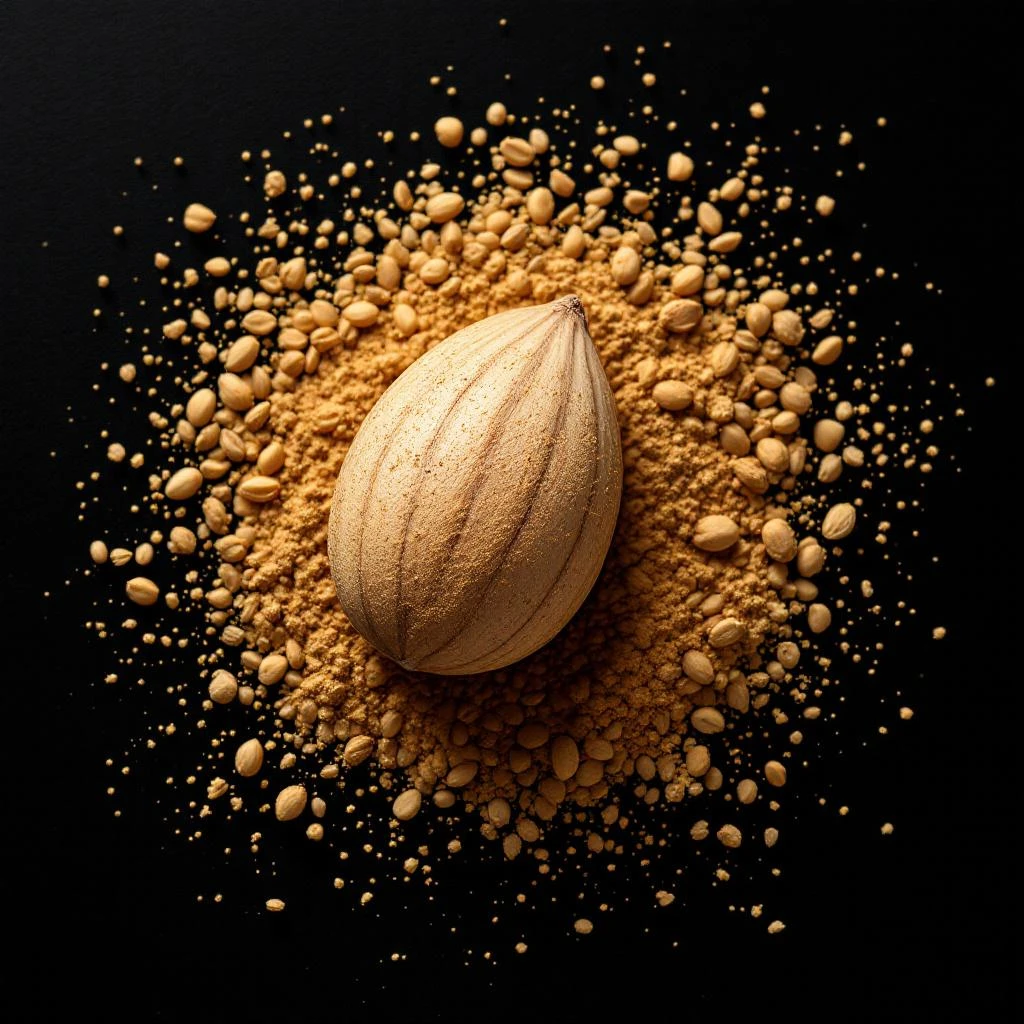
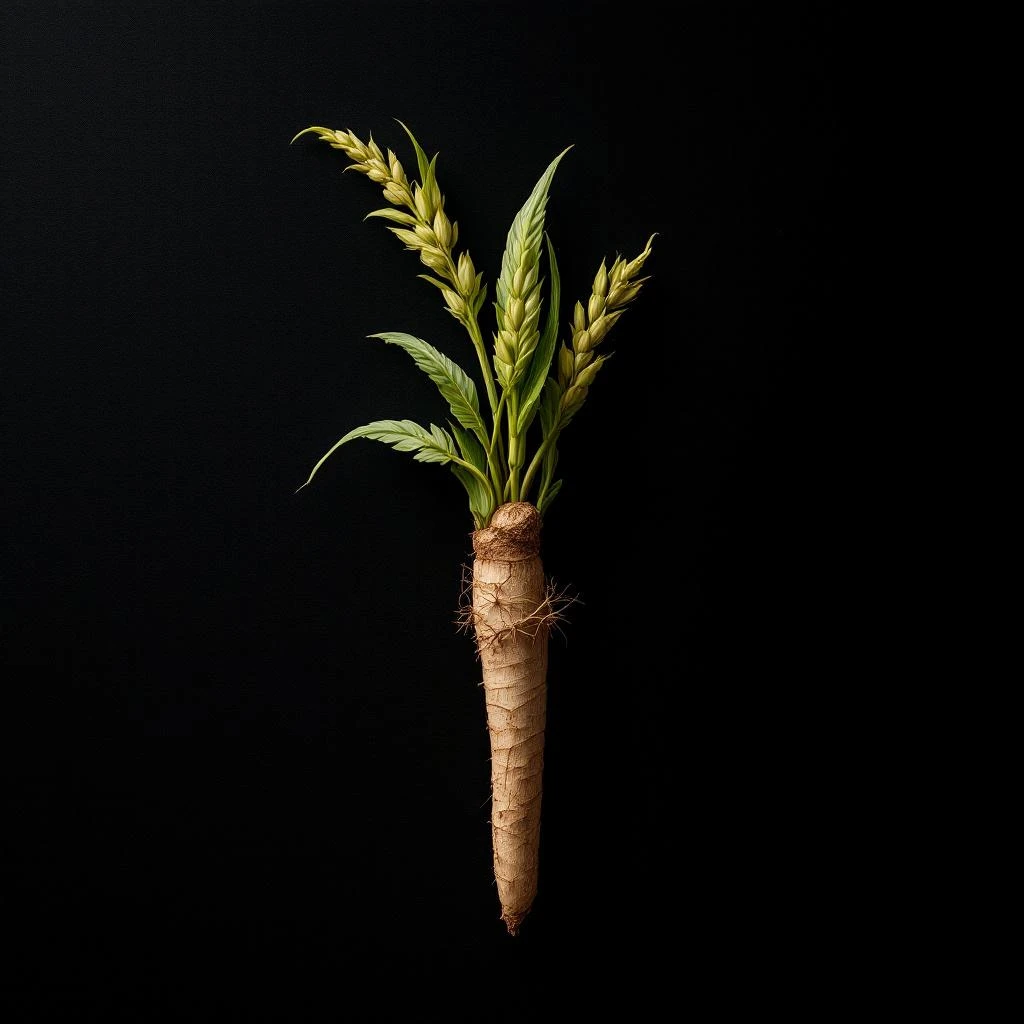
Ancient Egyptians made honey cakes called "tiger nut" for religious offerings, thousands of years before modern patisserie existed.



Origin
Cultural origin
Honey cakes appear in culinary history across ancient Egypt, Medieval Europe, and the Middle East. Ancient Egyptians offered honey-enriched cakes to gods during ceremonies.
Medieval European bakers baked honey cakes for Christmas and religious festivals, combining honey, spices, and dried fruit. In Eastern European Jewish tradition, honey cake (lekach) symbolized hope and blessings at Rosh Hashanah.
These cakes carried far beyond their original occasions, becoming symbols of hospitality and celebration across cultures. Their transition into perfumery reflects a broader tradition of using food memories as aromatic inspiration.
Wears it best
Fragrances featuring Honey Cake
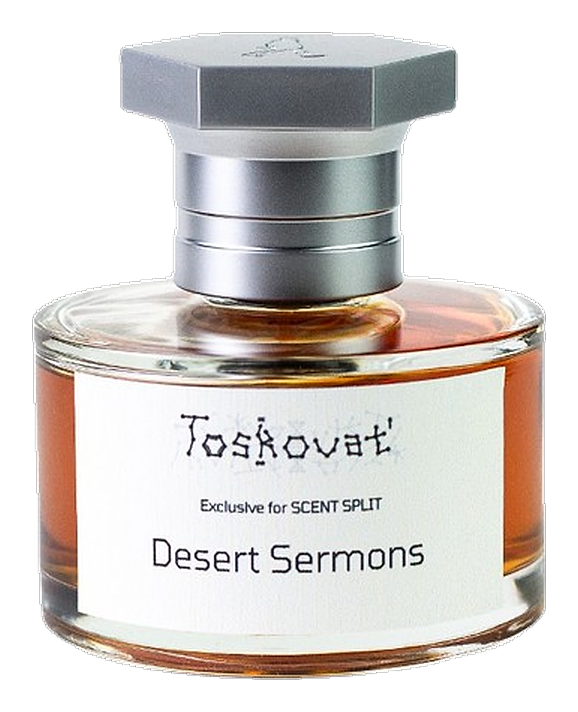
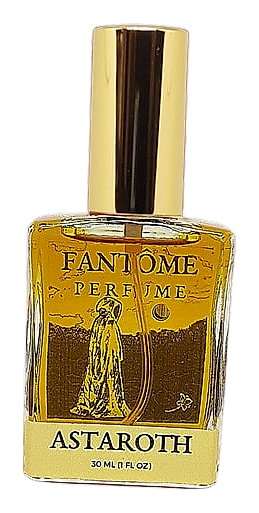

Brands
Brands known for Honey Cake
Good to know
Questions, answered
The essentials on Honey Cake in perfumery: how it smells, where it comes from, and how it behaves on skin.
What is the Honey Cake note in perfumery?
Honey Cake is an aromatic accord that replicates the scent of honey-spiced cake. It combines natural and synthetic materials to create a warm, edible character with honey sweetness, cinnamon spice, and vanilla creaminess.
Where does the Honey Cake note originate from?
Honey cakes appear across multiple cultures: ancient Egyptian honey cakes for temple offerings, Medieval European festival bakes, and Eastern European Jewish honey cake for Rosh Hashanah. No single region owns the tradition, making it a shared culinary heritage.
How is the Honey Cake accord created in fragrance?
Perfumers build the Honey Cake note by combining honey-derived aromatic materials with warm spices and vanilla. The precise blend depends on whether the perfumer targets a delicate bakery character or a richer, spiced profile.
What spices define the Honey Cake note?
Cinnamon bark provides the dominant spice note. Clove bud adds depth and a slightly sharp edge. Nutmeg and allspice appear in some formulations. Vanilla anchors the overall sweetness and smooth, creamy base.
Does Honey Cake use real honey in fragrance?
Some formulas incorporate natural honey absolute or beeswax absolute, which deliver genuine honey complexity. Many modern fragrances use synthetic honey molecules to achieve consistent, stable results that hold up in bottle aging.
What fragrance families pair well with Honey Cake?
Honey Cake sits naturally within Oriental and Gourmand families. It pairs well with amber, sandalwood, benzoin, and tonka bean. In lighter compositions, it can bridge toward warm florals like ylang-ylang or orange blossom.
When did Honey Cake become a notable perfumery note?
Honey Cake gained prominence during the 1990s gourmand movement, when perfumers embraced edible, comfort-driven themes. The warm spice and honey combination had existed in religious and celebratory contexts for centuries before entering modern fragrance.
What makes Honey Cake a comfort note in fragrance?
The combination of honey sweetness with warming spices triggers sensory memory associated with festive baking and celebration. This memory-driven quality gives the note its emotional resonance in perfumery.