Sumach
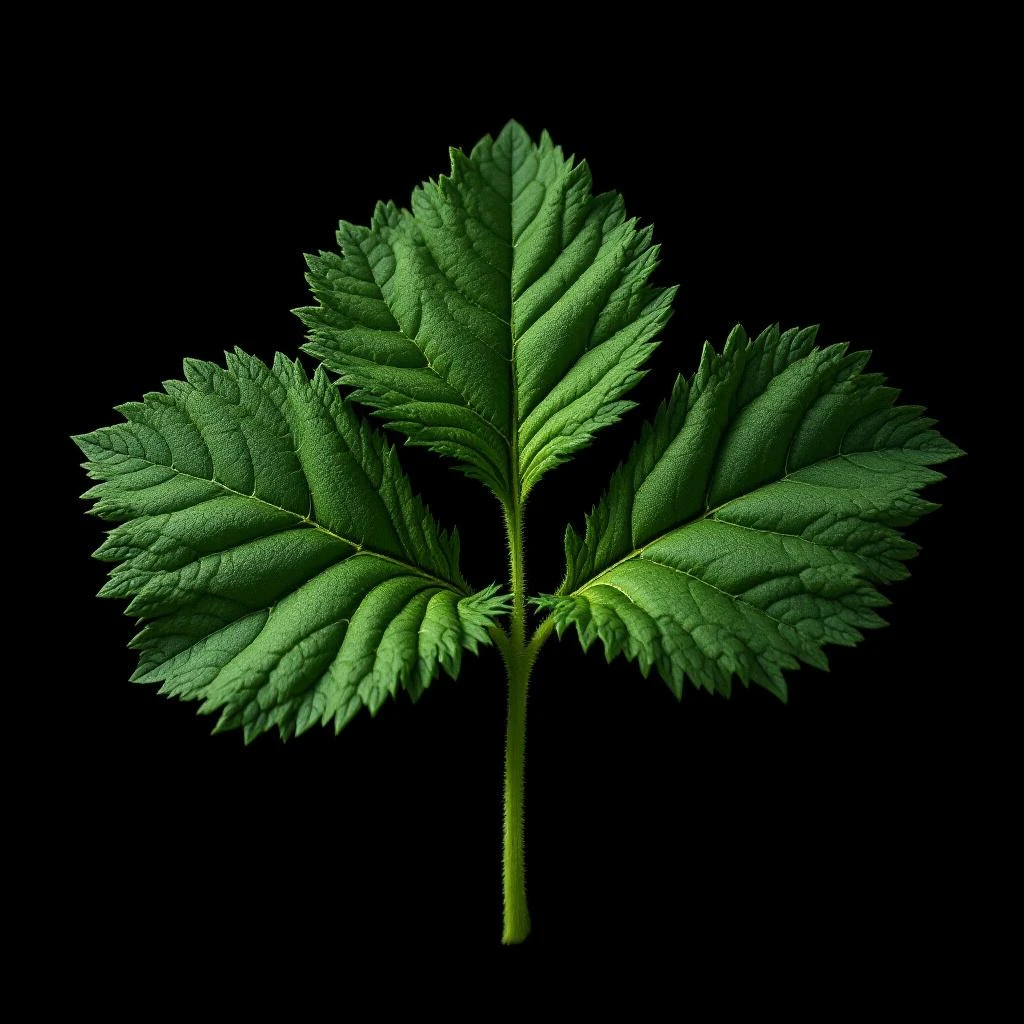
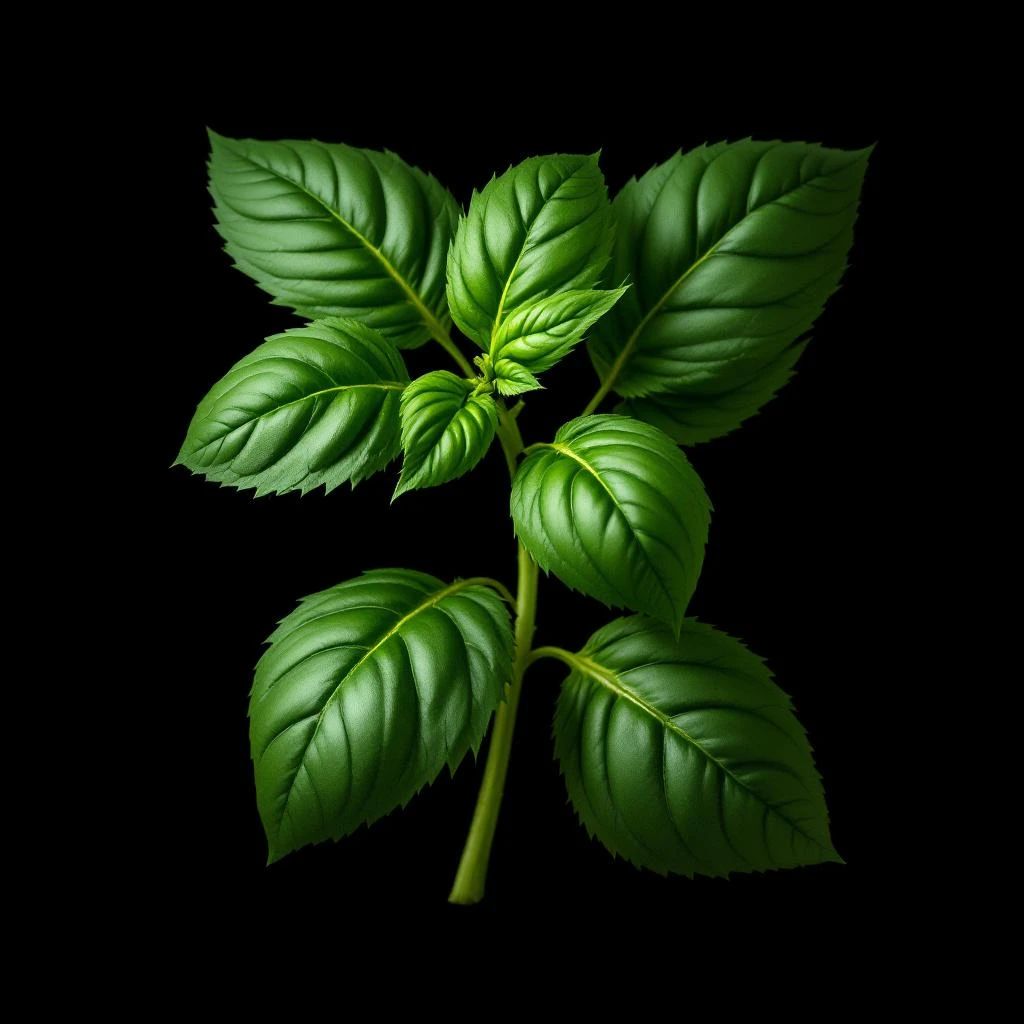
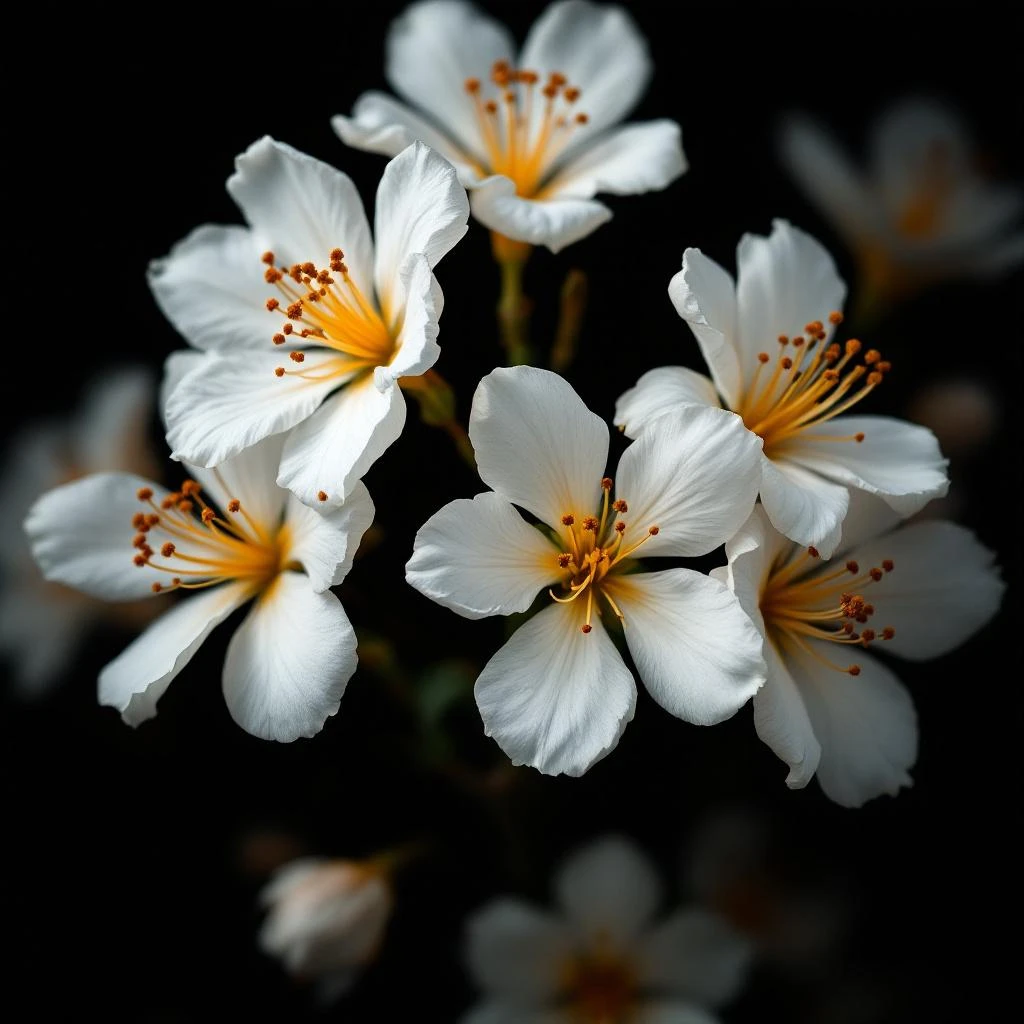
Sumac delivers a vibrant, tangy aroma with citrus and berry undertones. This Mediterranean botanical brings bright, acidic freshness to fragrance compositions, uncommon yet compelling.
Character
How it smells
Bright, tangy, and Mediterranean.
Sumac's deep burgundy berries were traditionally used to tan leather and dye fabrics before finding their way into perfumery's palette.



Origin
Italy
Sumac has deep roots in Mediterranean and Middle Eastern civilizations, where it served practical purposes long before perfumery. Ancient Greeks and Romans used sumac in cooking, medicine, and as a dyeing agent. The plant's tart berries featured in traditional remedies across the region for centuries.
In perfumery, sumac emerged as a niche ingredient, appreciated by artisan perfumers seeking unusual botanicals to add complexity to compositions. Its use remains limited compared to mainstream ingredients, making sumac--infused fragrances relatively rare. The ingredient reflects a broader trend in contemporary perfumery toward rediscovering lesser-known natural materials.
While sumac never achieved mainstream status like rose or jasmine, it holds cult status among perfumers interested in Mediterranean aromatic traditions. The ingredient connects modern fragrance to ancient botanical practices, offering a tangible link to historical perfumery methods.
Wears it best
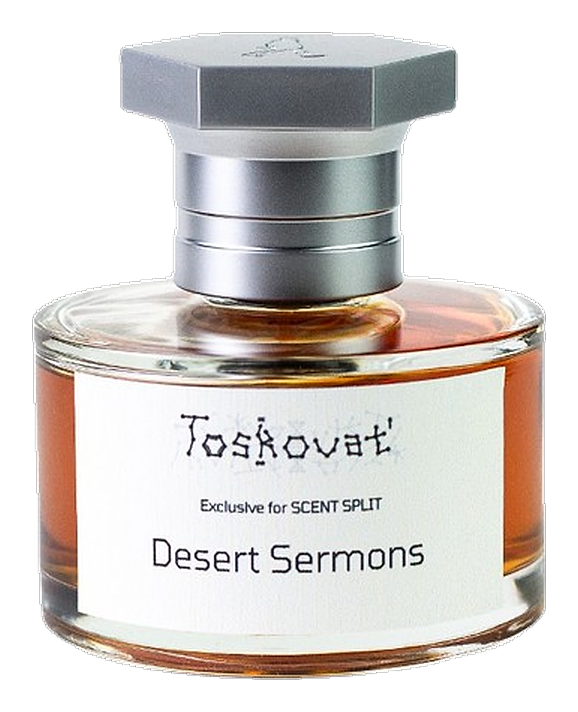
Fragrances featuring Sumach

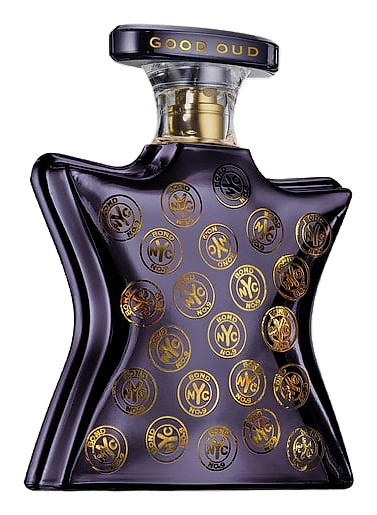
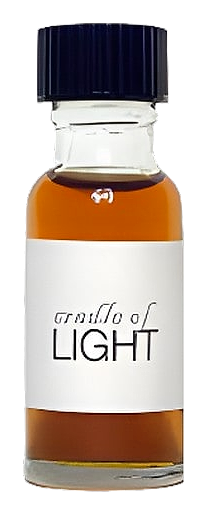
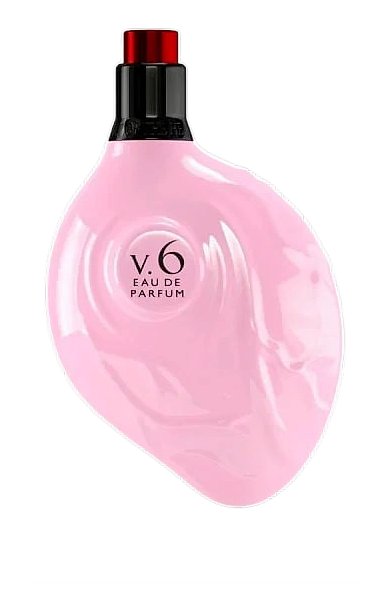
Brands
Brands known for Sumach
Good to know
Questions, answered
The essentials on Sumach in perfumery: how it smells, where it comes from, and how it behaves on skin.
What does sumac smell like in perfume?
Sumac delivers a tangy, citrus-forward aroma with subtle berry and dried fruit undertones. It adds brightness and an acidic freshness that works well in top-note compositions.
Is sumac commonly used in commercial fragrances?
Sumac appears infrequently in mainstream perfumery. It remains a niche ingredient favored by artisan perfumers creating distinctive, Mediterranean-inspired compositions.
Which part of the sumac plant is used for fragrance?
The dried berries (drupes) of the Rhus coriaria shrub serve as the primary material for fragrance extraction, though leaves may also be utilized.
Where does sumac grow and which countries produce it for perfumery?
Sumac thrives in Mediterranean climates. Italy, Iran, and Turkey represent primary production regions, with the plant flourishing across rocky slopes of the Mediterranean basin.
How is sumac extracted for use in perfumery?
Two primary methods exist: steam distillation produces sumac essential oil, while solvent extraction yields an aromatic concrete or absolute with different olfactory characteristics.
Does sumac have historical significance in perfumery?
Sumac served ancient Mediterranean cultures primarily as a culinary and dyeing agent. Its transition into perfumery occurred more recently, driven by interest in unconventional botanicals.
Can sumac be combined with other fragrance ingredients?
Sumac pairs well with citrus oils, herbs like rosemary and thyme, and warm spices. It adds complexity to chypre and aromatic compositions.
Is sumac a natural or synthetic ingredient?
Sumac is a natural ingredient derived entirely from plant material. Commercial perfumery sources it from cultivated or wild-harvested Rhus coriaria shrubs.