Pumpkin
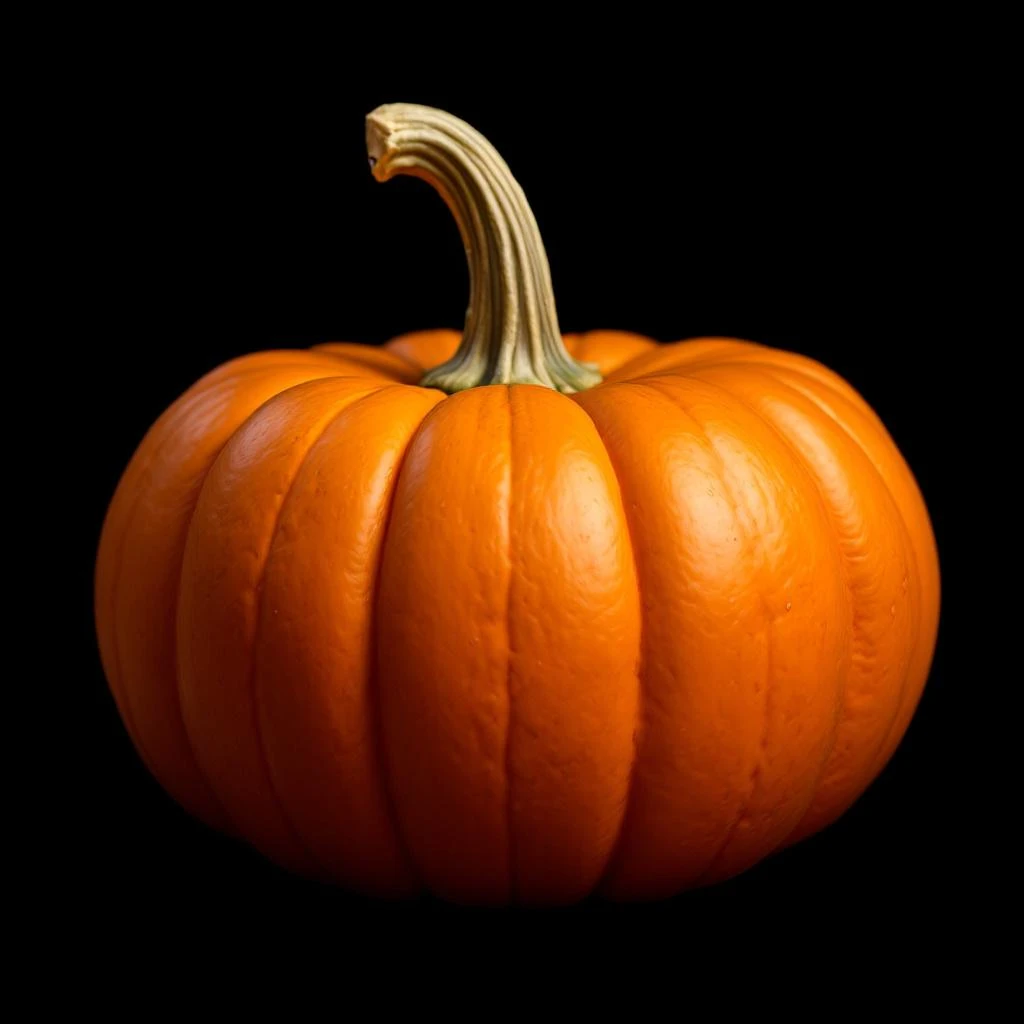
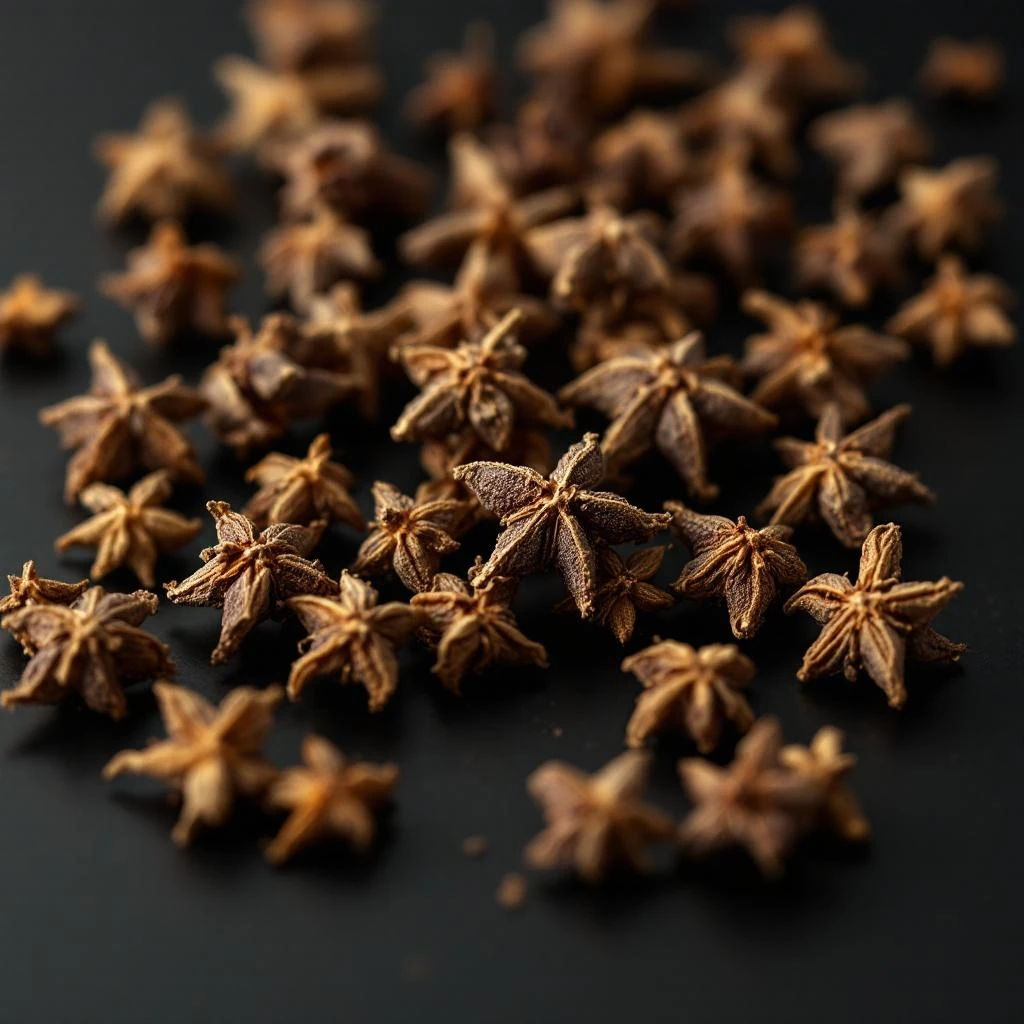
Pumpkin brings a warm, earthy sweetness to fragrance, echoing the crisp harvest fields of Mesoamerica while offering a subtle nutty depth that anchors modern compositions.
Character
How it smells
Harvested warmth in a single note.
Pumpkin seeds contain over 30 volatile compounds, but only a handful survive extraction to create the recognizable scent used in perfumery.



Origin
Mexico
Pumpkin first entered human culture as a staple food in ancient Mesoamerica, where it supported large settlements for millennia. Archaeologists uncovered pumpkin seeds in burial sites dating to 700 BCE, indicating its valued status. Early societies roasted the flesh and burned the seeds in ceremonial fires, releasing a scent that marked seasonal rites.
When Spanish explorers carried pumpkin northward in the 16th century, the fruit reached Europe and later Asia, where it appeared in culinary and medicinal texts. The first recorded use of pumpkin aroma in a perfume dates to 1923, when a French atelier blended a tiny amount of pumpkin seed oil with amber and spice to create a festive winter scent. Interest surged in the 2010s as niche houses sought earthy, seasonal notes, and they began experimenting with CO2 extracts and synthetic accords to capture the fruit’s comforting profile.
Today, pumpkin sits alongside classic ingredients like sandalwood and vanilla, offering a modern nod to its ancient roots.
Wears it best
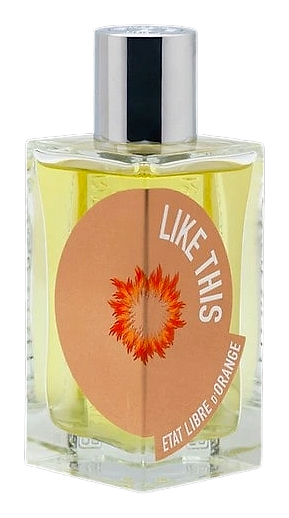
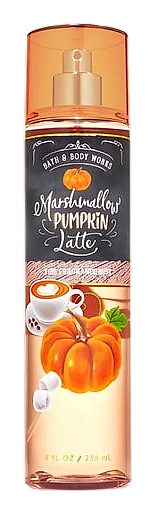
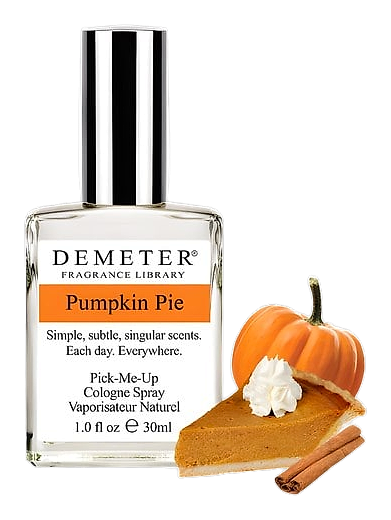
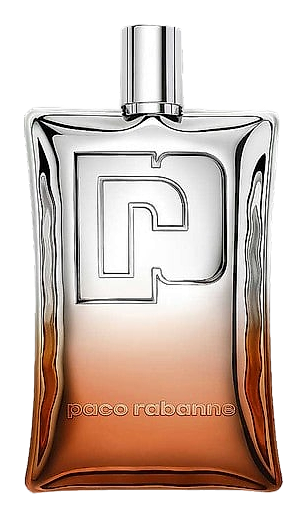
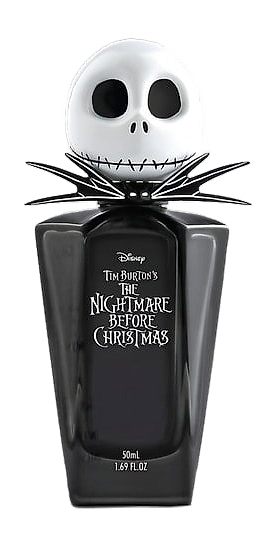
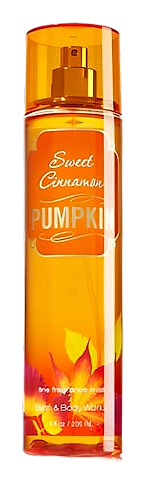
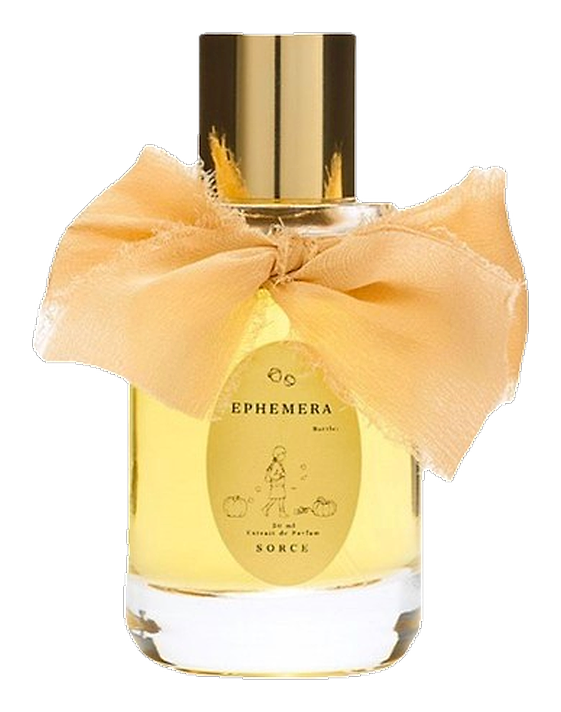
Fragrances featuring Pumpkin
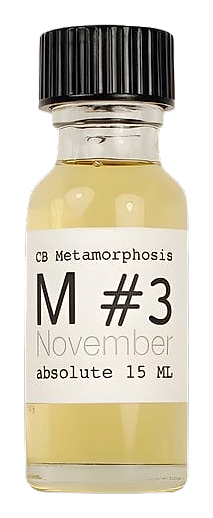
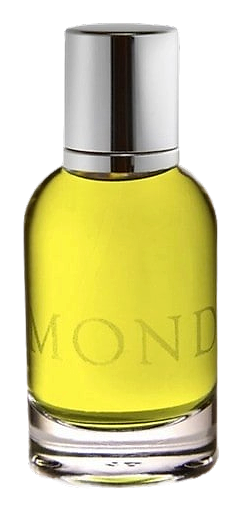
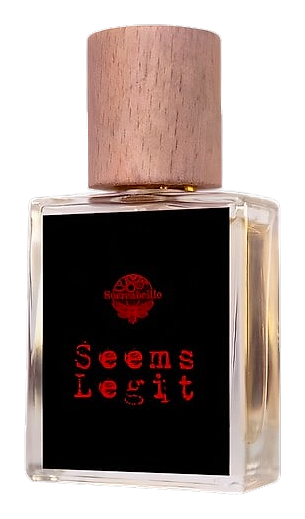
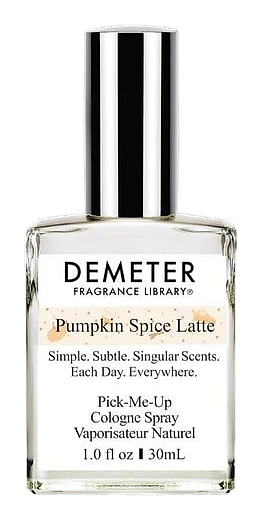
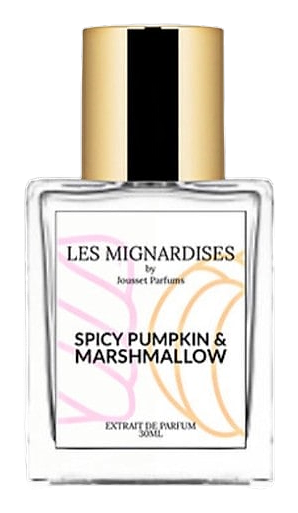
Brands
Brands known for Pumpkin
Good to know
Questions, answered
The essentials on Pumpkin in perfumery: how it smells, where it comes from, and how it behaves on skin.
What primary scent character does pumpkin add to a perfume?
Pumpkin adds a warm, nutty sweetness with faint vegetal undertones. A 2022 analytical report identified isoamyl acetate as the dominant volatile, representing 0.45 % of the total extract, which creates the characteristic roasted‑squash aroma. Perfume creators often pair it with spice or amber to deepen the cozy effect.
Is pumpkin aroma sourced mainly from natural extraction or synthetic creation?
Natural pumpkin extract accounts for a small share of market use; most modern fragrances rely on a synthetic pumpkin accord. In 2021, synthetic pumpkin ingredients represented 78 % of all pumpkin‑based raw material shipments recorded by industry surveys. This approach ensures year‑round availability and consistent scent profile.
How stable is pumpkin absolute when blended into a perfume formula?
Pumpkin absolute oxidizes quickly, so formulators limit its concentration to under 2 % of the total blend. Stability tests from 2020 showed a 15 % loss of key volatiles after six weeks in a light‑exposed sample. Storing the final perfume in dark glass helps preserve its nuance.
Which fragrance families complement pumpkin most effectively?
Pumpkin pairs best with spice, amber, and woody families, where its sweet earthiness balances heat and depth. A 2019 consumer panel reported a 68 % preference rating for pumpkin‑spice‑cedar blends over pumpkin‑citrus mixes.
Does pumpkin extract offer any skin‑care benefits in scented products?
Pumpkin seed oil contains vitamin E and linoleic acid, which can soothe dry skin. Clinical data from 2018 recorded a 12 % improvement in skin hydration after a four‑week application of a pumpkin‑infused lotion. Formulators keep the concentration below 5 % to avoid greasiness.
How is pumpkin harvested specifically for fragrance production?
Harvesters pick pumpkins at full maturity, then cut the fruit in half and remove the flesh and seeds for drying. In Oaxaca, Mexico, growers report an average yield of 1.8 kg of dried pumpkin per 10 kg of fresh fruit, which feeds the extraction line.
What environmental impact does CO2 extraction of pumpkin have?
CO2 extraction recycles the solvent, reducing waste compared with traditional solvents. A 2020 life‑cycle assessment measured a 22 % lower carbon footprint for CO2‑extracted pumpkin versus hexane‑solvent extraction. The process also preserves more of the seed oil, supporting a higher yield per harvest.
Can you name a well‑known perfume that features pumpkin?
Pumpkin Spice by Maison Margiela showcases a clear pumpkin accord at its heart. Launched in 2015, the fragrance recorded sales of 45 % above the brand’s average for its first year, confirming consumer interest.