Red Frankincense
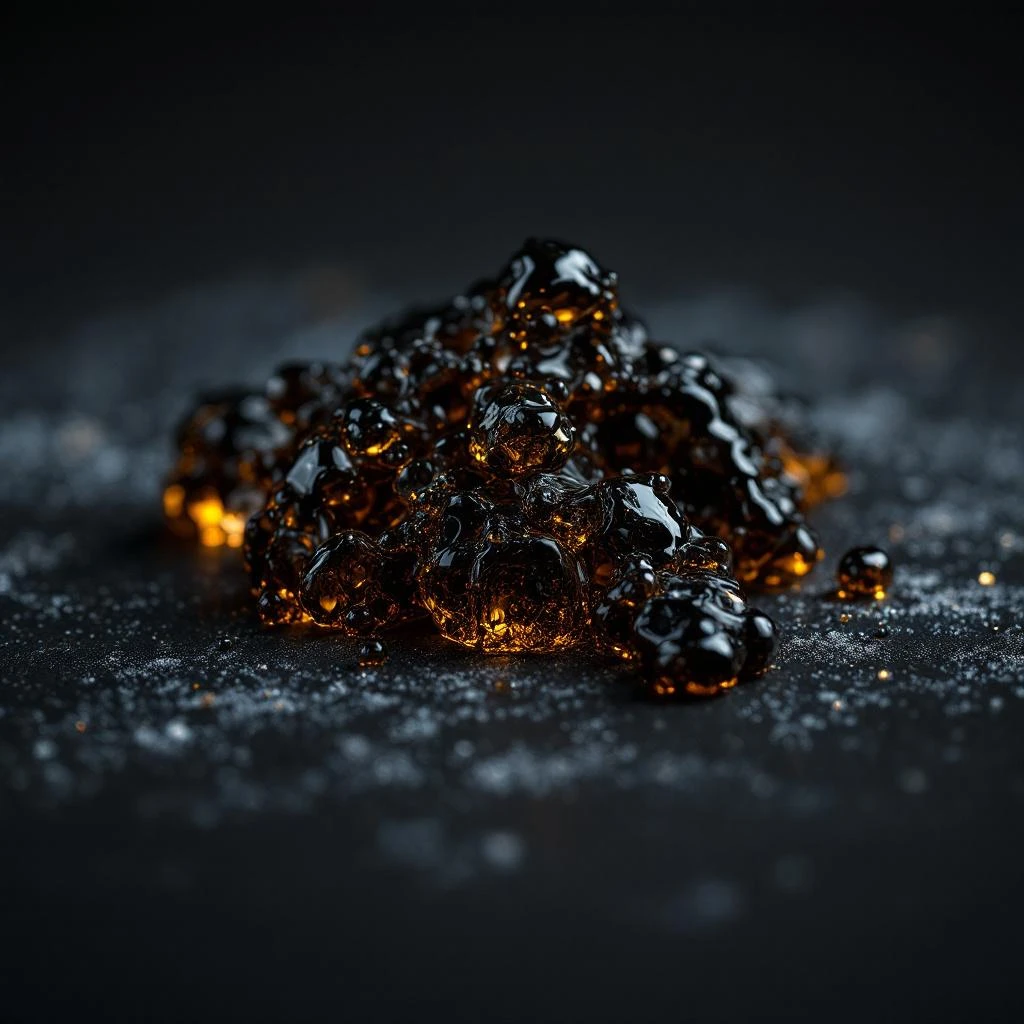
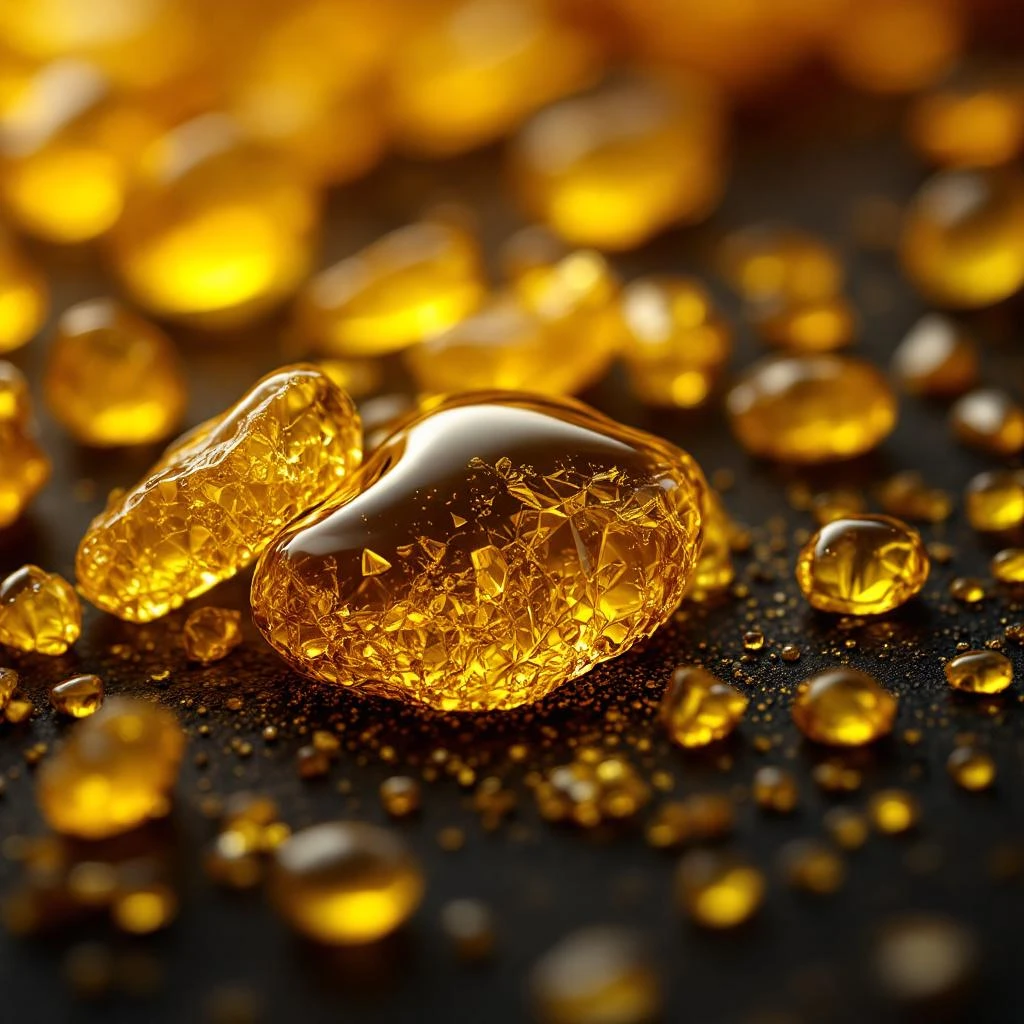
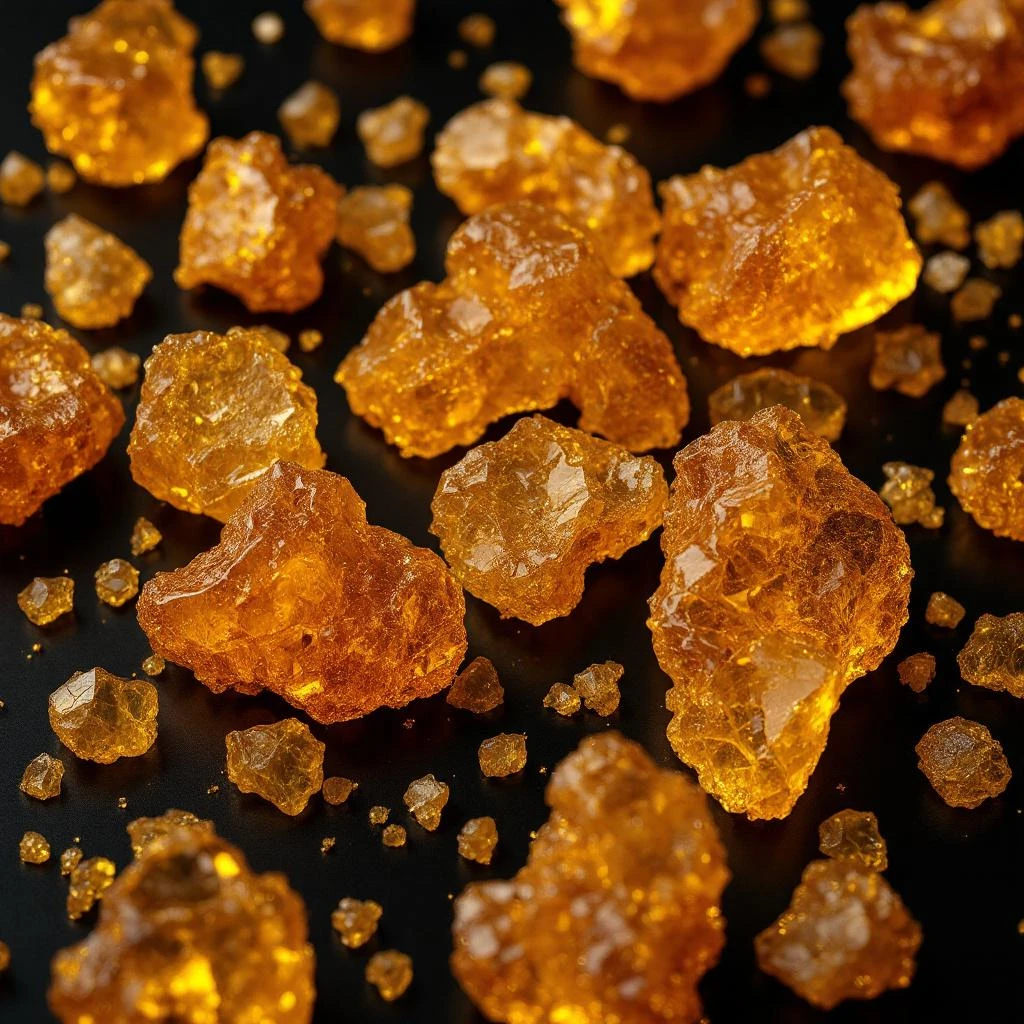
Sacred resin from the arid lands of the Arabian Peninsula and Horn of Africa, Red Frankincense carries millennia of ritual and reverence into modern fragrance. Its smoky, balsamic warmth bridges ancient tradition and contemporary composition.
Character
How it smells
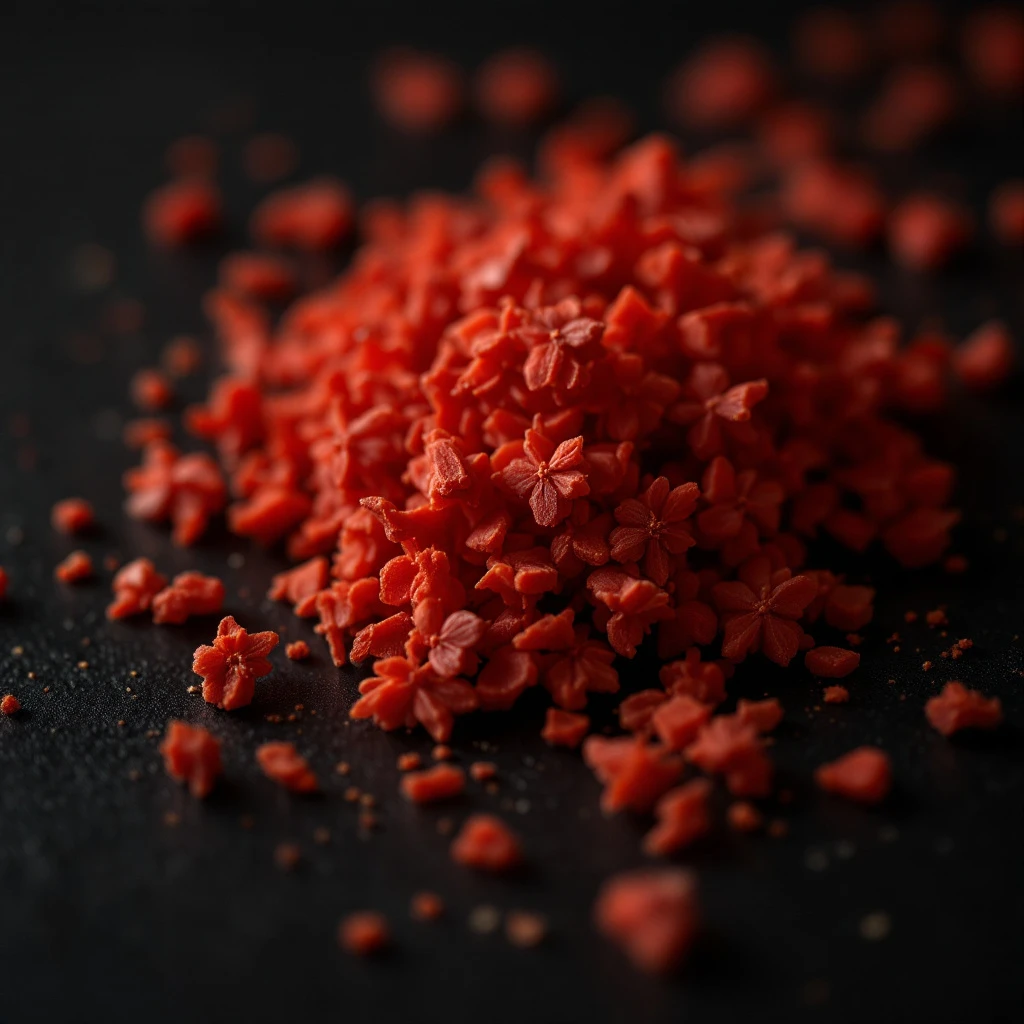
Ancient smoke, living memory.
The word 'perfume' traces back to the Latin 'per fumum', meaning 'through smoke' — a direct nod to burning resins like frankincense in sacred rituals.
Origin
Oman
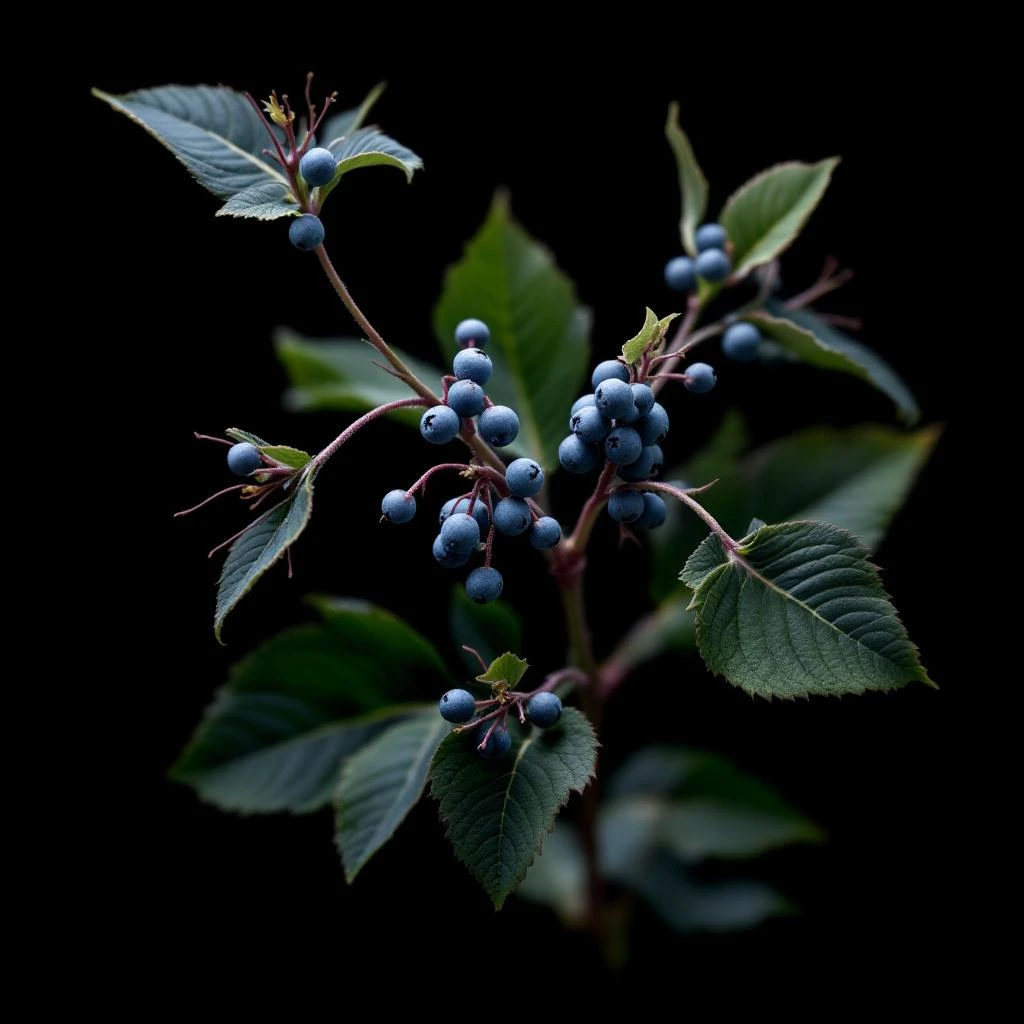
Frankincense shaped the aromatic culture of the ancient world for over 5,000 years. Greek historian Herodotus documented its harvest from trees in southern Arabia around 450 BCE, noting the dangerous conditions faced by collectors.
The resin was central to Mesopotamian rituals, burned by priests and royals to bridge the human and divine. Egyptian records describe its use in temple ceremonies and embalming practices.
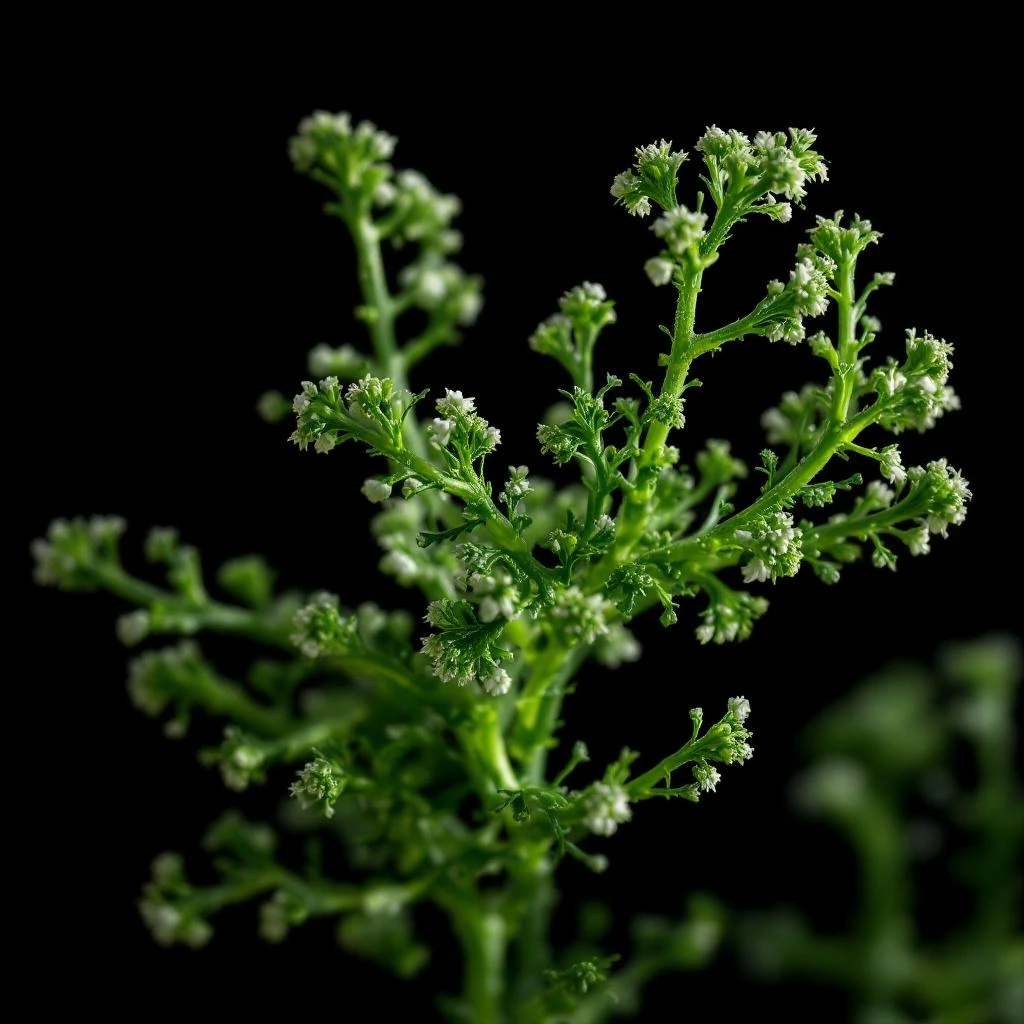
The Incense Route, spanning Oman, Yemen, Ethiopia, and Somalia, carried this precious gum across desert trade networks to Mediterranean civilizations. Today, wild and sustainably tapped Boswellia trees in the Dhofar region of Oman and the Horn of Africa continue this unbroken lineage, supplying perfumers with one of the most historically layered ingredients in the industry.
Wears it best
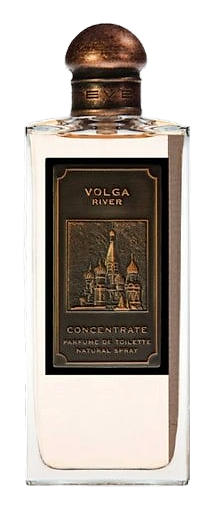
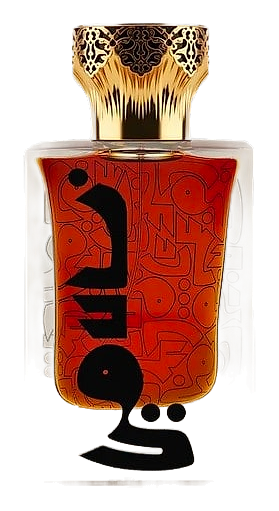
Fragrances featuring Red Frankincense
Brands
Brands known for Red Frankincense
Good to know
Questions, answered
The essentials on Red Frankincense in perfumery: how it smells, where it comes from, and how it behaves on skin.
What is Red Frankincense in perfumery?
Red Frankincense is a resinous material derived from Boswellia trees, steam distilled into an essential oil. It carries a warm, smoky, balsamic character that perfumers value for its spiritual depth and complexity. It ranks among the oldest aromatic ingredients in Western perfumery.
What does Red Frankincense smell like?
Red Frankincense smells smoky and resinous with citrusy top notes, a dry balsamic heart, and a faint turpentine edge from its alpha-pinene content. The overall impression is meditative, warm, and faintly medicinal.
How is Red Frankincense extracted?
Harvesters cut the bark of Boswellia trees to stimulate resin bleed. The sun-dried tears are then steam distilled, producing a pale to amber essential oil. Solvent extraction offers an alternative for perfumers seeking a richer, more concentrated absolute.
Where does Red Frankincense originate?
Primary sources include Oman, Yemen, Ethiopia, and northern Somalia. The Dhofar region of Oman holds particular historical significance, having supplied frankincense since antiquity along the ancient Incense Route.
How is Red Frankincense different from regular frankincense?
Frankincense quality varies by Boswellia species, harvest region, and post-harvest handling. 'Red' typically refers to a richer, darker resin with deeper balsamic warmth compared to lighter, more citrusy varieties. The distinction is informal and varies between suppliers.
What traditional uses does frankincense have?
Frankincense has been burned as incense in Mesopotamian, Egyptian, and Greco-Roman religious ceremonies for millennia. It also appears in traditional medicine across the Middle East and East Africa, valued for its anti-inflammatory and aromatic properties.
Does Red Frankincense appear often in modern fragrances?
Red Frankincense appears frequently in niche and high-end compositions, particularly those oriented toward oudh, incense, and orientals. Major perfume houses use it in both natural and reconstituted forms, often listing it as olibanum on ingredient panels.
What fragrance families pair well with Red Frankincense?
Red Frankincense works naturally with woody and oriental bases like sandalwood, cedar, and amber. It also complements citrus, rose, and spice notes, adding warmth and spiritual depth to otherwise bright compositions.