Purple Sage
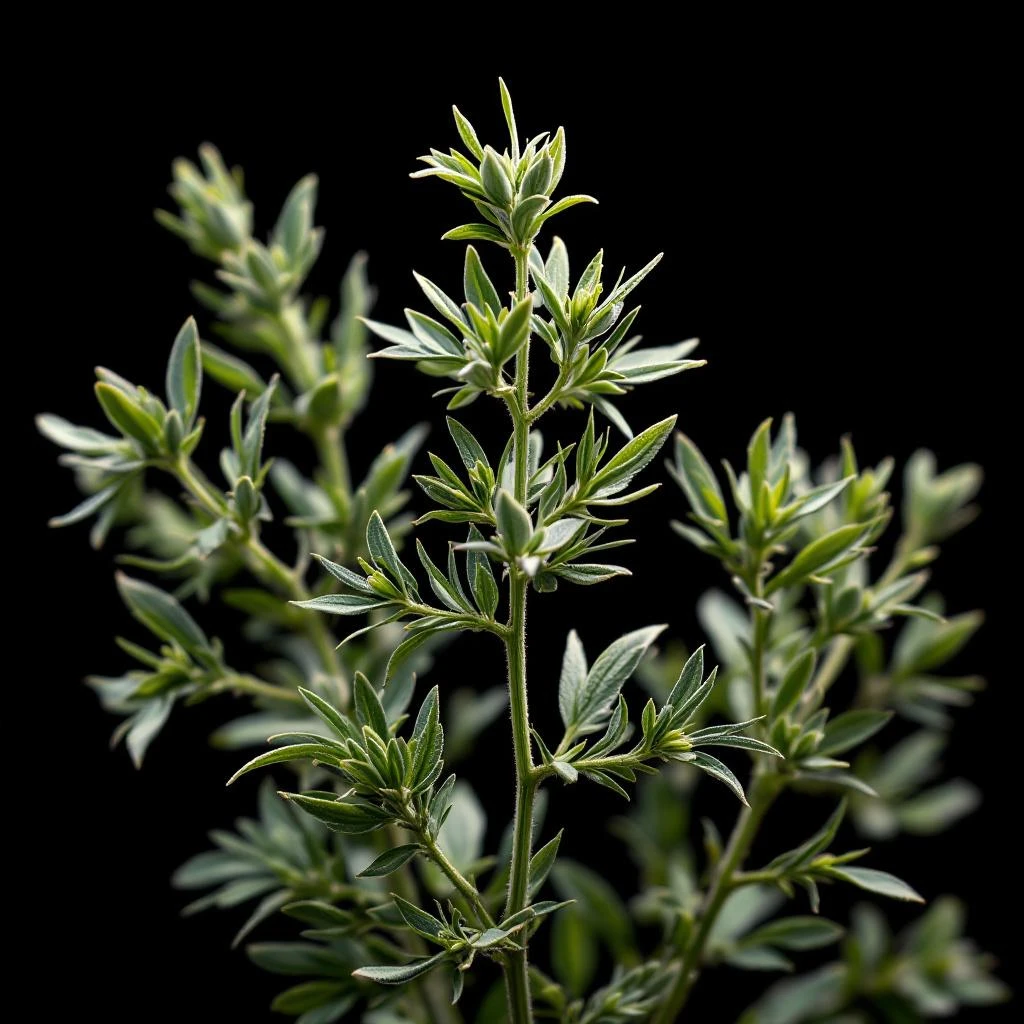
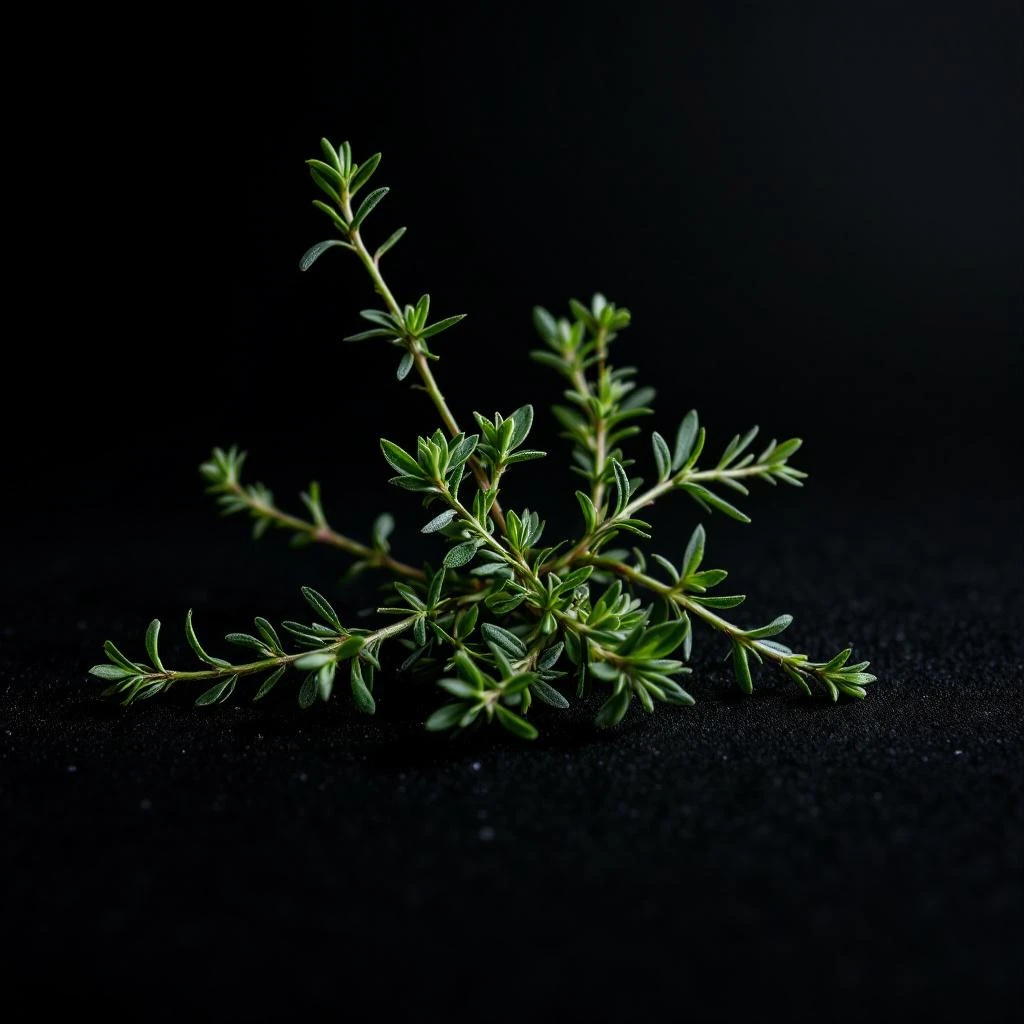
Purple sage is a rare ornamental variety of Salvia officinalis prized for its violet-tinged leaves and sweet, herbal character with softer camphor than common sage. It bridges aromatic herb gardens and perfumery with an earthy, slightly floral warmth.
Character
How it smells
Herbal depth wrapped in violet-tinged leaves
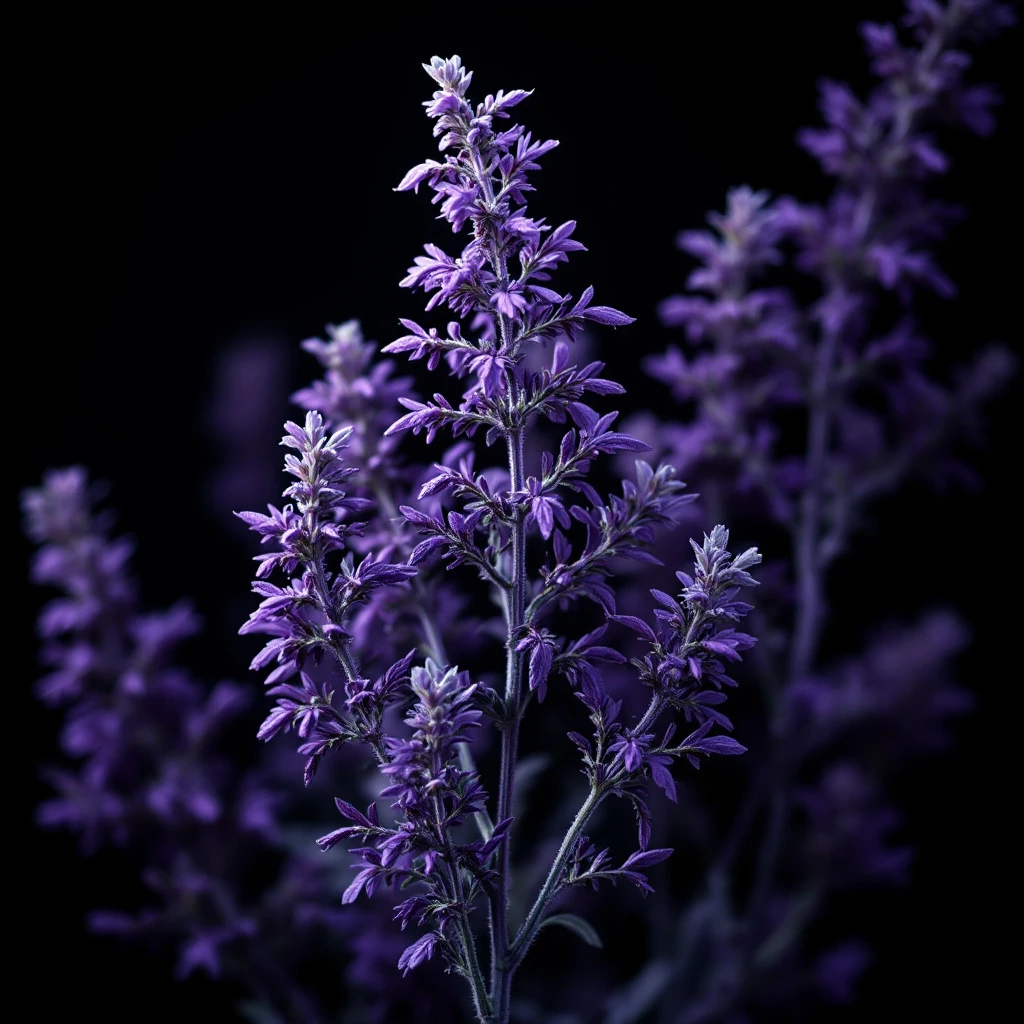
Purple sage's vivid coloration comes from anthocyanin pigments, the same compounds that give blueberries their hue, yet its scent profile closely mirrors common green sage.

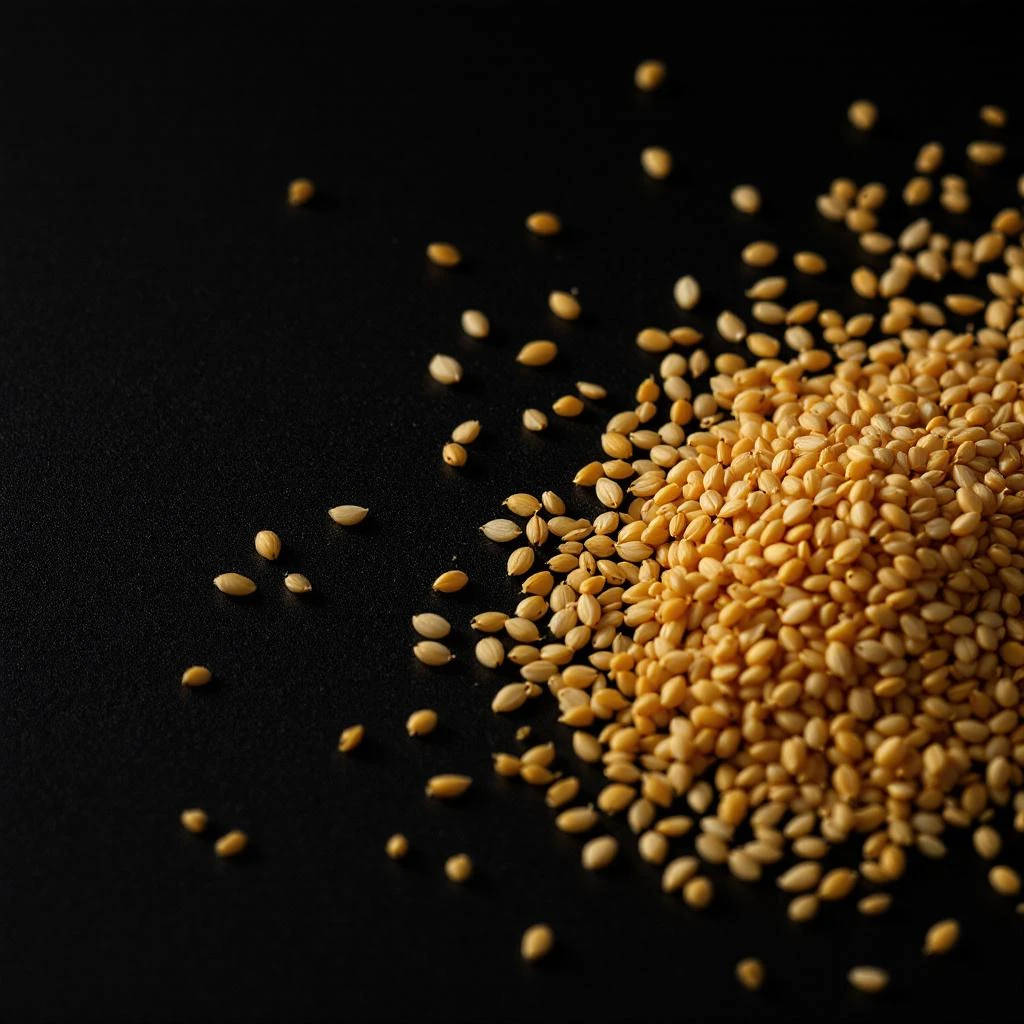
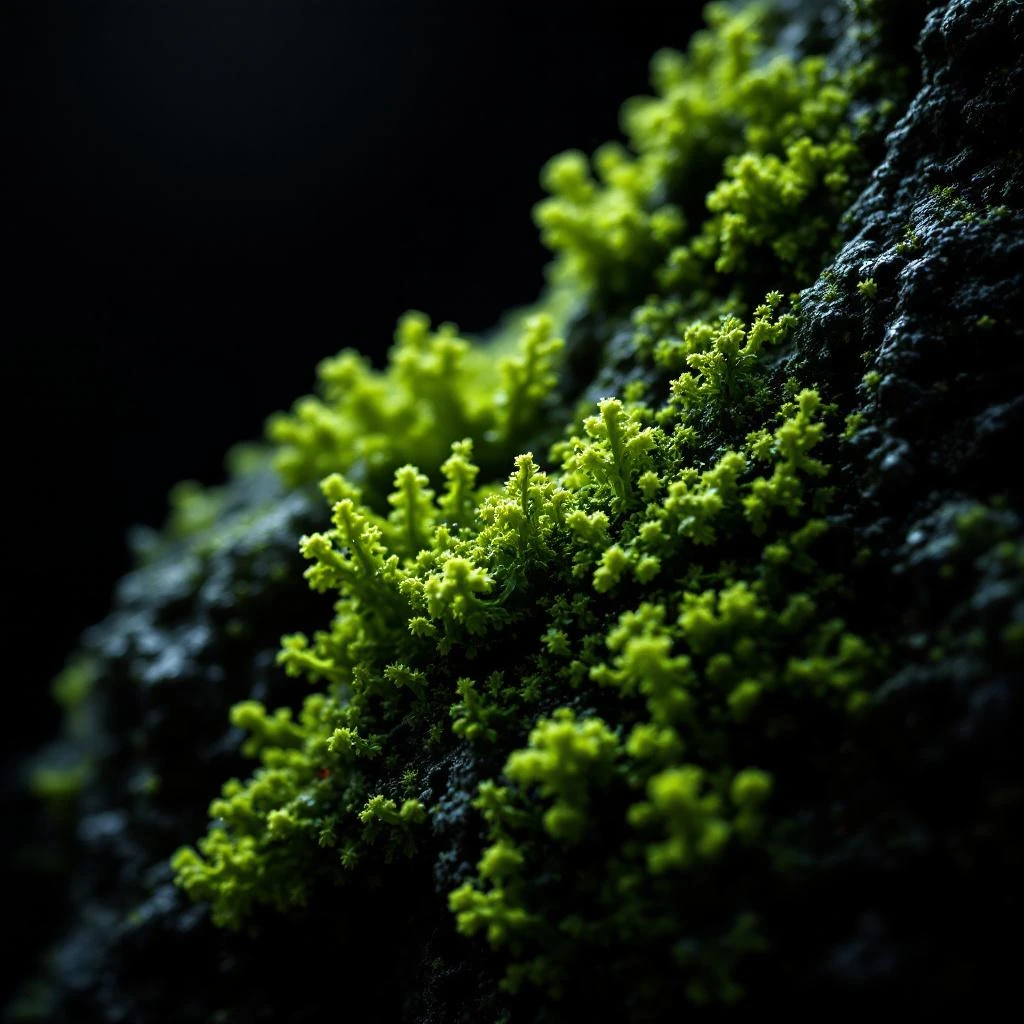
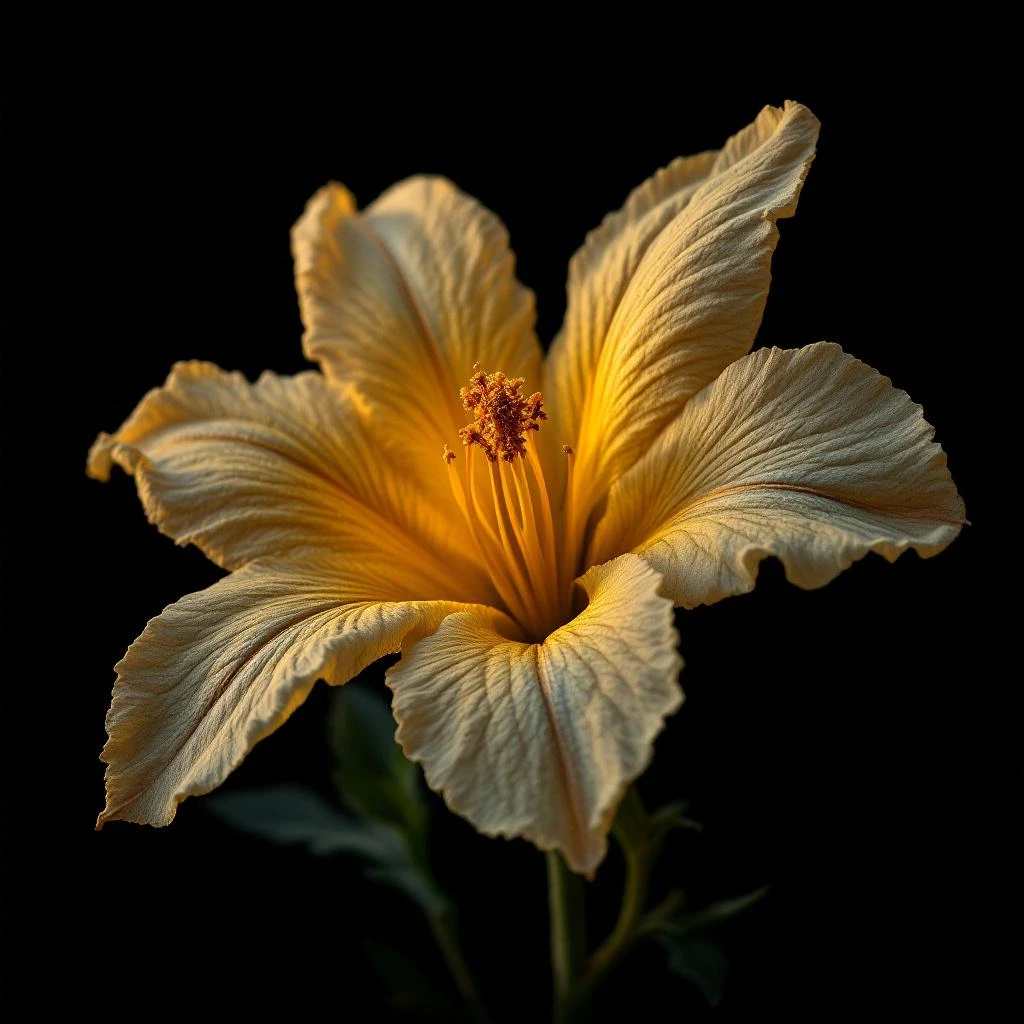
Origin
United States
Sage has been one of humanity's most revered aromatic plants since antiquity, with the Romans harvesting it ceremonially using the ritual phrase 'why should a man die when he has sage in his garden?' By the medieval period, Salvia officinalis anchored monastery physic gardens across Europe, used for both medicine and household scent. Purple sage, a natural leaf-color mutation of common sage documented in herbals as early as the 16th century, remained largely an ornamental curiosity for centuries.
It gained wider recognition among botanists in the 19th century as interest in colored foliage varieties expanded across European and American horticultural collections. Its entry into perfumery was modest; most sage oil has always come from Dalmatian and Spanish cultivars with higher oil yields. Purple sage has occasionally appeared in artisan fragrance projects and herbal-themed compositions, valued for its visual drama and gentler aromatic profile.
Today it occupies a niche position, bridging kitchen herb, garden showpiece, and specialty perfumery ingredient for creators drawn to its softer take on a classical scent.
Wears it best
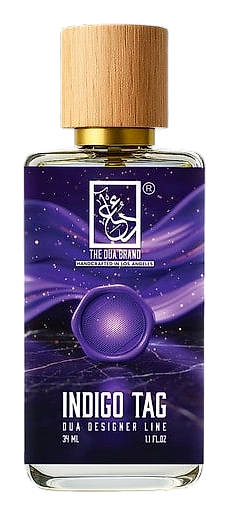
Fragrances featuring Purple Sage
Brands
Brands known for Purple Sage
Good to know
Questions, answered
The essentials on Purple Sage in perfumery: how it smells, where it comes from, and how it behaves on skin.
What does purple sage smell like in perfume?
Purple sage offers a softer, less camphorous herbal aroma than common sage, with green top notes, a warm-spicy heart, and a faintly sweet, hay-like drydown. Its gentler profile makes it useful where traditional sage would feel too sharp.
Is purple sage the same as clary sage?
No. Purple sage is a colored-leaf cultivar of Salvia officinalis, the same species as common culinary sage. Clary sage is an entirely different species, Salvia sclarea, known for a musky, Ambroxan-adjacent character.
Why is purple sage rarely found in commercial fragrances?
Purple sage yields less essential oil per plant than Dalmatian sage due to lower thujone and camphor concentrations. Combined with limited cultivation scale, this keeps its oil scarce in mainstream supply chains.
How is purple sage essential oil produced?
Steam distillation is the primary method. Harvested leaves and stems are exposed to pressurized steam that ruptures oil glands; the vapor condenses and separates into hydrosol and oil.
Where does purple sage originate?
Purple sage is a natural mutation of common sage native to the Mediterranean region. Today most fragrance-grade material comes from small herb farms in the United States and southern Europe.
Is purple sage safe for use in perfumery?
When properly distilled and diluted, purple sage oil is used safely in fragrance formulations. Sage oil contains thujone, a regulated compound, so IFRA standards cap concentration levels in finished products.
Can purple sage be used as a natural fixative in perfumes?
Purple sage shares some fixative qualities with clary sage and common sage, lending mild anchoring power through its heavier terpenes. However, its effect is subtle compared to clary sage-derived sclareol.
What fragrances pair well with purple sage?
Purple sage complements lavender, rosemary, citrus oils like bergamot, and woody bases such as cedar. Its softened herbal character layers well in fougère and aromatic compositions without overpowering neighboring notes.