Provençal Nectarine
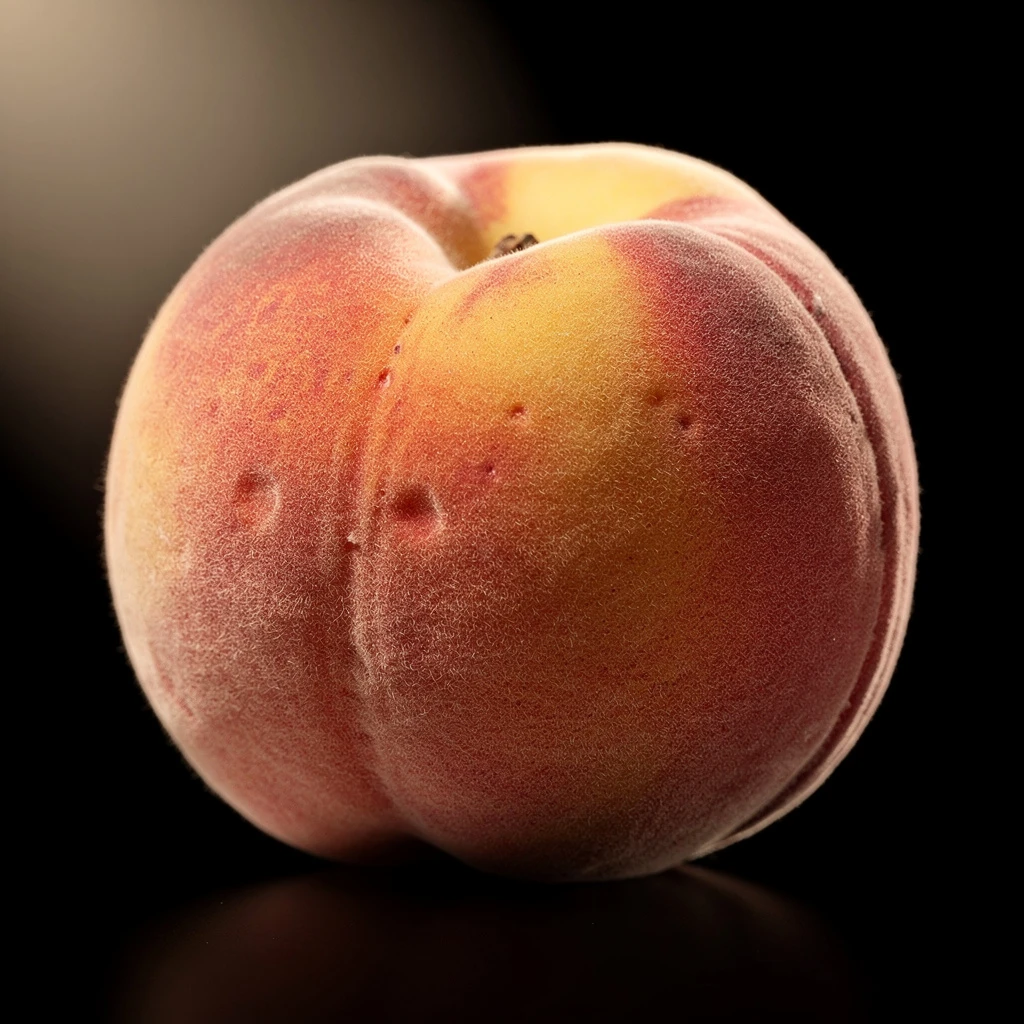
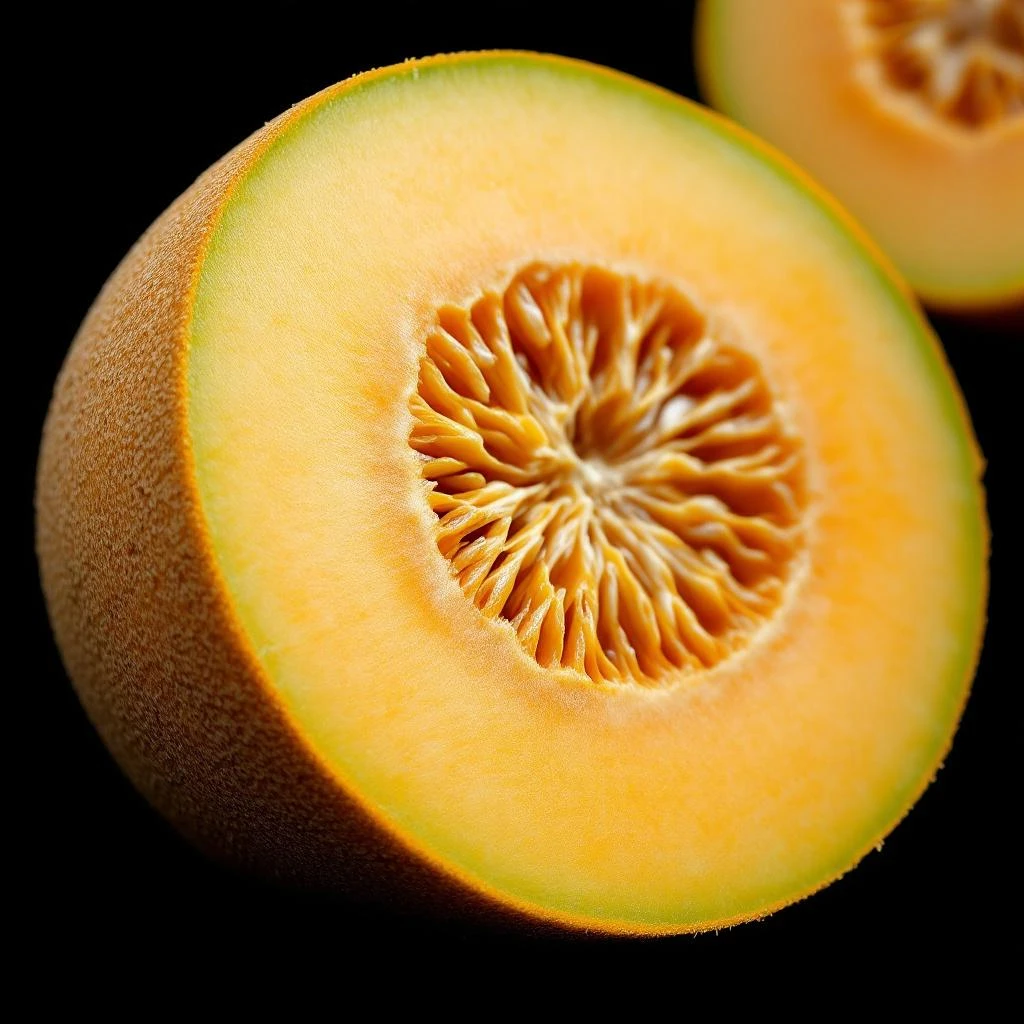
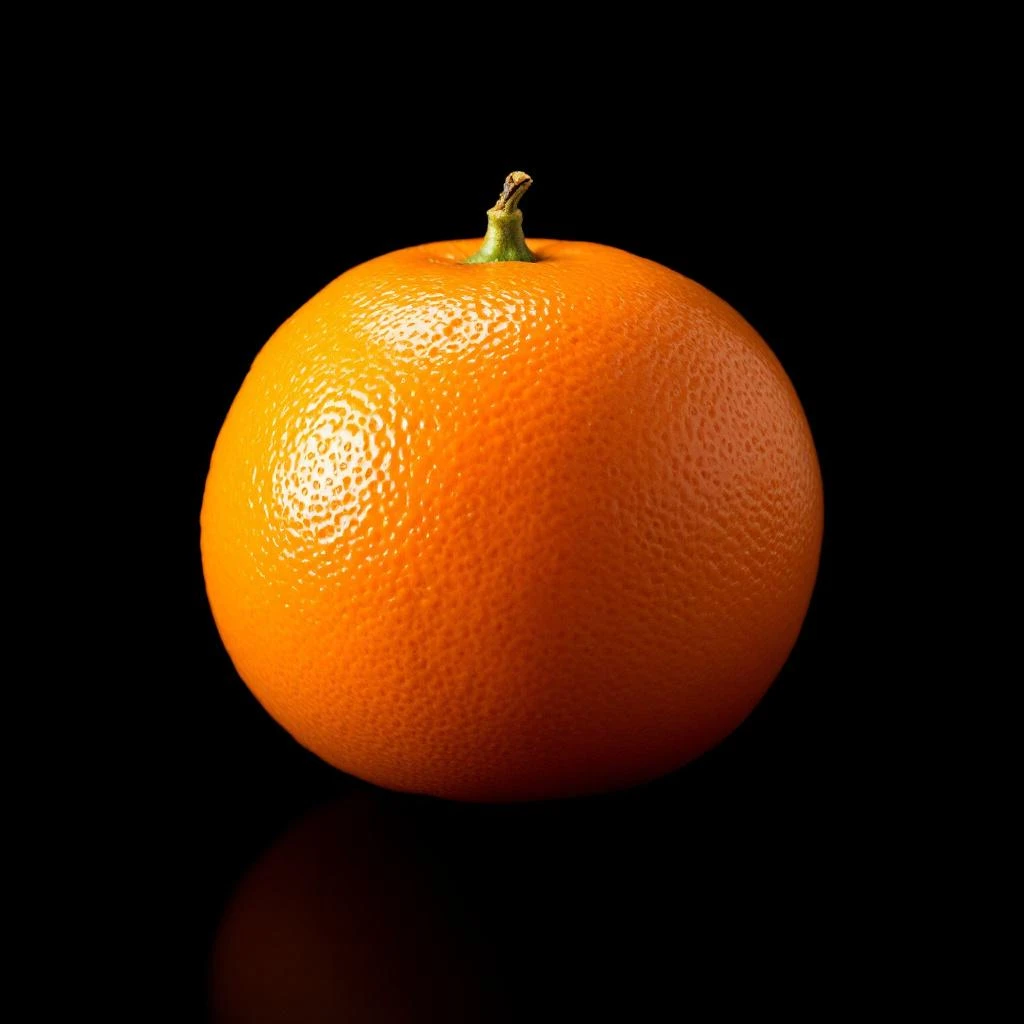
Sun-warmed nectarine plucked at peak ripeness, its golden flesh carrying the sweet-tart snap of orchards in southern France. This accord captures a fruit that barely survives the journey from branch to table.
Character
How it smells
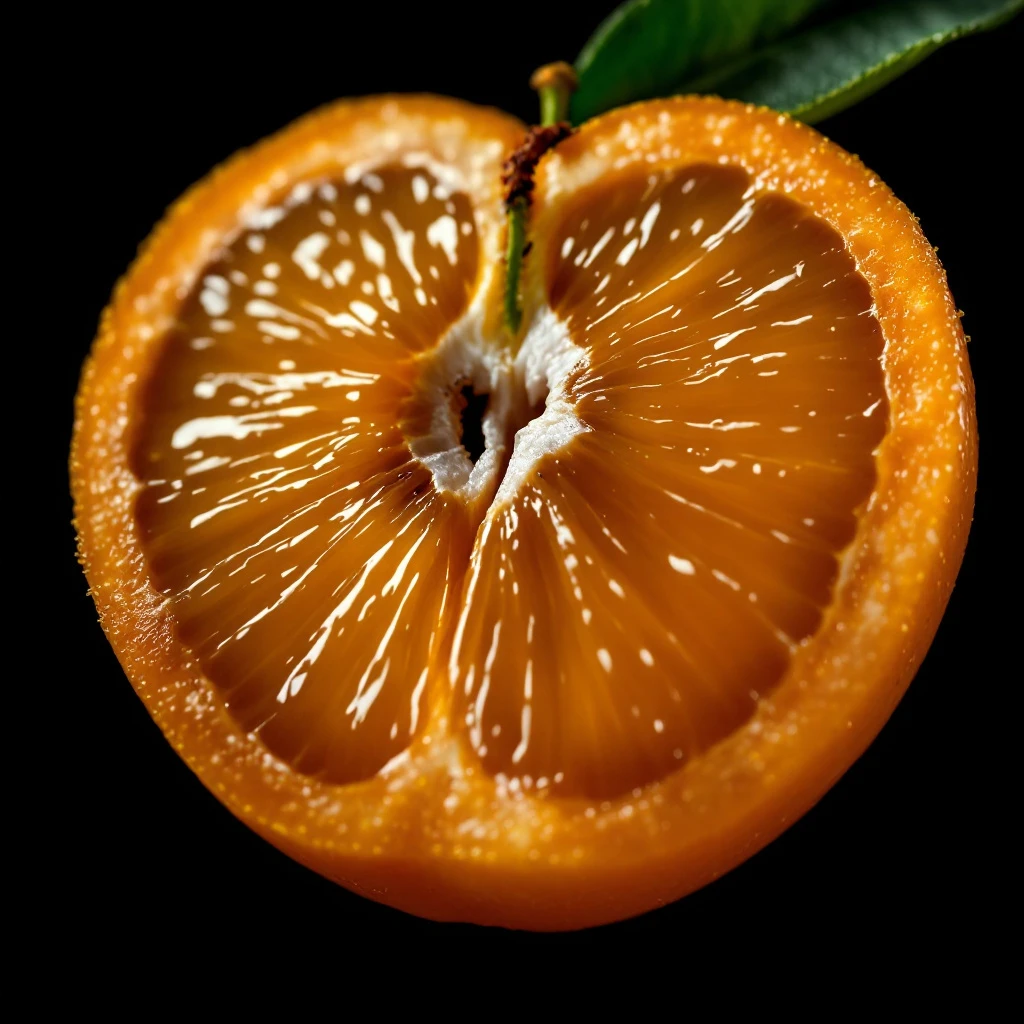
Biting into summer
Nectarines are a genetic mutation of peaches, identical in every way except for that signature smooth skin, discovered growing wild over 2,000 years ago.
Origin
France
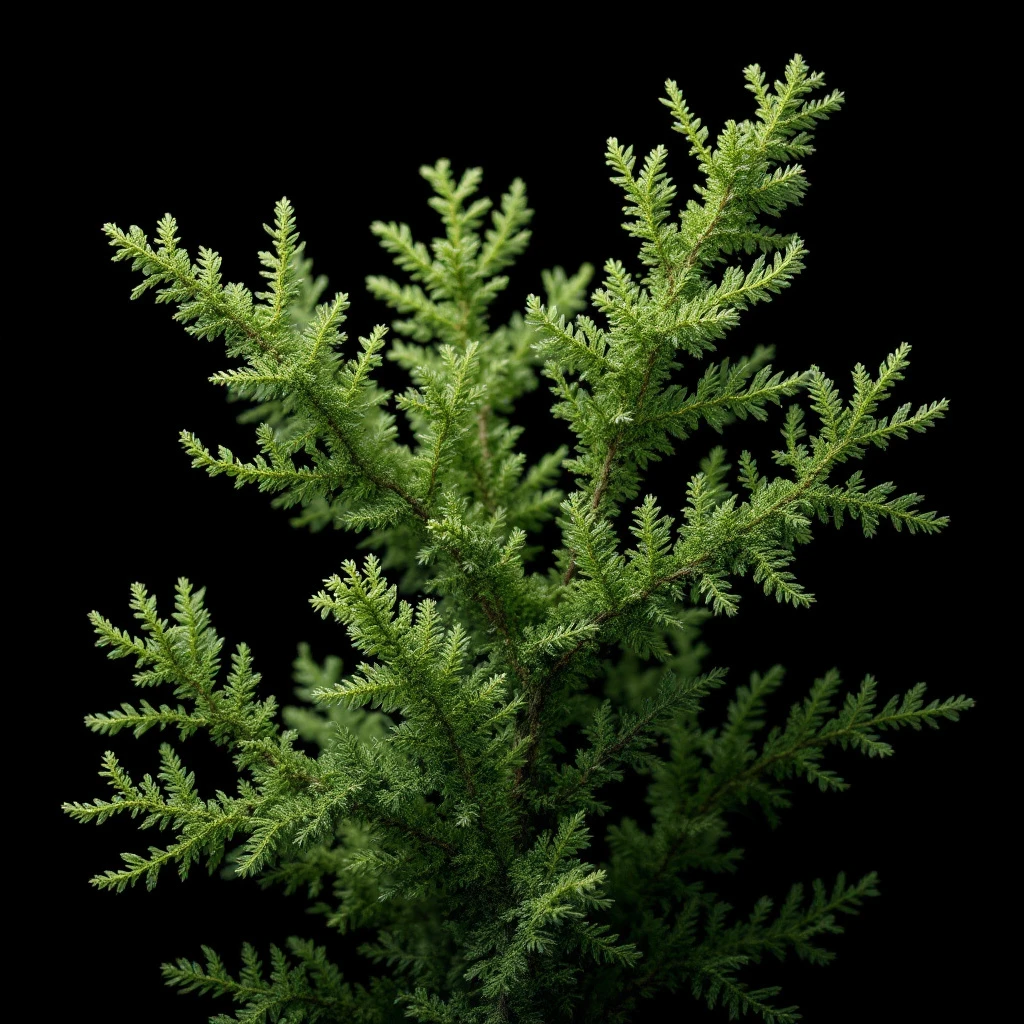
The nectarine has wandered the Mediterranean basin for millennia, with archaeological evidence suggesting cultivation in China as early as 4000 BCE. The Romans knew it as a smooth-skinned variant of the peach, and by the Middle Ages it had spread throughout Provence, where the hot, dry climate and mineral-rich soils produced exceptionally aromatic fruit.
While Grasse earned its perfumery reputation through flower cultivation in the 16th century, the surrounding orchards contributed fruit bases and fixatives to early compositions. Nectarine as a distinct perfumery accord emerged much later, gaining traction in the 1990s as aromatic chemistry advanced enough to capture stone fruit character without turning syrupy.
The name 'nectarine' itself derives from 'nectar,' the drink of the gods, reflecting the fruit's concentrated sweetness. Today, Provençal orchards still grow heritage varieties prized for their intensely perfumed flesh, though commercial extraction remains economically challenging.
Wears it best
Fragrances featuring Provençal Nectarine
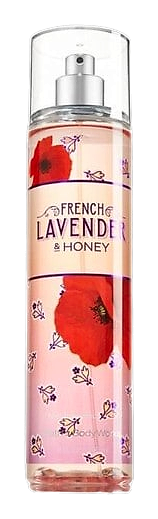
Brands
Brands known for Provençal Nectarine
Good to know
Questions, answered
The essentials on Provençal Nectarine in perfumery: how it smells, where it comes from, and how it behaves on skin.
What does Provençal nectarine smell like in perfume?
Provençal nectarine smells like biting into ripe stone fruit: sweet, honeyed, and slightly tart with a fuzzy-peach undertone. It is brighter and more green than typical peach accords, with a fresh orchard quality that evaporates quickly on skin.
Is nectarine a natural or synthetic fragrance note?
Mostly synthetic. True nectarine essence is rarely produced commercially because the fruit's volatile esters degrade rapidly after harvest. Most perfumers reconstruct the scent using aroma molecules like gamma-decalactone and ethyl-2-methylbutyrate.
What perfumes feature nectarine as a prominent note?
Nectarine gained prominence in the late 1990s and 2000s, appearing in several fruit-forward fragrances as a top-note accent. It works particularly well in compositions designed around Mediterranean and Provençal themes.
How is nectarine fragrance oil produced?
When natural extraction is attempted, solvent or CO2 methods capture the fruit's delicate esters without heat damage. Steam distillation fails here because temperatures above 80°C destroy the volatile compounds responsible for the fresh fruit character.
What is the difference between peach and nectarine in perfumery?
Nectarines read as sharper, greener, and more acidic than peach. The smooth-skinned fruit contains different ester concentrations, producing a crisper top note versus peach's softer, more lactonic sweetness.
Where do Provençal nectarines originate?
Provençal nectarines originate in southeastern France, particularly around the orchards near Grasse and the wider Provence-Alpes-Côte d'Azur region. The Mediterranean climate produces fruit with exceptionally high sugar content and aromatic intensity.
Does nectarine fragrance last long on skin?
Nectarine is a notoriously fleeting top note, typically lasting 15 to 30 minutes before fading. Perfumers anchor it with woody bases, musks, or heavier fruit lactones to slow evaporation and extend the composition's fruit phase.
Can nectarine be grown for perfumery extraction?
In theory yes, but commercial extraction faces economic obstacles. The fruit's low oil yield and rapid post-harvest degradation make natural nectarine essence cost-prohibitive for most fragrance applications.