Primrose
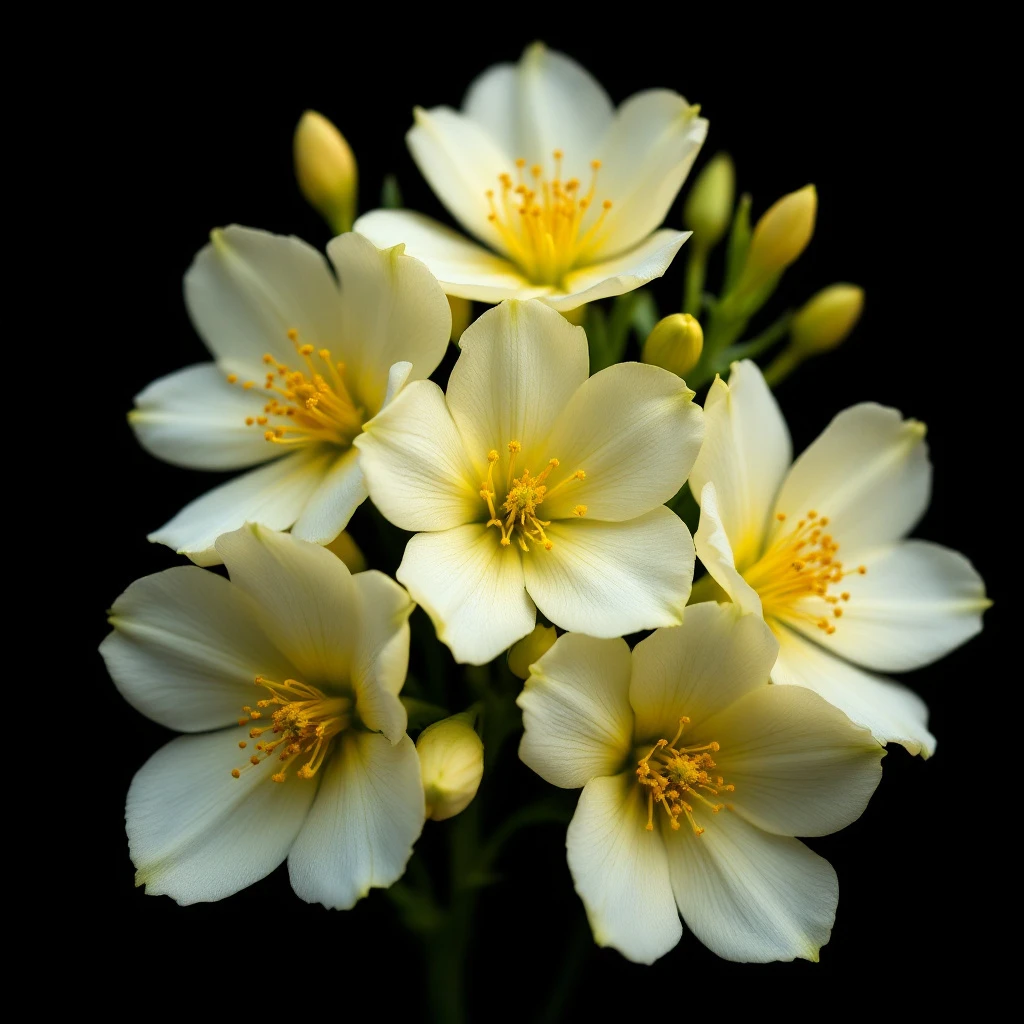
Primrose brings a delicate, ephemeral freshness to fragrance compositions. Its subtle honeyed-floral character captures the essence of early spring gardens, offering a green-tinged floral note rarely found in mainstream perfumery.
Character
How it smells
The quiet elegance of early spring
Primrose blooms naturally in late winter to early spring, making it one of the first flowers to appear after dormancy in its native European habitats.






Origin
United Kingdom
Primrose has held symbolic significance in European folklore for centuries, often associated with themes of protection, youth, and early renewal. In Victorian flower language, primrose conveyed the message of young love and devotion. While perfumers have occasionally incorporated primrose into their compositions, particularly during the Victorian era's fascination with botanical authenticity, it never achieved the prominence of roses or jasmines.
The flower's subtle fragrance and modest yield made it a niche ingredient, reserved primarily for specialty botanical fragrances. Today, primrose appears mainly in artisanal and niche perfumery, where its understated character appeals to those seeking unconventional floral notes.
Wears it best
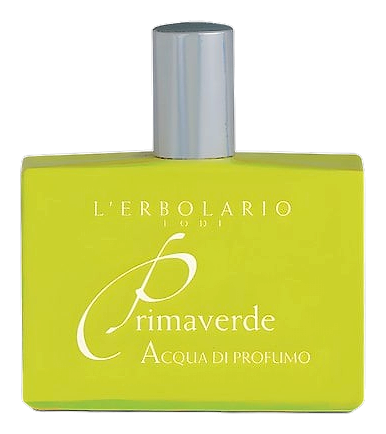
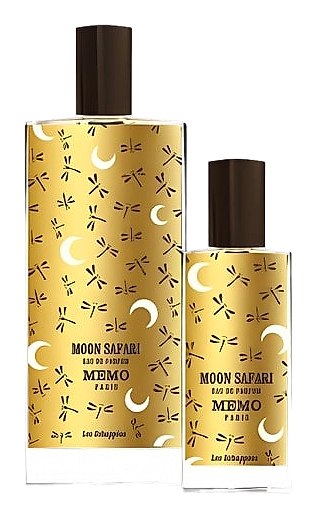
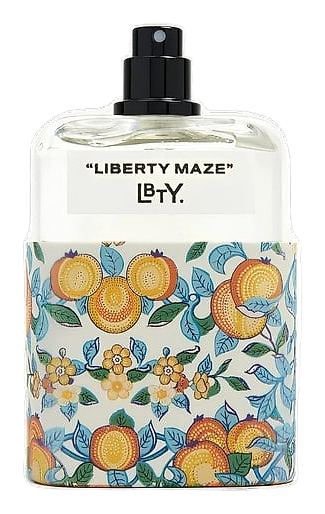
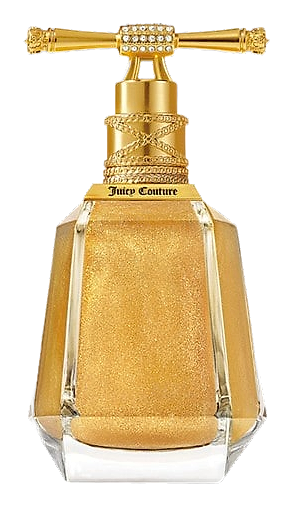
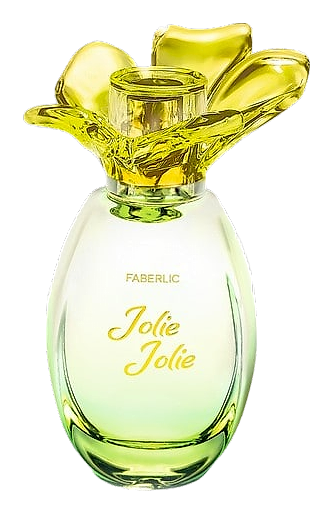
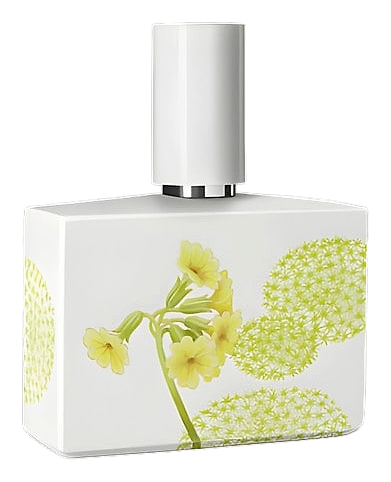
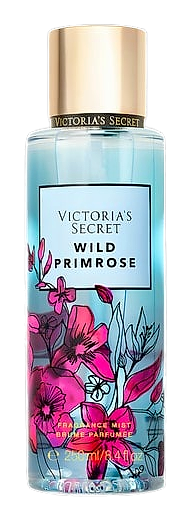
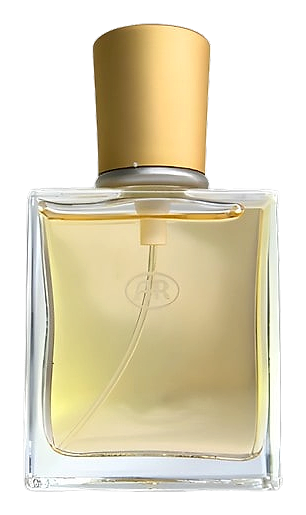
Fragrances featuring Primrose
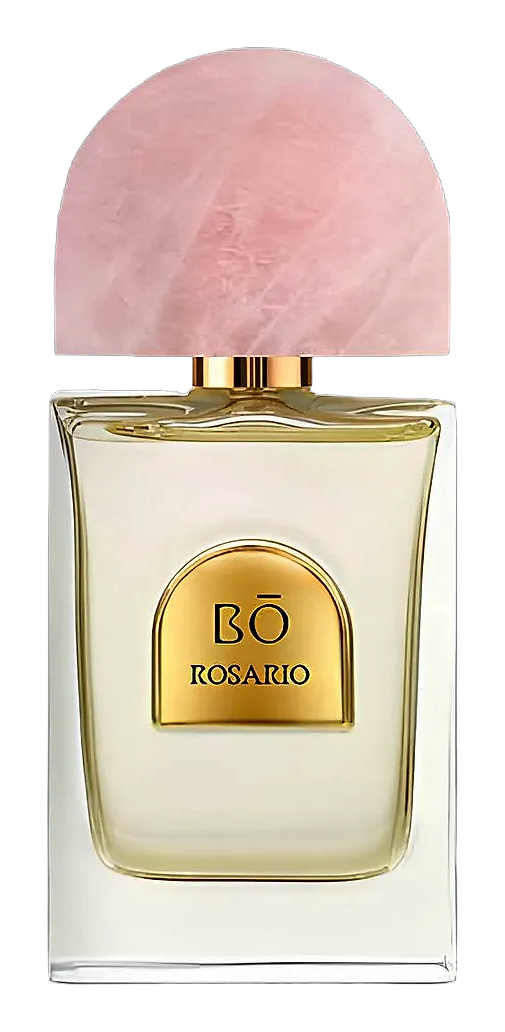
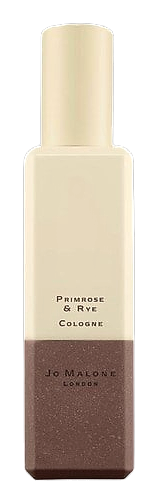
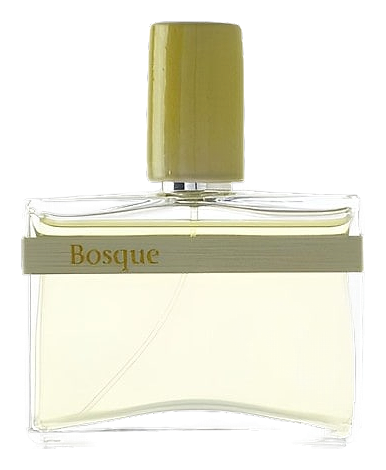
Brands
Brands known for Primrose
Good to know
Questions, answered
The essentials on Primrose in perfumery: how it smells, where it comes from, and how it behaves on skin.
What does primrose smell like?
Primrose offers a delicate, fresh floral scent with green undertones reminiscent of newly cut stems. The fragrance combines soft honey notes with subtle citrus and sweet pea characteristics. Its whisper-light profile makes it a subtle top note rather than a dominant fragrance component.
Is primrose commonly used in perfumery?
Primrose remains relatively rare in mainstream perfumery, primarily due to the low yield from extraction and the subtle nature of its fragrance. When used, it typically appears in niche botanical fragrances and spring-themed compositions seeking authentic floral complexity.
Is primrose natural or synthetic?
Primrose exists in both natural and synthetic forms. Natural primrose absolute comes from solvent extraction of fresh flowers. Synthetic alternatives replicate specific aromatic molecules found in primrose, such as phenylethyl alcohol derivatives, allowing perfumers to incorporate the note without the cost and scarcity of natural extraction.
What extraction method produces primrose absolute?
Solvent extraction yields primrose absolute from fresh flower petals. This method suits delicate flowers whose aromatic compounds break down under high heat. The resulting absolute captures the complete olfactory profile that enfleurage once preserved but at greater scale.
What notes pair well with primrose in fragrance?
Primrose pairs naturally with soft florals like violet, lily of the valley, and hyacinth, along with green notes such as galbanum and fresh-cut grass. Gentle undertones of sweet pea, neroli, and light musks complement its spring-like character effectively.
Is primrose cultivation sustainable?
Primrose cultivation presents minimal ecological concerns given its widespread growth across Europe. Sustainable harvesting focuses on wild-crafted collection from non-protected areas. The delicate nature of the flower means extraction yields small amounts, making responsible sourcing important for maintaining availability.
How does primrose differ from other floral notes?
Primrose differs from richer florals like rose or jasmine through its restrained, green-floral character with honeyed undertones rather than bold intensity. The fragrance evokes early spring gardens and ephemeral freshness, making it better suited as a supporting note than a centerpiece in fragrance composition.
When was primrose first used in perfumery?
Primrose first appeared in perfumery during the Victorian era when natural botanical ingredients gained popularity in fragrance creation. However, it remained a minor component due to extraction difficulties and limited fragrance yield. Its use has expanded somewhat in contemporary niche perfumery as interest in botanical authenticity grows.



