The Story
Why it exists.
The beginning
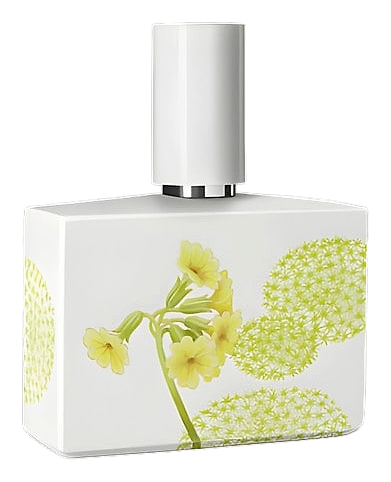
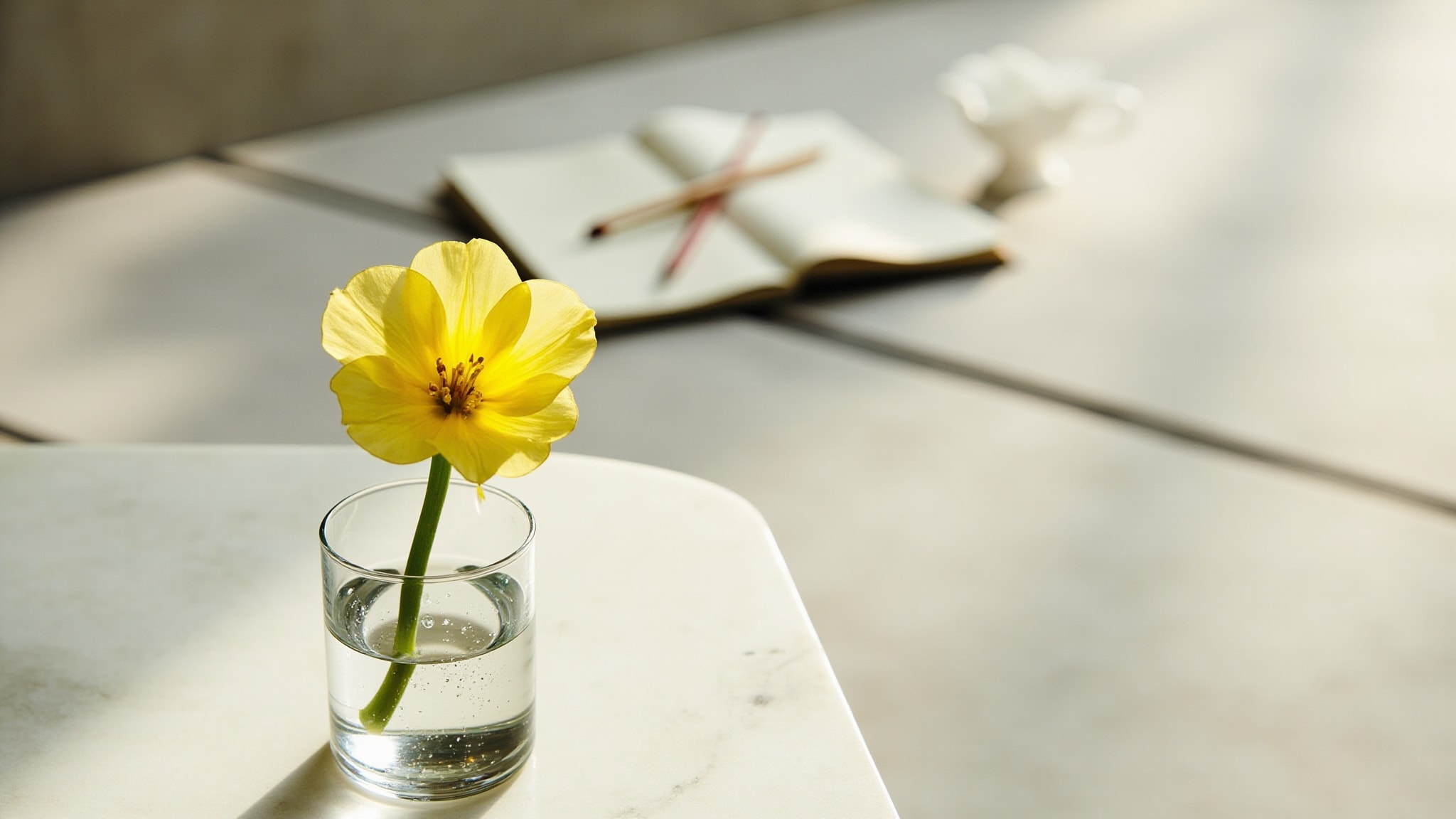
The 2011 Porcelain Edition arrived as part of an autumn release that included four fragrances in handcrafted Thuringian porcelain bottles designed by Dutch artist Wouter Dolk. Each scent received its own floral motif painted by hand, connecting the olfactory identity to a specific bloom. For Bosque, that flower was primrose. The hand-painted petals catch light differently throughout the day, lending the bottle an ever-changing quality that mirrors how the fragrance itself evolves on the skin. The porcelain vessel, shaped to fit the palm rather than merely to stand on a shelf, invites touch as much as admiration.
What makes this composition structurally interesting is its refusal to resolve into something obvious. The primrose and narcissus provide a powdery floral heart that could easily tip into something sentimental, but the saffron keeps arriving like a check, a metallic sharpness that interrupts the softness before it gets decorative. Vetiver and musk anchor the drydown into something mineral and warm rather than sweet. Buffalo grass, sourced for its green, slightly bitter quality, threads through the middle like a reminder that this all started outdoors. The result is a fragrance that behaves like its flower: something that opens early, stays modest, and quietly earns your affection over the season.
The evolution
It starts clean. Grapefruit and grass, the kind of green that arrives before the florals take over. Saffron is the first surprise, not sweet, not warm, but sharp and almost medicinal for the first twenty minutes. Then primrose steps in. Soft, yellow, powdery. The Narcissus adds a translucent quality, like light through pressed petals. The drydown is where patience pays off. Vetiver arrives earthy and mineral, the musk settling warm and close to the skin, a quiet woody warmth that doesn't project so much as linger. On fabric, it holds into the next day, a ghost of something floral and green that sneaks up on you in the morning wash.
Cultural impact
Bosque went the other direction. Intimate, powdery, content to stay close. The 130 individually numbered bottles became collectible for the coherence of the concept: a fragrance about contentment, housed in an object made to be held rather than displayed. The soft sillage invites proximity without demanding attention, a quality that appeals to those who prefer their fragrance to remain a personal discovery rather than a public announcement. Each bottle, with its hand-painted primrose motif, represents a quiet commitment to craft over spectacle.