    Brand Profile

    Humiecki & Graef is a niche fragrance house that emerged from the collaboration of two German product designers, Sebastian Fischenich and To…More

    Germany·Est. 2008

    4.1

    Rating

    15
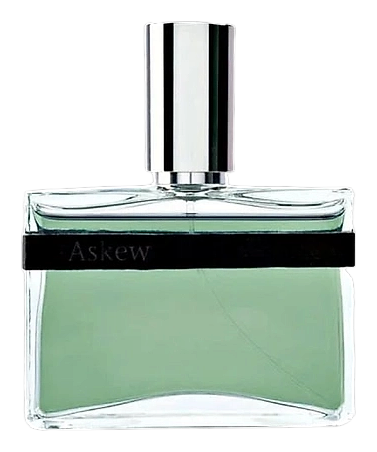
    Askew by Humiecki & Graef
    4.1

    Askew

    Abime by Humiecki & Graef
    Best Seller
    4.8

    Abime

    Nouveau-ne by Humiecki & Graef
    Best Seller
    4.2

    Nouveau-ne

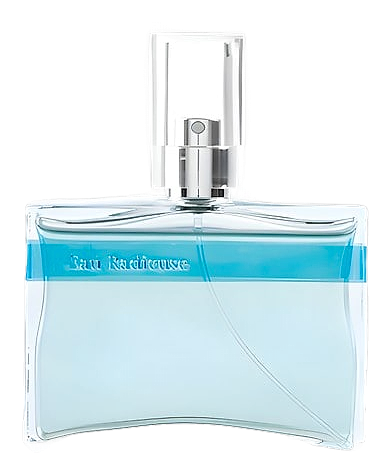
    Eau Radieuse by Humiecki & Graef
    Best Seller
    4.2

    Eau Radieuse

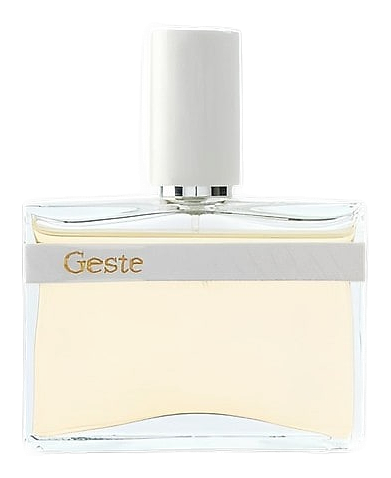
    Geste by Humiecki & Graef
    4.1

    Geste

    Clemency Limited Porcelain Edition by Humiecki & Graef
    4.0

    Clemency Limited Porcelain Edition

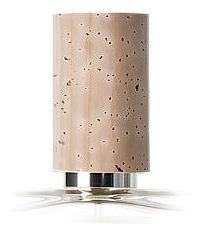
    Bosque Limited Porcelain Edition by Humiecki & Graef
    4.0

    Bosque Limited Porcelain Edition

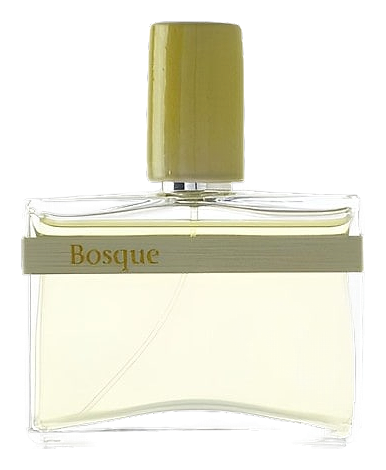
    Bosque by Humiecki & Graef
    4.0

    Bosque

    Blask by Humiecki & Graef
    3.9

    Blask

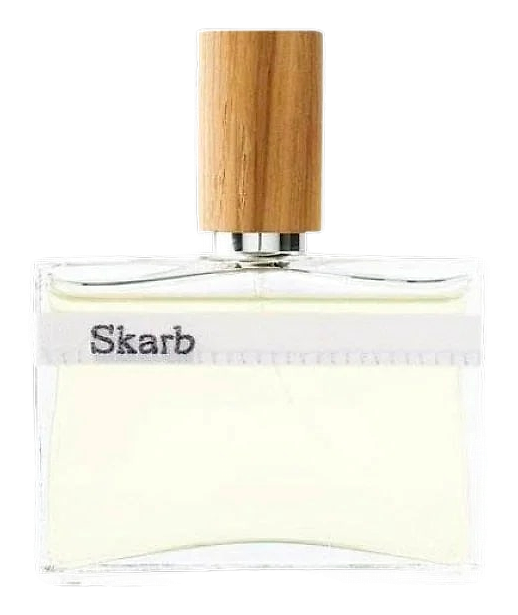
    Skarb by Humiecki & Graef
    3.8

    Skarb

    Geste Limited Porcelain Edition by Humiecki & Graef
    3.8

    Geste Limited Porcelain Edition

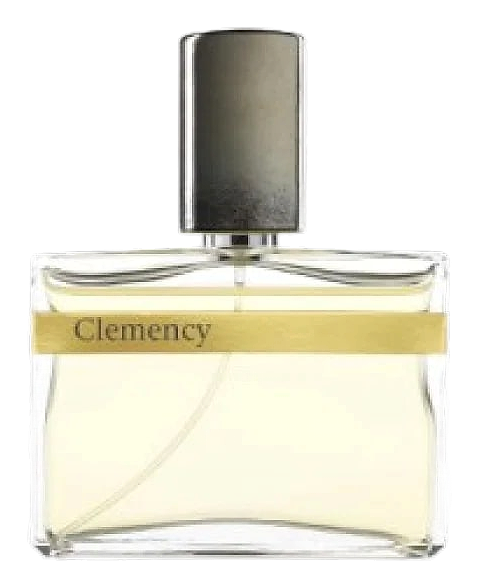
    Clemency by Humiecki & Graef
    3.7

    Clemency

    1 of 2

    The Heritage

    The Story of Humiecki & Graef

    Humiecki & Graef is a niche fragrance house that emerged from the collaboration of two German product designers, Sebastian Fischenich and Tobias Muksch. Launched in 2008, the label pairs minimalist design thinking with a curated palette of modern ingredients. Its early releases, such as Askew (2009) and Eau Radieuse (2009), quickly attracted collectors who appreciate a clear, structural approach to scent. The brand continues to expand its catalogue with limited‑edition porcelain bottles and seasonal releases, positioning itself as a laboratory for contemporary olfactory ideas.

    Heritage

    The story of Humiecki & Graef begins with two designers who shared a background in industrial design rather than traditional perfumery. Sebastian Fischenich and Tobias Muksch met while working on product projects in Germany and discovered a mutual fascination with the chemistry of fragrance. In 2008 they founded the house, choosing a name that honors their grandmothers—Helena Humiecka and Katarina Graef—signalling a personal lineage that runs alongside their professional partnership. Early on they enlisted the creative duo known as Les Christophs, composed of independent perfumers Christoph Hornetz and a second collaborator, to translate their design briefs into scent. Their first public offering, Askew (2009), presented a crisp, linear composition that reflected the designers’ interest in architectural balance. The same year brought Eau Radieuse, a brighter, more luminous piece that reinforced the house’s commitment to clarity over opulence. In 2010 the brand released Bosque, a woody exploration that hinted at a growing confidence in handling complex material. The following year saw the introduction of limited porcelain editions—Clemency and Bosque—each housed in hand‑crafted vessels that underscored the label’s dedication to tactile experience. By 2014 the portfolio had expanded to include Abime and Nouveau‑ne, both of which demonstrated an evolving palette that still respected the original design‑first ethos. Throughout its first decade, Humiecki & Graef has remained a small‑scale operation, preferring collaborative creation and limited production runs over mass distribution, a strategy that has cultivated a devoted niche audience.

    Craftsmanship

    Production at Humiecki & Graef follows a disciplined workflow that mirrors industrial design cycles. After a design brief is approved, the chosen perfumer creates several trial blends, each of which is evaluated for balance, longevity, and how it interacts with the intended packaging. The house favors small‑batch distillation, allowing precise control over temperature and timing, which is essential for preserving the nuance of delicate ingredients such as Bulgarian rose or Japanese hinoki. Ingredient sourcing is documented through supplier certificates; for example, the cedar used in Bosque is reportedly harvested from sustainably managed forests in Japan, while the ambergris substitute in Abime comes from a certified lab in France. Once a formula is finalized, it is transferred to a partner facility in Germany that specializes in niche fragrance production. Quality control includes gas chromatography analysis to verify that each batch matches the reference profile. Bottles are often produced in collaboration with German glass workshops, and limited porcelain editions are hand‑blown by artisans in a small studio near Berlin. The final product undergoes a visual inspection for consistency in color, clarity, and label alignment before being sealed and dispatched. This meticulous approach ensures that each scent delivers the exact spatial impression envisioned by the designers.

    Design Language

    Visually, Humiecki & Graef embraces a restrained, modern aesthetic that mirrors its design roots. Bottles typically feature clean lines, matte finishes, and subtle embossing that hints at the fragrance’s character without overwhelming the eye. The limited porcelain editions stand out for their handcrafted texture, each piece bearing slight variations that celebrate the hand‑made process. Typography on the labels is sans‑serif, often rendered in a muted grayscale palette that allows the scent name to sit quietly beside the brand logo. The overall brand image is cultivated through understated photography that places the bottle in architectural settings—concrete walls, steel frames, or natural stone—reinforcing the idea that fragrance can occupy space as deliberately as a piece of furniture. Marketing materials avoid flamboyant language, instead opting for concise copy that describes the olfactory structure in terms of notes, accords, and the intended emotional resonance. This visual restraint has earned the house recognition in design circles, where its packaging has been featured in exhibitions on contemporary product design.

    Philosophy

    Humiecki & Graef treats fragrance as a design problem rather than a purely aromatic one. The founders articulate a belief that scent should be approached with the same rigor as product development: a clear brief, material research, and iterative testing. Their creative vision emphasizes structural clarity, spatial awareness, and the relationship between scent and its container. The brand values transparency in sourcing, often selecting ingredients that can be traced to specific farms or laboratories, and it avoids unnecessary synthetics when a natural counterpart can achieve the same effect. Collaboration sits at the heart of the process; the designers work closely with perfumers, glassmakers, and ceramic artists to ensure that every element—from the top note to the bottle cap—contributes to a cohesive experience. Sustainability is a recurring theme, with the house reporting that it prefers recyclable packaging and seeks out suppliers who practice responsible harvesting. This pragmatic, design‑oriented philosophy distinguishes Humiecki & Graef from houses that rely on heritage storytelling, positioning the label as a laboratory where form and fragrance intersect.

    Key Milestones

    2008

    Sebastian Fischenich and Tobias Muksch establish Humiecki & Graef in Germany.

    2009

    Launch of first fragrances Askew and Eau Radieuse, marking the brand’s entry into the niche market.

    2010

    Release of Bosque, the house’s first woody composition, expanding its olfactory range.

    2011

    Introduction of limited porcelain editions Clemency and Bosque, showcasing collaboration with ceramic artisans.

    2014

    Debut of Abime and Nouveau‑ne, reflecting a maturation of the brand’s material palette.

    2022

    Collaboration with Les Christophs for the seventh scent, reinforcing the house’s partnership model.

    At a Glance

    Brand profile snapshot

    Origin

    Germany

    Founded

    2008

    Heritage

    18

    Years active

    Collection

    1

    Fragrances released

    Avg Rating

    4.1

    Community sentiment

    Release Rhythm

    2014
    2
    2012
    1
    2011
    5
    2010
    1
    2009
    6

    Did You Know?

    Interesting Facts

    Distinctive details and defining moments that shape the house personality.

    01

    The brand name combines the surnames of the founders’ grandmothers, creating a personal tribute within the commercial identity.

    02

    Humiecki & Graef’s porcelain bottles are hand‑blown in a small studio, meaning each limited edition piece is slightly unique.

    03

    Founders approach fragrance creation with the same brief‑to‑prototype workflow used in product design, a rarity in the perfume industry.

    04

    The house’s early scent Askew was inspired by the angular geometry of modernist architecture, translating visual form into olfactory structure.

    The Artisans

    The Perfumers