The Story
Why it exists.
The beginning
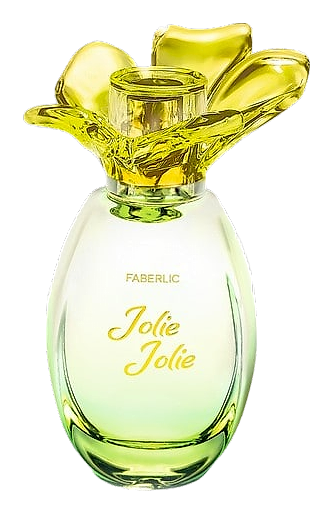
Thomas Fontaine designed Jolie Jolie with one goal: wearable, everyday intimacy. Launched in 2021, the name itself is the concept, pretty, yes, but not performative. No grand gestures, no statement opening. Just the honest appeal of something soft and present. Fontaine worked within Faberlic's philosophy of accessible beauty, science-backed, quality-focused, made for real routines rather than special occasions. Jolie Jolie was born from that ethos. A fragrance for the mornings that matter, the days that blur together, the woman who wants to smell good without making it a project.
The choice of water lily as a heart note is where Jolie Jolie earns its name. It's not the expected move, peony alone would have done the work, safer and more familiar. But water lily brings something else: a translucent, almost aquatic quality that keeps the florals from getting heavy. Paired with primrose and nectarine, the heart becomes a study in softness that breathes. The sandalwood and white musk base keeps everything grounded without ever tipping into warmth. This is a fragrance that knows what it is, and refuses to be more than that.
The evolution
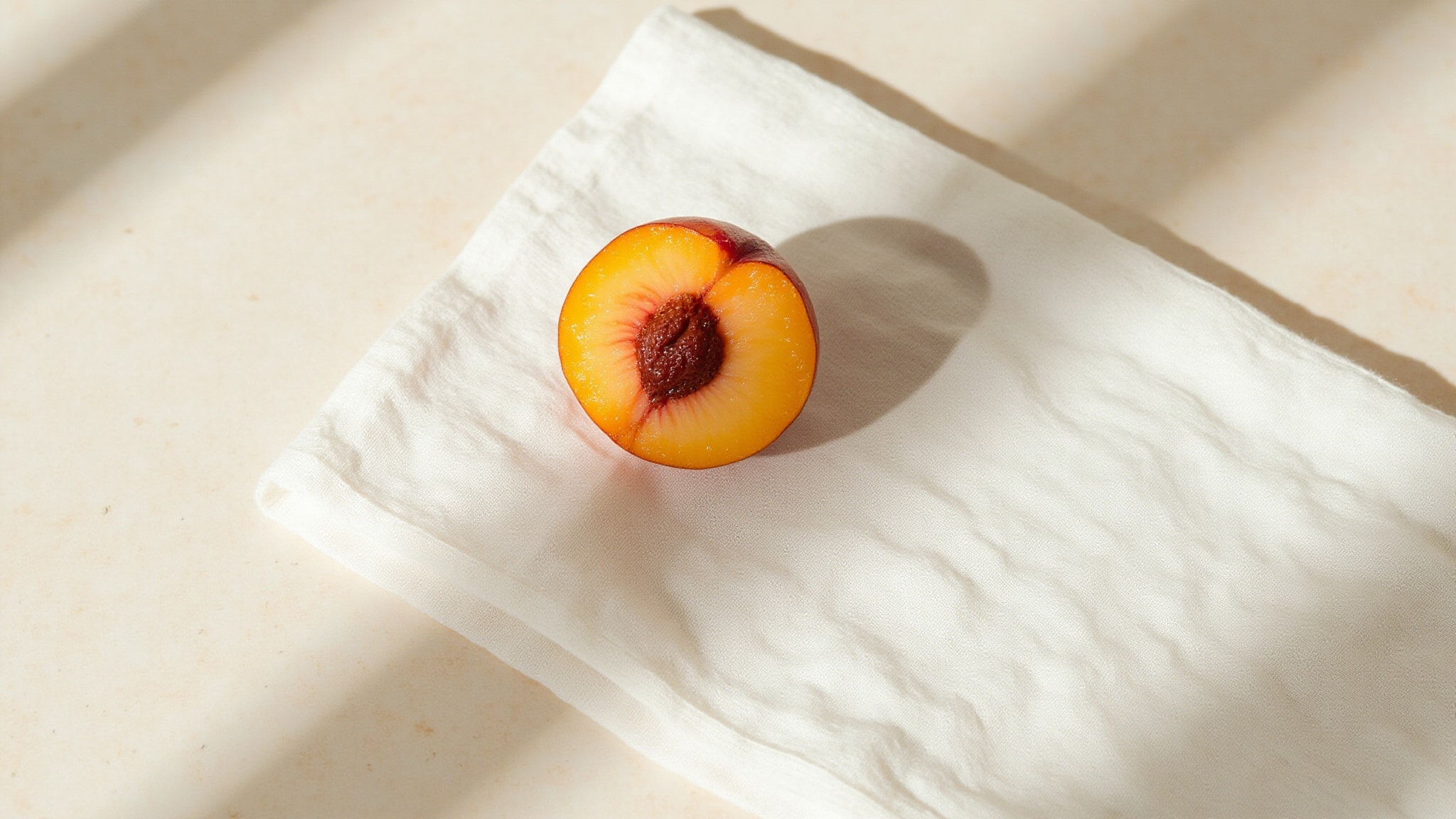
The opening arrives crisp. Green mandarin and pear, clean, bright, immediate. The kind of start that says morning without trying. Within the first hour, the heart takes over: peach and peony bloom forward while water lily keeps things translucent, primrose adding a quiet powdery whisper beneath. It's intimate almost immediately. Not a projection fragrance, this one wears close. By hour three, the florals begin to soften, sandalwood settling in alongside white musk. The drydown is skin-like, clean, warm in the way clean skin can be warm. It lingers for a workday on most skin types, fading quietly rather than announcing its departure.
Cultural impact
Jolie Jolie arrived in 2021 as part of Faberlic's push into the modern mass-market fragrance space, joining a wave of accessible fresh-florals designed for everyday wear rather than special occasions. The fragrance reflects a broader trend toward lightweight, skin-close compositions that prioritize versatility over sillage dominance. While not a cultural milestone, it represents the democratization of fragrance design, where quality materials and thoughtful construction reach consumers outside luxury price brackets. Its pear and green mandarin opening captures the contemporary preference for fruity-fresh entries, a departure from the heavy oriental or chypre structures that dominated earlier decades.