Pomelo Blossom
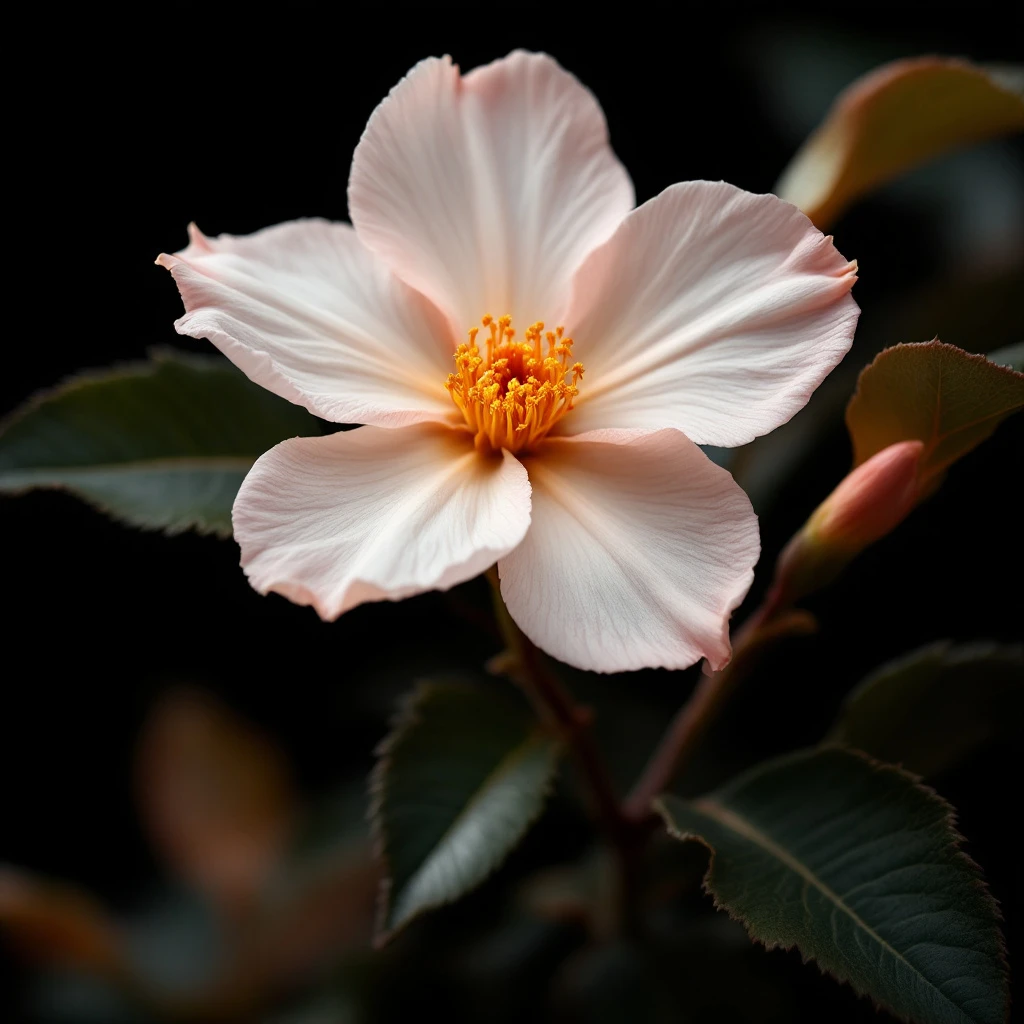
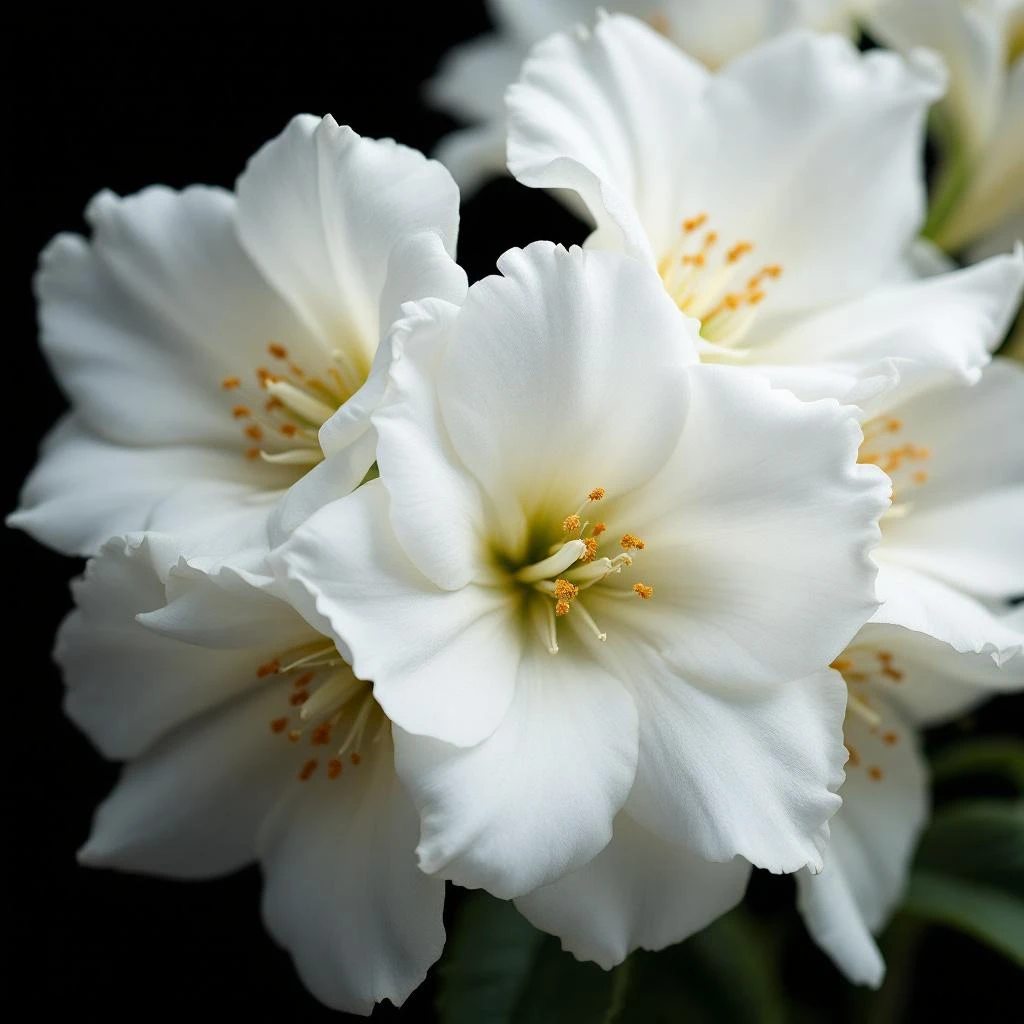
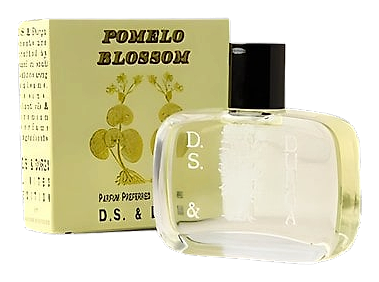
Pomelo blossom captures the fleeting scent of Citrus maxima flowers before they yield the world's biggest citrus fruit. The absolute delivers a neroli-adjacent brightness with a softer, fruitier edge.
Character
How it smells
A rare citrus flower whispering where neroli shouts.
Pomelo flower absolute is so uncommon that most commercial harvests come from a single region: Chiang Dao in northern Thailand.



Origin
Thailand
Pomelo, Citrus maxima, is widely considered the largest of all citrus fruits, native to Southeast Asia and cultivated for thousands of years across Malaysia, southern China, and Thailand. Historical records trace its presence in Chinese gardens as far back as 100 BCE, where it was prized as a status fruit and used in traditional medicine rather than perfumery.
The flowers themselves appeared in folk traditions across the region, occasionally infused into waters and ceremonial offerings, yet they remained absent from Western perfumery for centuries. That changed only recently as niche houses began seeking alternatives to neroli amid declining neroli yields in Tunisia and Egypt.
Northern Thailand's Chiang Dao district emerged as the first notable source for pomelo flower absolute in the 21st century, when growers recognized the commercial potential of flowers previously considered an agricultural byproduct. Today, the ingredient signals a shift in citrus-floral perfumery, opening a new chapter distinct from the 19th-century French orange blossom tradition.
Wears it best
Fragrances featuring Pomelo Blossom
Brands
Brands known for Pomelo Blossom
Good to know
Questions, answered
The essentials on Pomelo Blossom in perfumery: how it smells, where it comes from, and how it behaves on skin.
What does pomelo blossom smell like?
Pomelo blossom carries a neroli-like brightness with a softer, fruitier sweetness. The absolute leans green and citrusy, with subtle indolic warmth that distinguishes it from traditional orange flower. It smells closer to the fruit's skin than its flesh.
How is pomelo blossom absolute produced?
Producers harvest the fresh flowers by hand, then use solvent extraction to create a concrete, which is further processed into an absolute. The method captures the flower's fuller range of aroma compounds compared to steam distillation.
Is pomelo blossom the same as neroli?
No. Neroli comes from bitter orange blossoms, Citrus aurantium, while pomelo blossom absolute comes from Citrus maxima. They share a citrus-floral family resemblance but differ in sweetness, indolic depth, and overall weight.
Where is pomelo blossom grown for perfumery?
Most perfumery-grade pomelo flowers originate in Chiang Dao, northern Thailand, an area known for extensive pomelo cultivation. Production remains small-scale and largely limited to Southeast Asia.
Why is pomelo blossom rare in perfumes?
Commercial extraction is limited because each tree yields few flowers, harvesting is labor-intensive, and demand has only recently grown. Most pomelo crops are cultivated for fruit, not floral material.
Can pomelo blossom replace orange blossom in a fragrance?
It can serve as a substitute in citrus-floral compositions, though the two differ noticeably. Pomelo blossom tends to be fruitier and less indolic, making it a softer alternative rather than an exact match.
What extraction method best suits pomelo flowers?
Solvent extraction is preferred because it preserves the heavier, waxy facets that steam distillation loses. Steam distillation captures only the top-note brightness, sacrificing the absolute's fuller profile.
Is pomelo blossom a sustainable perfumery ingredient?
It holds reasonable sustainability potential, since pomelo trees already produce fruit commercially, and flower harvesting can supplement grower income. However, small supply volumes and manual harvesting keep it a niche material.




