Black Dahlia
A moody, complex floral accord that captures the velvet mystery of the dahlia. In perfumery, Black Dahlia is rarely a single extract—it is a carefully constructed experience, layered from nature's darkest floral materials and precision-crafted aromatics.
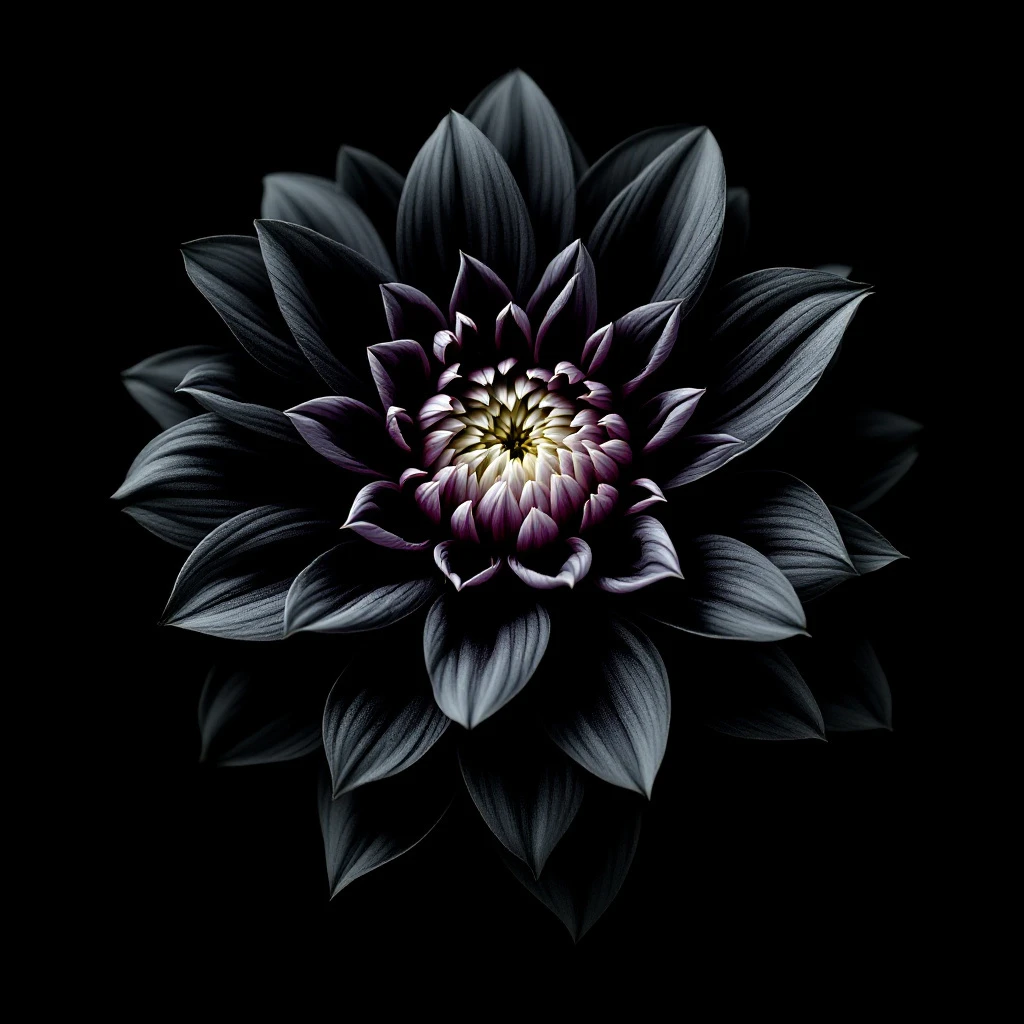
Character
How it smells
The flower that smells like a secret.
Dahlias were first cultivated by the Aztecs, who called them "acocotli" and used the tubers as a food source and medicine.




Origin
Mexico
The Black Dahlia name carries a weight that transcends botany. In 1947, Elizabeth Short, a 22-year-old aspiring actress, was found murdered in a Los Angeles vacant lot. The media dubbed her "The Black Dahlia"—a name that had no connection to the flower but became permanently entangled with it.
The flower itself, however, has a far older and more innocent history. Native to the highlands of Mexico, dahlias were cultivated by the Aztecs, who prized both their beauty and their edible tubers. Spanish conquistadors brought dahlia seeds to Europe in 1789, naming the flower after botanist Anders Dahl.
The "black" designation in horticulture refers not to true black but to the deepest burgundy and crimson varieties—flowers so dark they seem to absorb light. This darkness, both literal and metaphorical, has made Black Dahlia a powerful olfactory motif in modern perfumery, where it represents the beauty found in shadow.
Wears it best
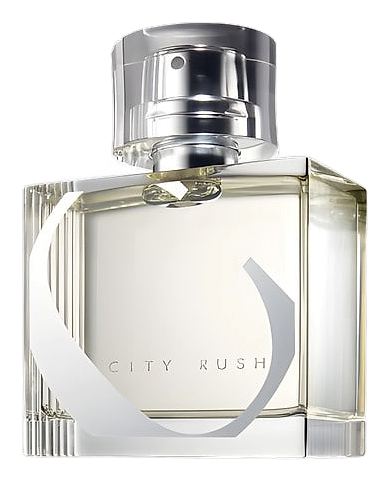
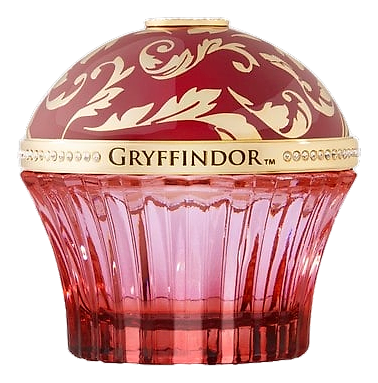
Fragrances featuring Black Dahlia
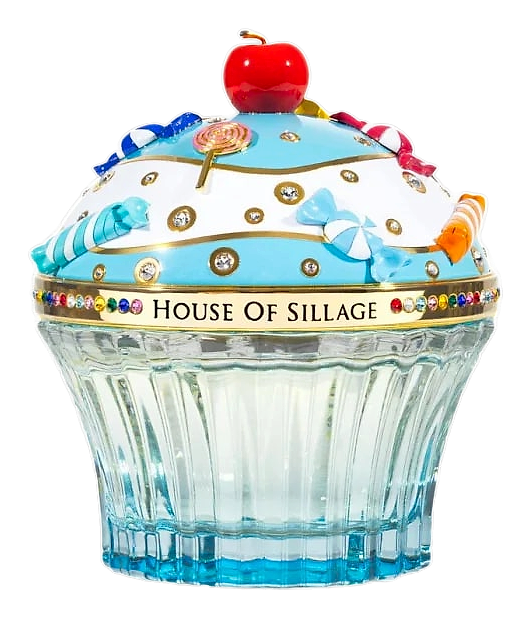
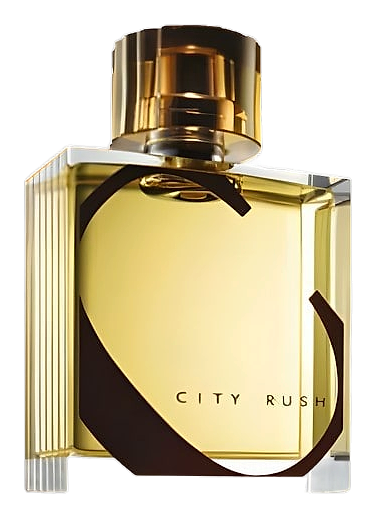
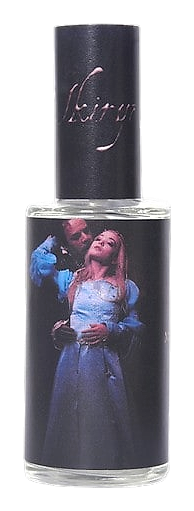
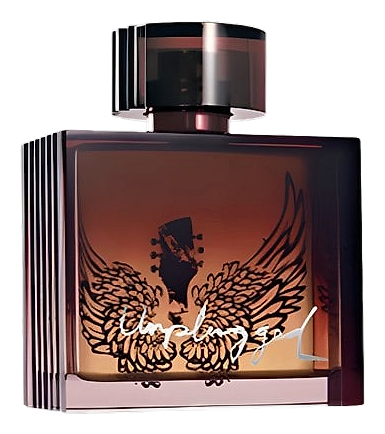
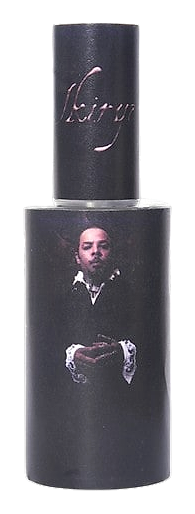
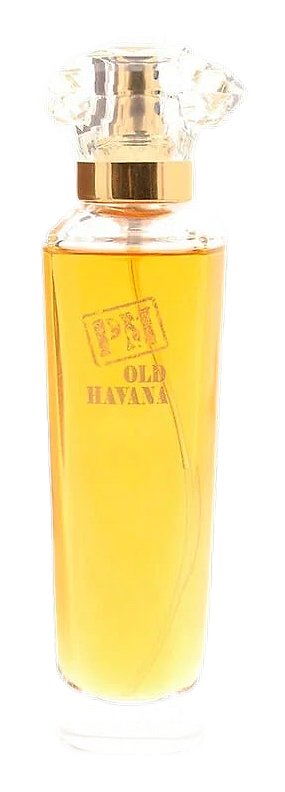

Brands
Brands known for Black Dahlia
Good to know
Questions, answered
The essentials on Black Dahlia in perfumery: how it smells, where it comes from, and how it behaves on skin.
Is Black Dahlia an actual flower extract?
No. True dahlia absolute is commercially unavailable in meaningful quantities. The note is an accord constructed from rose, plum, dark berries, green notes, and synthetic materials that together evoke the dahlia experience.
Why is dahlia so rare in perfumery?
Dahlias contain negligible aromatic oils—too little for practical extraction. Enfleurage can capture the scent, but yields are minimal and cost-prohibitive for most fragrance houses.
What does Black Dahlia smell like?
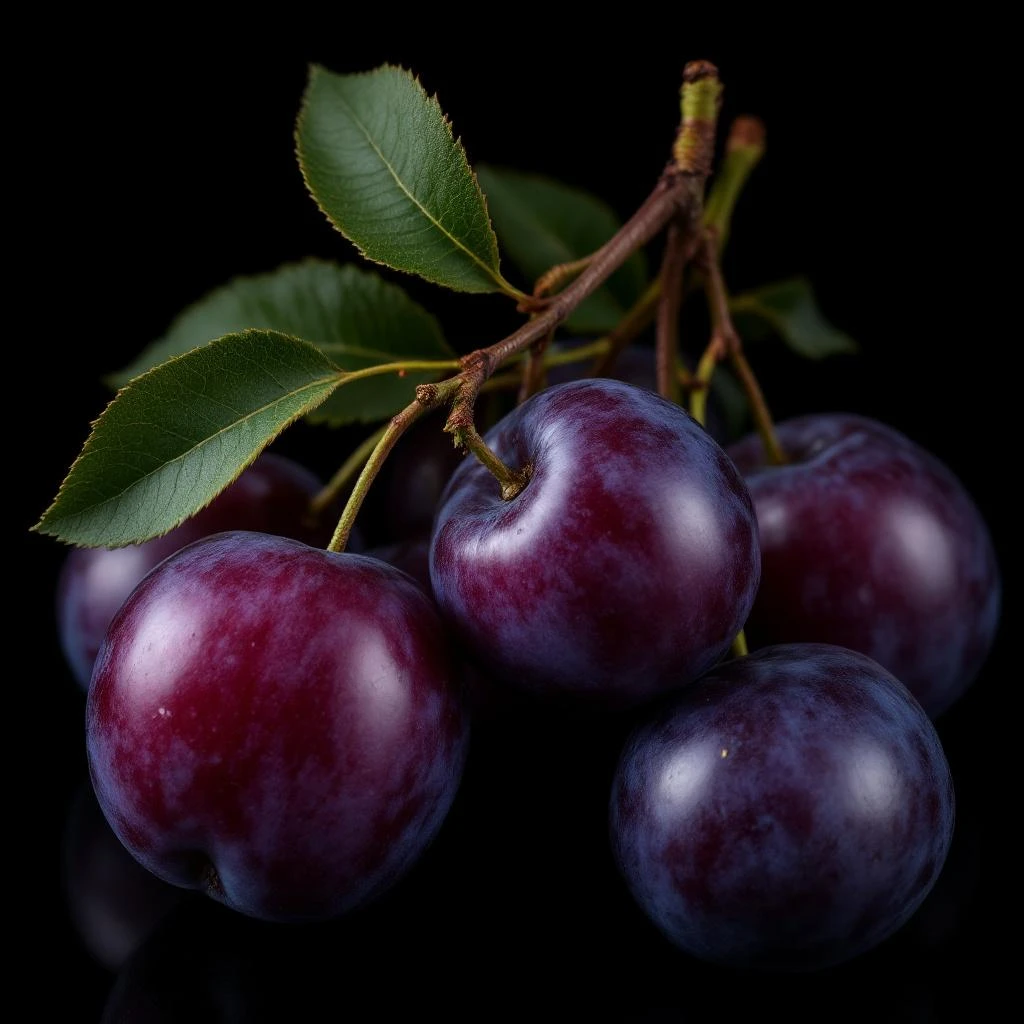
The accord typically features velvety deep rose, dark plum, blackcurrant depth, and a subtle green undertone reminiscent of fresh-cut stems. It reads as rich, mysterious, and slightly sweet.
How did the flower get its "Black Dahlia" name?
In 1947, Los Angeles media named murder victim Elizabeth Short "The Black Dahlia" for reasons never confirmed. The flower itself has no inherent connection to this dark association.
Where did dahlias originate?
Dahlias are native to the Mexican highlands. The Aztecs cultivated them for food and decoration before Spanish conquistadors brought seeds to Europe in the late 18th century.
Can real dahlia extracts be found in luxury perfumes?
Some niche houses occasionally use small amounts of dahlia enfleurage or headspace-captured materials, but these are exceptions. Most Black Dahlia notes rely on high-quality synthetics and natural materials blended to reconstruct the flower.
What flowers are commonly paired with Black Dahlia in fragrance?
Black Dahlia pairs naturally with other dark florals—black rose, oud, dark iris—as well as with plum, blackberry, and smoky notes that amplify its mysterious character.
Is Black Dahlia more synthetic or natural?
The note is predominantly synthetic or a hybrid accord. Perfumers use synthetic molecules to ensure batch-to-batch consistency while layering natural materials like rose absolute to add authenticity and depth.





