Pineappleweed
Pineappleweed (Matricaria discoidea) brings a bright, fruity pineapple aroma to natural perfumery. This wild chamomile relative crushes to release a sweet, tropical scent that bridges herbal and gourmand fragrance compositions.
Character
How it smells
Wild chamomile with a tropical twist
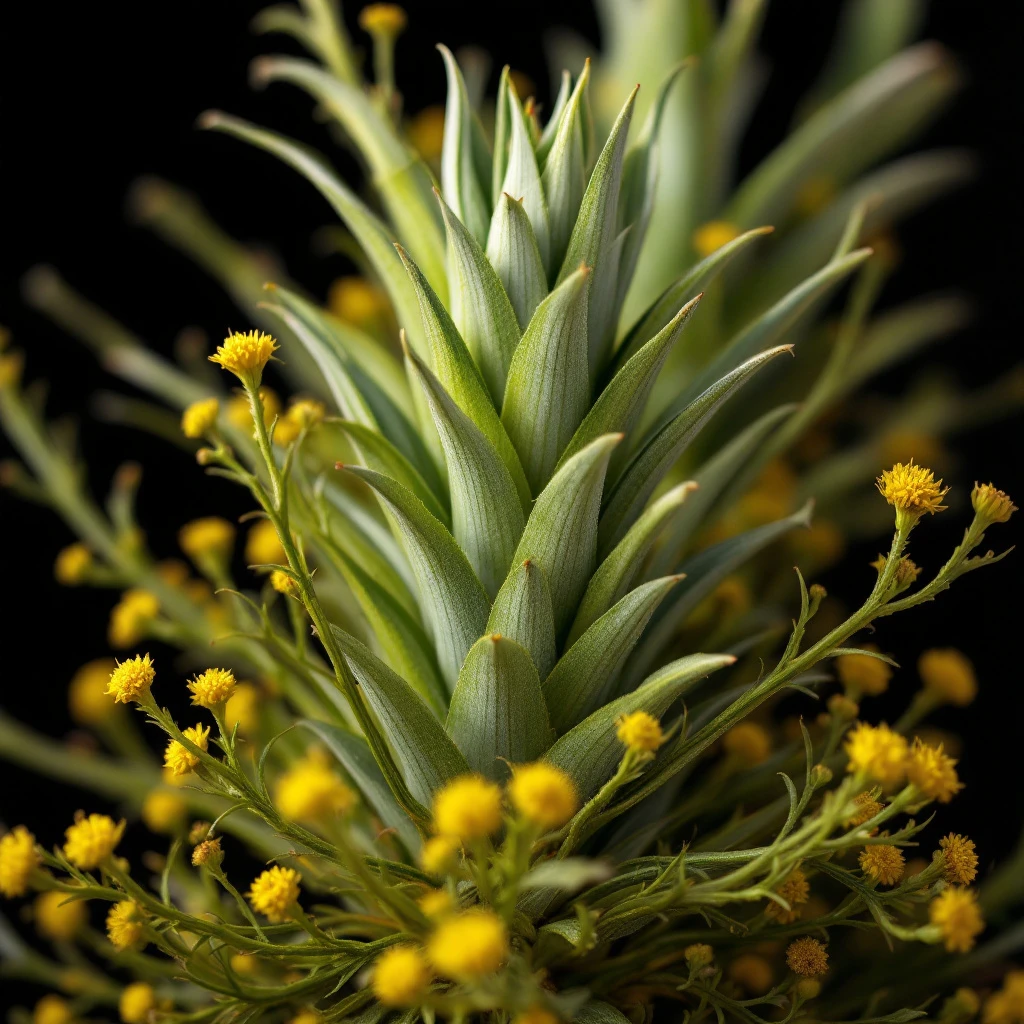
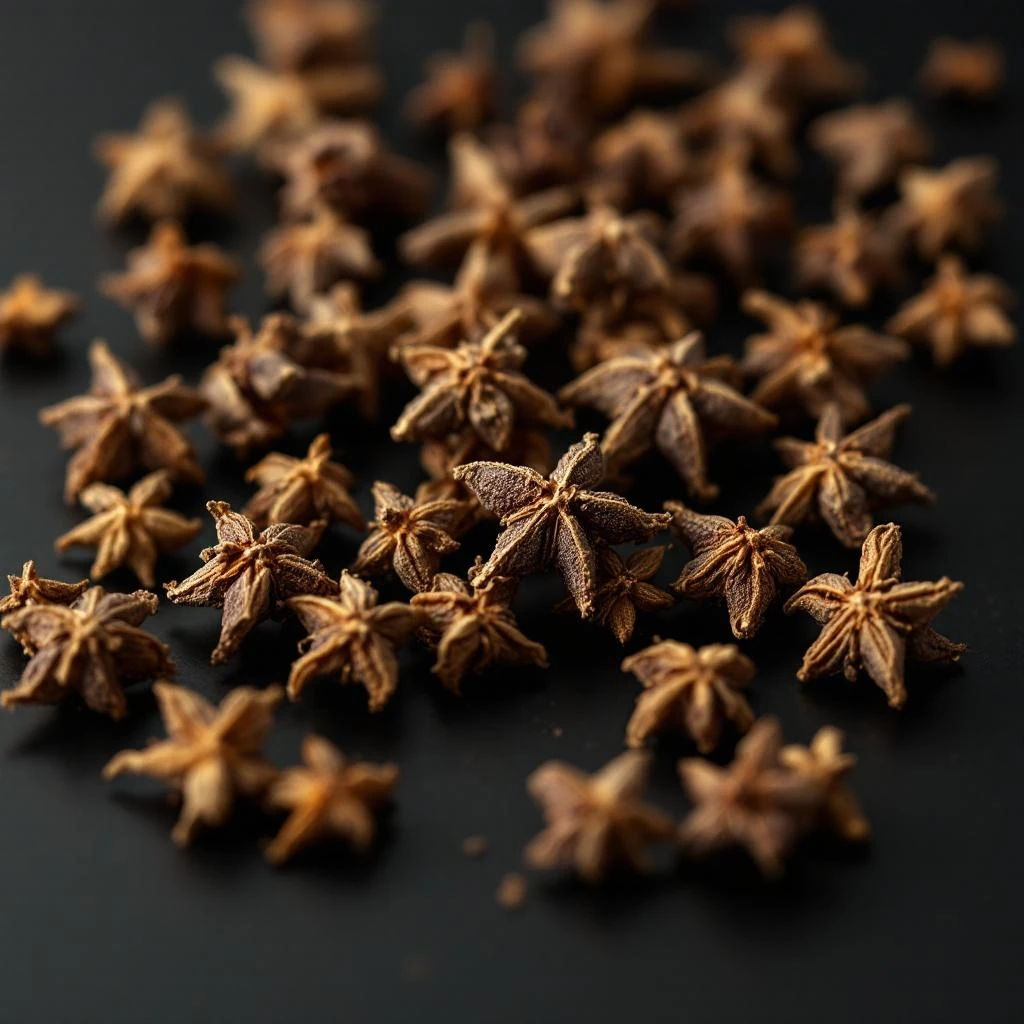
Pineappleweed is one of the few aromatic plants that lacks white petals entirely; its cone-shaped yellow-green flower heads carry all the fragrance, releasing a pineapple scent when bruised.





Origin
Northwestern North America
Pineappleweed, known scientifically as Matricaria discoidea, is believed to be native to northwestern North America and northeastern Asia. Long before botanical naming conventions existed, Indigenous nations across these regions recognized the plant's aromatic value.
Several Native American peoples used pineappleweed as a perfume, an insect repellent, and a preservative, and incorporated it into ceremonial practices including the Sun Dance and sweat lodge rituals. European settlers encountered the plant as they expanded westward and brought awareness of it back across the Atlantic.
The genus name Matricaria derives from the Latin matrix, meaning womb, reflecting the plant's traditional folk medicine association with women's reproductive health, a use shared with its chamomile relatives. While pineappleweed never achieved the commercial prominence of Roman or German chamomile in perfumery, its distinctive tropical fruit character has earned it a quiet following among natural perfumers and herbalists seeking unusual aromatic botanicals.
Wears it best
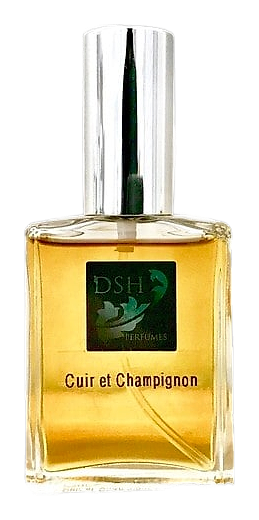
Fragrances featuring Pineappleweed
Brands
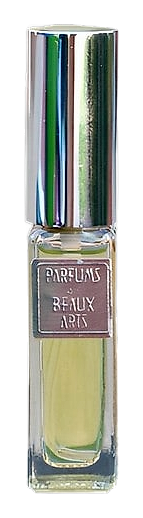
Brands known for Pineappleweed
Good to know
Questions, answered
The essentials on Pineappleweed in perfumery: how it smells, where it comes from, and how it behaves on skin.
What does pineappleweed smell like in perfume?
Pineappleweed releases a sweet, ripe pineapple aroma with soft herbal chamomile undertones. The scent is brighter and more overtly fruity than German chamomile, lending a tropical accent to botanical fragrance blends.
Is pineappleweed the same as chamomile?
Pineappleweed (Matricaria discoidea) is a close relative of German chamomile (Matricaria chamomilla) and shares the same genus. Both plants contain similar aromatic constituents, but pineappleweed carries a distinct pineapple-like fruit note that true chamomile lacks.
Where does pineappleweed grow naturally?
Pineappleweed is native to northwestern North America and northeastern Asia. It thrives in compacted, disturbed soils such as paths, roadsides, and agricultural land, and has naturalized across temperate regions worldwide.
Can pineappleweed be used as a natural perfume?
Yes. Several Native American nations historically used pineappleweed as a perfume, and modern natural perfumers distill its oil or tincture the fresh herb to capture its sweet, tropical character in artisan blends.
Why is it called pineappleweed?
The name comes from the plant's distinctive pineapple scent, released when the dome-shaped flower heads are crushed. It is also called wild chamomile due to its botanical relationship to true chamomile species.
Does pineappleweed produce a usable essential oil?
Pineappleweed can be steam-distilled into an essential oil, though yields are modest. The resulting oil captures chamazulene and bisabolol-type compounds alongside its signature fruity top notes.
What parts of pineappleweed are aromatic?
The cone-shaped yellow-green flower heads carry the strongest pineapple fragrance, while the feathery foliage contributes greener, herbal notes. Most perfumery uses the whole aerial portion.
Is pineappleweed safe for skin application?
Pineappleweed shares a generally safe profile with its chamomile relatives, though concentrated essential oil should be diluted. Patch testing is recommended for anyone with Asteraceae family sensitivities.