Pastilière Fig
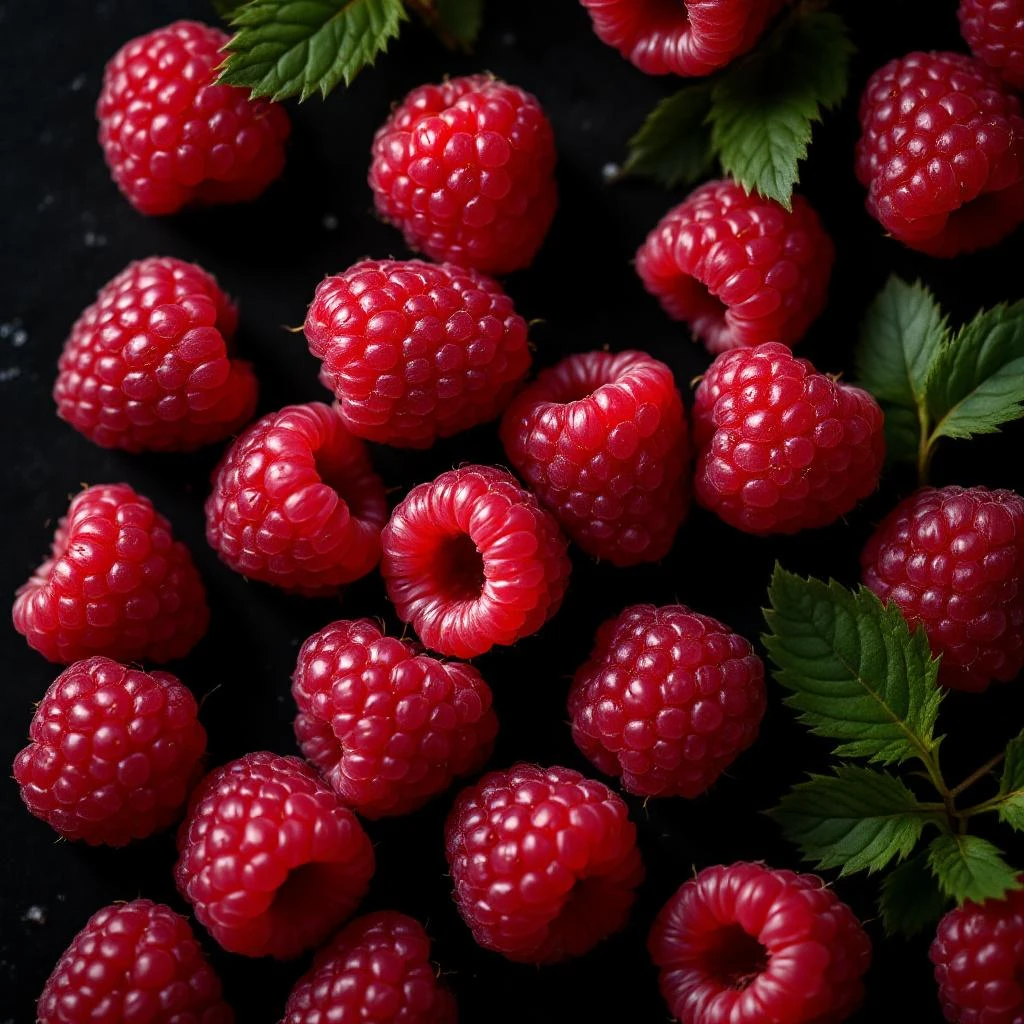
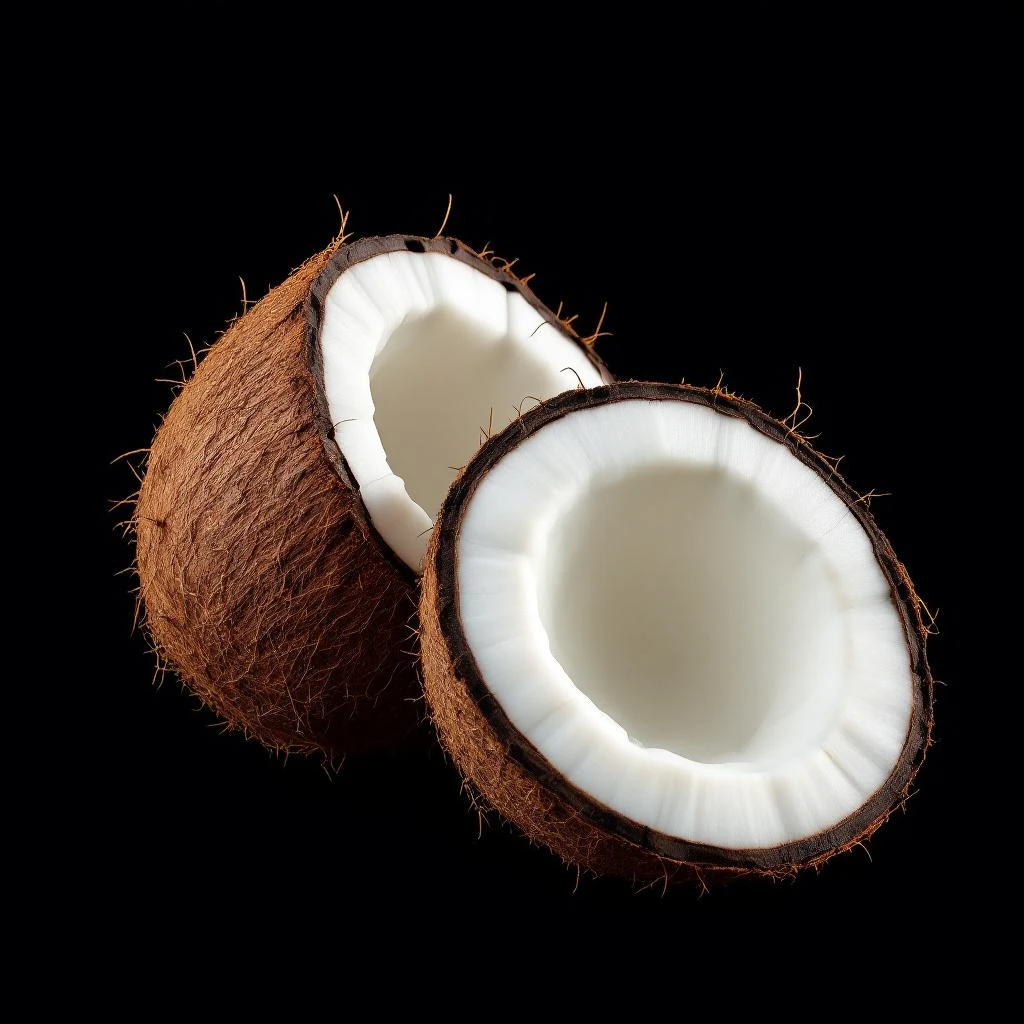
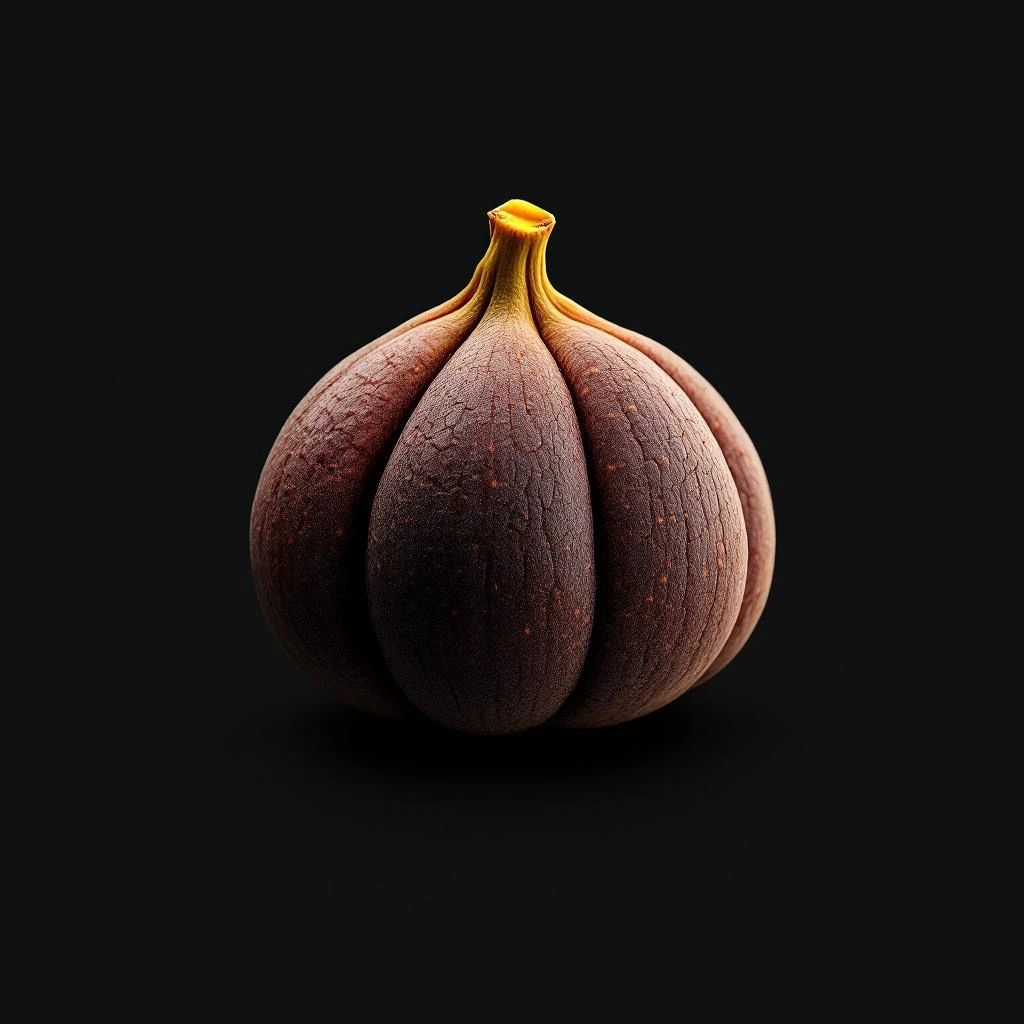
Pastilière Fig captures the fig tree in layers: green leaves, milky sap, pale wood and honeyed ripe fruit.
Character
How it smells
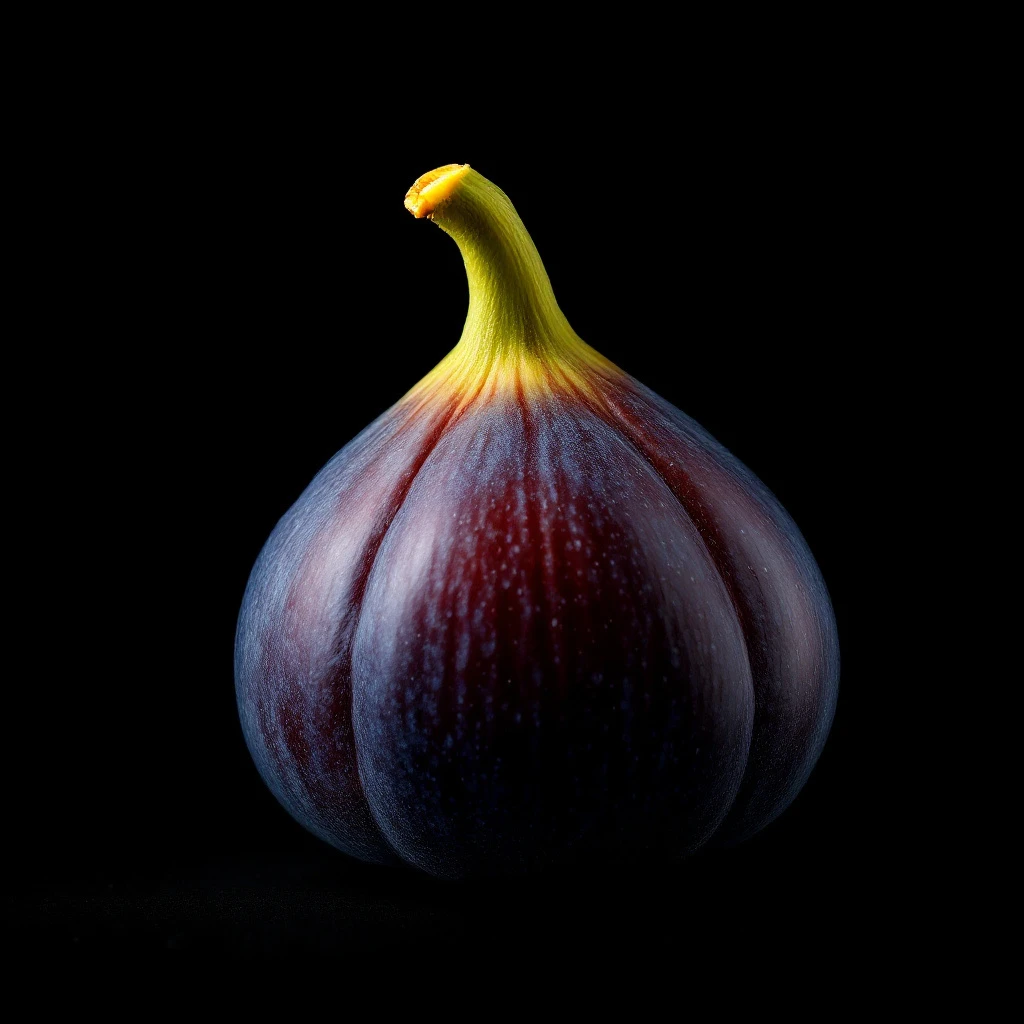
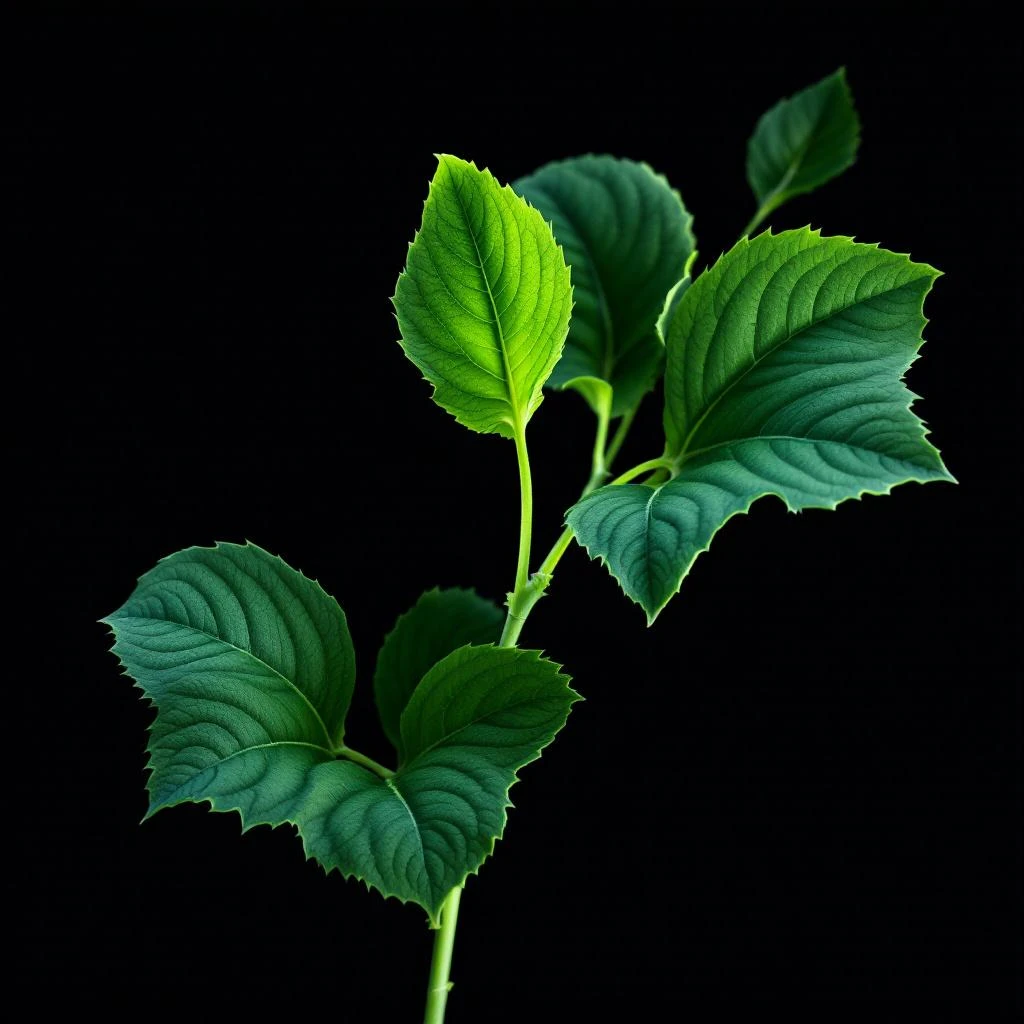
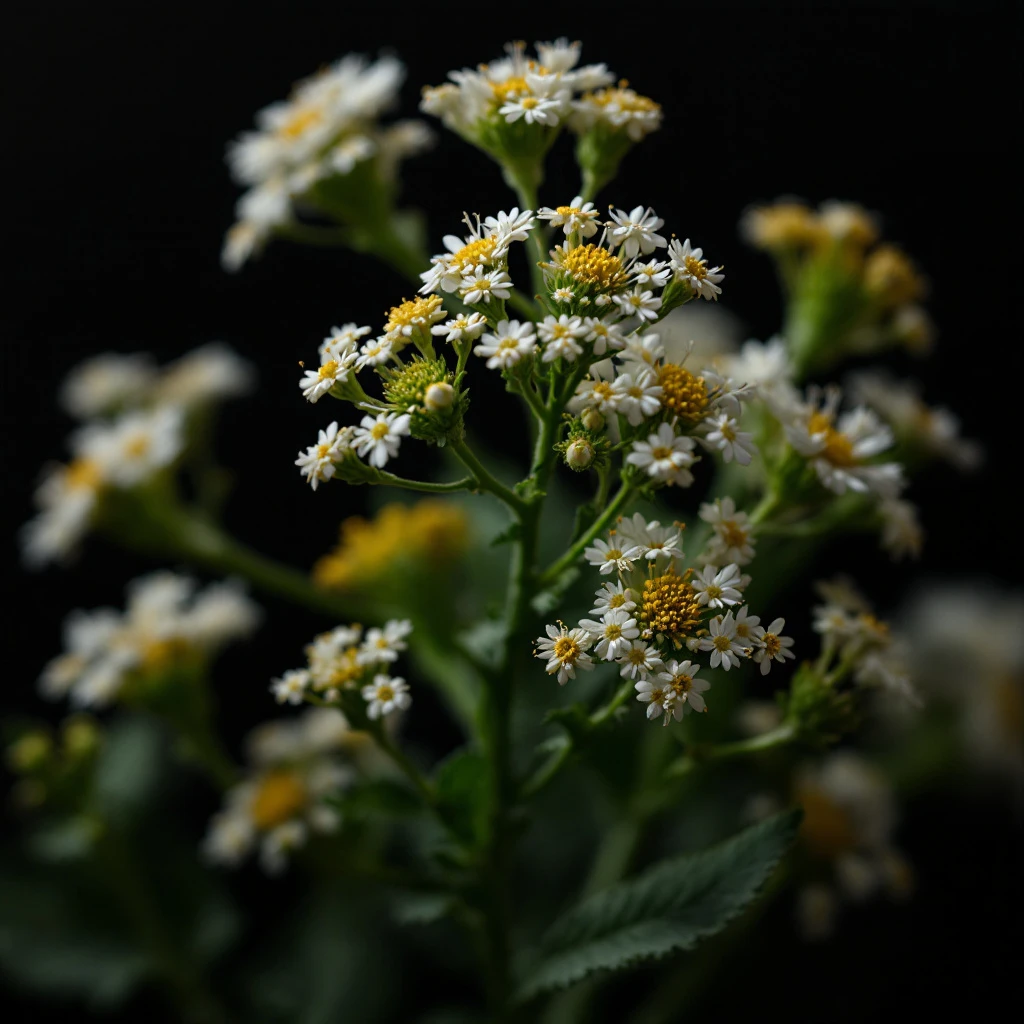
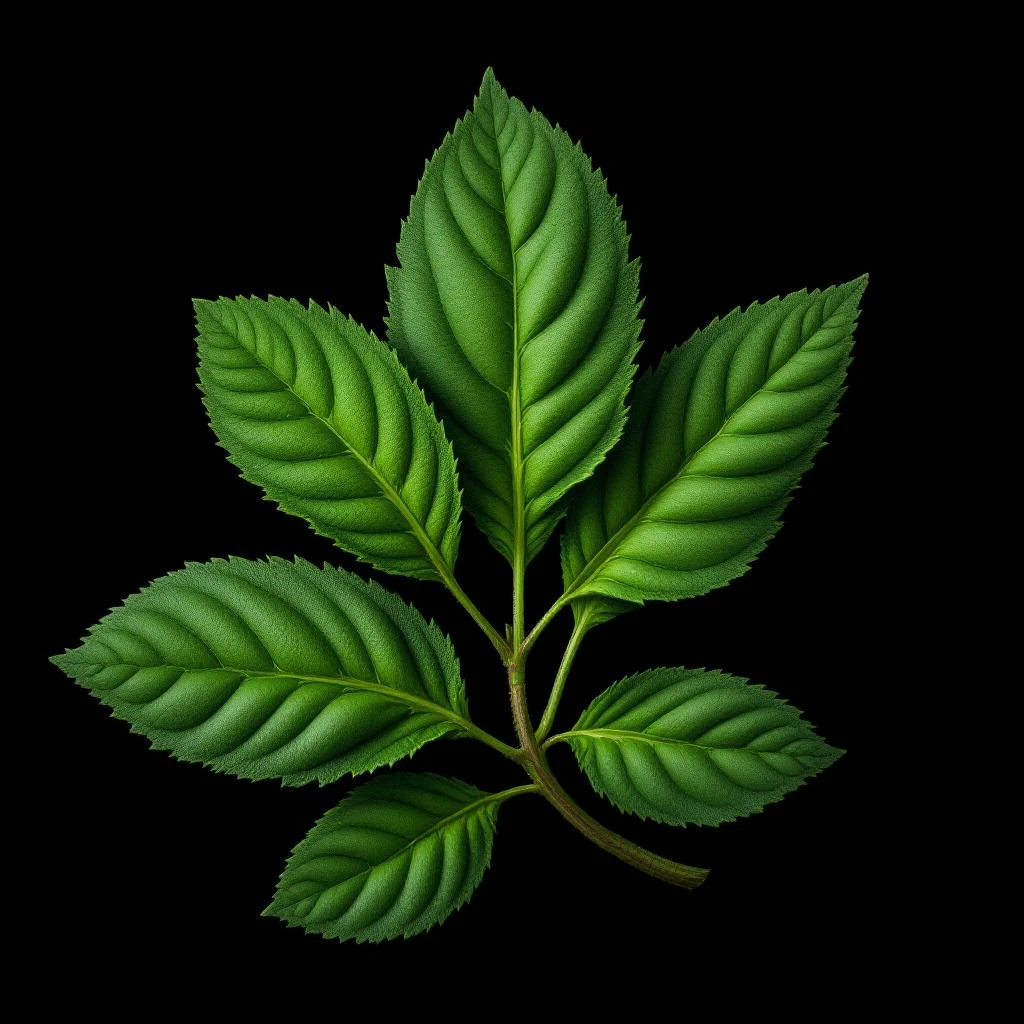
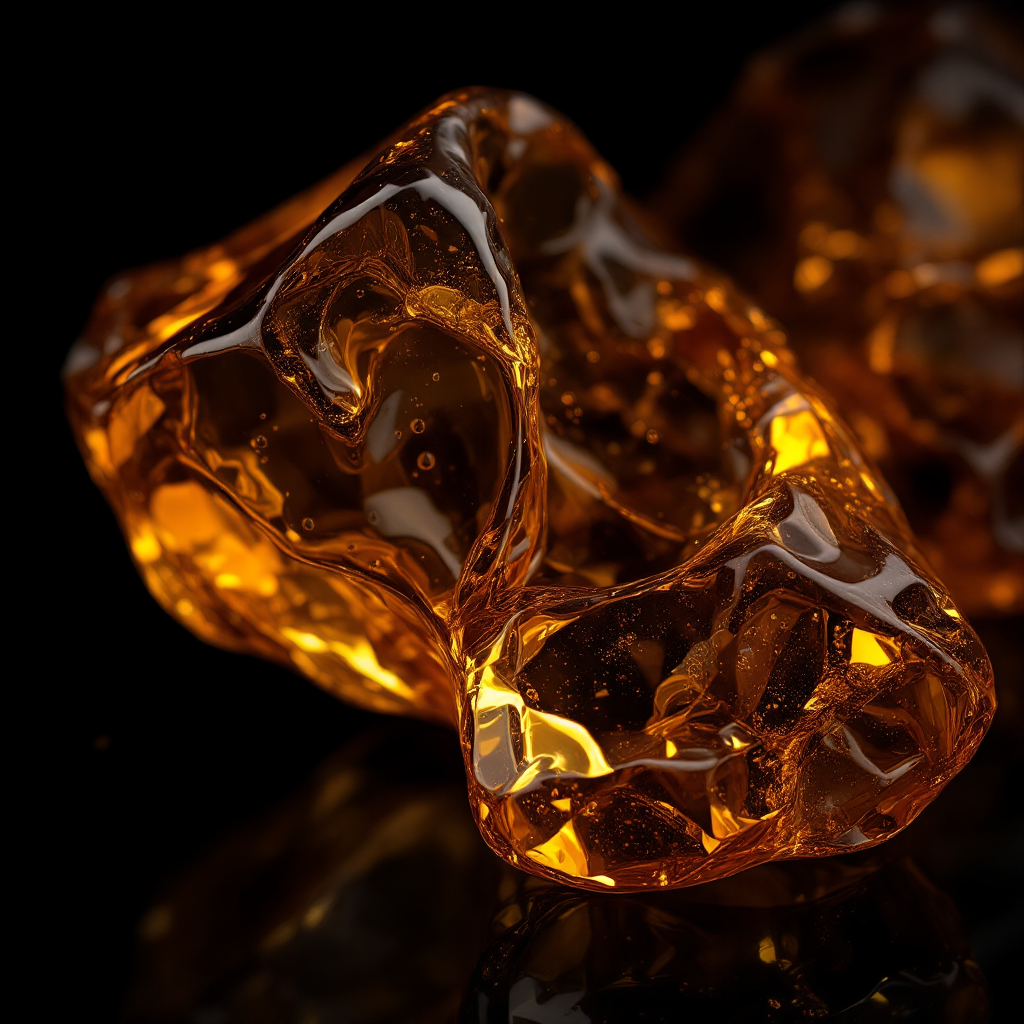
Green fig leaves meet honeyed fruit and creamy sap.
The fig is among the earliest cultivated fruits, with archaeological evidence of domestication predating 5,000 years.
Origin
France
The fig carries an unusually long history of human use. Archaeological findings indicate that figs were among the earliest domesticated fruits, cultivated in the eastern Mediterranean and Southwest Asia thousands of years ago. Fig leaves, wood and fruit appear in fragrant preparations across Egypt, Greece, Rome and India, including ceremonial and funerary contexts. Early fragrance makers valued the entire tree rather than isolating only the edible fruit.
Its leaf and wood materials carried green, milky and woody notes that complemented honeyed fruit accords. The modern fig note gained momentum in the late twentieth century, particularly when Olivia Giacobetti introduced a fragrance in 1994 that presented the tree as a complete aromatic subject. This broader interpretation joined leaves, sap, bark and fruit in one composition. It changed how perfumers approached fig: less as a straightforward sweet ingredient and more as a layered botanical accord.
Pastilière Fig continues that tradition, expressing fig through contrasting facets rather than a single literal odor. Its cultural depth comes from a fruit that has long connected nourishment, ritual and fragrance, while its perfumery legacy rests on the ability to make an entire tree legible through scent.
Wears it best
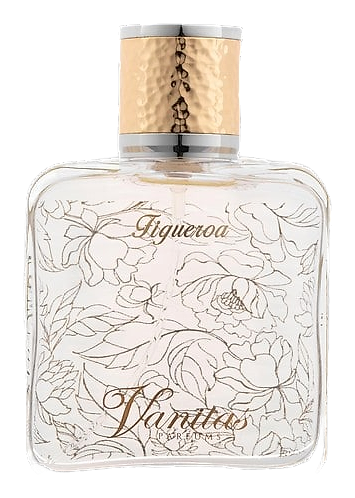
Fragrances featuring Pastilière Fig
Brands
Brands known for Pastilière Fig
Good to know
Questions, answered
The essentials on Pastilière Fig in perfumery: how it smells, where it comes from, and how it behaves on skin.
What does Pastilière Fig smell like?
Pastilière Fig smells green, milky and honeyed, combining fig leaves and sap with the soft sweetness of ripe fruit. One defining feature is its woody undertone, which gives the accord a natural tree-like depth.
Does fig perfume smell like the fruit?
Fig perfume can smell sweeter and more edible than a fresh fig. A fuller composition also suggests green leaves, milky sap, pale wood and bark, creating a more complete impression of the tree.
How is fig leaf absolute extracted?
Historically, fig leaf absolute was made through sequential solvent extraction using petroleum ether and ethanol. The resulting dark green material carries honeyed, leafy and woody nuances that differ from a fruit-only extract.
Why are fig notes often made with synthetic molecules?
Commercial fig notes often use synthetic molecules because natural fig material is inconsistent and fresh fruit is not always available. These lab-built accords can control the balance of fruit, green leaf, milky sap and woody facets.
What part of the fig tree does the fragrance represent?
A modern fig accord may represent leaves, fruit, sap, bark and pale wood. Perfumers combine these facets so the note reads as a complete aromatic tree rather than merely a sweet fruit impression.
Where does the fig note originate in perfumery?
The fig note draws on ancient fragrant uses found across Egypt, Greece, Rome and India. Its modern form gained wider recognition in 1994, when Olivia Giacobetti introduced a composition built around the whole fig tree.
Is fig a fruit note or a woody note?
Pastilière Fig belongs to both categories, balancing honeyed fruit with green, milky and woody layers. The sap, leaf and wood facets give it structure and keep the fruit character from becoming overly sweet.
How long have figs been cultivated?
Figs are among the oldest domesticated fruits, with archaeological evidence pointing to cultivation more than 5,000 years ago. Their leaves and wood were also used in early fragrant preparations, extending the tree's role beyond food.