Petitgrain Sur Fleurs
Petitgrain Sur Fleurs captures the bitter orange tree at peak bloom—a co-distillation where leaves, twigs, and blossoms merge into one aromatic expression. The result blends green freshness with orange blossom warmth and a bittersweet depth rarely found in standard citrus materials.
Character
How it smells
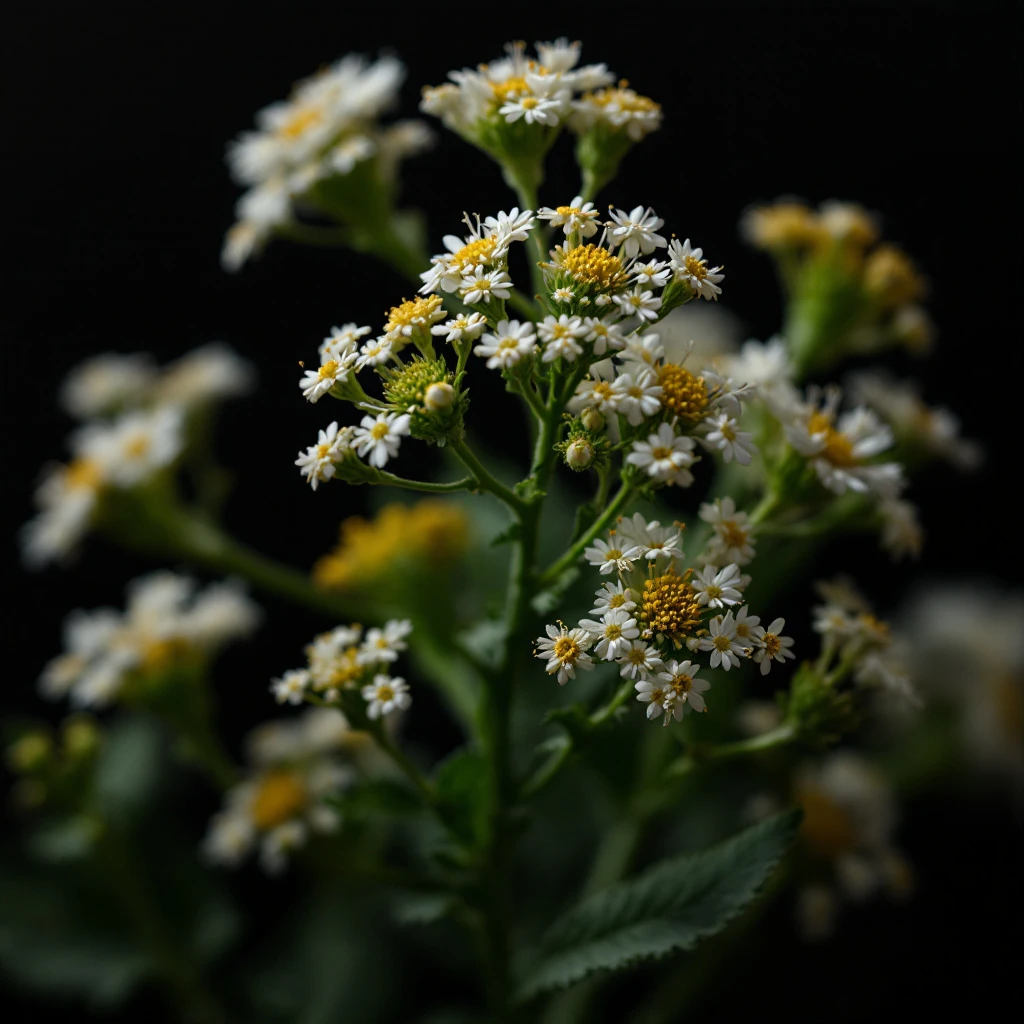
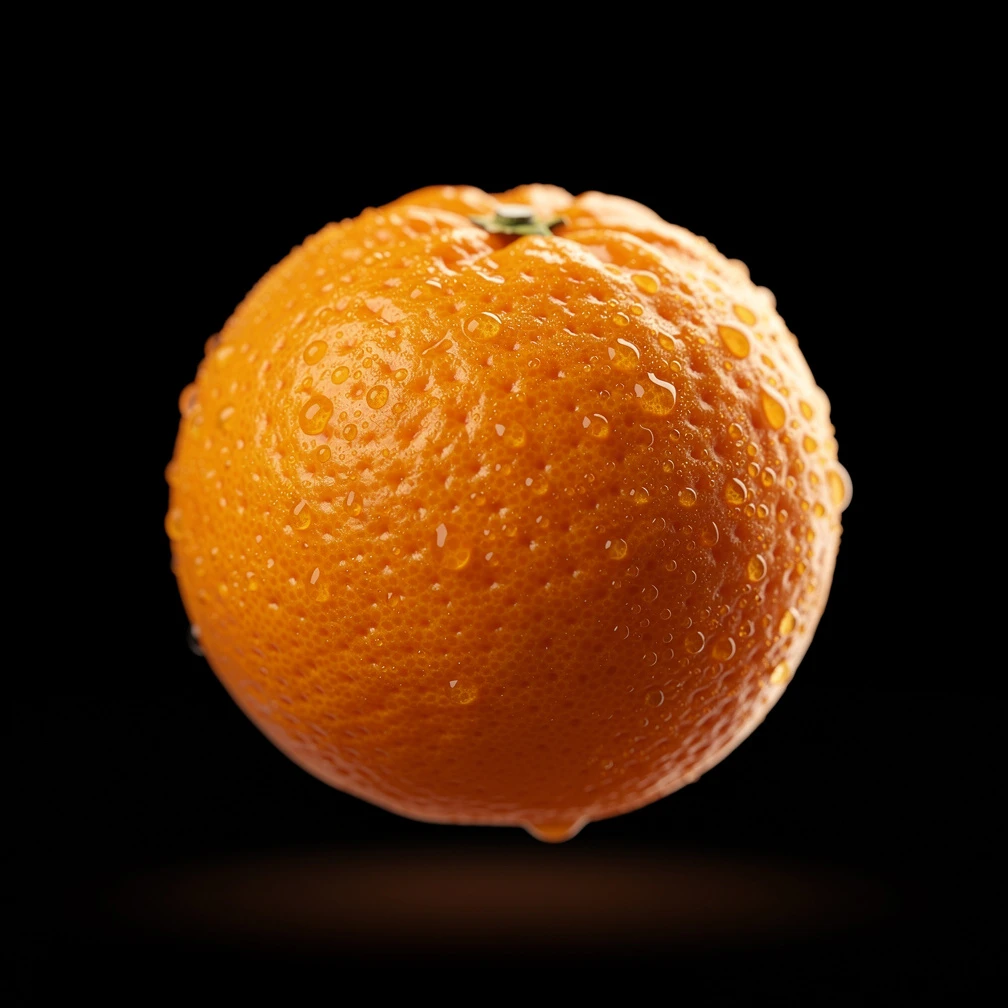
The flowering bitter orange: green, floral, bittersweet.
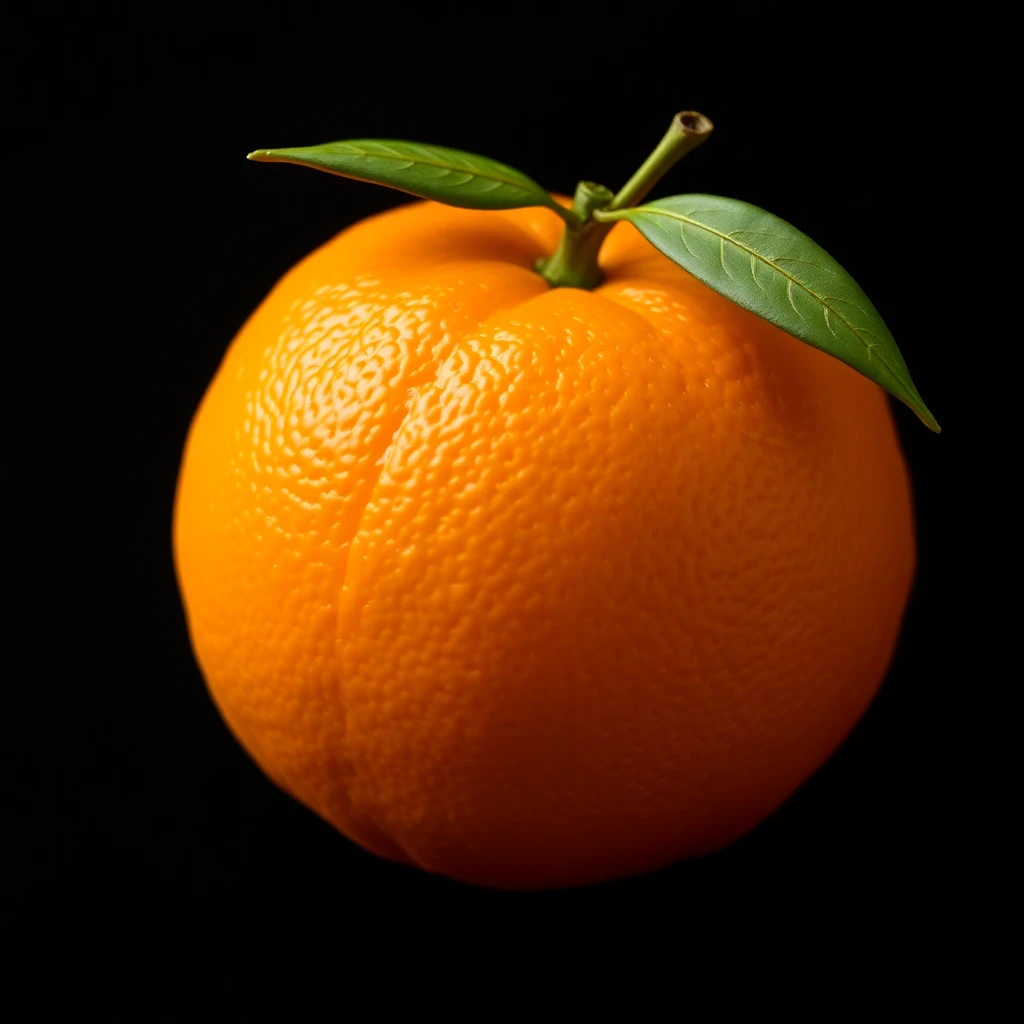
Petitgrain means "little grain" in French—named for the tiny bitter oranges visible on branches during leaf harvest.



Origin
France
The bitter orange tree has grown across the Mediterranean for centuries, reaching Europe through Arab traders from the Middle East. By the 18th century, perfumers had established petitgrain as a essential material, valuing its versatility. The name petitgrain itself originates from this era—French for "little grain," referring to the small bitter oranges present on branches during harvest.
In 1876, French botanist Benjamin Balansa introduced steam distillation equipment to Paraguay, transforming the region's bitter orange cultivation into a major essential oil industry. Paraguayan petitgrain quickly gained recognition for its distinctive character. Petitgrain Sur Fleurs emerged as perfumers sought greater complexity from citrus materials, developing co-distillation techniques that captured blossom notes alongside traditional leaf and twig extractions.
This refinement represents centuries of botanical knowledge applied to fragrance creation, honoring the original bitter orange while expanding its aromatic possibilities.
Wears it best
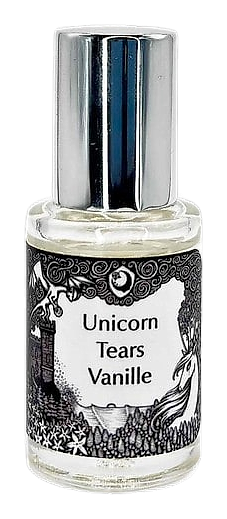
Fragrances featuring Petitgrain Sur Fleurs
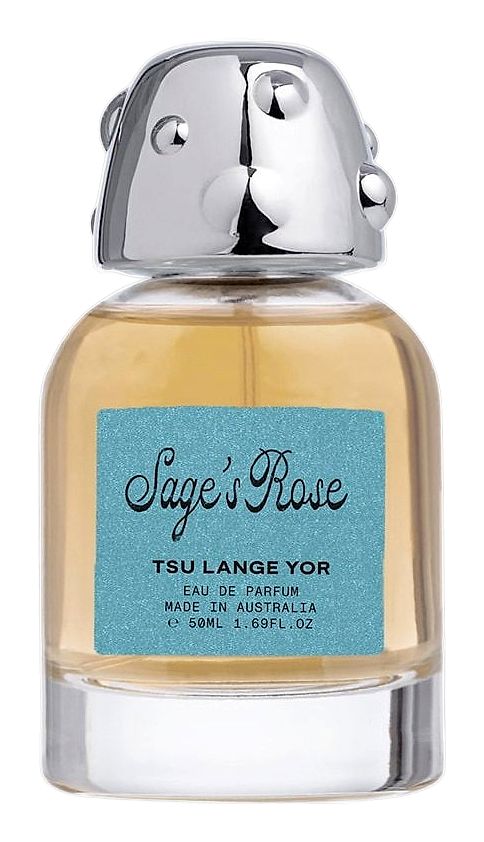
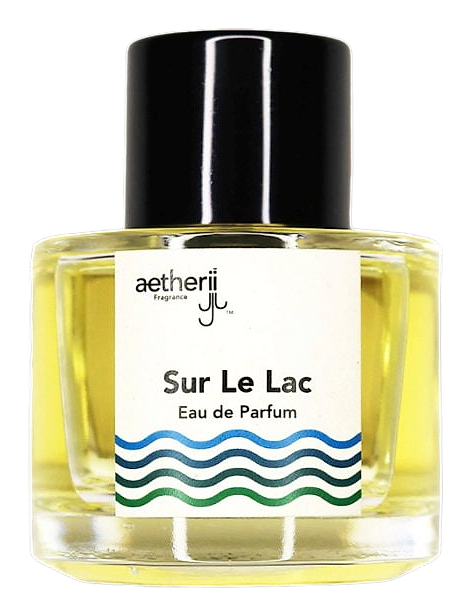
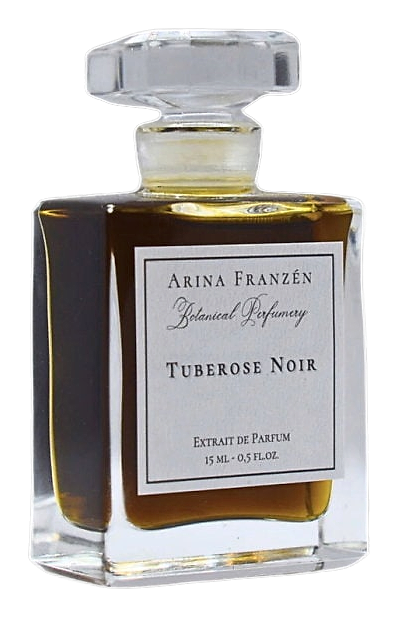
Brands
Brands known for Petitgrain Sur Fleurs
Good to know
Questions, answered
The essentials on Petitgrain Sur Fleurs in perfumery: how it smells, where it comes from, and how it behaves on skin.
What makes Petitgrain Sur Fleurs different from regular Petitgrain?
Petitgrain Sur Fleurs incorporates bitter orange blossoms during distillation, whereas standard petitgrain uses only leaves and twigs. This addition introduces delicate floral facets—orange blossom and subtle jasmine-like notes—that layer over the characteristic green-citrus base.
What does Petitgrain Sur Fleurs smell like?
It opens with sharp green-citrus notes reminiscent of fresh leaves, then reveals warm orange blossom heart notes, finishing with a dry, slightly bitter woody undertone. The floral character integrates more subtly than dedicated blossom extracts.
Does terroir affect Petitgrain Sur Fleurs scent?
Yes. French petitgrain tends toward refined, elegant notes. Paraguayan varieties develop stronger bitter and camphoraceous qualities. Tunisian production often yields warmer, more resinous character. Soil composition, rainfall, and harvest timing all influence the final aromatic profile.
When was Petitgrain Sur Fleurs developed?
The sur fleurs variant emerged in the late 20th century as perfumers sought more sophisticated citrus materials. Demand grew for ingredients offering complexity beyond standard orange and lemon, prompting distillation innovations using the full flowering canopy of Citrus aurantium var. amara.
Is Petitgrain Sur Fleurs a natural ingredient?
Yes. Petitgrain Sur Fleurs results from authentic co-distillation of bitter orange blossoms, leaves, and twigs from the same tree. The blossoms are not added as a separate extract but distilled simultaneously with other aerial parts.
What fragrance families feature Petitgrain Sur Fleurs?
It appears prominently in citrus, green, and floral compositions, functioning as a bridge note in chypre and fougère structures. The ingredient's dual fresh-floral character suits both masculine and feminine fragrances seeking natural complexity.
How does Petitgrain Sur Fleurs perform in perfume formulas?
It serves as both top and heart note, providing immediate freshness followed by lasting floral presence. The material blends well with other citruses, cedarwood, lavender, and rose. Its tenacity allows it to anchor lighter compositions while maintaining clarity.
Which countries produce the best Petitgrain Sur Fleurs?
France, Tunisia, and Italy produce highly regarded qualities. French oils often lead in refined floral character. Tunisian production offers excellent value while maintaining traditional Mediterranean profile. Quality varies more by producer than by country of origin.



