Papyrus Root
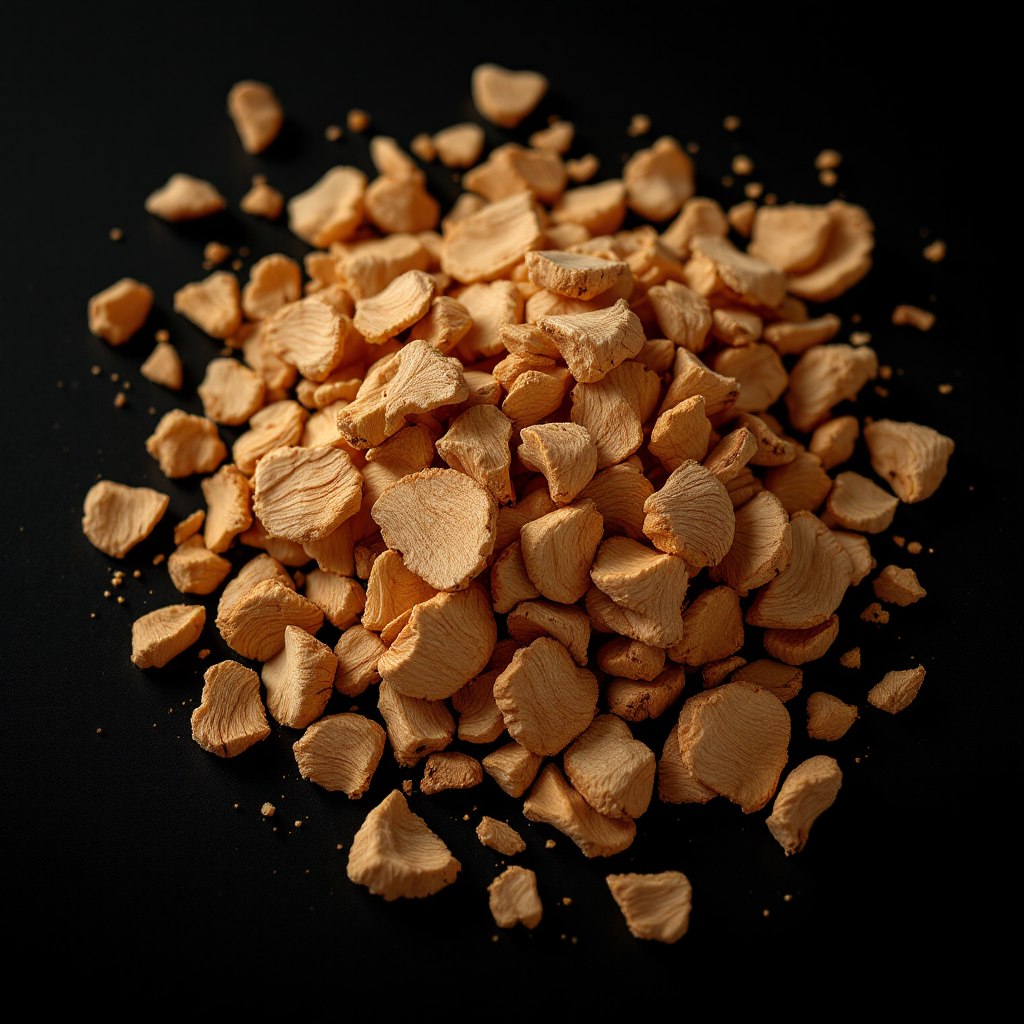
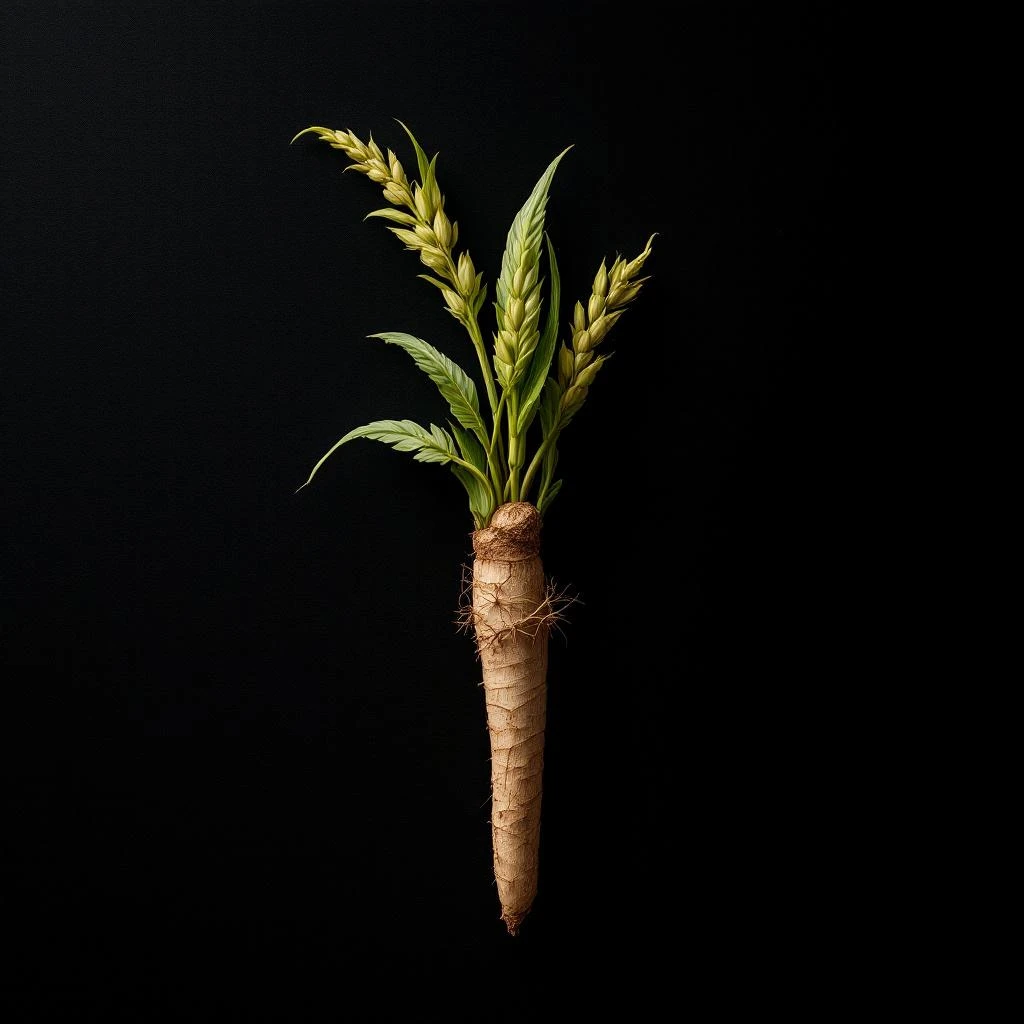
Papyrus root delivers a dry, woody aroma with earthy undertones and a faint smoky edge. Distilled from the rhizome rather than the pith, this ancient Nile plant offers perfumers a quiet, mineral-like base note.
Character
How it smells
Ancient Nile rhizome turned modern woody base.
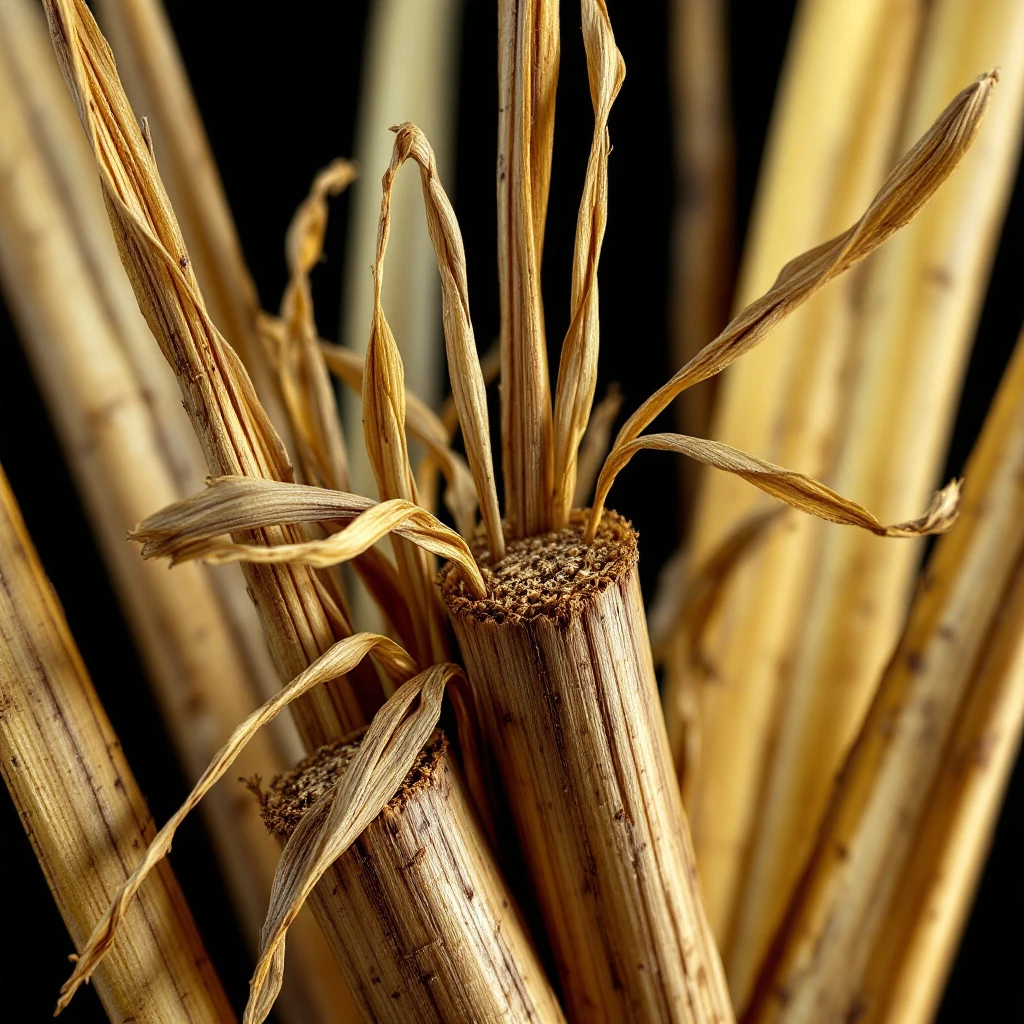
Perfumers extract papyrus from its underground rhizome, not the famous pith used by ancient Egyptians to write on.


Origin
Egypt
Cyperus papyrus thrived along the Nile for thousands of years, and the ancient Egyptians built one of history's first writing materials from its pith. But the plant's rhizome held a separate role in early aromatic practice. Egyptians pressed fragrant oils from local botanicals and stored them in fats, creating scented balms for ritual and personal use.
Papyrus plants grew abundantly in these marshy environments, and early perfumers likely noticed the rhizome's distinctive scent during harvest. The papyrus note as we know it today emerged in Western perfumery during the 1980s, when perfumers began incorporating it as a refined woody base. It sometimes stood in for costlier materials, offering a dry, earthy character that grounded floral and citrus compositions.
The note connects modern fragrance to one of antiquity's most iconic plants, bridging the papyrus scrolls of ancient libraries with contemporary scent design.
Wears it best
Fragrances featuring Papyrus Root
Brands
Brands known for Papyrus Root
Good to know
Questions, answered
The essentials on Papyrus Root in perfumery: how it smells, where it comes from, and how it behaves on skin.
What does papyrus root smell like in perfume?
Papyrus root produces a dry, woody aroma with earthy and faintly smoky qualities. It functions primarily as a base note, lending depth and a mineral-like quality to compositions.
Is papyrus root the same as the paper used by ancient Egyptians?
No. Ancient papyrus paper came from the plant's pith, the white inner stem. Perfumery uses the rhizome, the underground portion, which contains the aromatic compounds.
When did papyrus first appear in modern perfumery?
The papyrus note emerged in international perfumery during the 1980s. It gained popularity as a woody base note, sometimes substituting for more expensive materials.
Where is papyrus root for perfume grown?
Egypt remains the primary source, where Cyperus papyrus grows along the Nile's marshy banks. The plant has been cultivated in the region for over 4,000 years.
How is papyrus root oil extracted?
Producers harvest and dry the rhizomes, then extract the aromatic compounds through steam distillation. Yields are relatively low compared to flowers or citrus peels.
Does papyrus root smell similar to vetiver or cedarwood?
Papyrus shares woody, earthy qualities with vetiver but tends drier and less sweet. Compared to cedarwood, it carries more mineral smokiness and less resinous warmth.
Can papyrus root be replicated synthetically?
Yes. Modern fragrance labs create papyrus-style accords using synthetic aroma chemicals that mimic the dry, woody, slightly smoky profile when natural oil supply is limited.
What types of fragrances feature papyrus root?
Papyrus root appears in woody, aromatic, and unisex compositions where perfumers seek a dry, earthy foundation. It pairs well with florals, spices, and citrus top notes.