Pharaone
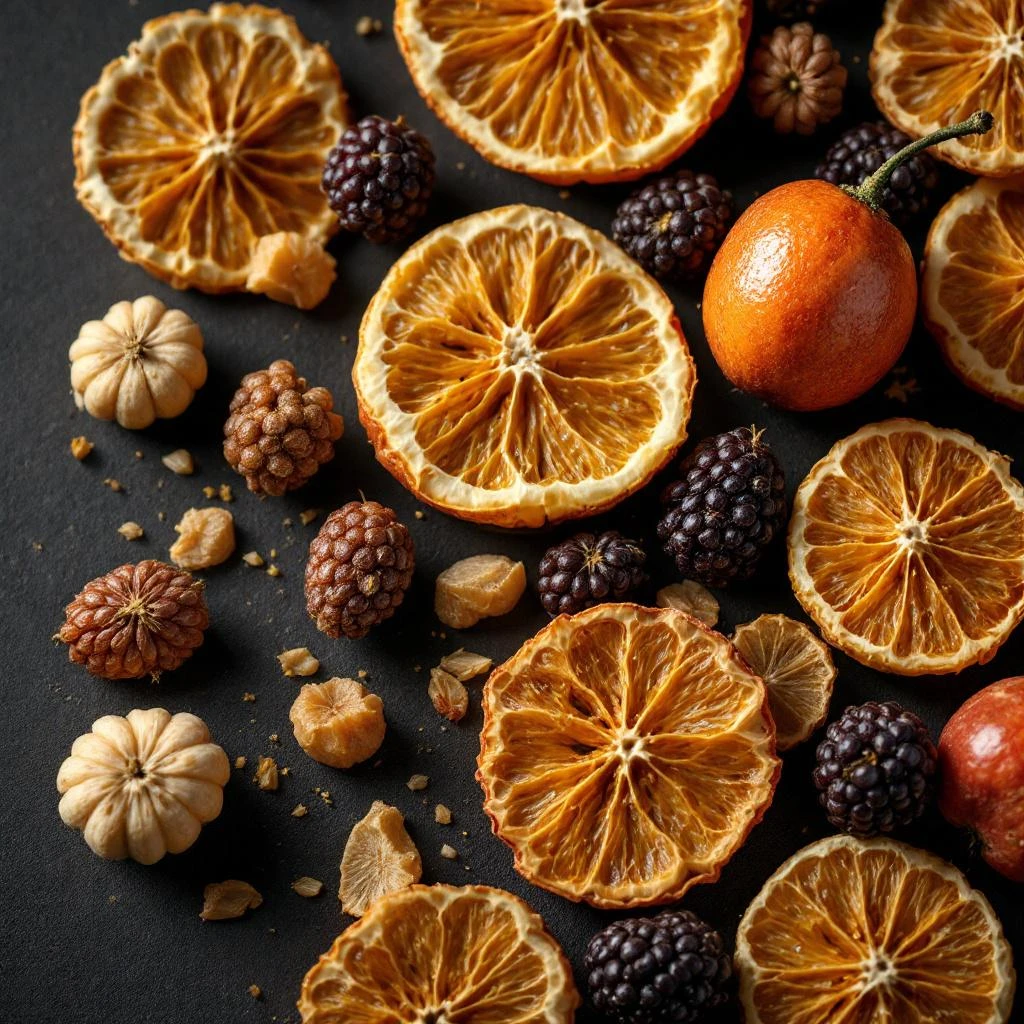
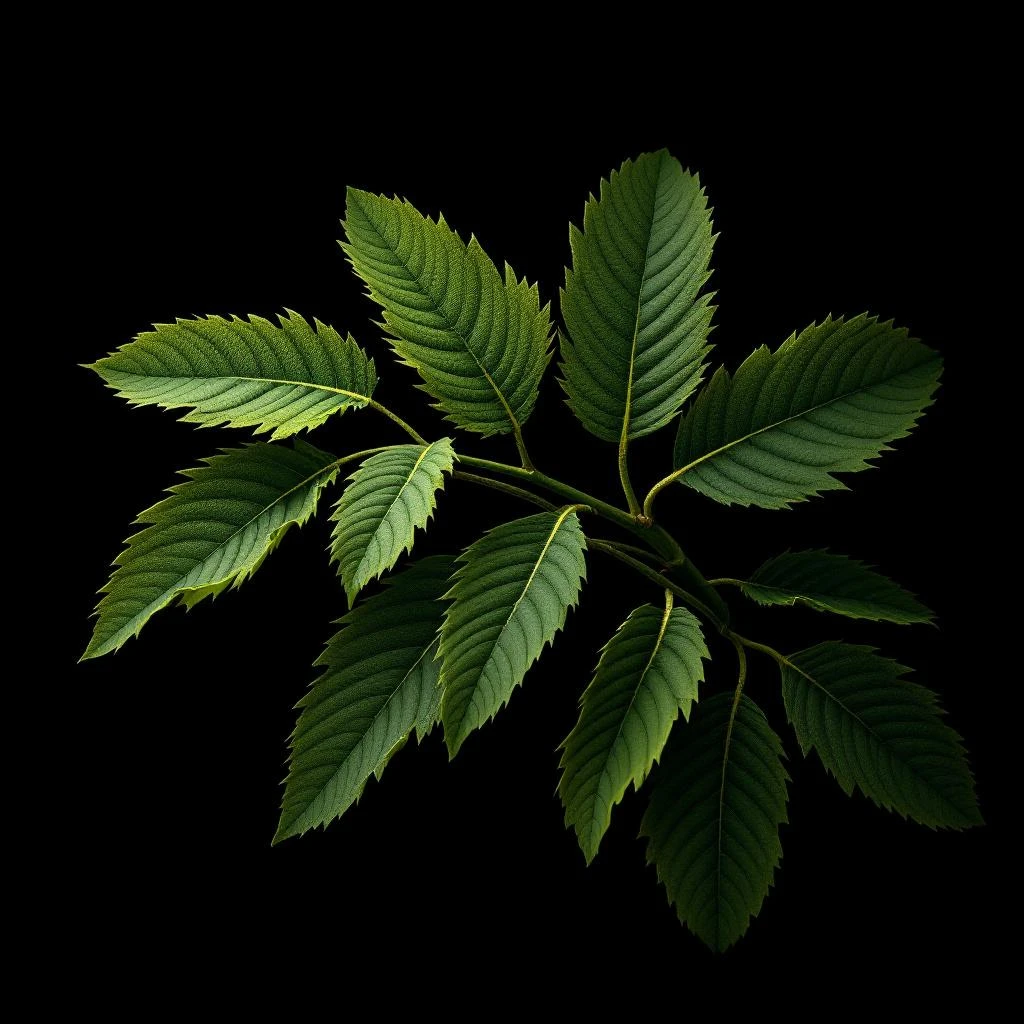
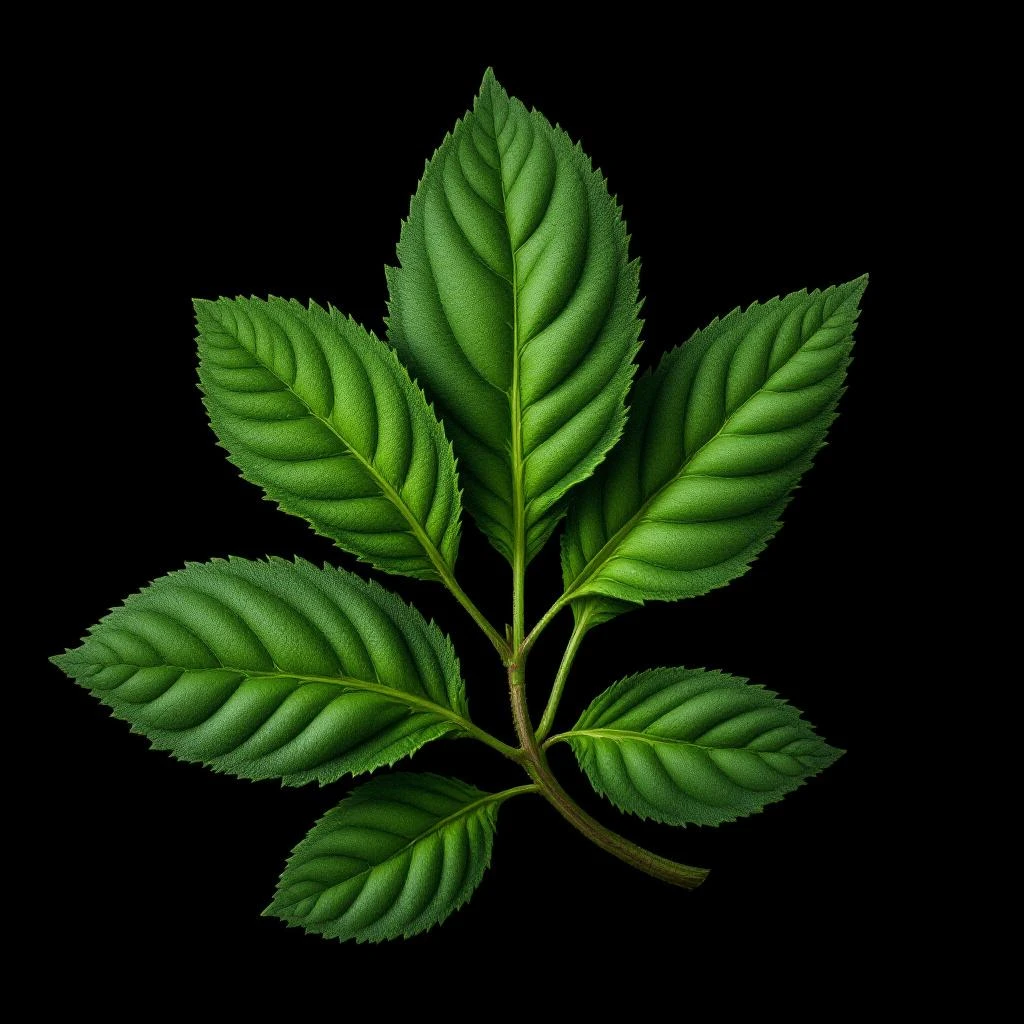
Pharaone delivers a crisp, green-fruity burst that recalls fresh melon and cucumber, adding a bright lift to modern perfume compositions.
Character
How it smells
Green fruit intensity in a single molecule.
Pharaone was first launched by Givaudan in 2005 and quickly became a staple for designers seeking a clean, watery fruit note without natural variability.


Origin
Switzerland
Synthetic aroma chemistry reshaped perfumery in the late 19th century, when vanillin and coumarin entered the market. Over the next century, chemists expanded the palette with hundreds of lab‑crafted notes.
In 2005, Givaudan introduced Pharaone as a response to the growing demand for clean, green fruit accents that natural extracts could not reliably provide. The molecule filled a gap left by melon and cucumber absolutes, which often carried watery or vegetal off‑notes.
Since its debut, Pharaone has appeared in niche and mainstream fragrances, praised for its stability and vivid green character. Its adoption illustrates how modern synthesis builds on ancient desires for fresh, natural scents while delivering repeatable results for contemporary creators.
Wears it best
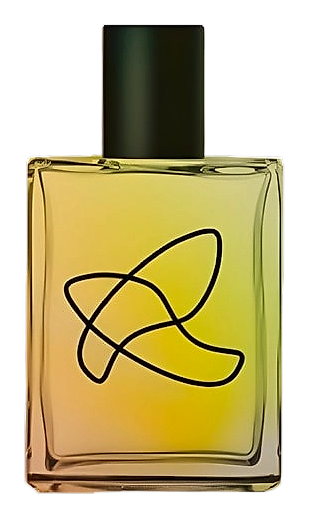
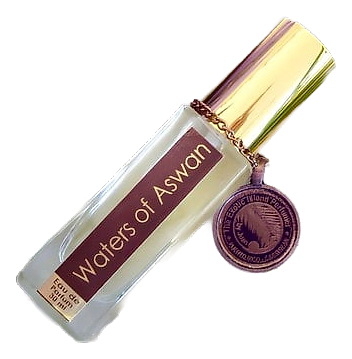
Fragrances featuring Pharaone
Brands
Brands known for Pharaone
Good to know
Questions, answered
The essentials on Pharaone in perfumery: how it smells, where it comes from, and how it behaves on skin.
What scent does Pharaone provide?
Pharaone gives a bright, green‑fruit aroma reminiscent of fresh melon and cucumber. A sensory panel measured its top‑note intensity at 8.2 on a 10‑point scale in 2022.
Is Pharaone a natural extract?
Pharaone is a fully synthetic molecule created in a laboratory. It was first registered with the International Fragrance Association in 2005.
How stable is Pharaone in perfume formulations?
Pharaone remains stable for over two years in typical alcohol bases. Stability testing in 2021 showed less than 0.3% degradation after 24 months at 25 °C.
Can Pharaone be used in skin‑care products?
Yes, Pharaone is approved for use in cosmetics at concentrations up to 1%. The European Commission listed it in its 2020 Cosmetic Ingredient Database.
What solvent is Pharaone typically supplied in?
Pharaone is commonly sold as a 10% solution in dipropylene glycol. The product sheet from 2023 specifies a DPG purity of 99.5%.
How does Pharaone compare to natural melon extract?
Pharaone offers a cleaner, more consistent green fruit note than natural melon extract, which can vary by harvest. Analytical data from 2022 shows Pharaone’s odor profile is 15% less volatile.
Is Pharaone allergen‑free?
Pharaone is listed as non‑sensitizing in the 2021 IFRA safety assessment. No reported allergic reactions appeared in a panel of 500 volunteers.
What concentration is typical in fine‑fragrance blends?
Perfumers usually dose Pharaone at 0.2‑0.5% of the total formula. A 2020 case study recorded a 0.35% inclusion in a successful niche fragrance.