Ginger Lily
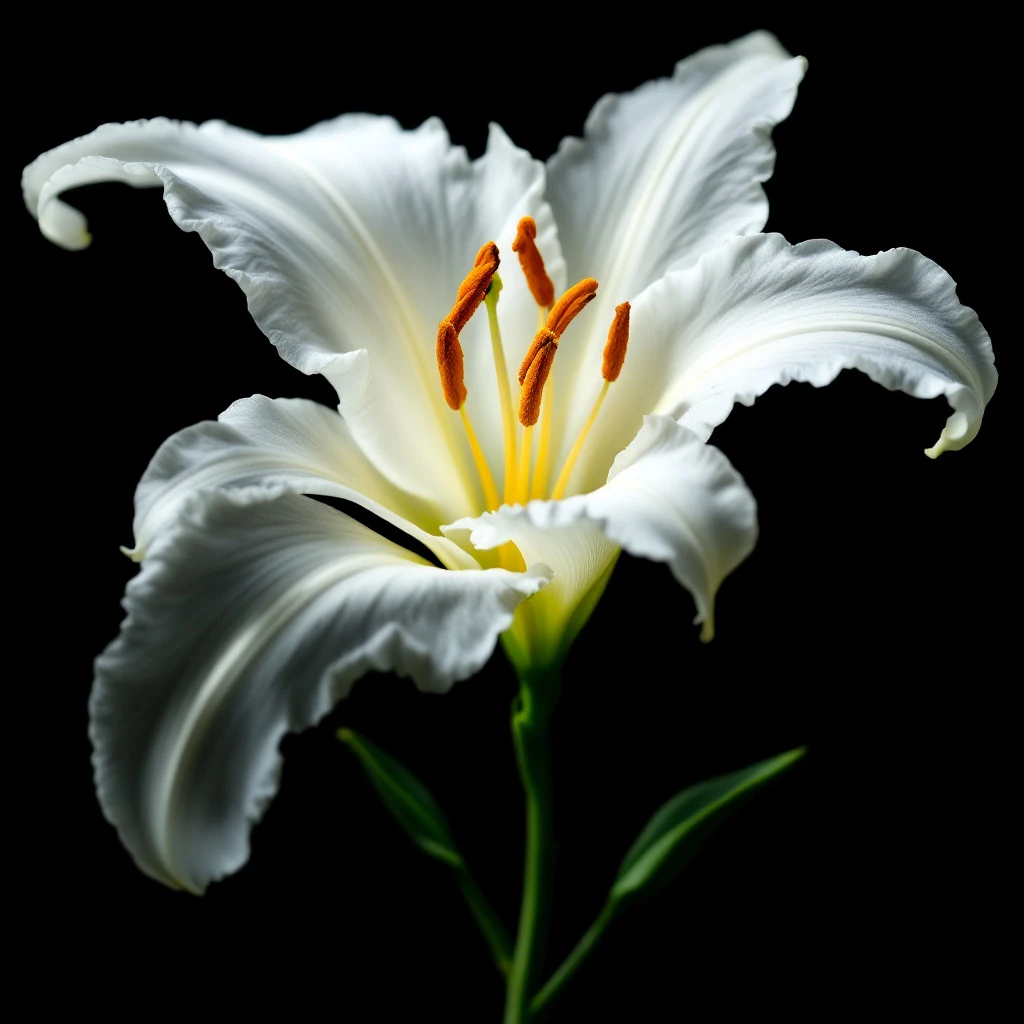
Ginger Lily, or Hedychium coronarium, is a tropical flower prized in perfumery for its creamy, spicy warmth that bridges the gap between fresh ginger and white florals.
Character
How it smells
Spiced cream with a tropical soul
Ginger Lily's scent intensifies at night, luring moths with its intoxicating perfume, a trait perfumers have tried to capture since the Victorian era.






Origin
India
Ginger Lily, known botanically as Hedychium coronarium, traces its perfumery history to its native Himalayan foothills, where it grows wild across India, Nepal, and Bhutan. The plant spread through trade routes into Southeast Asia and eventually reached European botanical gardens in the late 18th and early 19th centuries, where Victorian gardeners prized it as a greenhouse specimen. Its scent, reminiscent of gardenia and tuberose but layered with a distinct spicy warmth, made it a curiosity among early perfumers experimenting with exotic florals.
The species traveled along colonial spice routes, reaching the Caribbean and parts of Central America where it naturalized and earned names like butterfly lily and white ginger. In traditional Indian perfumery, related Hedychium species have long featured in ceremonial garlands and Ayurvedic preparations. Modern niche perfumers revived interest in Ginger Lily as part of a broader movement toward rediscovering tropical and subcontinental florals that had been overlooked during the synthetic-heavy 20th century.
Today it remains a relatively rare and distinctive note, appearing in compositions that aim to evoke lush, humid gardens.
Wears it best
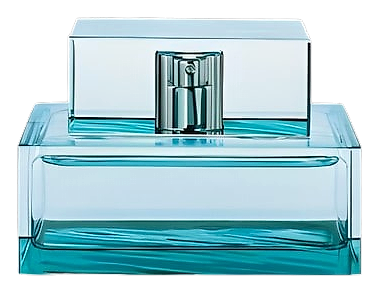
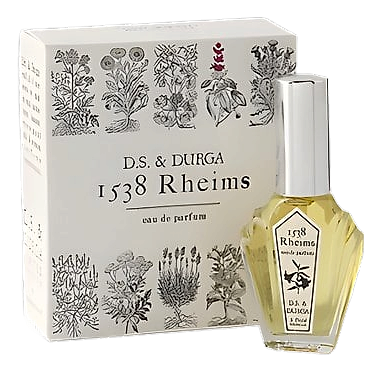
Fragrances featuring Ginger Lily
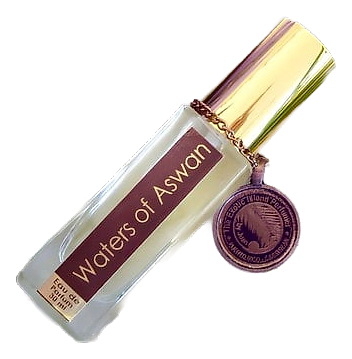
Brands
Brands known for Ginger Lily
Good to know
Questions, answered
The essentials on Ginger Lily in perfumery: how it smells, where it comes from, and how it behaves on skin.
What does Ginger Lily smell like?
Ginger Lily combines warm, spicy ginger-like notes with creamy white floral facets. It shares similarities with tuberose and gardenia but carries a distinctive peppery undertone that sets it apart from purely sweet florals.
Is Ginger Lily the same as regular ginger?
No, they are different plants. Ginger Lily (Hedychium coronarium) is a flowering plant in the Zingiberaceae family, the same botanical clan as true ginger, but it is grown primarily for its fragrant blooms rather than culinary rhizomes.
Where does Ginger Lily grow naturally?
Ginger Lily is native to the Himalayan region, particularly India, Nepal, and Bhutan. It has naturalized in many tropical areas including the Caribbean and Southeast Asia, where warm, humid conditions support its growth.
Why is Ginger Lily rare in perfumes?
Ginger Lily essential oil yields from steam distillation remain modest, and the flower absolute requires labor-intensive hand harvesting. This limited supply keeps it a specialty ingredient rather than a mainstream perfumery material.
Is Ginger Lily natural or synthetic in modern perfumery?
Both forms exist. Natural Ginger Lily oil comes from steam-distilled rhizomes or solvent-extracted flowers, while synthetic aroma chemicals like hydroxycitronellal approximate certain facets. Niche houses tend to favor the natural versions for authenticity.
What fragrance families feature Ginger Lily?
Ginger Lily appears most often in floral and tropical compositions, where its spicy-creamy profile bridges white florals and warm spices. It occasionally surfaces in oriental fragrances seeking a softer, more luminous ginger effect.
Can Ginger Lily be used in aromatherapy?
Ginger Lily is not among the most common clinical aromatherapy oils, though its warming scent profile has traditional use in Indian wellness practices. Always consult qualified practitioners before therapeutic application of any essential oil.
What pairs well with Ginger Lily in a perfume?
Ginger Lily blends naturally with tuberose, gardenia, ylang-ylang, and jasmine for floral depth. It also complements sandalwood, vetiver, and cardamom, which reinforce its warm, spicy character without overwhelming the bloom.




