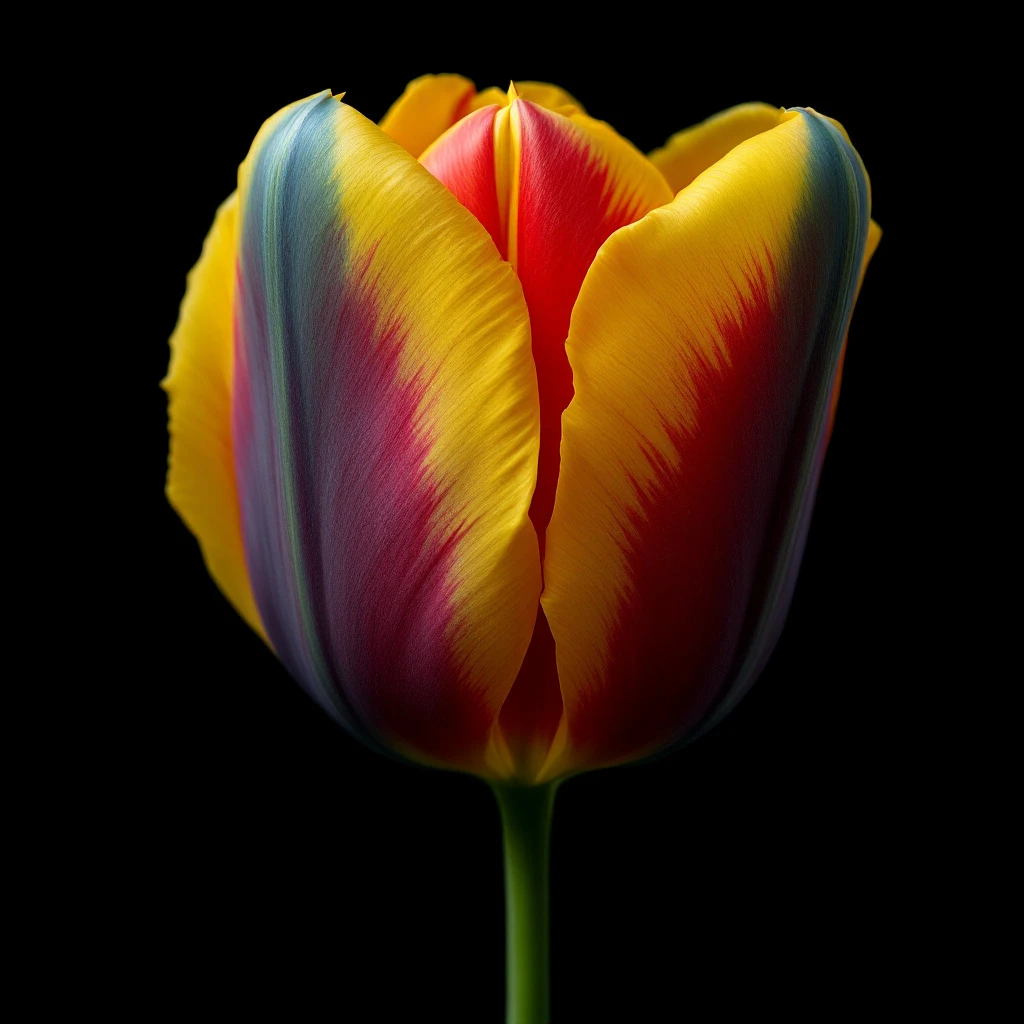
Parrot Tulip
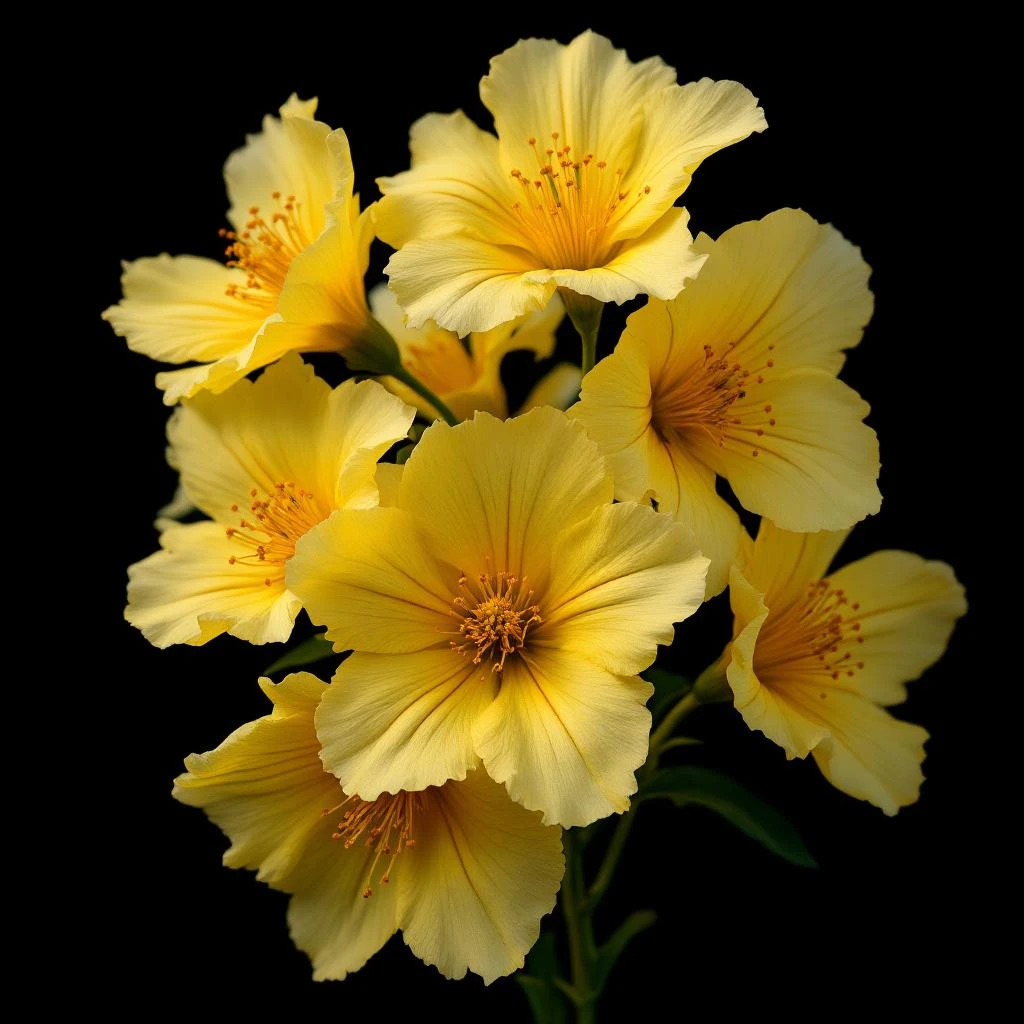
A flamboyant spring bloom whose crumpled, feathered petals inspired perfumers to capture its singular green-floral soul in rare, precious absolute.
Character
How it smells
The tulip that broke the mold.
No tulip species naturally produces enough fragrance for commercial extraction—creators reconstruct its singular scent entirely.



Origin
Netherlands
Wild tulips originated in the mountain valleys of Central Asia, where they grew among rocky slopes and grasslands. Turkish horticulturists first cultivated these flowers around the 10th century, selectively breeding for larger, more dramatic forms. The Ottoman Empire elevated tulip cultivation to an art form, with the Parrot variety emerging in the 17th century as a symbol of wealth and refinement.
European botanists encountered tulips during trade exchanges with the Ottoman court in the 16th century. Carolus Clusius brought tulip bulbs to Leiden, where Dutch growers began their legendary industry. By the 1630s, the Netherlands experienced Tulip Mania, a speculative frenzy where single bulbs traded for prices exceeding houses.
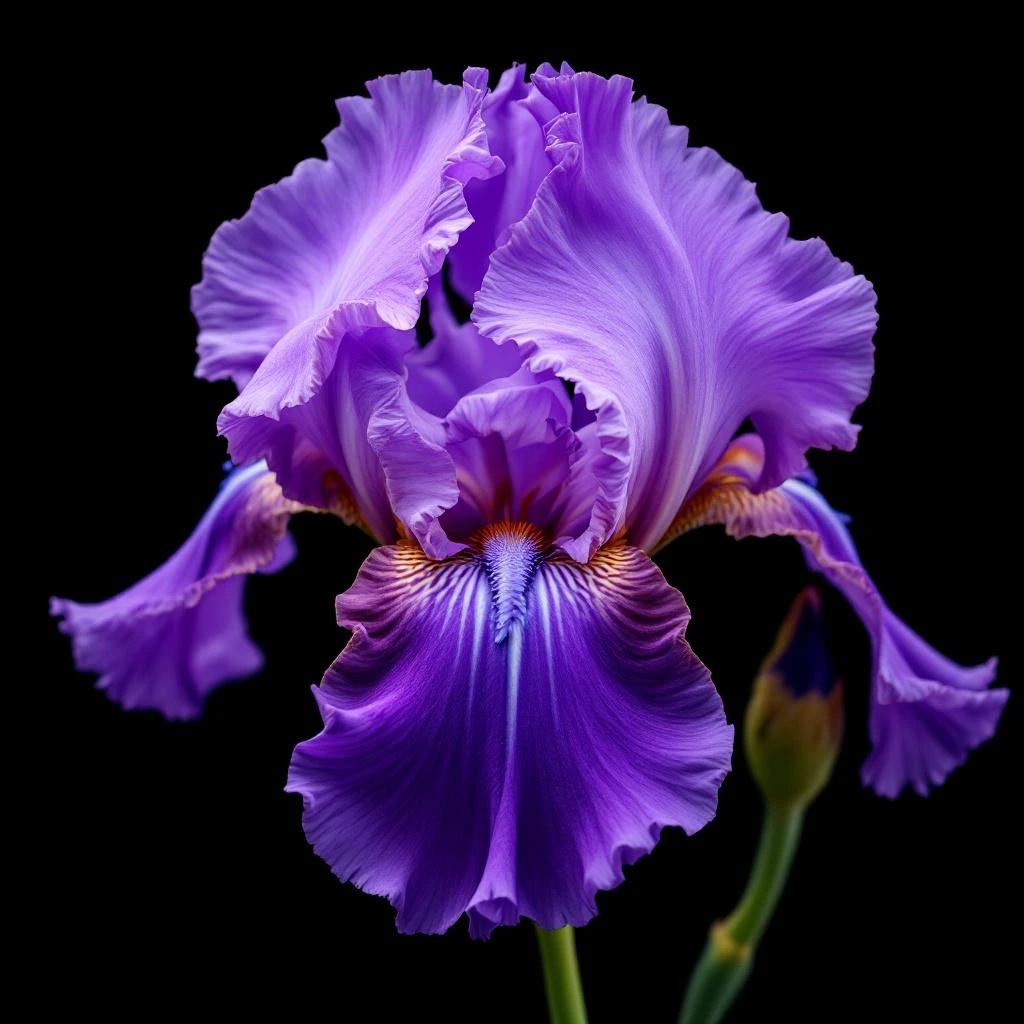
Parrot Tulips, with their exotic coloration and torn petal edges, became prized collector specimens. Perfumery adopted tulip as a note only in the late 20th century, as extraction techniques advanced enough to capture its fleeting green-floral character. Today, true tulip absolute appears in only a handful of fragrances annually, a whisper of spring preserved in bottle.
Wears it best
Fragrances featuring Parrot Tulip
Brands
Brands known for Parrot Tulip
Good to know
Questions, answered
The essentials on Parrot Tulip in perfumery: how it smells, where it comes from, and how it behaves on skin.
Is Parrot Tulip natural or synthetic in perfumery?
Mostly synthetic. True tulip absolute is extremely rare, and most tulip notes in perfumery are reconstructed using green-floral aromatics that approximate the flower's scent profile.
Why is Parrot Tulip so expensive in fragrance?
Extraction yields are minimal. Solvent extraction of fresh petals produces only trace amounts of absolute, requiring vast quantities of raw material.
What does Parrot Tulip smell like?
Green, floral, and leafy. The scent combines fresh-cut stem qualities with soft floral sweetness and a distinctive vegetable-like depth found in the actual bloom.
When did perfumers first use tulip?
Late 20th century. While tulips have a centuries-long cultivation history, perfumers only began working with the flower once extraction techniques advanced sufficiently.
Where is Parrot Tulip absolute produced?
France and the Netherlands. Specialty extraction houses in these regions handle the few batches produced each year from fresh petal harvests.
Which parts of the plant are used for extraction?
Fresh petals only. The petals' ruffled, irregular structure concentrates aromatic compounds, but yields remain minimal per kilogram of raw material.
How does Parrot Tulip differ from standard tulip in fragrance?
Parrot varieties have more dramatic petal structures that may yield slightly different aromatic compounds, though both require reconstruction due to naturally low fragrance intensity.
What fragrances use real Parrot Tulip absolute?
Only a handful annually. True tulip absolute appears in select niche fragrances, while most mainstream perfumes use reconstructed accords instead.