Pamplewood
A bright, modern aromatic that captures the zest of citrus wrapped in warm, dry wood. Pamplewood brings an unexpected freshness to fragrance structures, creating bridges between fruit and forest.
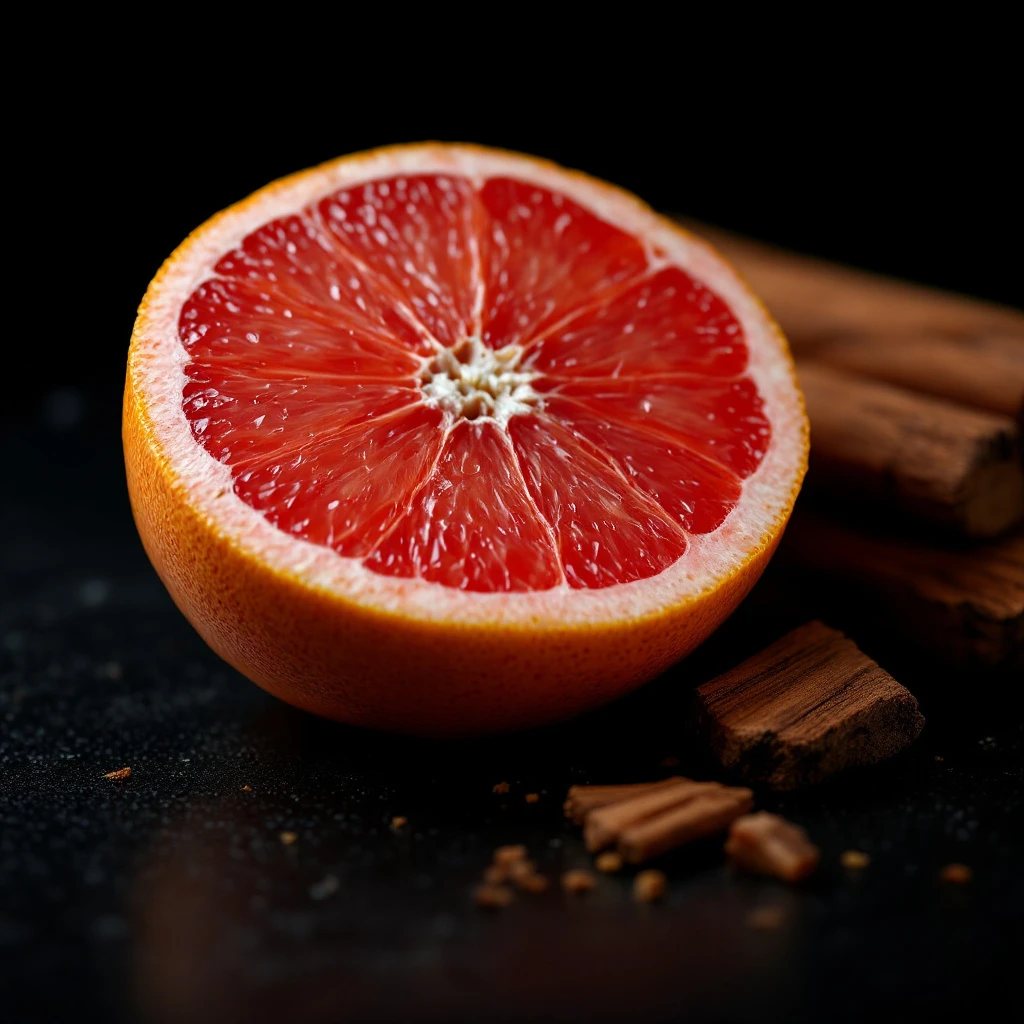
Character
How it smells
Where citrus brightness meets woody warmth.
The name combines French pamplemousse (grapefruit) with wood, reflecting its dual nature as a citrus-woody aromatic material.






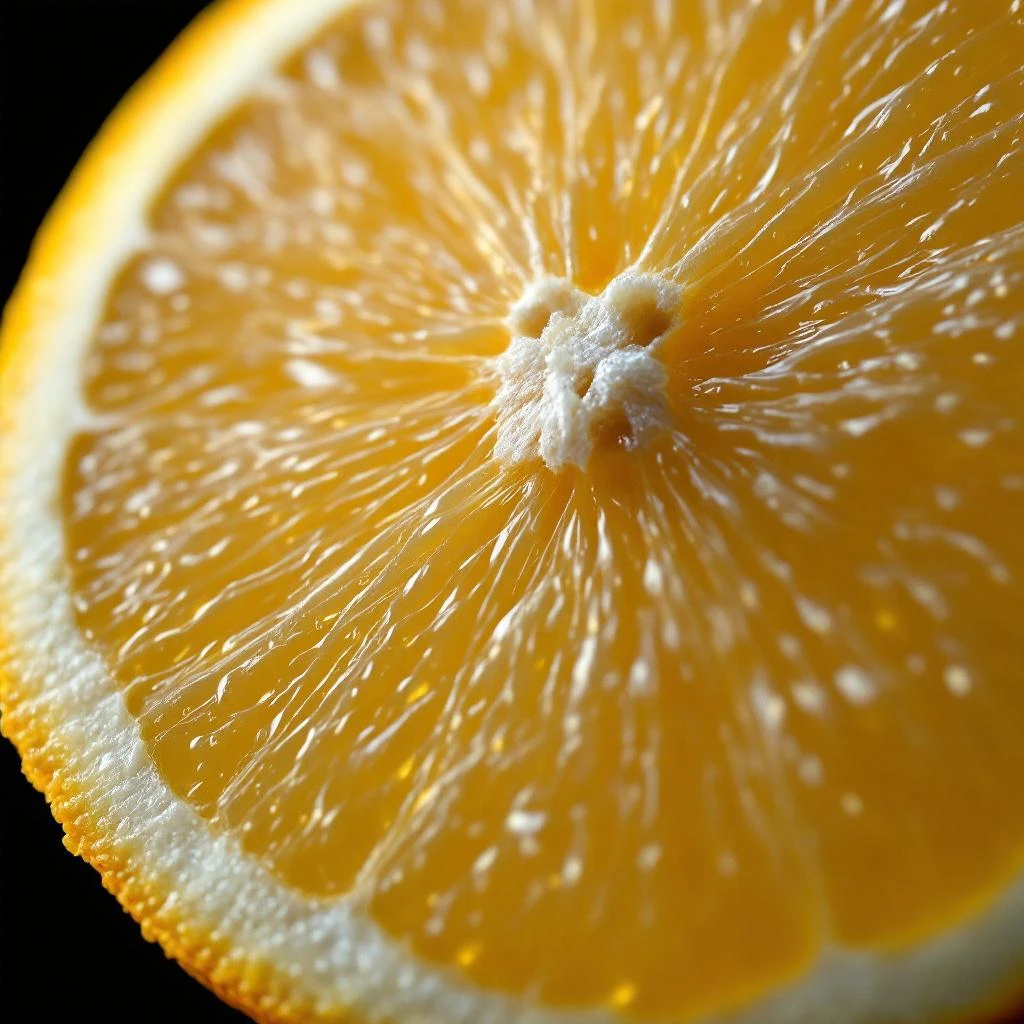

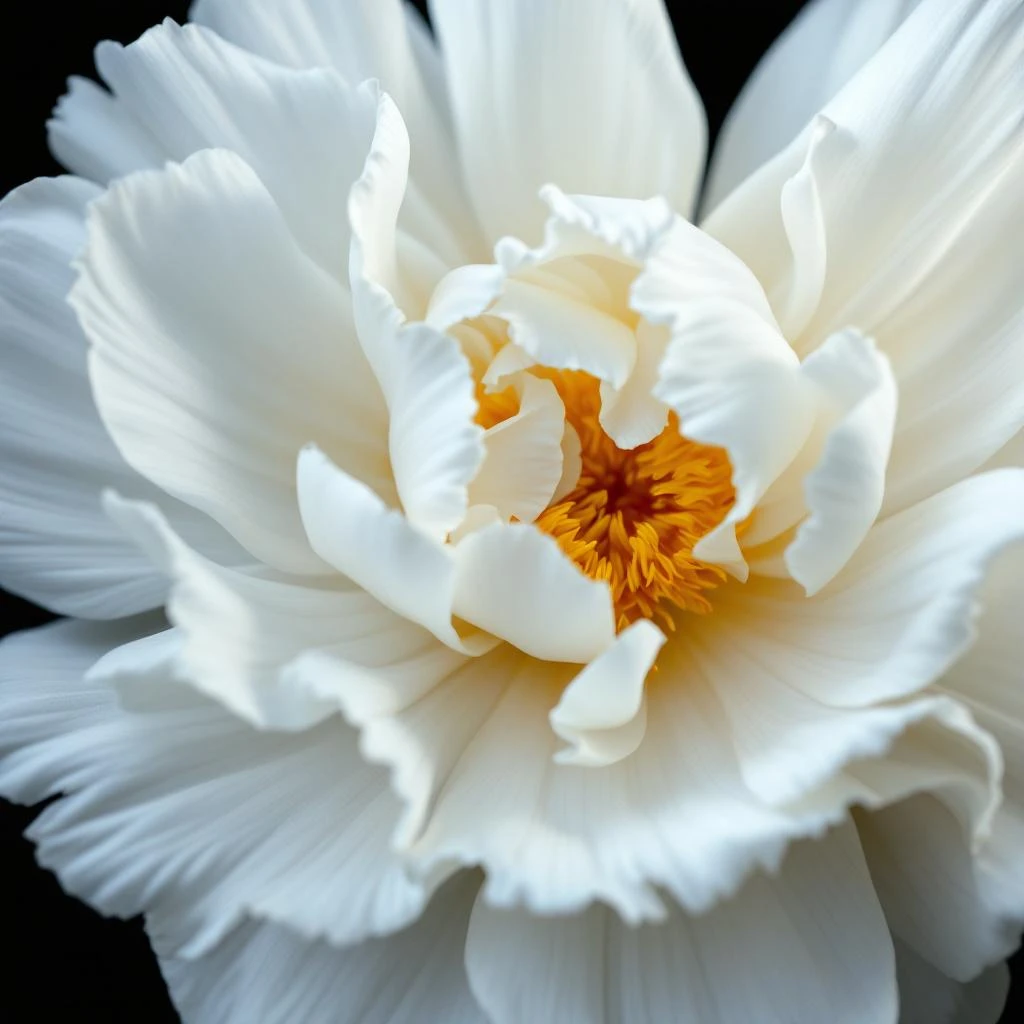
Origin
Switzerland
Pamplewood represents a modern evolution in perfumery's ongoing dialogue between nature and chemistry. While perfumers have worked with wood and citrus for millennia—from ancient Egyptian aromatic balms to Renaissance citrus pomanders—the concept of a material that authentically bridges these two olfactory territories emerged from 20th century aromatic chemistry.
The material came into prominence during the late modern perfumery era, as synthetic and semi-synthetic aromatics expanded the perfumer's palette beyond what nature provided. Today, Pamplewood serves as a bridge-building ingredient, helping perfumers create fragrances that feel both natural and precisely calibrated.
Wears it best
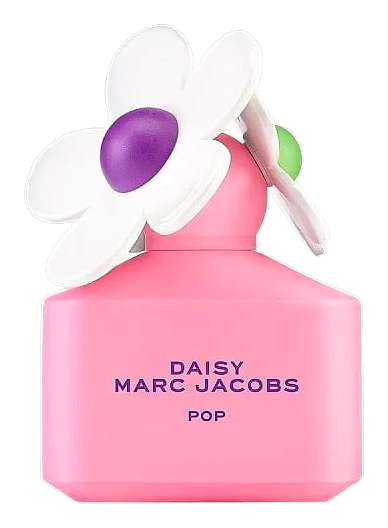
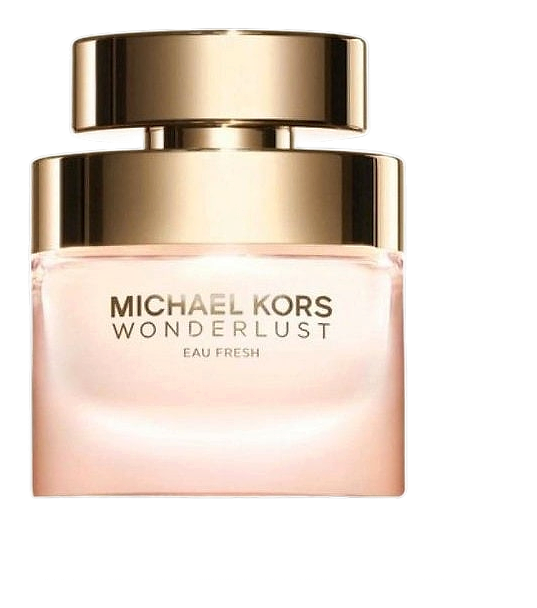
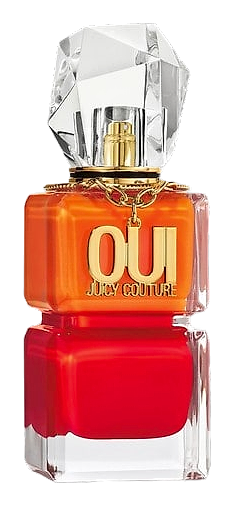
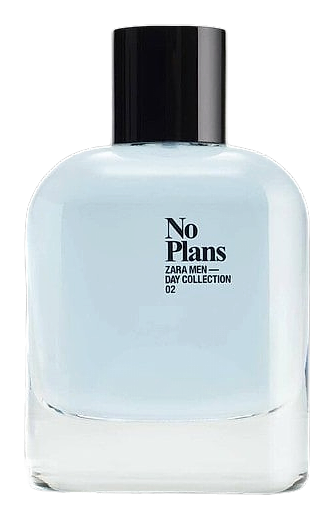
Fragrances featuring Pamplewood
Brands
Brands known for Pamplewood
Good to know
Questions, answered
The essentials on Pamplewood in perfumery: how it smells, where it comes from, and how it behaves on skin.
What does Pamplewood smell like?
Pamplewood presents a unique combination of bright citrus freshness and warm wood tones. It opens with zesty, slightly bitter citrus characteristics and settles into a dry, clean woodiness that provides lasting presence.
Is Pamplewood natural or synthetic?
Pamplewood is a synthetically produced aromatic material created through precise chemical synthesis, offering consistent olfactory properties batch to batch.
What fragrances use Pamplewood?
Pamplewood appears in contemporary fragrances that aim for a modern, clean aesthetic. It is commonly found in designer and niche perfumes targeting fresh-woody fragrance profiles.
How does Pamplewood perform in fragrance formulas?
Pamplewood serves as an effective bridge ingredient, connecting top-note citrus elements with base-note wood components. It adds freshness without fleeting too quickly.
Can Pamplewood cause skin sensitivity?
Like most aromatic materials, Pamplewood should be used within IFRA guidelines. Consult specific product documentation for concentration limits and skin safety data.
What fragrance families pair well with Pamplewood?
Pamplewood works exceptionally well in fresh woody, citrus woody, and modern chypre compositions. It bridges fruity and aromatic fragrance families effectively.
How long does Pamplewood last in a fragrance?
As a bridging material, Pamplewood typically functions as a heart-to-base transition element, contributing presence throughout the fragrance development over several hours.
Why do perfumers choose Pamplewood over natural wood oils?
Pamplewood offers batch-to-batch consistency, controlled allergenic profile, and the unique ability to deliver citrus-wood duality in a single material, simplifying formulation.



