Oroblanco
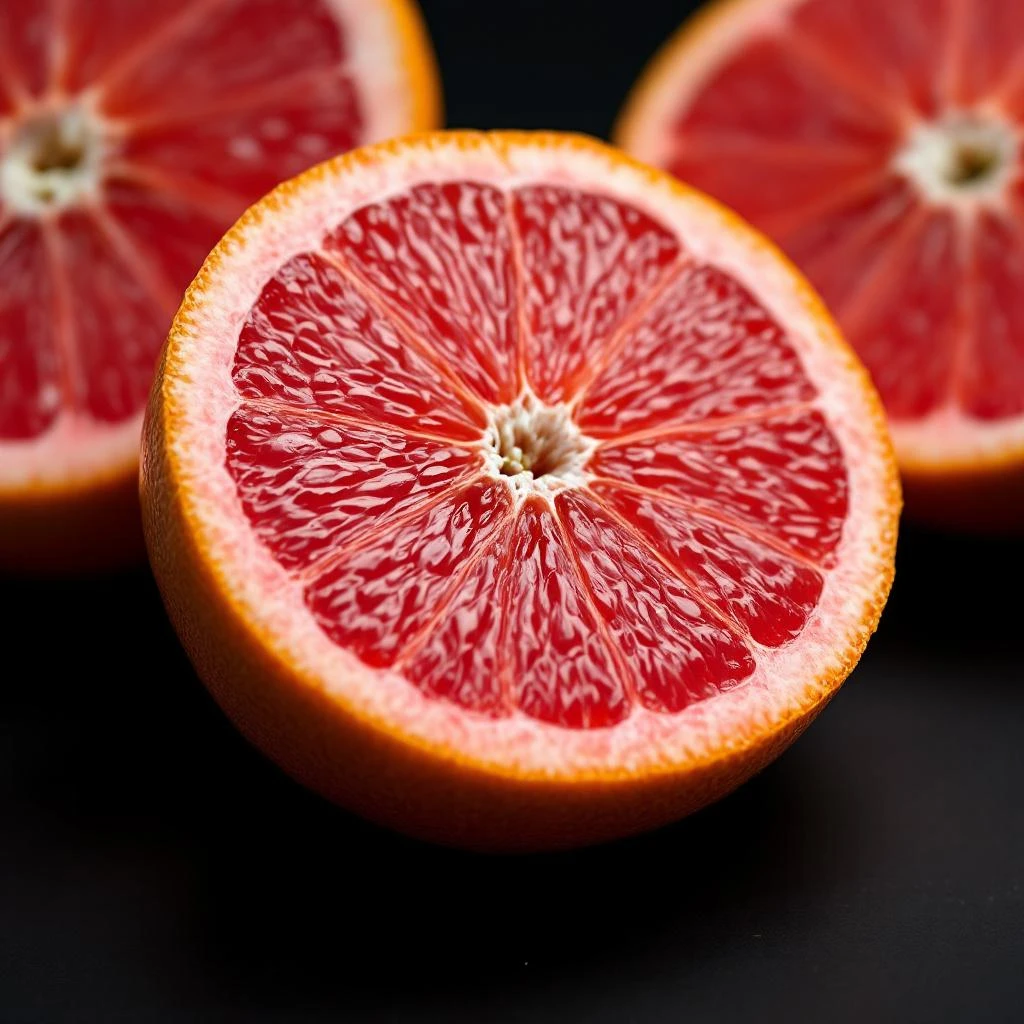
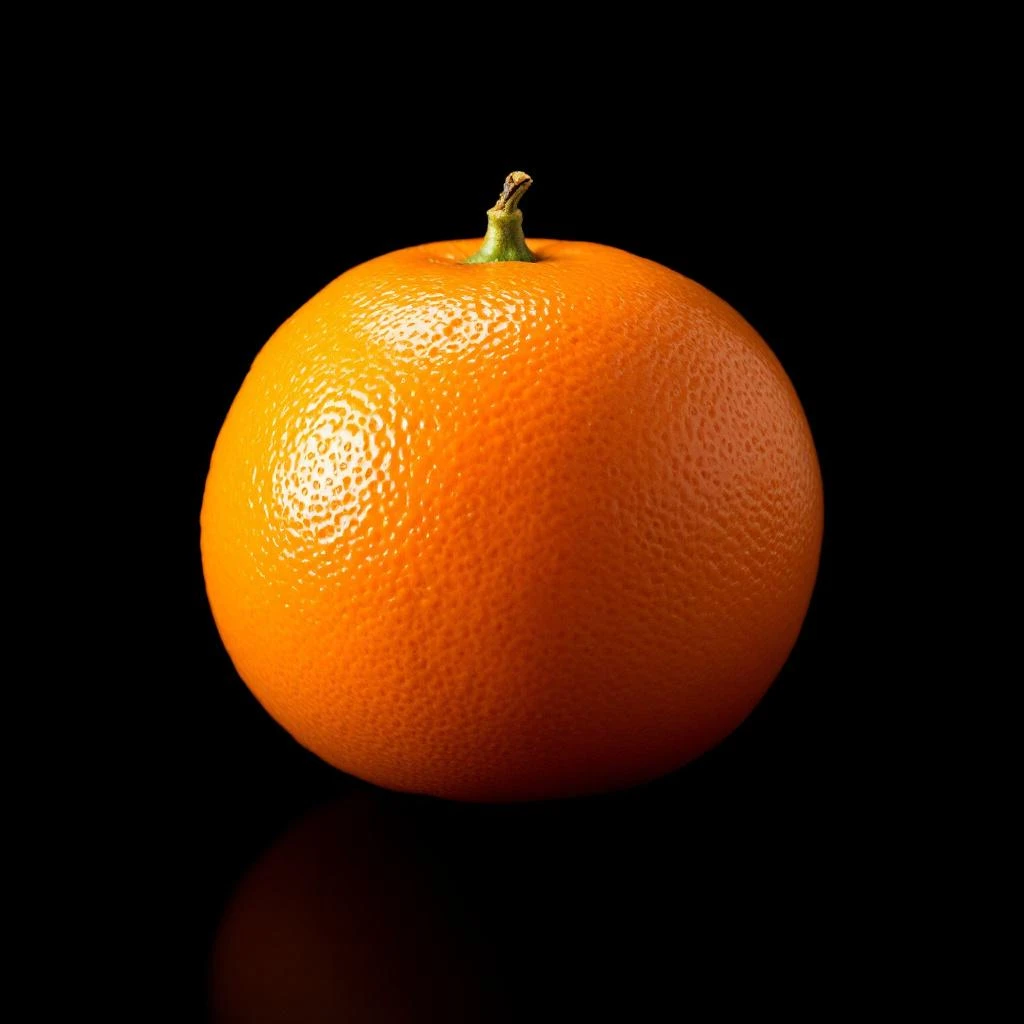
Oroblanco is a sweet, juicy citrus hybrid prized for its mellow, almost honeyed character in modern fragrance compositions. Its scent captures sunshine-warmed zest with a softer, rounder edge than traditional grapefruit.

Character
How it smells
Sun-warmed citrus with a honeyed, gentle bite
Oroblanco is a pomelo-grapefruit hybrid first developed at UC Riverside in the 1950s, originally bred for seedless sweetness rather than fragrance use.





Origin
United States
Oroblanco (Citrus paradisi x Citrus maxima) emerged from agricultural research at the University of California, Riverside in 1958, when plant scientists James Soost and Robert Cameron crossed a diploid pomelo with a tetraploid grapefruit. The goal was practical: produce a seedless, early-maturing citrus with sweeter flesh than conventional grapefruit. The hybrid reached commercial markets in the 1980s, primarily grown in California's San Joaquin Valley and later in Mediterranean climates including Spain and Italy.
Its entry into perfumery followed decades later, as niche and avant-garde fragrance houses began seeking novel citrus materials that offered gentler bitterness and rounder sweetness than traditional grapefruit. Oroblanco now appears in contemporary compositions where its mellow, sun-warmed character provides a refined alternative to more aggressive citrus oils, reflecting a broader trend in modern perfumery toward softer, more nuanced top-note constructions.
Wears it best
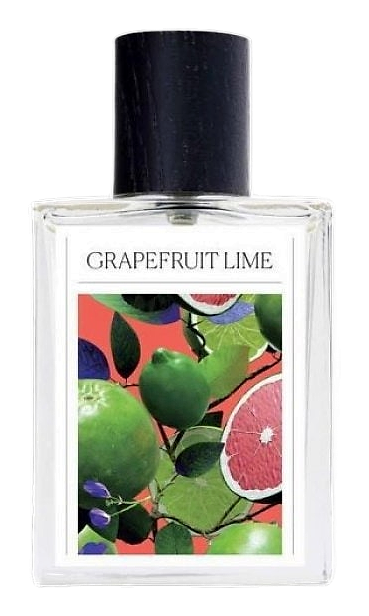
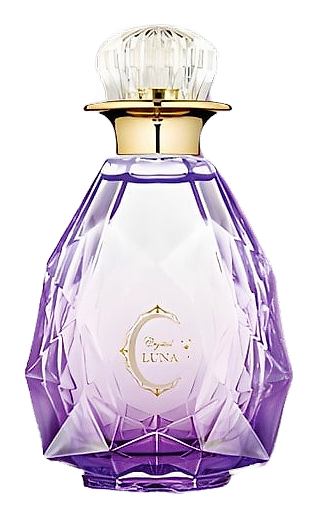
Fragrances featuring Oroblanco
Brands
Brands known for Oroblanco
Good to know
Questions, answered
The essentials on Oroblanco in perfumery: how it smells, where it comes from, and how it behaves on skin.
What does Oroblano smell like in perfume?
Oroblanco offers a sweet, mellow citrus profile with bright top notes of zest and softer, honey-like undertones. It smells rounder and less bitter than standard grapefruit, making it a gentler choice for citrus openings.
Is Oroblanco a natural or synthetic ingredient?
Oroblanco essence is produced naturally via cold-pressing the fruit peel. The citrus hybrid itself is entirely natural, first bred at UC Riverside in 1958 from pomelo and grapefruit parents.
Where is Oroblanco grown for perfumery?
Oroblanco is primarily cultivated in California's San Joaquin Valley, with additional production in Spain and Italy. California's Mediterranean climate produces fruit with high aromatic oil concentrations.
How does Oroblanco differ from regular grapefruit in fragrance?
Oroblanco contains lower levels of bitter compounds like naringin than traditional grapefruit, resulting in a sweeter, softer scent profile with less sharp acidity and more rounded, honeyed warmth.
What extraction method is used for Oroblanco?
Cold-pressing (expression) is the standard method, mechanically rupturing oil sacs in the peel without heat. This preserves delicate top-note molecules like limonene that steam distillation would partially degrade.
Is Oroblanco related to orange blossom or neroli?
Oroblanco is a citrus fruit hybrid (pomelo x grapefruit), unrelated to bitter or sweet orange trees that produce neroli and orange blossom absolute. Its aromatic profile is distinctly fruity rather than floral.
Which perfumes feature Oroblanco as a notable note?
Oroblanco appears primarily in niche and avant-garde fragrance houses exploring novel citrus materials. Specific high-profile examples remain limited, as the ingredient is still emerging in mainstream perfumery.
Can Oroblanco be used as an essential oil?
Yes, but the expressed oil is often rectified to remove waxes and improve diffusion in alcohol-based fragrances. This creates a lighter, more transparent citrus note suitable for fine fragrance applications.