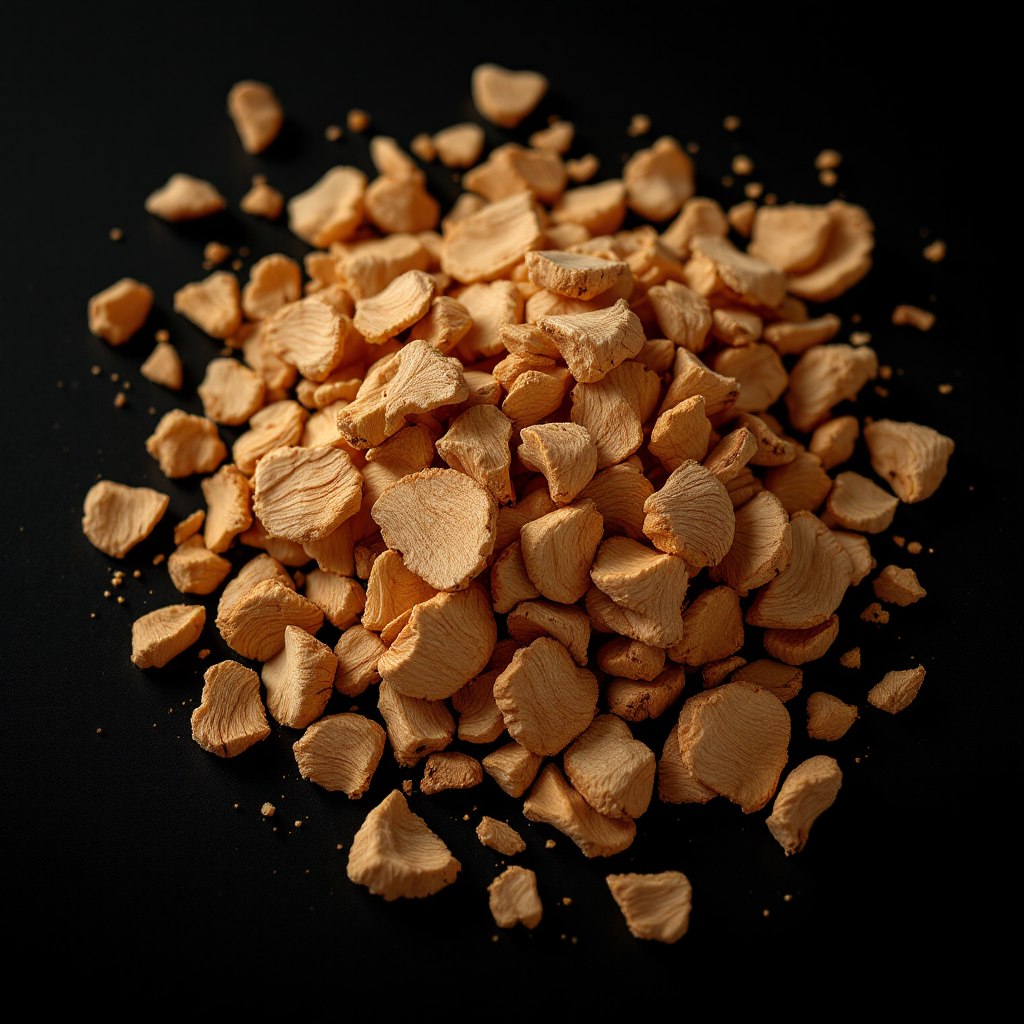
Orangewood
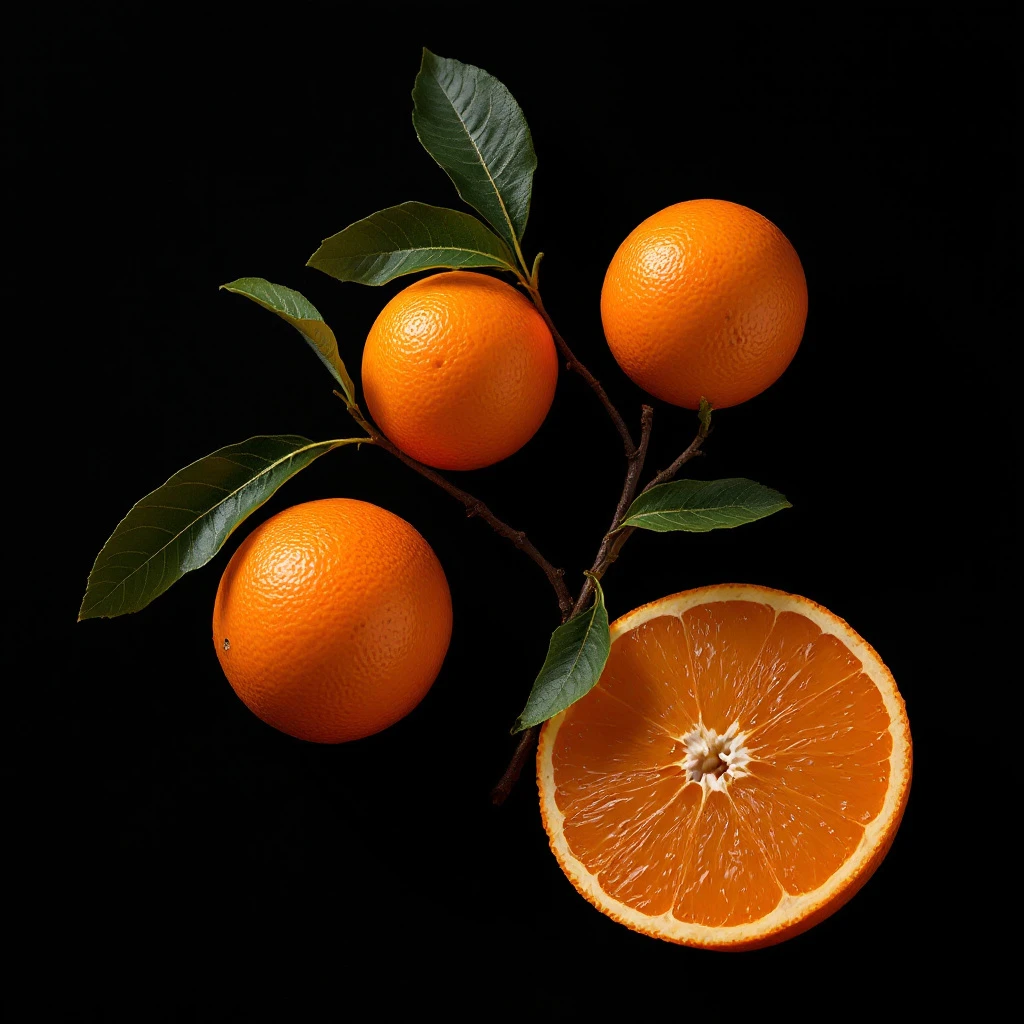
Orangewood refers to wood from the Citrus sinensis tree, offering a subtle citrusy-woody aromatic profile. While orange blossoms and peel dominate perfumery, the wood provides a grounded, warm base note with gentle citrus undertones.
Character
How it smells
Grounded citrus with warm woody depth
The same tree producing fragrant blossoms also yields wood with aromatic properties, though less concentrated than its floral counterpart.







Origin
Mediterranean region
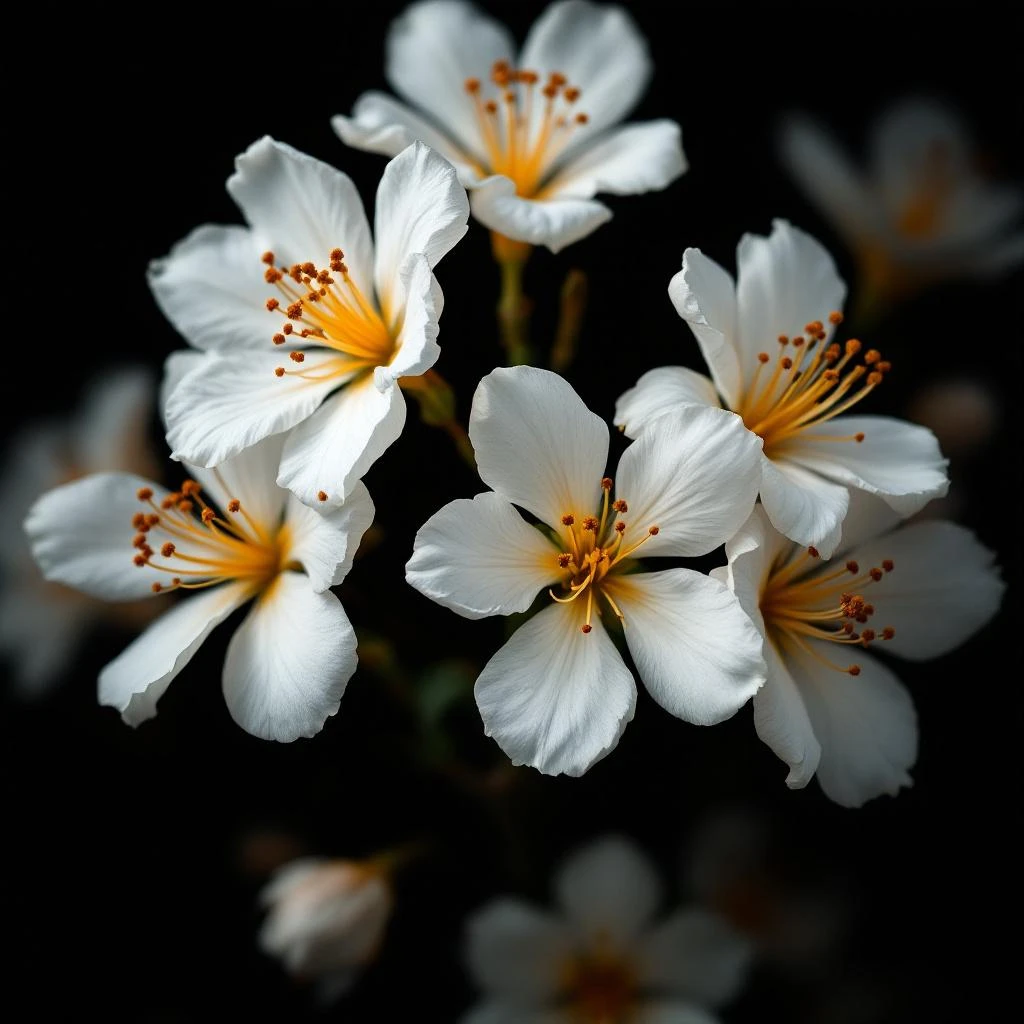
Orange trees have been cultivated for millennia, primarily for fruit and ornamental purposes. While orange blossom gained prominence in perfumery by the 18th century, with neroli becoming integral to Eau de Cologne formulas, the wood itself received less attention.
The historical focus remained on flowers and fruit peels. However, as perfumery expanded to utilize entire botanical components, orangewood emerged as a niche material.
Mediterranean and subtropical regions where citrus cultivation flourished became natural sources. Modern interest in complete plant utilization has brought renewed attention to materials like orangewood.
Wears it best
Fragrances featuring Orangewood

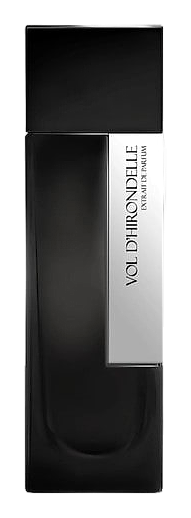
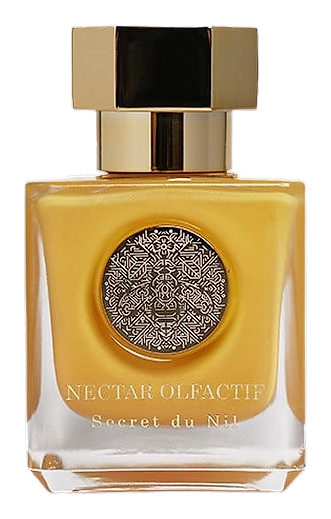
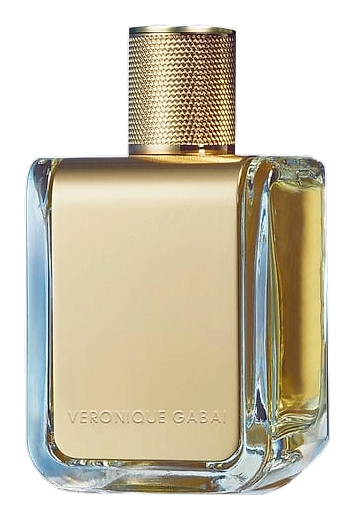
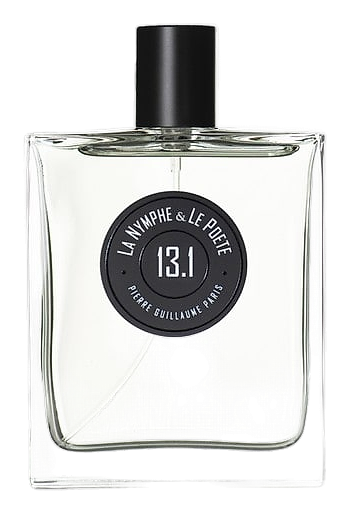
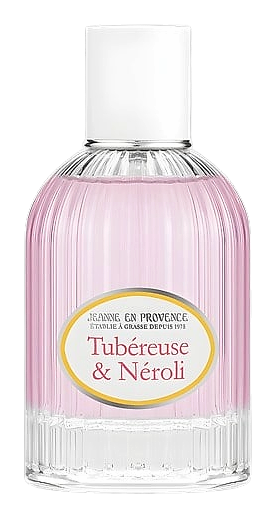
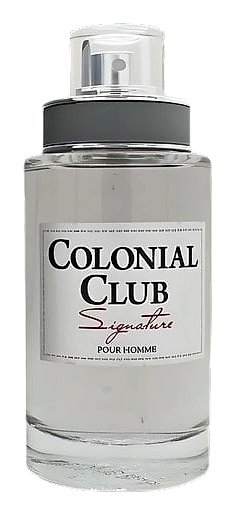

Brands
Brands known for Orangewood
Good to know
Questions, answered
The essentials on Orangewood in perfumery: how it smells, where it comes from, and how it behaves on skin.
What is orangewood in perfumery?
Orangewood is wood sourced from the Citrus sinensis tree, used as a fragrance material with warm woody and subtle citrus aromatic properties.
How does orangewood smell?
Orangewood offers a grounded, warm woody scent with gentle citrus undertones, serving as a base note that adds depth to fragrance compositions.
Is orangewood a natural ingredient?
Yes, orangewood is a natural material derived from the wood of orange trees through steam distillation.
How is orangewood extracted?
Steam distillation extracts aromatic compounds from orange tree wood and branches, capturing its woody and subtly citrus character.
What part of the orange tree is used?
The wood and smaller branches of the Citrus sinensis tree are processed for their aromatic properties.
Where does orangewood originate?
Orange trees grow primarily in Mediterranean and subtropical regions, with significant cultivation in Spain, Italy, and Florida.
How does orangewood compare to neroli?
Neroli comes from orange blossoms and delivers intense floral-citrus notes, while orangewood provides a subtler woody-citrus profile as a base note.
Is orangewood commonly used in perfumery?
Orangewood is a niche material, less common than orange blossom or peel extracts, but valued by artisans seeking complete botanical utilization.