
The Story
Why it exists.
The beginning
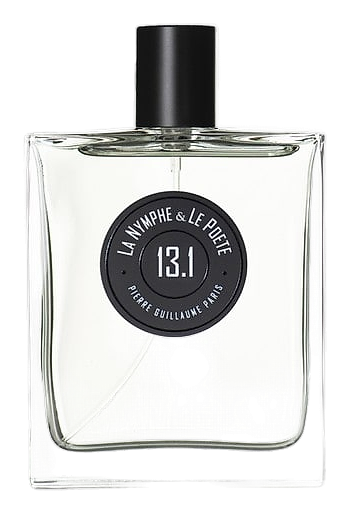
Pierre Guillaume built La Nymphe & Le Poète 13.1 around 19th-century Romanticism, a movement that valued emotional intensity over restraint, the personal over the formulaic. The name itself is a declaration: a mythological figure and the voice that interprets her. "13.1" refers to the fragrance's place in the house archive, a reference point rather than a mystery. Old Roses, Orange Wood, and Cistus form the structural backbone, chosen for their capacity to evoke something already half-remembered.
The tea rose used here isn't the jam-sweet Bulgarian variety found in most rose compositions. It's the kind that smells like its name implies, green, slightly herbal, the way Earl Grey smells when you crush a bergamot peel between your fingers. Orangewood brings a dry, slightly bitter woodiness that grounds the rose without softening it. Cistus adds a subtle labdanum warmth that prevents the whole thing from going austere. Together, these materials create a rose that feels literary rather than decorative.
The evolution
The opening arrives crisp and immediate. Citrus brightness gives way within minutes to the tea rose, that green, slightly astringent note that signals something different from the start. Violet appears around the 10-minute mark, adding its characteristic powdery sweetness and tempering the rose's sharpness. The heart holds for two to four hours, the orangewood becoming more apparent as the initial brightness fades, lending woody warmth that keeps the floral elements from feeling precious. By the fourth hour, the drydown settles into something intimate and close. A soft amber-wood residue remains on skin, detectable at arm's length only if someone leans in.
Cultural impact
Within the house's portfolio, La Nymphe & Le Poète 13.1 occupies the literary corner, appealing to collectors who prioritize atmosphere over projection, who want a fragrance to smell like rather than announce. The modest sillage and intimate longevity serve the concept rather than limit it. This is perfume for the curious, not the conspicuous.