
The Story
Why it exists.
The beginning
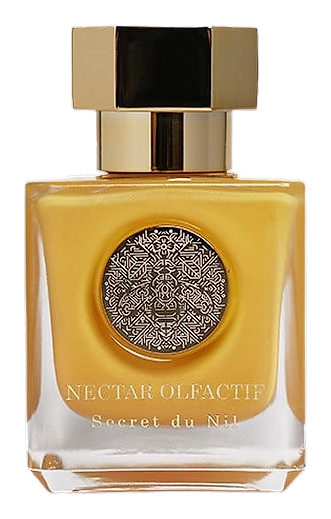
Secret du Nil was born from the Nile's enduring mystery. The river's origins remain unknown, yet its banks have sustained civilizations for millennia, fruit orchards, flowering fields, the warmth of honey and sunlight. Nectar Olfactif drew on this legacy. The bee, ancient Egypt's royal symbol, connects the brand's identity to the fragrance: both evoke the concept of sweetness. For Secret du Nil, perfumer Sidonie Lancesseur translated the Nile's abundance into scent, a river of honeyed almond and neroli, warm and floral. The name is the point: a secret the river holds, glimpsed in this bottle.
The structure here is worth noting. Bitter almond opens with an almost marzipan intensity, sweet, slightly bitter, deeply evocative. Bergamot and bitter orange cut through briefly, a flash of citrus that prevents the almond from cloying. The contrast is immediate: warmth versus brightness, gourmand versus fresh. In the heart, almond takes over alongside neroli and honey. Orangewood adds a subtle woody citrus that bridges the top and base without competing. Vanilla and sugar powder anchor the drydown, but cedar prevents the whole thing from sliding into pure confection.
The evolution
The opening hits within seconds. Bitter almond announces itself first, joined quickly by bergamot's citrus brightness. This phase lasts roughly 30 minutes before the neroli and honey arrive, floral warmth that softens the almond into something rounder and more enveloping. The transition is not dramatic; it is a slow hand-off. By hour two, the honey has settled into vanilla and sugar powder. Musk adds a skin-close warmth that keeps the drydown intimate rather than projecting. Cedar appears late, providing just enough structure to prevent the base from going entirely soft. The fragrance lingers for hours, the vanilla and sugar holding on the fabric and skin, the kind that someone beside you notices before you enter the room.
Cultural impact
Secret du Nil threads a specific needle in the gourmand space. Sweet enough to satisfy the lover of edible notes, restrained enough to avoid cloying territory. The honey-almond combination reads as something other than the typical vanilla-gourmand or straightforward floral. What wears well in this fragrance is versatility: the warm, close drydown makes it suitable across seasons, with particular strength in cooler months when the honey and vanilla come forward. The fragrance has found its audience among those who want something sweet without being overwhelmed, something that whispers rather than shouts in a crowded room.