Roasted almond
Roasted almond brings warm, buttery sweetness with toasted depth to fragrance compositions. The note works as a cornerstone in gourmand and oriental families, lending comfort and sensuality that pairs naturally with vanilla and tonka. Its edible warmth made it central to the 1992 emergence of the modern gourmand fragrance category.

Character
How it smells
Warm, buttery sweetness with a toasted, comforting depth.
The signature almond scent comes from benzaldehyde, the same compound that gives cherry pits their distinctive aroma.









Origin
Iran
Almonds have been used as fragrance materials since ancient Mediterranean civilizations, with Egyptians incorporating almond oil into their ceremonial balms and scented preparations stored in fatty bases. Native to the Middle East, almonds spread along trade routes to become valued by Greek and Roman cultures for both culinary and aromatic purposes. The apricot pit, a botanical cousin, was also historically hydrodistilled to capture similar bitter almond notes.
Modern perfumery's relationship with roasted almond transformed dramatically in 1992 when Thierry Mugler's Angel launched as the first true gourmand fragrance, proving that edible-inspired notes could command mainstream luxury positioning. This landmark release established roasted almond as a permanent fixture in perfumers' palettes, particularly in oriental and amber compositions where its warmth adds inviting depth.
Wears it best
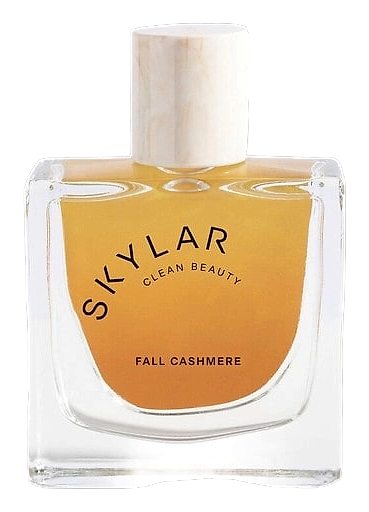
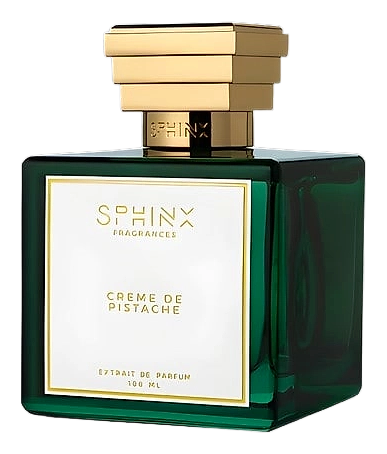
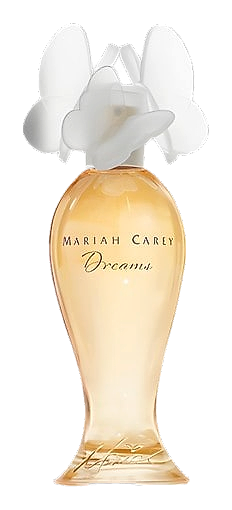
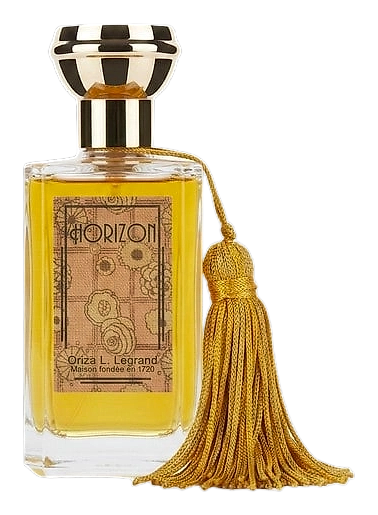
Fragrances featuring Roasted almond
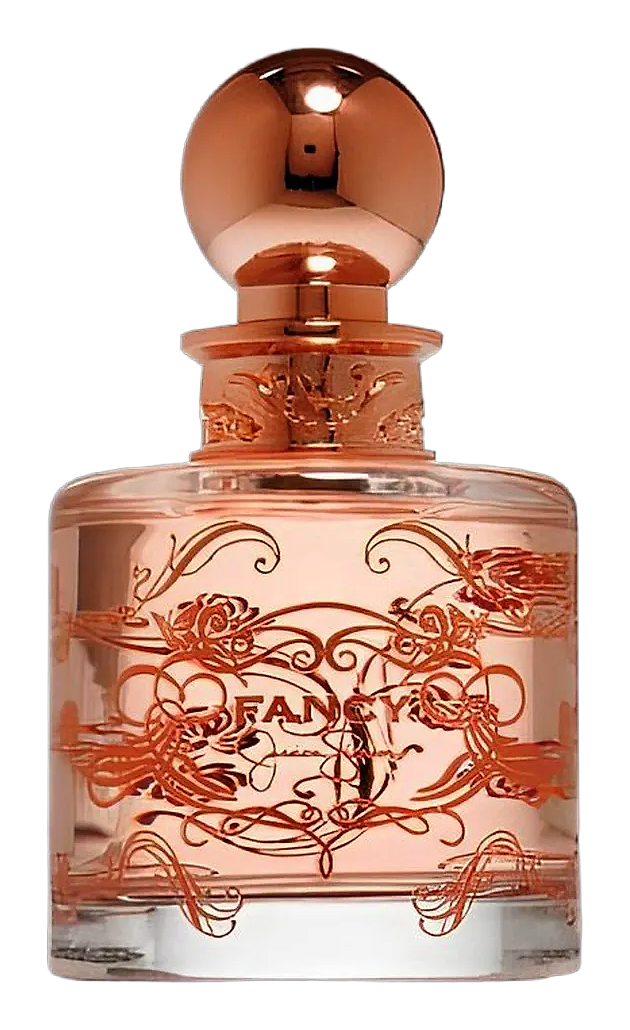
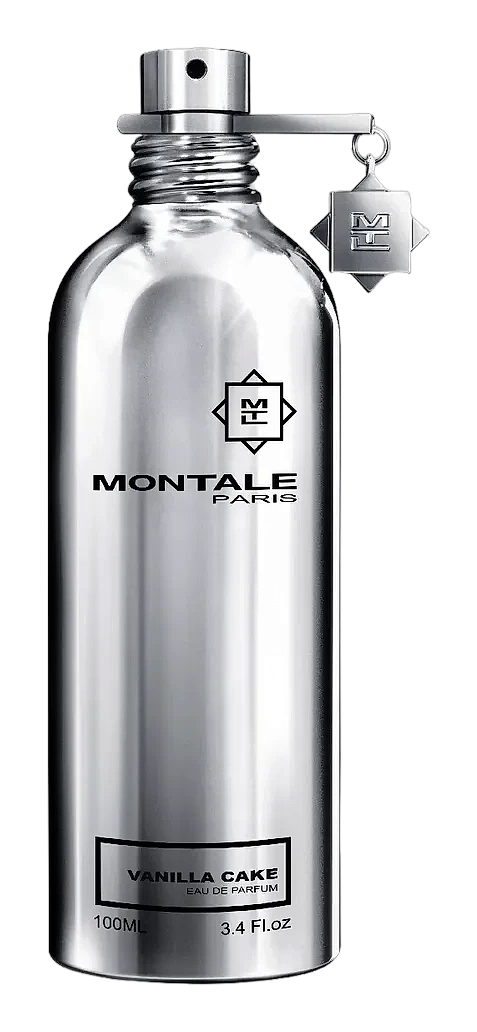
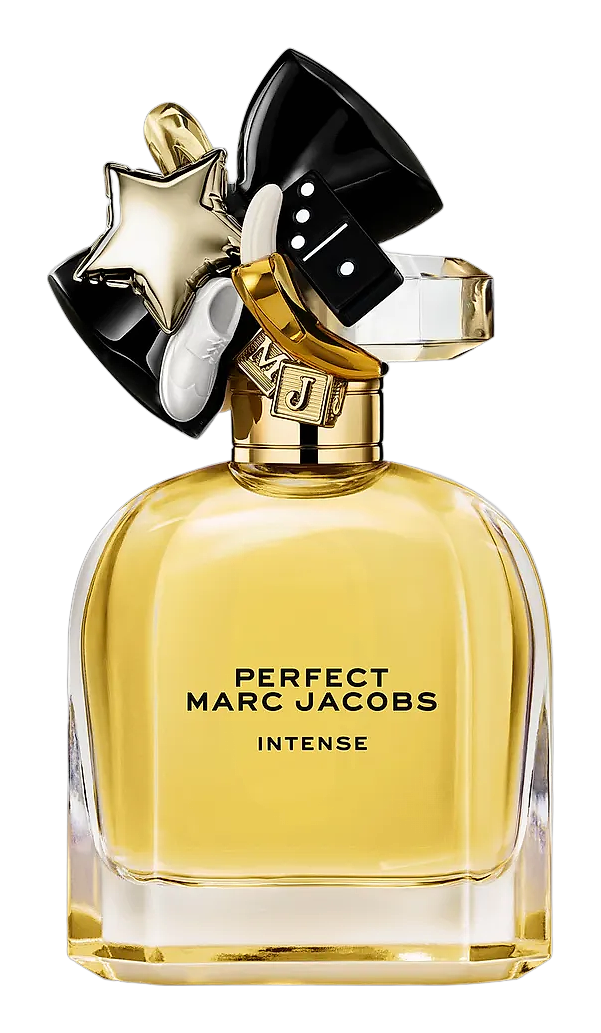
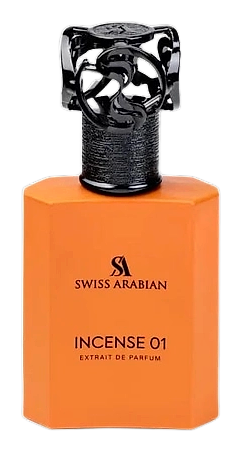

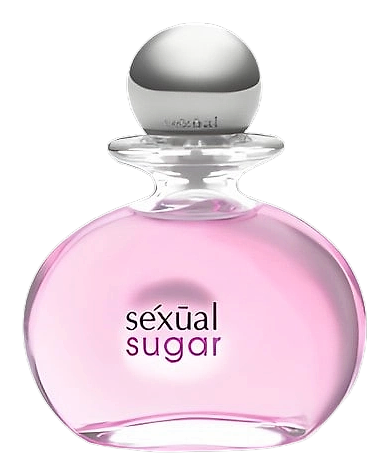
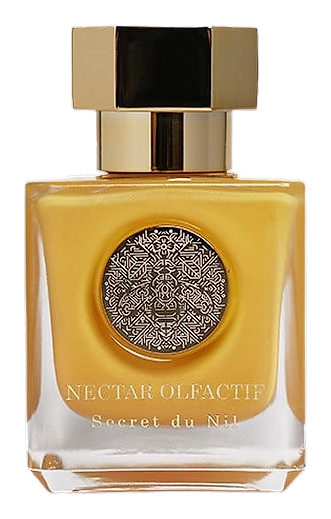
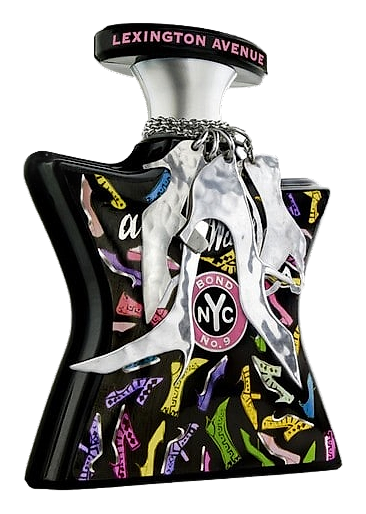
Brands
Brands known for Roasted almond
Good to know
Questions, answered
The essentials on Roasted almond in perfumery: how it smells, where it comes from, and how it behaves on skin.
What does Roasted almond smell like in perfume?
Roasted almond delivers warm, buttery sweetness with toasted, nutty depth and a subtle marzipan quality. The note reads as edible and comforting, often with faint bitter undertones from benzaldehyde. In blends, it creates an immediate sense of warmth and sensuality.
Why is Roasted almond used in perfumery?
Roasted almond adds warmth, depth, and gourmand appeal that enhances oriental and amber compositions. The note creates an inviting, edible character that appeals broadly across gender demographics. It also serves as an effective bridge between sweet and warm fragrance families.
Is Roasted almond in perfume natural or synthetic?
Most roasted almond notes in commercial perfumes are synthetic, primarily benzaldehyde, which was first produced commercially in the late 19th century. Natural almond oil exists but contains amygdalin that releases hydrogen cyanide, making synthetic alternatives safer and more controllable for perfumery use.
What famous perfumes contain Roasted almond?
Thierry Mugler's Angel (1992) pioneered the modern gourmand category with roasted almond at its core. The note also appears prominently in Narciso Rodriguez For Her, Prada Candy, and many oriental fragrances from houses like Dior and Tom Ford.
Is Roasted almond a top note, heart note, or base note?
Roasted almond functions primarily as a base note, providing lasting warmth and depth that develops over 30-60 minutes. Its molecules have moderate tenacity, allowing the note to persist through the heart phase while anchoring compositions with lingering comfort.
What notes pair well with Roasted almond in perfume?
Roasted almond pairs naturally with vanilla, tonka bean, and caramel for enhanced gourmand warmth. It complements woody notes like sandalwood and cedar while harmonizing with jasmine and orange blossom in oriental compositions. Spices like cardamom add complexity.
Where does Roasted almond come from?
Prunus dulcis, the almond tree, originated in the Middle East, with Iran, California, and Spain as major modern producers. The fruit's kernel provides the aromatic material, though perfumers more commonly rely on synthetic benzaldehyde created through chemical synthesis rather than physical extraction.
Is Roasted almond used in men's or women's fragrances?
Roasted almond is gender-neutral in contemporary perfumery, appearing equally in men's oriental fragrances and women's gourmand compositions. The note's warm, comforting character works across demographics, though it gained prominence through women's fragrances in the 1990s gourmand movement.