Orange Jessamine
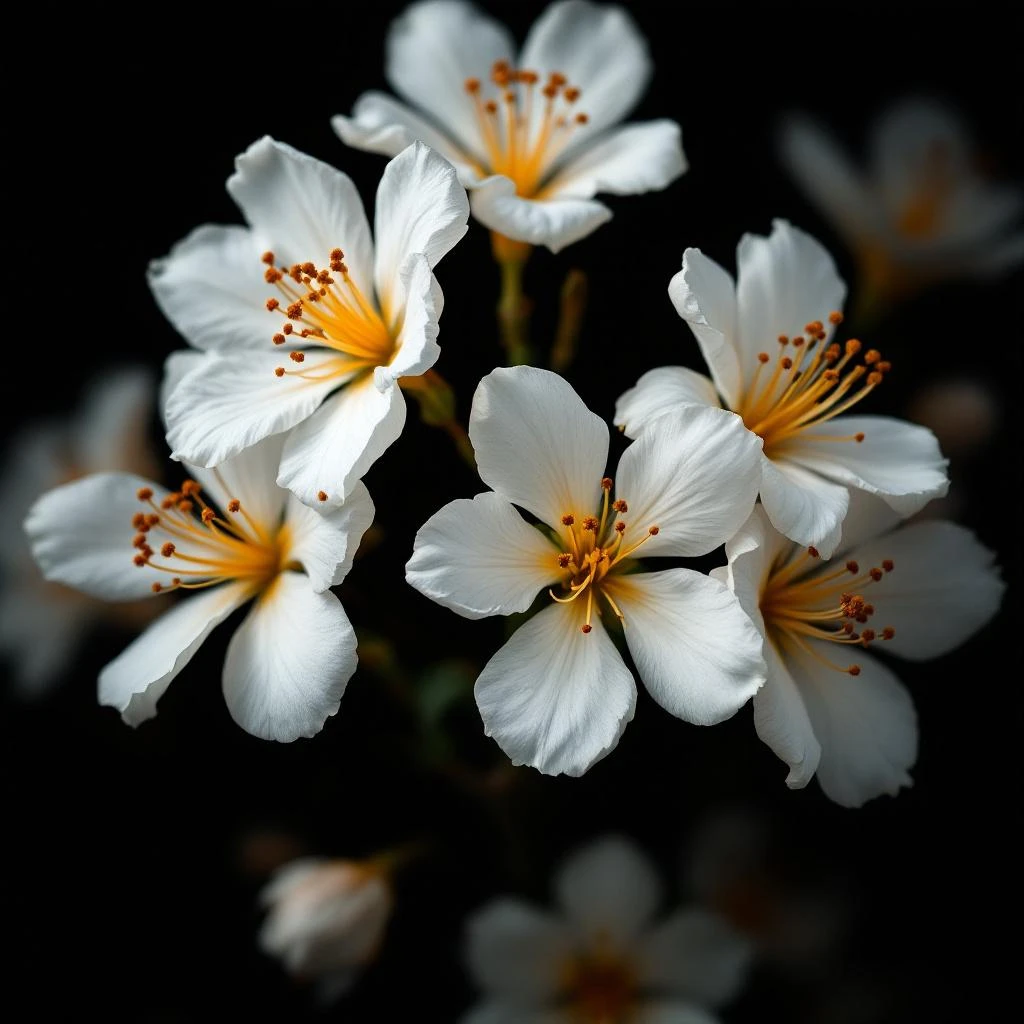
Orange Jessamine (Murraya paniculata) delivers the heady intimacy of jasmine paired with a bright citrus brightness. Its creamy white blossoms release an intoxicating scent at dusk, earning it the common name 'perfume tree' across tropical gardens from India to Florida.
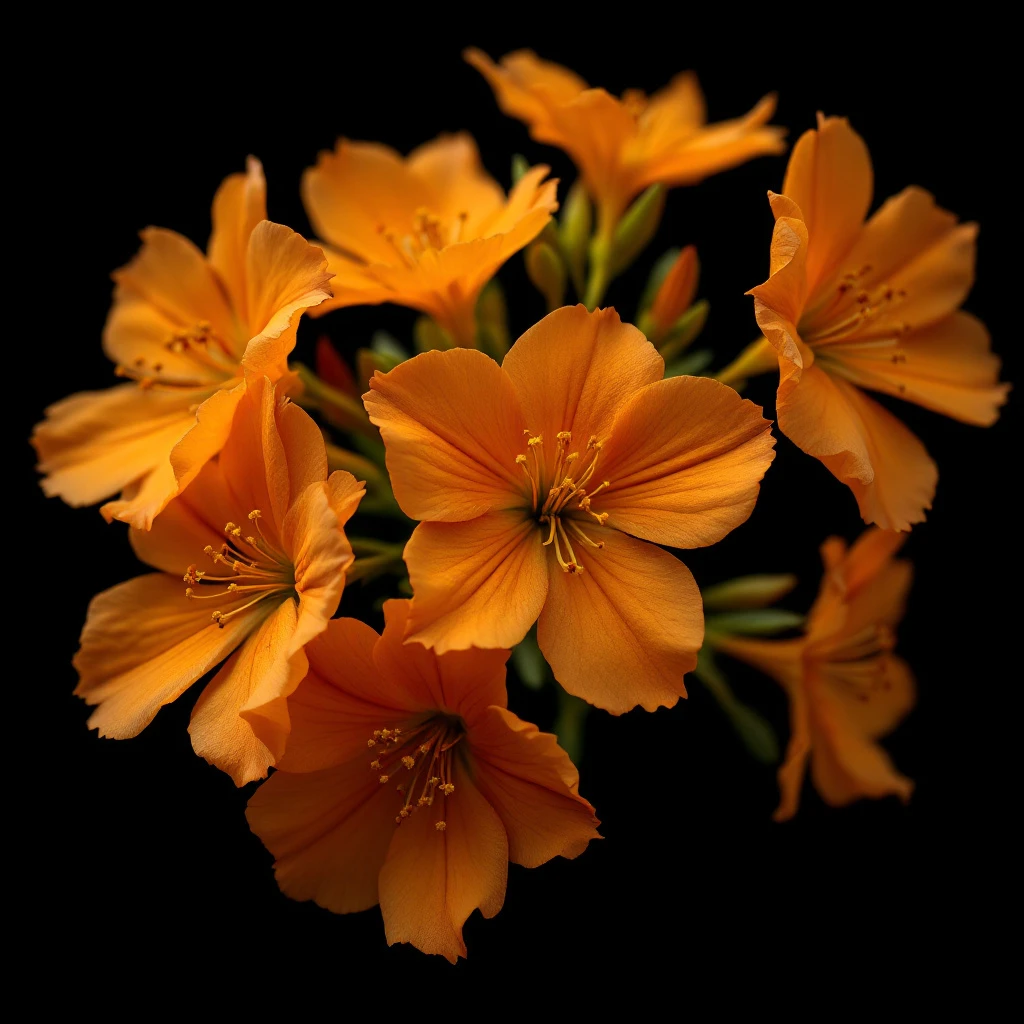
Character
How it smells
Where jasmine warmth meets citrus light.
A single Murraya paniculata tree can perfume an entire garden at night, when its flowers open to attract nocturnal pollinators.


Origin
India
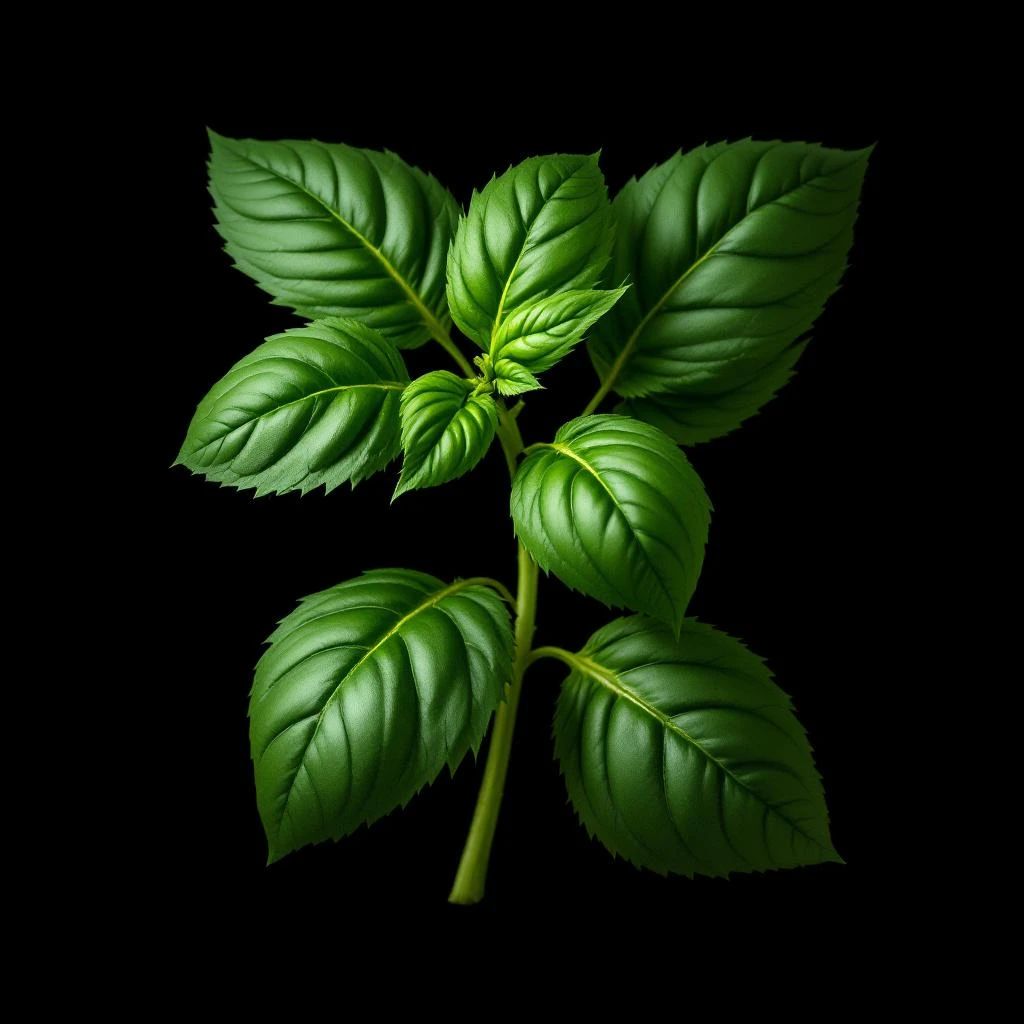
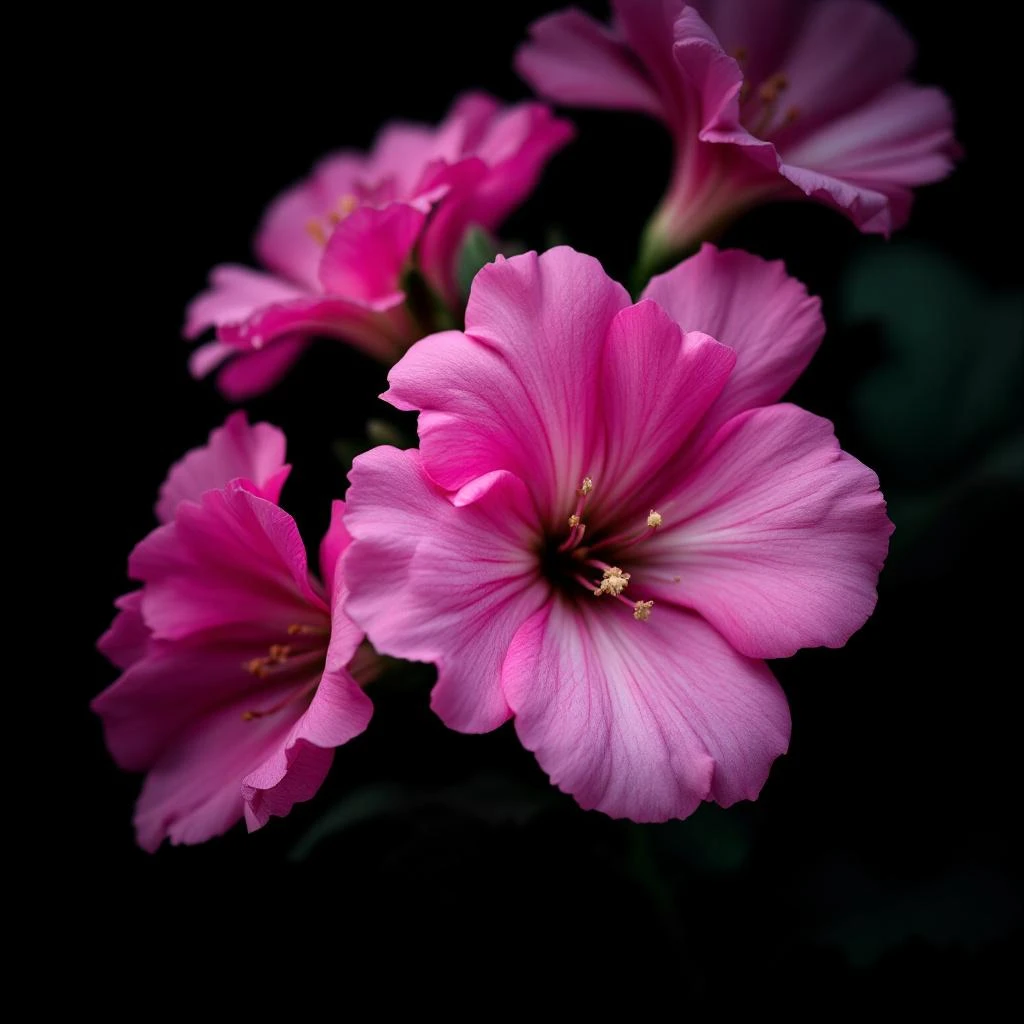
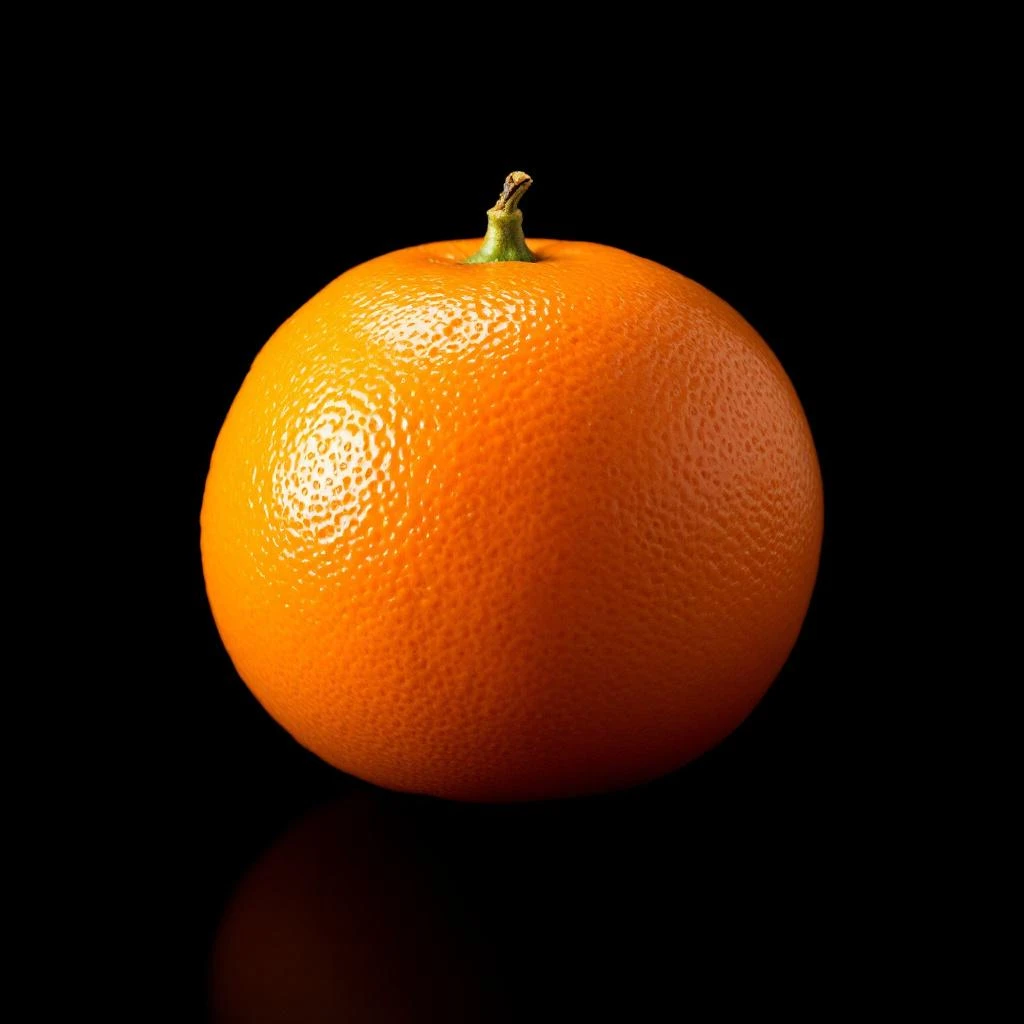
Murraya paniculata earned its 'Orange Jessamine' name for the jasmine-like sweetness of its flowers combined with a citrus undertone reminiscent of orange blossom. Native to southern Asia, it has been cultivated for centuries across India, China, and Southeast Asia as an ornamental and ritual plant.
In Hindu tradition, the flowers were woven into garlands offered to deities and used in wedding ceremonies. The plant arrived in the Caribbean and Florida via colonial trade routes in the 18th century, where it naturalized in tropical gardens.
European botanical collectors documented it extensively during the 19th century, noting its extraordinary nocturnal fragrance. While jasmine absolute from Jasminum species dominates modern perfumery, Orange Jessamine occupies a quieter niche among natural perfumers seeking distinctive white floral materials with citrus warmth.
Wears it best
Fragrances featuring Orange Jessamine
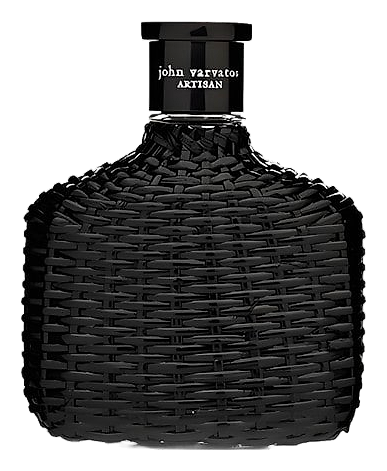
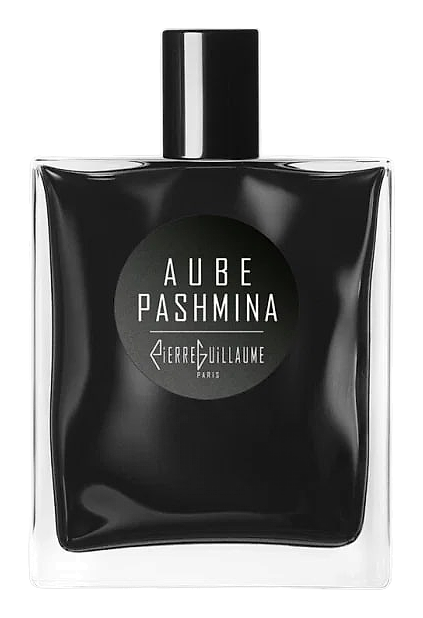
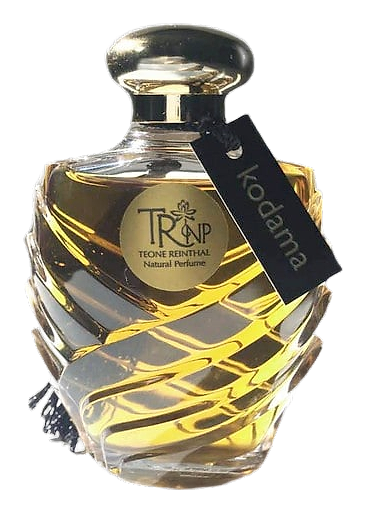
Brands
Brands known for Orange Jessamine
Good to know
Questions, answered
The essentials on Orange Jessamine in perfumery: how it smells, where it comes from, and how it behaves on skin.
What does Orange Jessamine smell like?
Orange Jessamine combines jasmine's creamy, narcotic sweetness with a bright citrus lift. The result is a white floral scent with sparkling green top notes and a warm, slightly indolic base.
Is Orange Jessamine the same as orange blossom?
No. Orange Jessamine comes from Murraya paniculata, while orange blossom (neroli) derives from Citrus aurantium. Both are white florals with citrus facets, but they differ in structure and botanical origin.
Which jasmine species are used in perfumery?
Two species dominate: Jasminum grandiflorum (Spanish jasmine) and Jasminum sambac (Arabian jasmine). Both grow extensively in Egypt, which produces approximately 2,500 tonnes of jasmine flowers annually for the fragrance industry.
How is Orange Jessamine absolute extracted?
Solvent extraction preserves the delicate headspace compounds that steam distillation would destroy. Fresh blossoms are processed within hours of harvest to prevent scent degradation.
Where does Orange Jessamine grow?
Murraya paniculata originates in South and Southeast Asia, ranging from India through southern China, Malaysia, and Indonesia. It now grows in tropical and subtropical gardens worldwide, including Florida and the Caribbean.
Is Orange Jessamine used in mainstream perfumes?
It remains a specialty ingredient in artisan and niche natural perfumery. Mainstream fragrances typically use jasmine absolute from Jasminum grandiflorum, sourced predominantly from Egypt's Nile Delta region.
Why is jasmine so important in perfumery?
Jasmine has been central to fragrance for millennia, from ancient Egyptian rituals to modern fine fragrance. Its complex scent profile provides rich volume and warmth that few natural materials replicate convincingly synthetically.
What extraction method was used for jasmine historically?
Enfleurage was the primary method before solvent extraction became standard. In this cold-process technique, flowers were pressed into cooled fats that absorbed their scent compounds over hours.




