


























Heritage
A house, in its own words
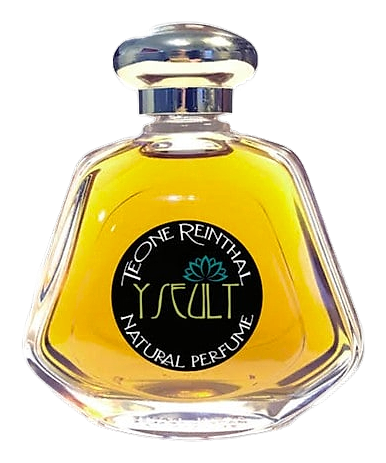
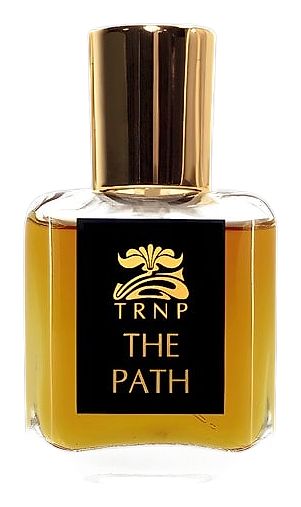
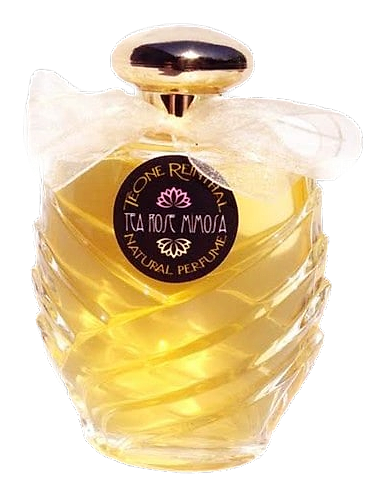
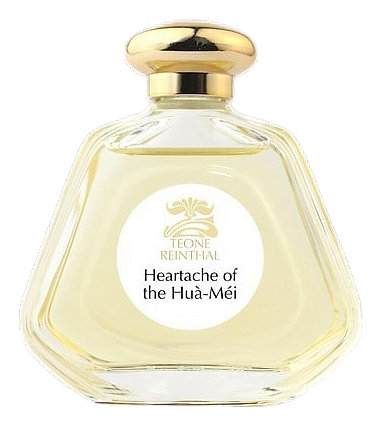
TRNP emerged in Italy around 2014 when perfumer Teone Reinthal began experimenting with natural extracts in his modest studio. Early releases such as Botticelli (2015) and Barcelona (2016) demonstrated a commitment to hand‑blended, alcohol‑free bases, a practice that set the house apart from many contemporary niche brands. By 2017 the line expanded rapidly, adding Ritual, Pema, Antarctica and the enigmatic Tallemaja Boreal, each crafted from ingredients sourced directly from the regions they evoke. The 2018 launch of Sylvana marked a turning point, receiving attention from independent fragrance blogs for its longevity and the way it captured a forest floor without any synthetic stabilisers. In 2021 TRNP introduced Quintessence 21, a fragrance that combined high‑altitude pine resin with rare ambergris substitutes, underscoring the house’s willingness to reinterpret classic accords through a natural lens. The most recent addition, Heartache of the Huà‑Méi (2022), reflects a dialogue between Chinese tea culture and Alpine flora, illustrating the brand’s expanding geographic curiosity. Throughout its evolution, TRNP has remained a small‑scale operation, producing limited batches that are sold primarily through specialty boutiques and a curated online portal. The house’s history is documented in a series of Zoom‑recorded videos released during the 2020 lockdown, where Reinthal explains his sourcing trips to the Italian Alps and his philosophy of preserving the integrity of each raw material. TRNP’s creative vision rests on the belief that fragrance should be an unmediated encounter with nature. The brand rejects the use of ethanol, opting instead for carrier oils that allow volatile notes to linger on the skin for hours. This approach aligns with a broader ethical stance: ingredients are harvested with respect for local ecosystems, and suppliers are chosen for sustainable practices. Reinthal often describes his work as a dialogue with the environment, letting the character of a single leaf or resin dictate the structure of a perfume. Transparency is another pillar; the house publishes ingredient lists for each release, inviting enthusiasts to trace the provenance of every component. While the aesthetic leans toward vintage laboratory sketches, the underlying intent is modern: to prove that natural materials can achieve complexity comparable to synthetically enhanced compositions. The brand also supports small farming communities by paying premium prices for wild‑crafted botanicals, a practice highlighted in several independent interviews conducted during the pandemic.