Phytolacca dioica
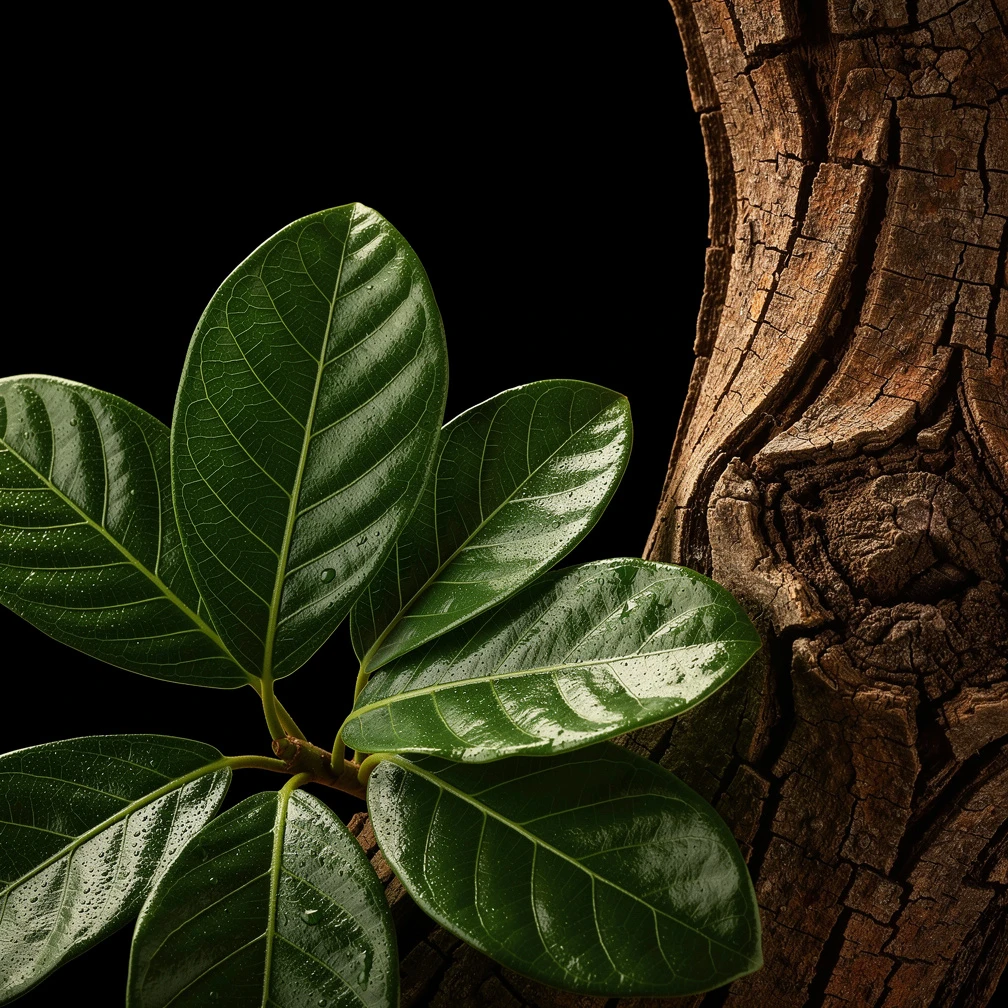
Phytolacca dioica is a South American tree known as the ombu. Its extracts may offer green, earthy, and slightly bitter aromatic qualities relevant to natural perfumery isolates. The species is recognized in ethnobotany for its traditional applications in herbal preparations and natural dyes.
Character
How it smells
A distinctive South American tree with green, earthy aromatic potential.
The ombu grows rapidly, develops an unusually broad and dense canopy, and stays evergreen in a region where most trees shed their leaves seasonally.



Origin
Argentina
Phytolacca dioica is native to the warm temperate and subtropical regions of South America, particularly the Río de la Plata basin spanning Argentina and Uruguay. The species holds cultural significance in these regions and appears in local ethnobotanical traditions.
Plants from the Phytolacca genus have been documented in traditional herbalism and natural dye preparation across multiple cultures. The ombu specifically has been valued in South American communities for both practical and cultural purposes. Its large canopy made it a recognizable landmark in rural landscapes, and various parts of the tree have been used in folk preparations.
In the context of perfumery, natural ingredients from non-Western botanical traditions have gained renewed attention as perfumers seek distinctive regional materials and expanded aromatic palettes. While Phytolacca dioica is not a widely standardized perfumery ingredient, its potential aromatic profile reflects a broader trend toward incorporating lesser-known botanicals into fragrance creation.
Wears it best
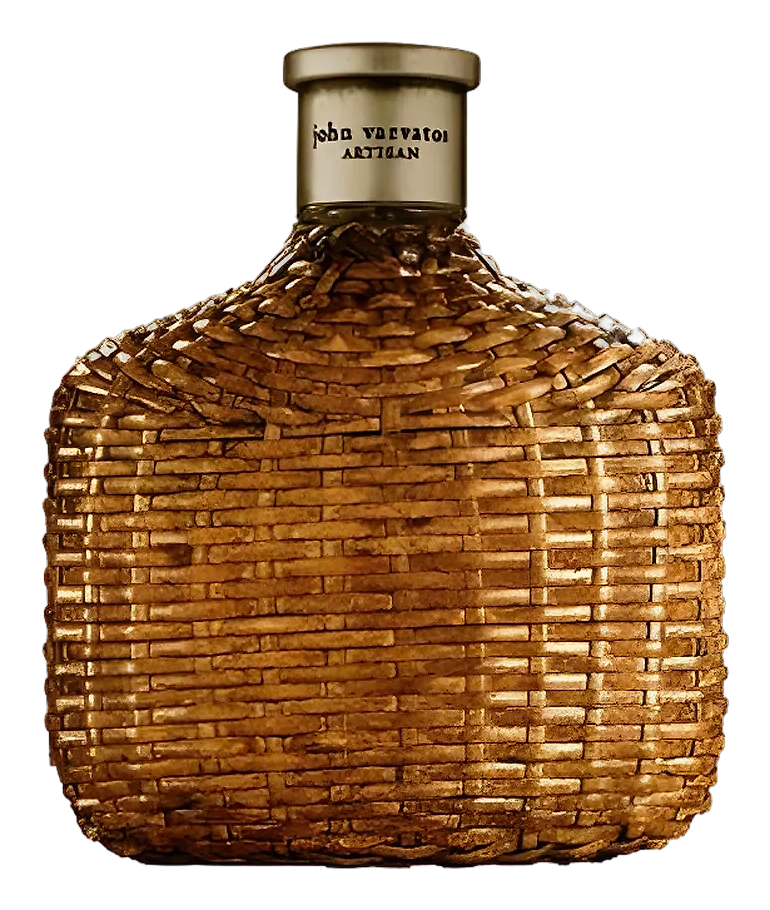
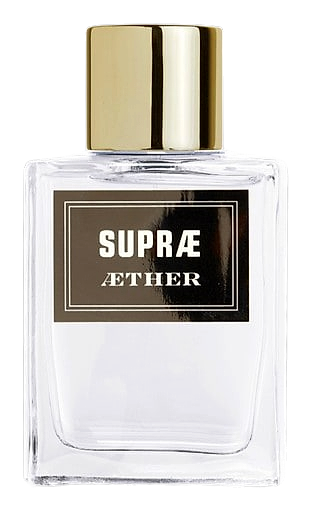
Fragrances featuring Phytolacca dioica
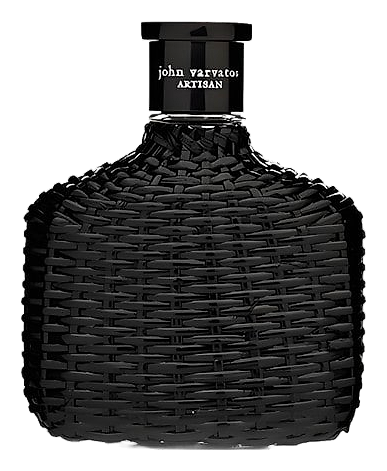
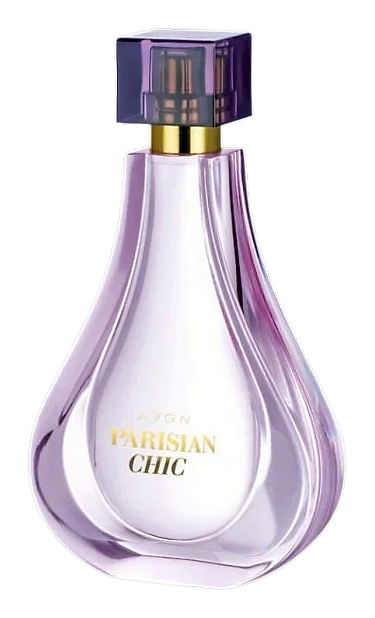
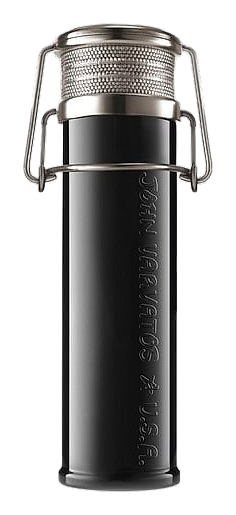
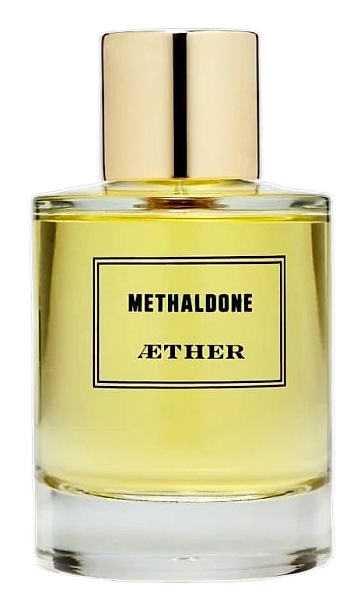
Brands
Brands known for Phytolacca dioica
Good to know
Questions, answered
The essentials on Phytolacca dioica in perfumery: how it smells, where it comes from, and how it behaves on skin.
What does Phytolacca dioica smell like in perfume?
Phytolacca dioica is not a mainstream fragrance ingredient, but its aromatic profile is described as green, earthy, and slightly bitter. If processed as a natural isolate, it would contribute a botanical complexity reminiscent of underripe fruit and herbaceous undertones. The exact aroma varies with extraction method and the plant part used.
Why is Phytolacca dioica used in perfumery?
South American botanicals appeal to perfumers seeking distinctive regional ingredients and unique aromatic profiles. Phytolacca dioica may contribute a green, earthy character that aligns with trends toward natural and terroir-specific perfumery materials. Its use remains niche and is not well documented in commercial fragrance formulation.
Is Phytolacca dioica in perfume natural or synthetic?
Phytolacca dioica is a natural botanical species. If used in perfumery, it would originate from plant material. However, there is limited documentation of commercial-scale extraction or standardization of this species for fragrance use. The plant has documented traditional applications in herbalism and natural dye preparation.
What famous perfumes contain Phytolacca dioica?
Phytolacca dioica is not listed among the commonly tracked ingredients in major fragrance databases. It does not appear in the INCI lists of widely distributed commercial perfumes. Niche perfumers who work with uncommon South American botanicals may incorporate it, though specific formulations are rarely disclosed publicly.
Is Phytolacca dioica a top note, heart note, or base note?
As a green, earthy material, Phytolacca dioica extracts would likely function as a heart or middle note in fragrance composition, bridging the transition from bright top notes to deeper base accord elements. The specific classification depends on the volatile profile of the extracted material and the perfumer intent for a given formulation.
What notes pair well with Phytolacca dioica in perfume?
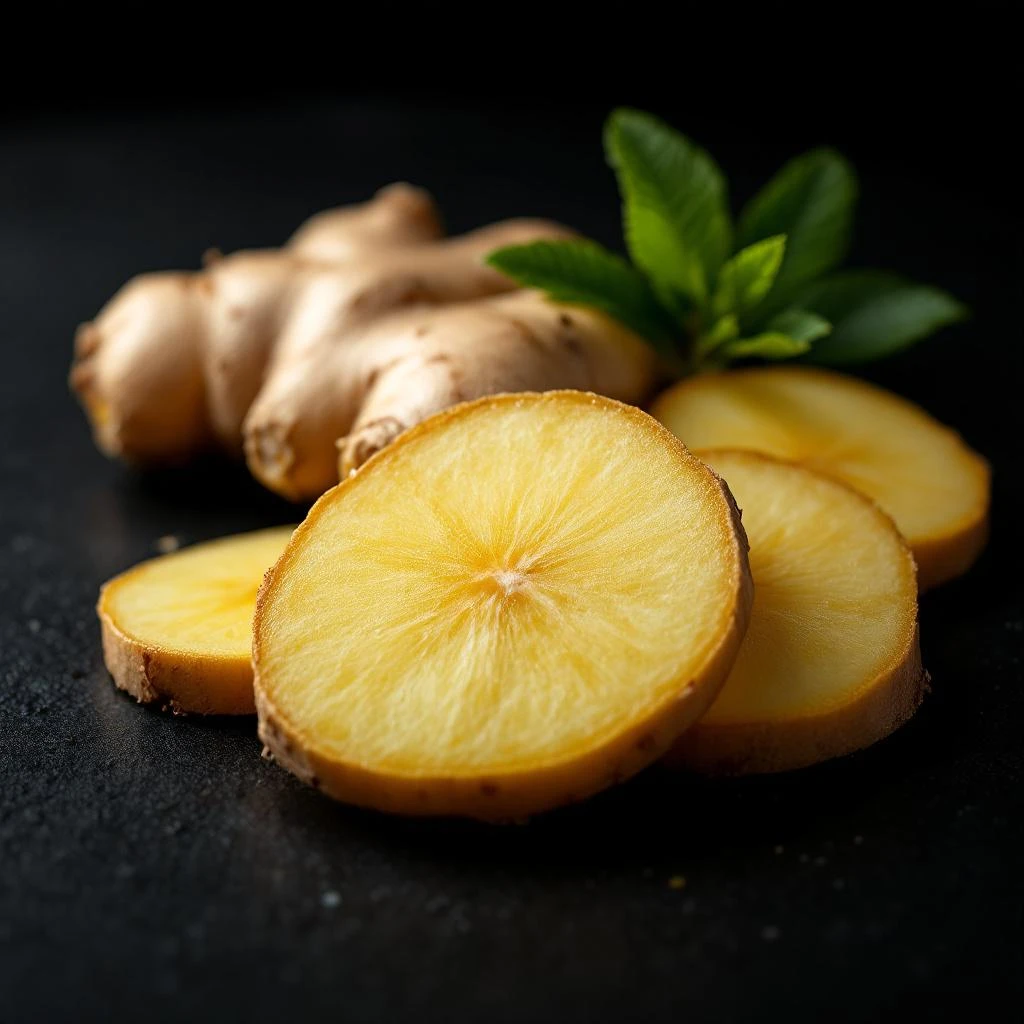
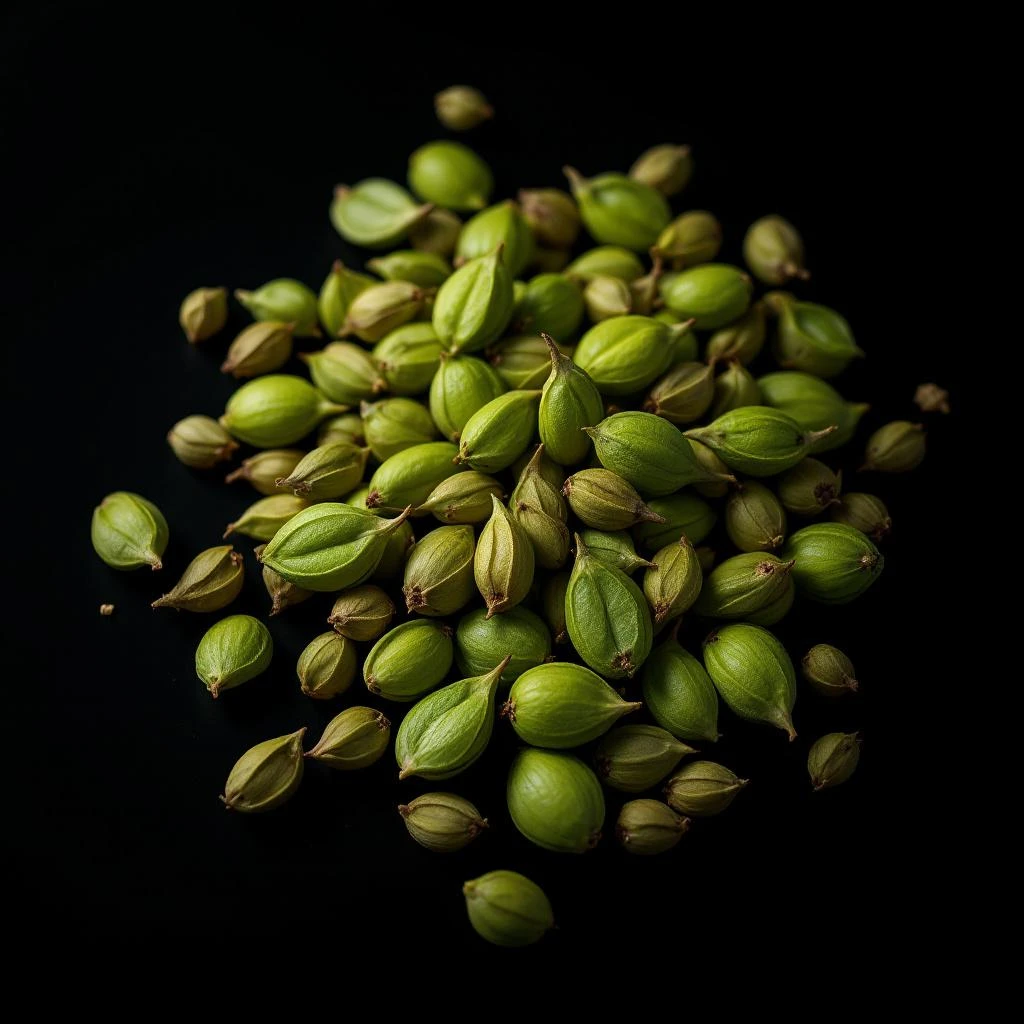
Phytolacca dioica pairs well with green and herbaceous materials such as basil, clary sage, and galbanum. Woody elements like vetiver or cedar reinforce its earthy character. Florals such as violet leaf or jasmine can soften its bitterness. Spicy or resinous notes including cardamom or opoponax add contrast and complexity to compositions featuring this material.
Where does Phytolacca dioica come from?
Phytolacca dioica originates from the subtropical and warm temperate regions of South America, concentrated in the Río de la Plata basin spanning Argentina and Uruguay. Indigenous communities in these areas have utilized various plant parts for traditional purposes, including herbalism and natural dye preparation.
Is Phytolacca dioica used in men's or women's fragrances?
Phytolacca dioica lacks established usage patterns in either gender category, as it is not a standardized perfumery ingredient. Materials with green, earthy, and slightly bitter qualities are generally considered gender-neutral in contemporary perfumery. Its application would depend on the perfumer creative direction rather than traditional gender conventions.