Nootkatone
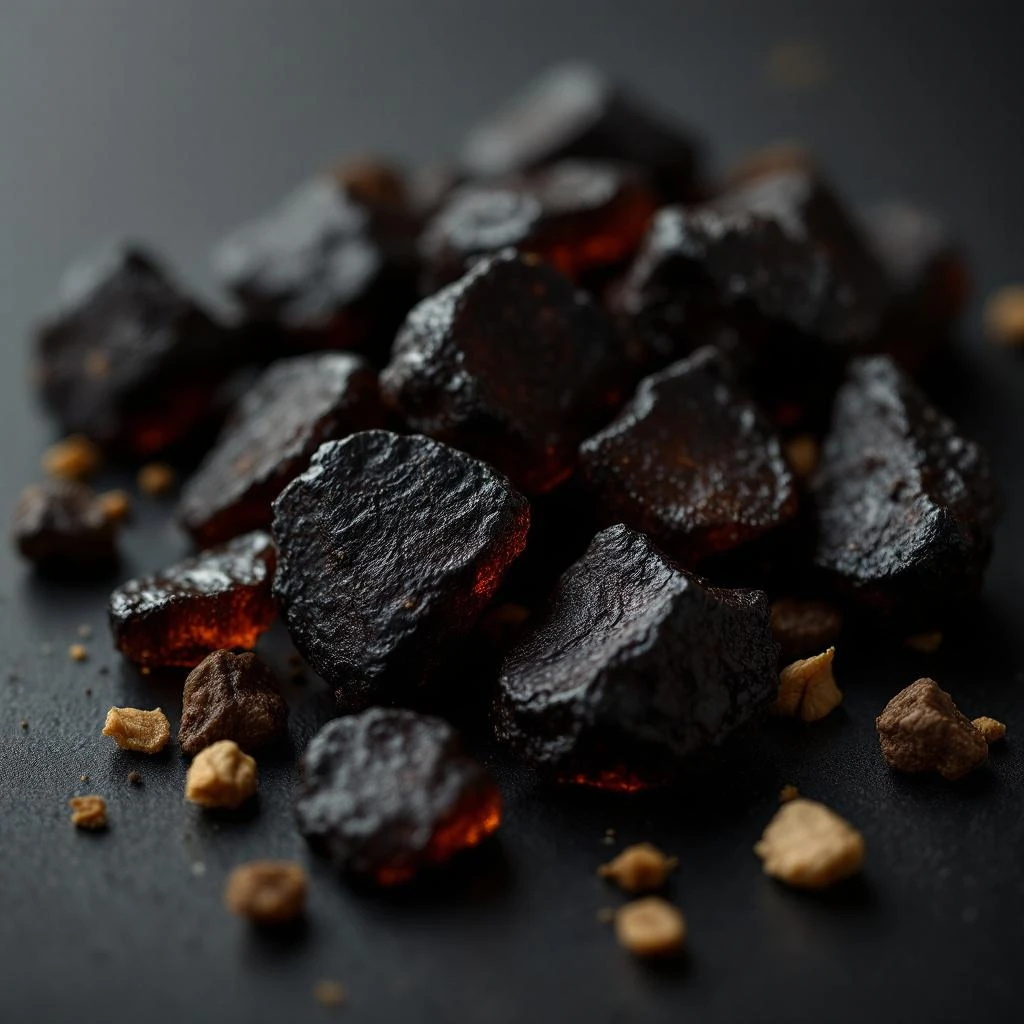
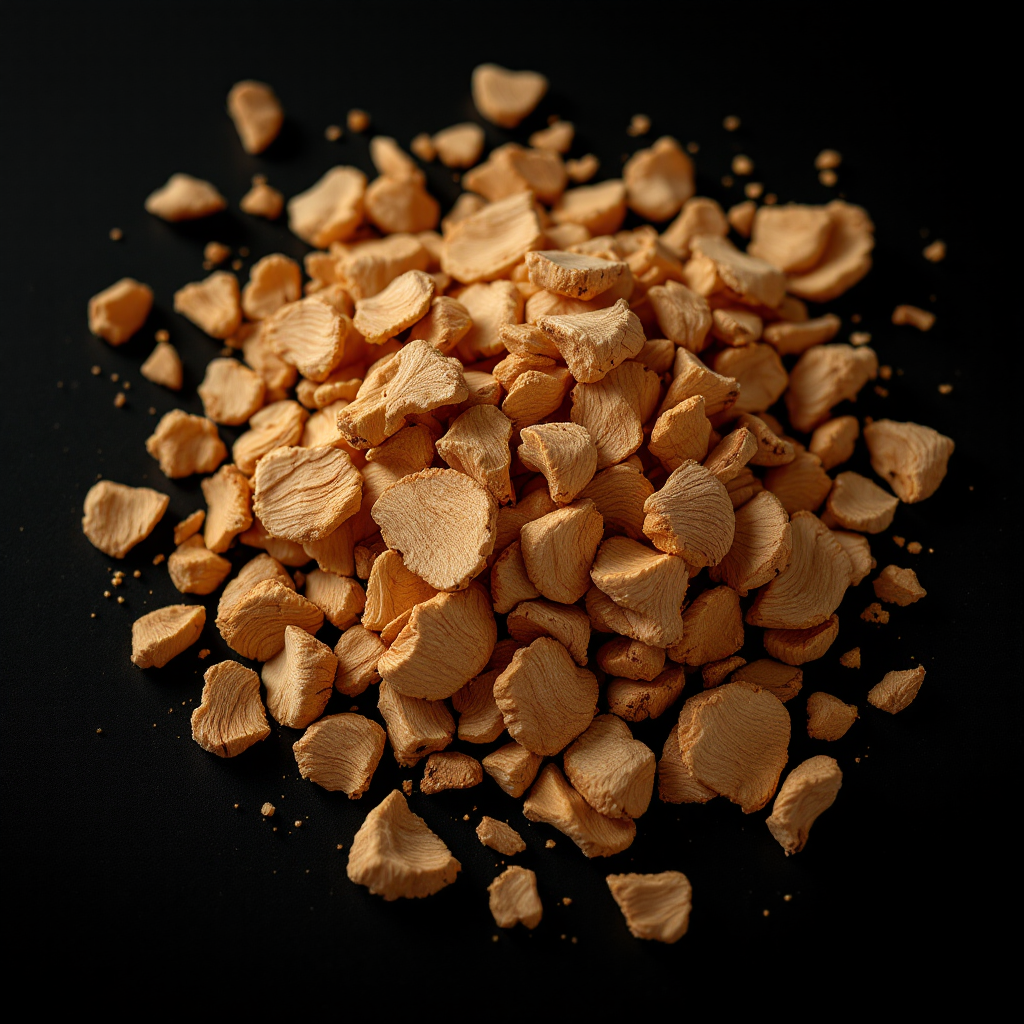
Nootkatone is the crystalline molecule behind grapefruit's bright, bitter citrus bite. Found naturally in citrus peels and Alaska yellow cedar, it delivers an intensely fresh grapefruit aroma with woody undertones, making it one of perfumery's most prized aroma chemicals.

Character
How it smells
The pure essence of grapefruit, captured in a crystal
Nootkatone was first isolated from Alaska yellow cedar in the 1930s, but its grapefruit identity wasn't confirmed until 1964 when researchers identified it as the source of the fruit's signature scent.



Origin
United States
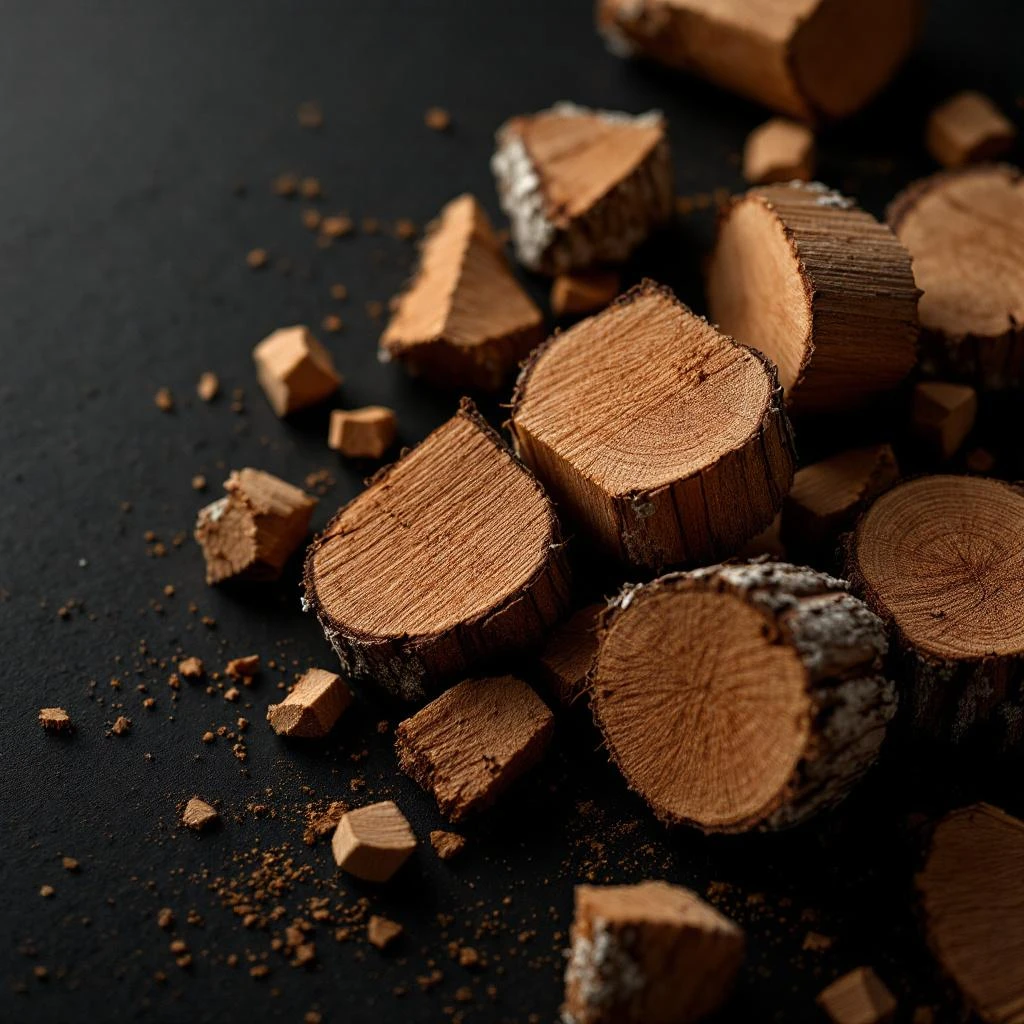
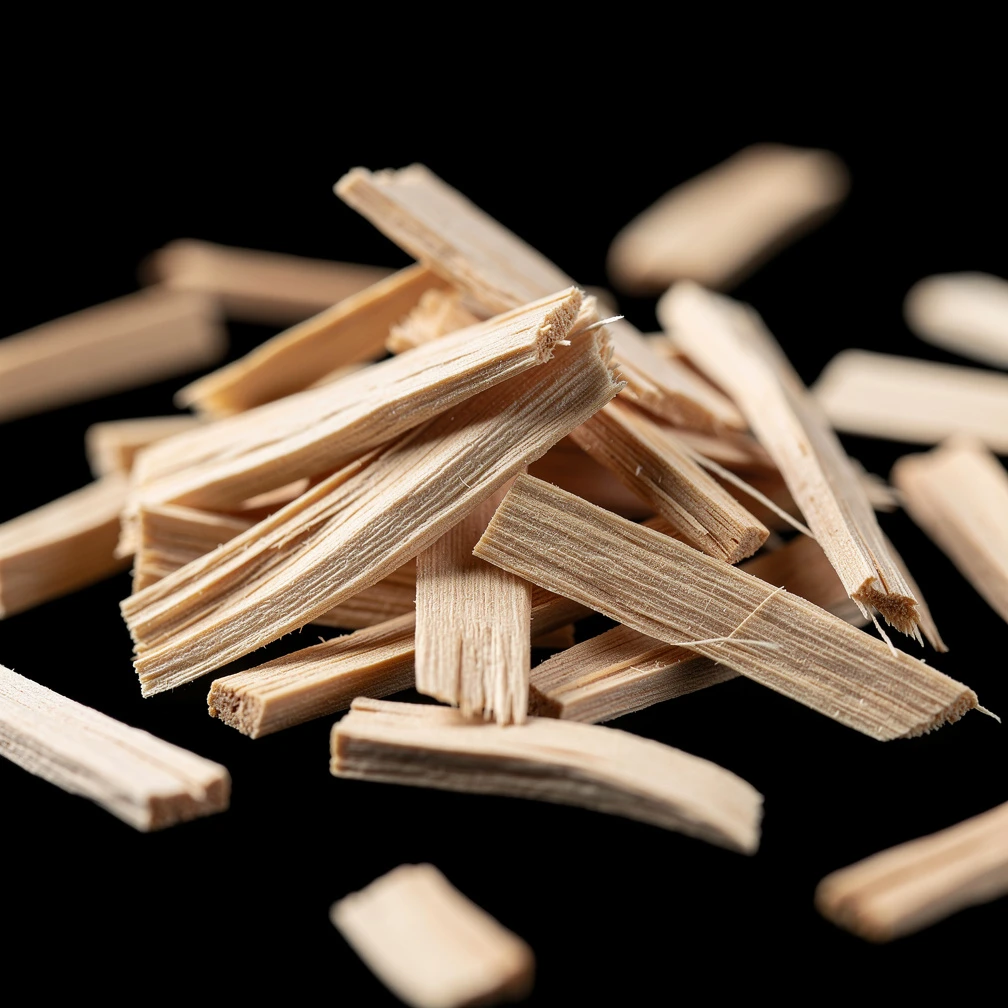
Nootkatone's aromatic history stretches back further than its grapefruit fame suggests. It was first isolated from the heartwood of Alaska yellow cedar (Callitropsis nootkatensis), the tree that gives the molecule its name. For decades, the compound remained a curiosity of wood chemistry.
That changed in 1964, when MacLeod and Buigues identified nootkatone in grapefruit peel oil, establishing it as the molecule responsible for the fruit's characteristic bitter-fresh scent. This discovery transformed nootkatone from an obscure wood extractive into one of the most sought-after citrus aroma chemicals. Dr.
Paul Bedoukian later built his specialty aroma molecule company around high-quality nootkatone production, and the fragrance industry came to rely on it for authentic grapefruit notes. Its production history also marks a turning point: nootkatone became one of the early biotech-derived perfumery ingredients, produced via engineered yeast rather than citrus extraction.
Wears it best
Fragrances featuring Nootkatone
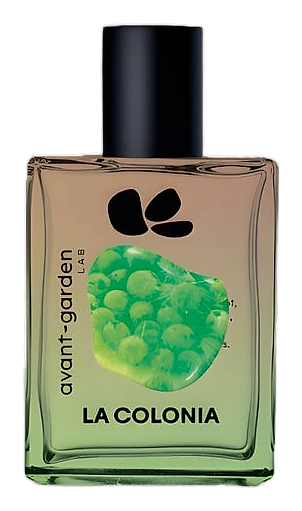
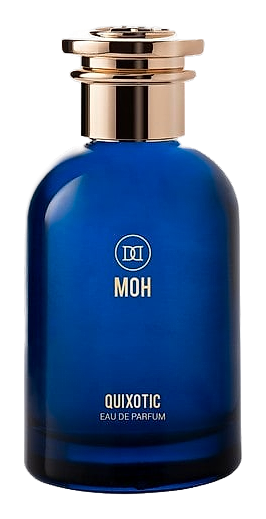
Brands
Brands known for Nootkatone
Good to know
Questions, answered
The essentials on Nootkatone in perfumery: how it smells, where it comes from, and how it behaves on skin.
What does nootkatone smell like?
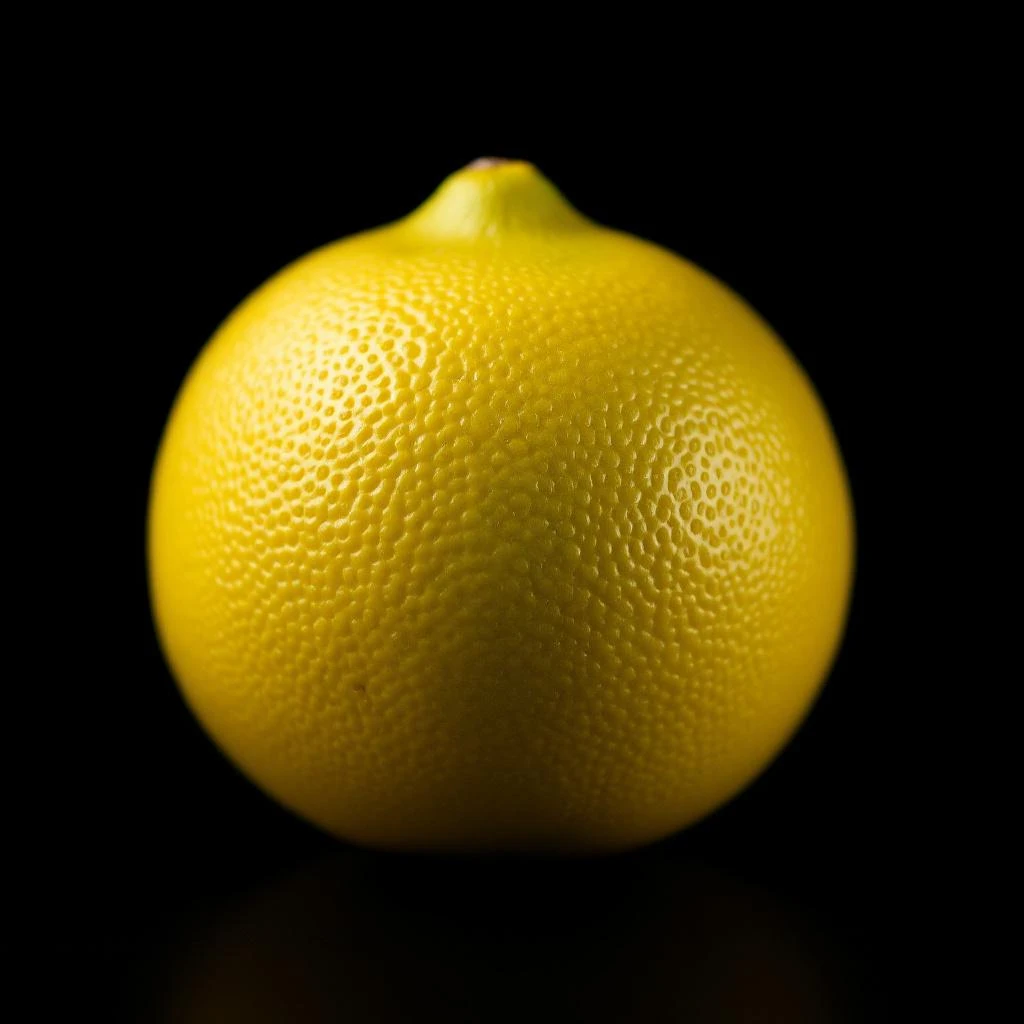
Nootkatone smells like fresh grapefruit with woody undertones. It is the primary molecule responsible for grapefruit's characteristic bitter-fresh citrus aroma, and it carries an exceptionally low odor threshold, meaning very small amounts produce strong effects.
Where is nootkatone found naturally?
Nootkatone occurs naturally in grapefruit peel oil and in the heartwood of Alaska yellow cedar. It was first isolated from Alaska yellow cedar, and later identified in grapefruit in 1964, establishing its role as the fruit's signature aroma compound.
How is nootkatone produced commercially?
Commercial nootkatone is produced by oxidizing valencene, a cheap sesquiterpene from orange oil. Modern production uses engineered yeast (Saccharomyces cerevisiae) fermentation to perform this oxidation, making it one of perfumery's early biotech-derived aroma ingredients.
Is nootkatone natural or synthetic?
Both forms exist. Natural nootkatone is extracted from grapefruit or cedarwood, while synthetic versions are made via valencene oxidation. Biotech nootkatone, produced by engineered yeast, is often classified as natural-identical depending on the regulatory framework.
Who pioneered nootkatone synthesis?
Hunter and Brogden confirmed nootkatone synthesis by oxidizing orange-oil-derived valencene. Dr. Paul Bedoukian later built his specialty aroma chemical company around producing high-quality nootkatone for the fragrance industry.
Is nootkatone safe to use?
Yes. Nootkatone appears on the U.S. FDA's list of substances Generally Recognized As Safe (GRAS) for food use, and it is widely used in both flavor and fragrance applications at appropriate concentrations.
Why is nootkatone important in perfumery?
Nootkatone delivers authentic grapefruit character at low usage levels, a feat difficult to achieve with natural grapefruit oil, which is unstable and short-lived in composition. Its crystalline potency allows perfumers to build fresh, lasting citrus accords.
Can nootkatone replace natural grapefruit oil?
Partially. Nootkatone captures grapefruit's signature aroma molecule far more efficiently and stably than whole grapefruit oil, which contains many volatile, short-lived components. Perfumers often combine nootkatone with other citrus materials for a more complete effect.