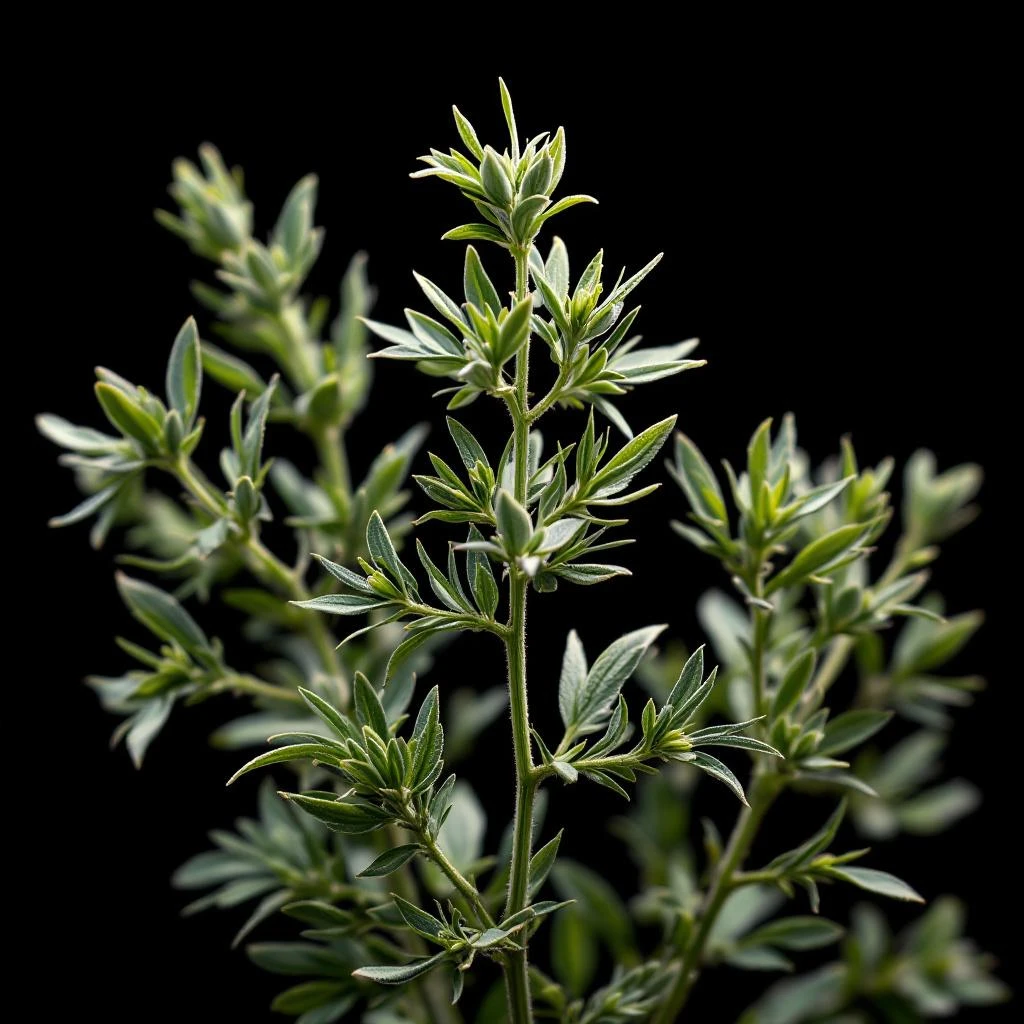
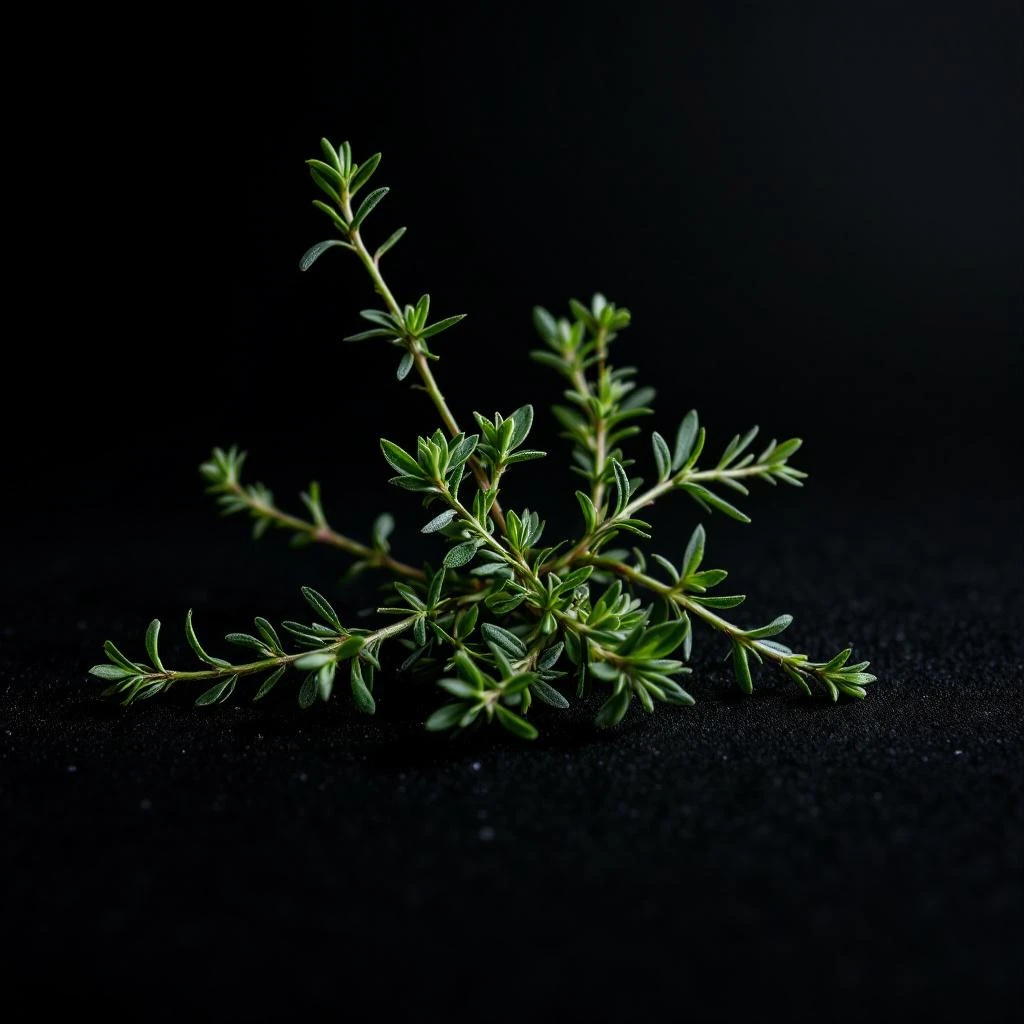
Nepalese Spikenard
From the high Himalayan valleys of Nepal, spikenard yields an earthy, balsamic oil that has perfumed sacred oils and royal courts for over two millennia. This rare botanical anchors fragrances with hypnotic depth and timeless mystery.
Character
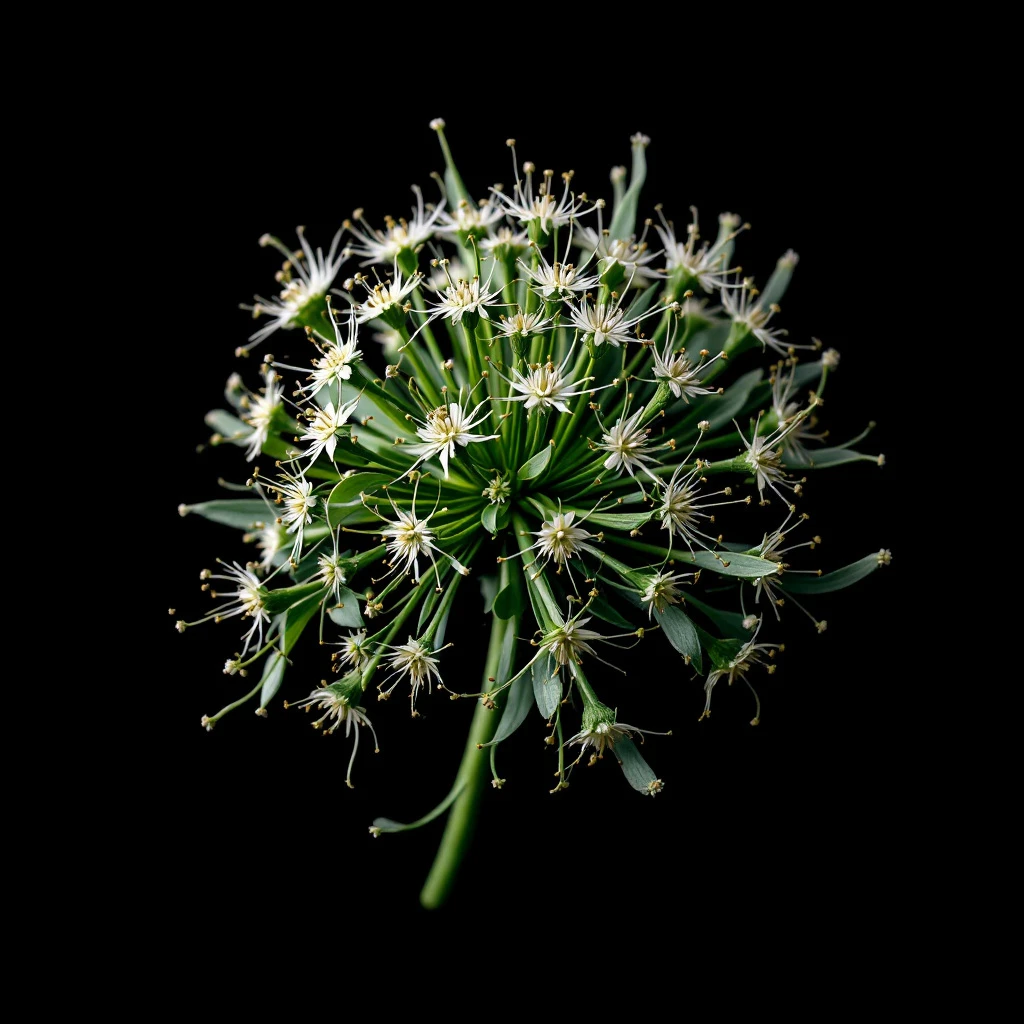
How it smells
Ancient oil from the roof of the world.
Mary Magdalene's legendary anointing oil contained spikenard, making it one of history's most storied fragrances.


Origin
Nepal
Spikenard ranks among the oldest continuously used perfume ingredients on record. Ancient Egyptians imported it as a precious commodity, while Roman perfumers blended it into nardinum, a celebrated fragrance preparation. Biblical texts mention it prominently: Mary Magdalene famously anointed Jesus with spikenard worth a full year's wages, demonstrating its extraordinary value.
Mughal Empress Nur Jehan, who ruled India in the early 1600s, incorporated spikenard into her elaborate skincare rituals. The botanical's journey from Himalayan peaks to ancient temples to royal boudoirs spans continents and centuries, yet its essence remains unchanged.
Wears it best
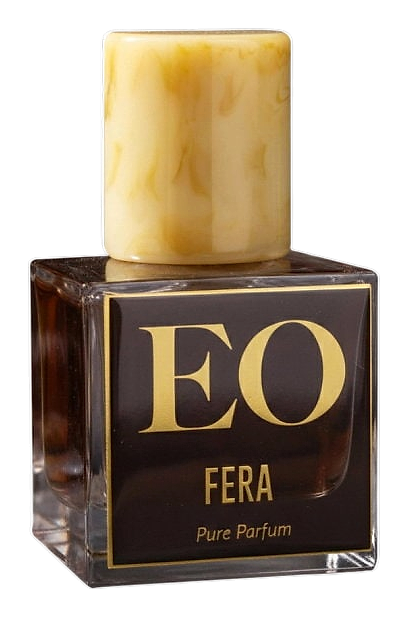
Fragrances featuring Nepalese Spikenard
Brands
Brands known for Nepalese Spikenard
Good to know
Questions, answered
The essentials on Nepalese Spikenard in perfumery: how it smells, where it comes from, and how it behaves on skin.
What does Nepalese spikenard smell like?
Spikenard offers an earthy, balsamic aroma with deep woody and musky undertones. The scent feels ancient and grounding, with hints of valerian root and warm resin. It adds mysterious depth to fragrance compositions rather than functioning as a dominant note.
Where does spikenard grow naturally?
Nardostachys jatamansi grows wild across the high Himalayas in Nepal, India, and China. Nepal remains the primary source for premium essential oil, with harvests occurring above 3,000 meters elevation in remote mountain valleys.
Is spikenard related to valerian?
Both plants share botanical family connections and similar earthy aromas. Spikenard produces a softer, more refined scent compared to valerian's pungent character. Perfumers prize spikenard precisely because it delivers valerian-like depth without the harsh notes.
Why was spikenard so expensive historically?
The plant grows only at high altitudes in remote regions, requiring difficult manual harvesting. Ancient trade routes stretched from Nepal to the Mediterranean, adding transport costs. Its sacred and medicinal uses created consistent demand across multiple civilizations.
How long has spikenard been used in perfumery?
Archaeological evidence places spikenard in Egyptian tombs from 1500 BCE. Roman perfumers used it extensively by 100 CE. The ingredient has maintained continuous use in fine fragrance for over 3,500 years.
What parts of the spikenard plant are used?
Perfumers extract oil exclusively from the rhizomes, the underground root systems of Nardostachys jatamansi. The plant's above-ground portions lack significant aromatic value. Rhizomes must be carefully dried before distillation to develop proper fragrance compounds.
Is Nepalese spikenard sustainably harvested?
Wild spikenard faces conservation pressure in some regions. Reputable suppliers obtain CITES permits for Nepalese sourcing, ensuring legal and sustainable harvest. Cultivation programs are developing to reduce pressure on wild populations while maintaining quality.
What fragrance families use spikenard?
Chypre, oriental, and fougère compositions most commonly feature spikenard. The ingredient works as a fixative that extends the longevity of lighter top notes. It pairs particularly well with labdanum, patchouli, and woody aromatics.