Nepalese Nard
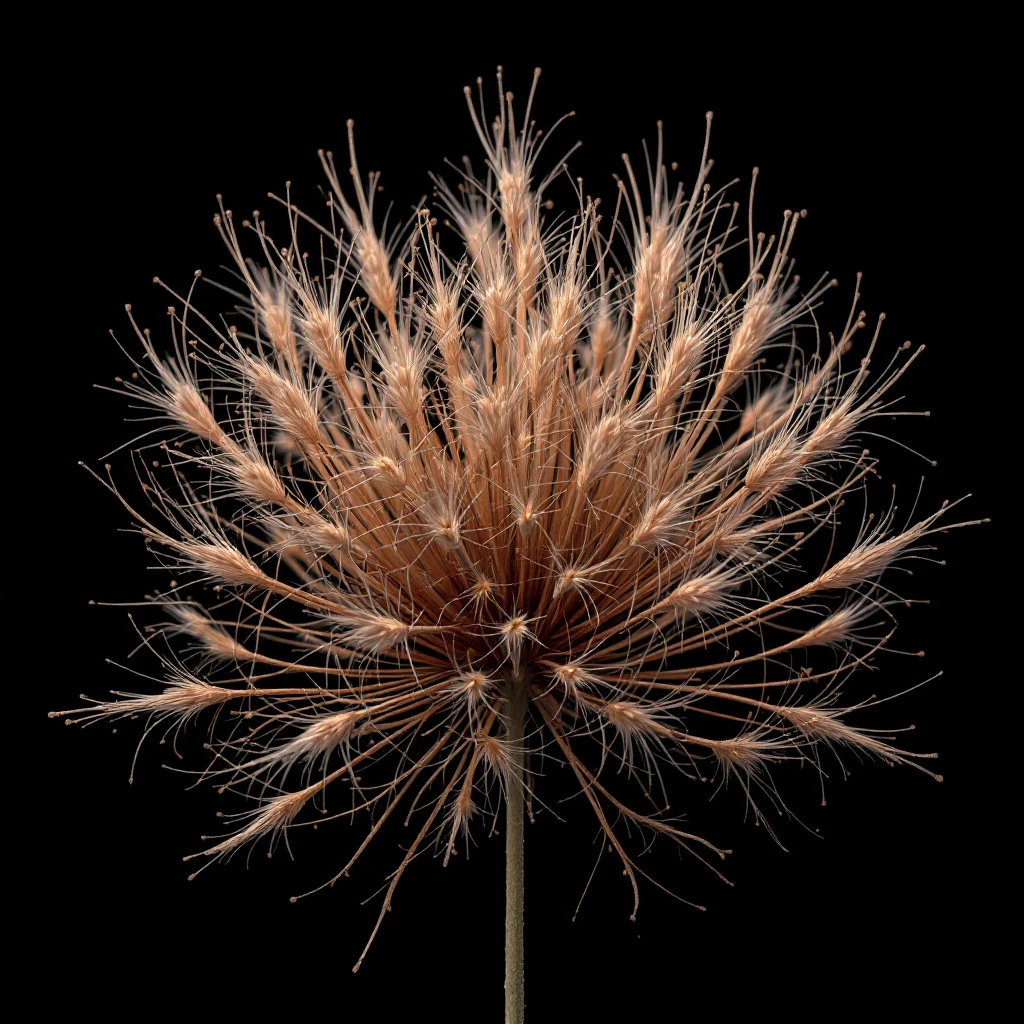
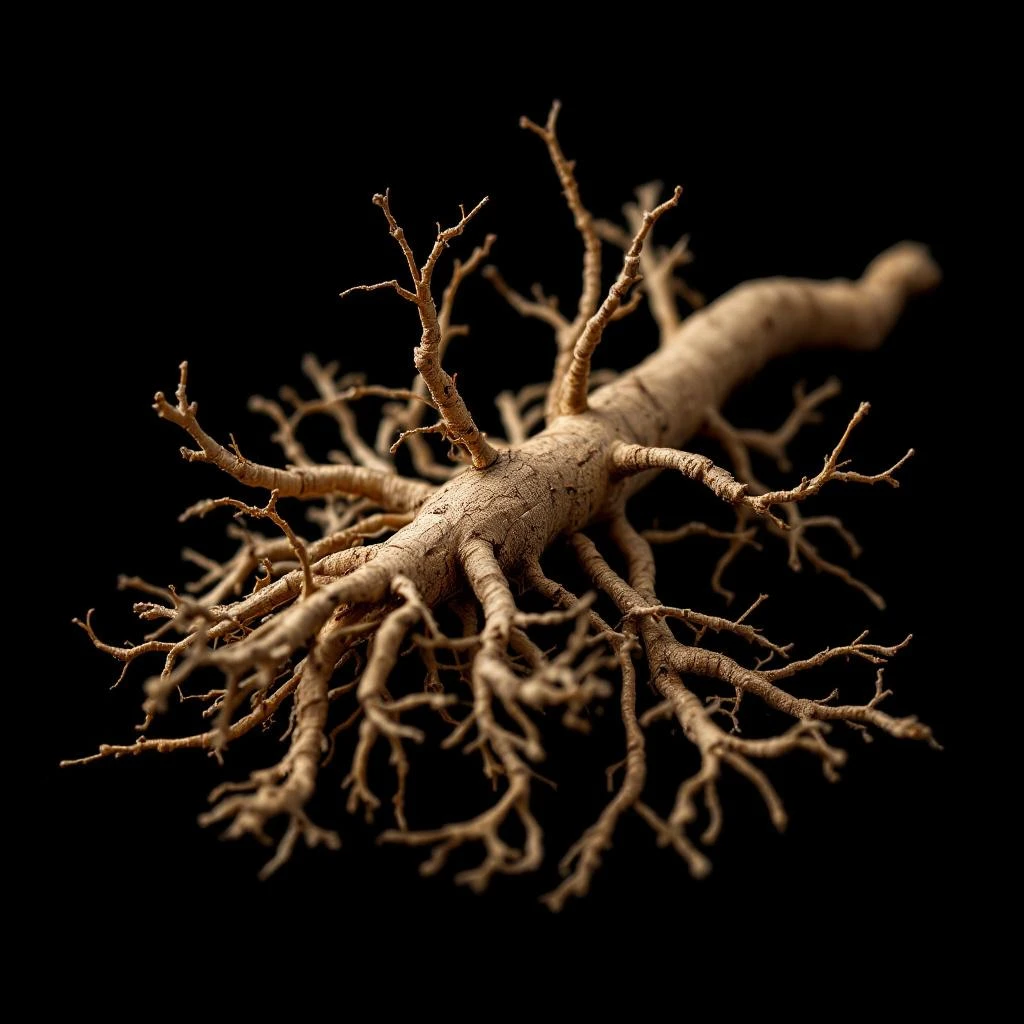
An ancient Himalayan treasure, Nepalese Nard yields a rare essential oil from its gnarled rhizomes. Revered across civilizations for millennia, this deeply grounding material carries an earthy, mystical presence rarely found in modern perfumery.

Character
How it smells
Ancient Himalayan roots with an earthy, meditative soul.
Ancient Egyptians imported Nard from Nepal along the Silk Road, using it in sacred embalming rituals.






Origin
Nepal
Nepalese Nard holds one of the oldest documented roles in perfumery and ritual. Ancient Mesopotamians burned it as incense, while Egyptian priests reserved it for the most sacred embalming ceremonies. The Indian subcontinent has employed Nard in Ayurvedic practice for over two thousand years, valuing its purported calming and grounding properties.
Greek and Roman elites considered Nard a luxury commodity, trading it across the incense routes that connected the Himalayas to Mediterranean markets. The Greek physician Dioscorides catalogued its medicinal uses in the first century CE. Tibetan healing traditions also incorporate the root for its therapeutic qualities.
Today, Nard remains woven into Himalayan spiritual practice and traditional medicine, though its use in fine perfumery has expanded as more Western houses seek rare, story-rich natural materials. Sustainability concerns now accompany its harvest, as wild populations face pressure from over-collection.
Wears it best
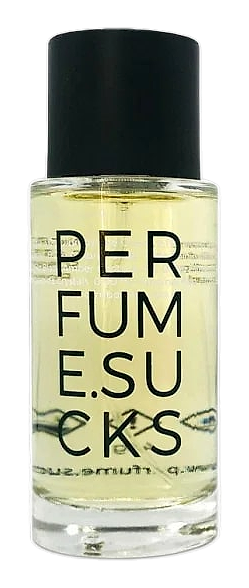
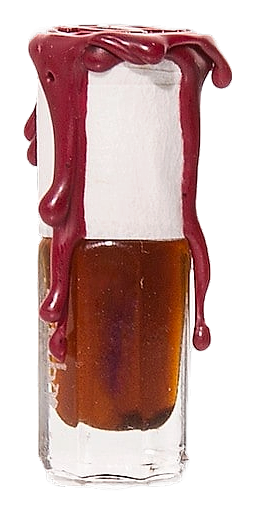
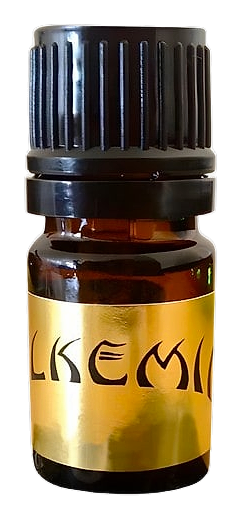
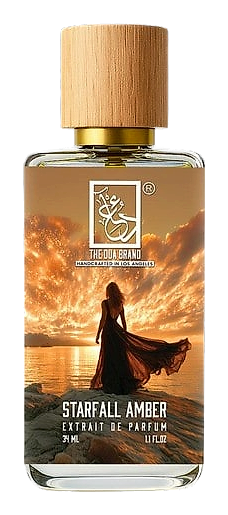
Fragrances featuring Nepalese Nard
Brands
Brands known for Nepalese Nard
Good to know
Questions, answered
The essentials on Nepalese Nard in perfumery: how it smells, where it comes from, and how it behaves on skin.
What does Nepalese Nard smell like?
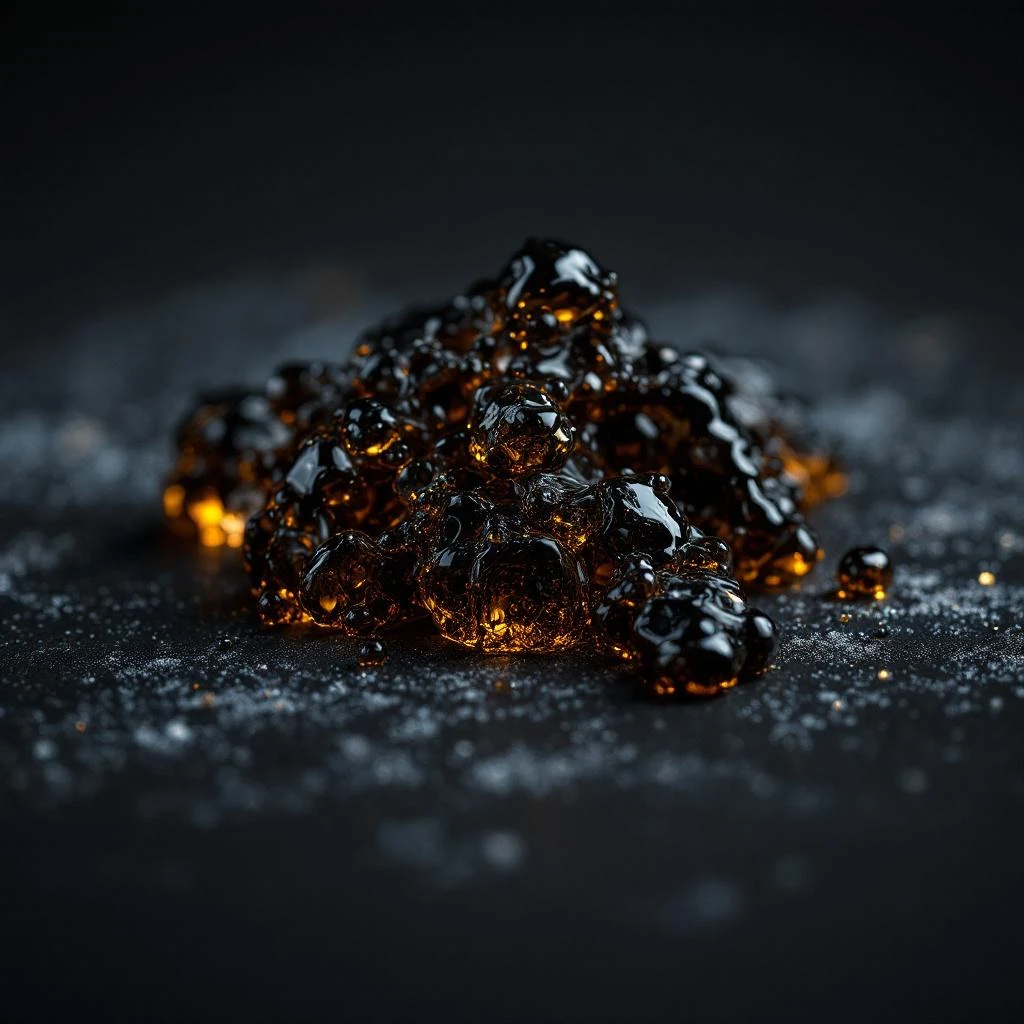
Nepalese Nard opens with a rich, earthy aroma often described as woody and slightly animalic. Its scent profile carries deep musky undertones with balsamic, slightly spicy facets that develop into a long-lasting, meditative dry-down.
Where does Nepalese Nard come from?
Nepalese Nard originates from the high Himalayan region spanning Nepal, northern India, and Bhutan. The plant thrives at elevations between 3,000 and 5,000 meters, where cool temperatures and rocky terrain shape its distinctive aromatic profile.
How is Nepalese Nard oil produced?
Producers harvest Nard roots by hand after three to four years of growth. Workers clean and dry the rhizomes, then submit them to steam distillation. The process yields a thick amber oil prized for its exceptional tenacity and complexity.
Is Nepalese Nard rare in perfumery?
Nepalese Nard counts among the rarest natural fragrance materials. Limited geographic distribution, manual harvesting, and slow growth make it a scarcity. Its use signals a commitment to authentic, heritage ingredients over common synthetics.
What is Nard's role in traditional medicine?
Ayurvedic and Tibetan healing traditions have employed Nard for centuries. Practitioners credit it with grounding and calming properties, using it to support nervous system health and as part of ceremonial preparations. Modern aromatherapy continues these applications.
Can synthetic Nard replace the natural oil?
No synthetic fully replicates Nepalese Nard's multidimensional character. Lab-created approximations capture certain woody or earthy notes but lack the animalic warmth and spiritual depth that centuries of traditional use have recognized.
Which fragrance families pair well with Nard?
Nepalese Nard anchors oriental and chypre compositions beautifully. It harmonizes with resinous partners like labdanum and frankincense, floral notes including rose and jasmine, and woods such as sandalwood and vetiver.
What should buyers know about sourcing ethics?
Wild-harvested Nard faces conservation pressure in parts of its range. Reputable suppliers work directly with Himalayan harvest communities and verify sustainable practices. Some cultivated sources now supplement wild collection to ease population pressure.