The Story
Why it exists.
The beginning
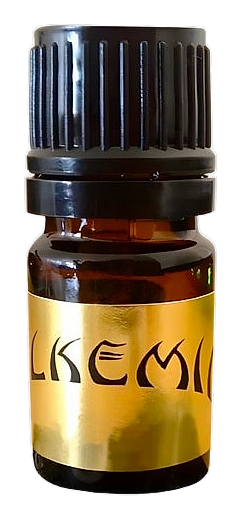
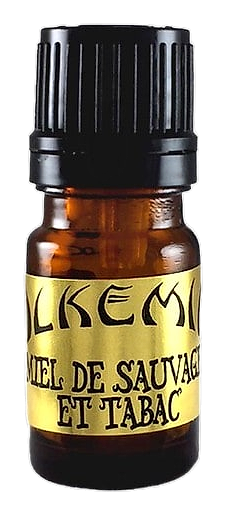
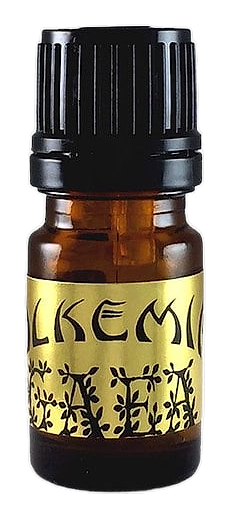
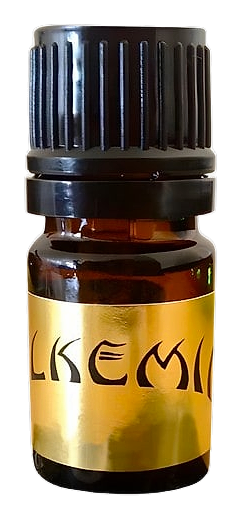
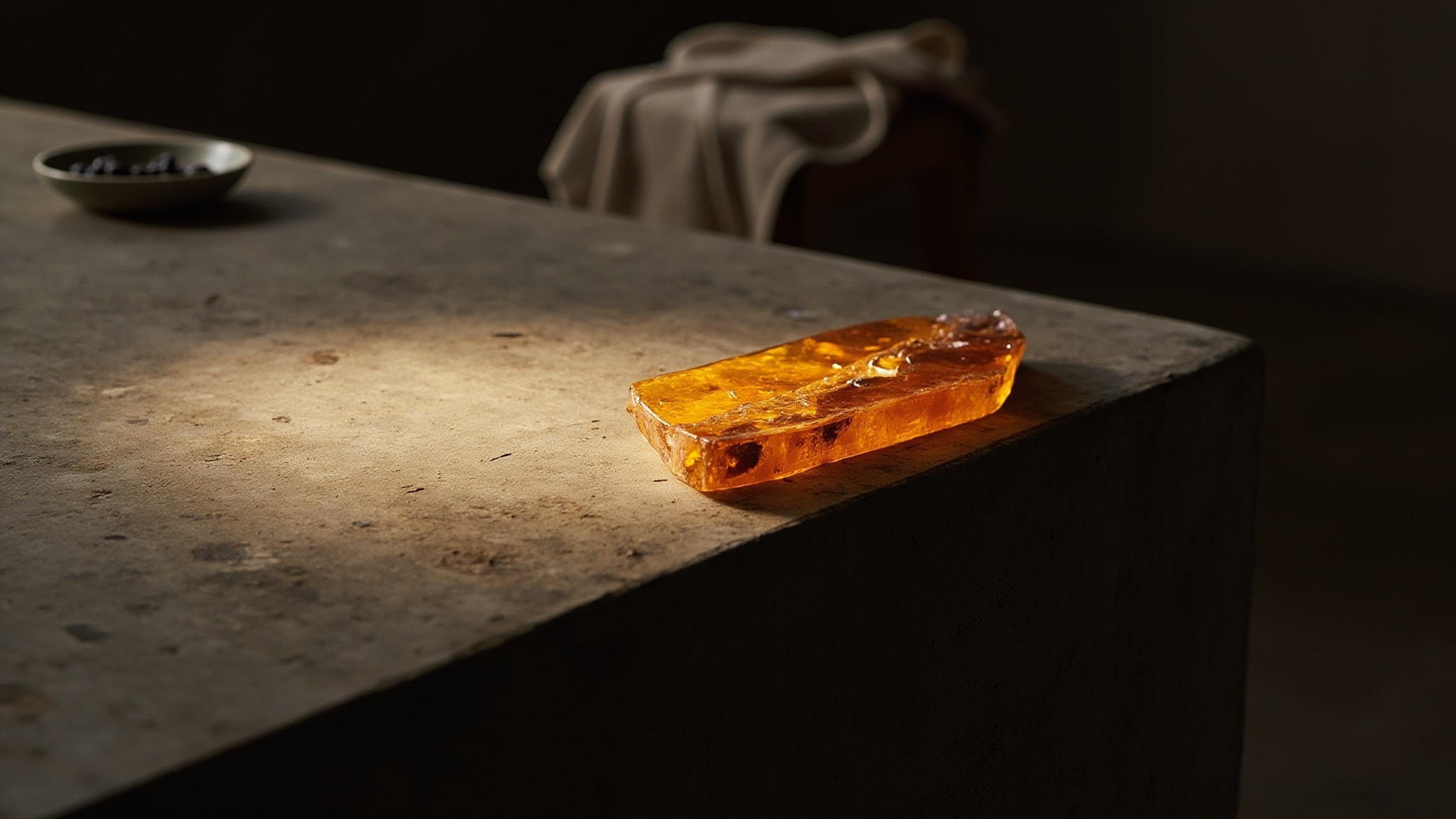
Alkemia Perfumes released Ambre Extrait as a focused, single-accord extrait de parfum built around a 100% natural aged amber accord. From the opening breath, the composition commits to that center of gravity without the dilution or sweetness that amber often picks up in mainstream releases. There's no floral softening, no synthetic sweetener layered over the resin to make it more palatable. Instead, the fragrance leans fully into raw, fossilized resins, presenting amber as the dense, almost geological material it is before any perfumer's hand tries to polish it.
What's unusual here is the geographic range packed into a single composition. Tunisian amber, Cambodian oud, Somalian opoponax, Himalayan cedar, Honduran styrax, North African rock rose, Nepalese spikenard, and Madagascar vanilla. These aren't background players dressed up as a pyramid. Each material is sourced from a region where that particular resin or wood carries centuries of ritual weight, and the blend treats them less as scent notes than as place markers.
The evolution
Ambre Extrait opens with a dense wave of raw amber resin and labdanum, almost mineral in its intensity, before opoponax and styrax push the composition toward dark temple incense. The first few minutes feel almost overwhelming in their resin density, the way stepping into a room thick with burning resin can briefly blur the senses before they adjust. As the first hour passes, Tunisian amber deepens into wild honey and red earth while Cambodian oud and cistus add a dry, slightly animalic undertone beneath the surface. The oud here doesn't roar; it smolders, lending a feral warmth that keeps the amber from collapsing into pure sweetness. By the third hour, Himalayan cedar grounds the blend, Madagascar vanilla softens the resinous edge, and Nepalese spikenard lends a rooty stillness that carries through the late drydown.
Cultural impact
Ambre Extrait has earned its reputation through the sheer density and commitment of its composition. Its animalic edge and resinous weight give it a character that resists easy categorization, and the materials themselves carry the kind of gravity that comes from centuries of use in ceremonial and ritual contexts. The fragrance doesn't soften itself for broader appeal, and that refusal to compromise has shaped the audience it attracts: wearers who want their amber to feel like amber, not like a sugared approximation of it.