Somalian Opoponax
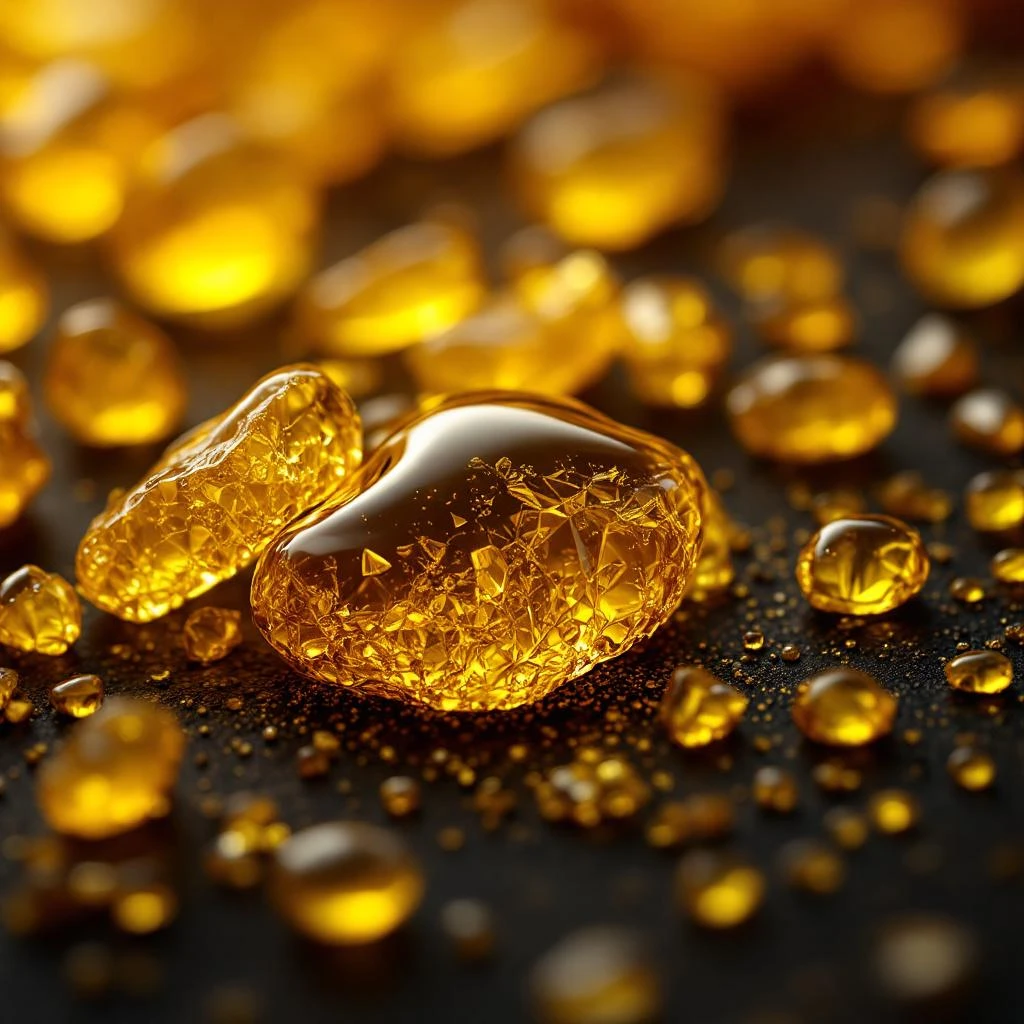
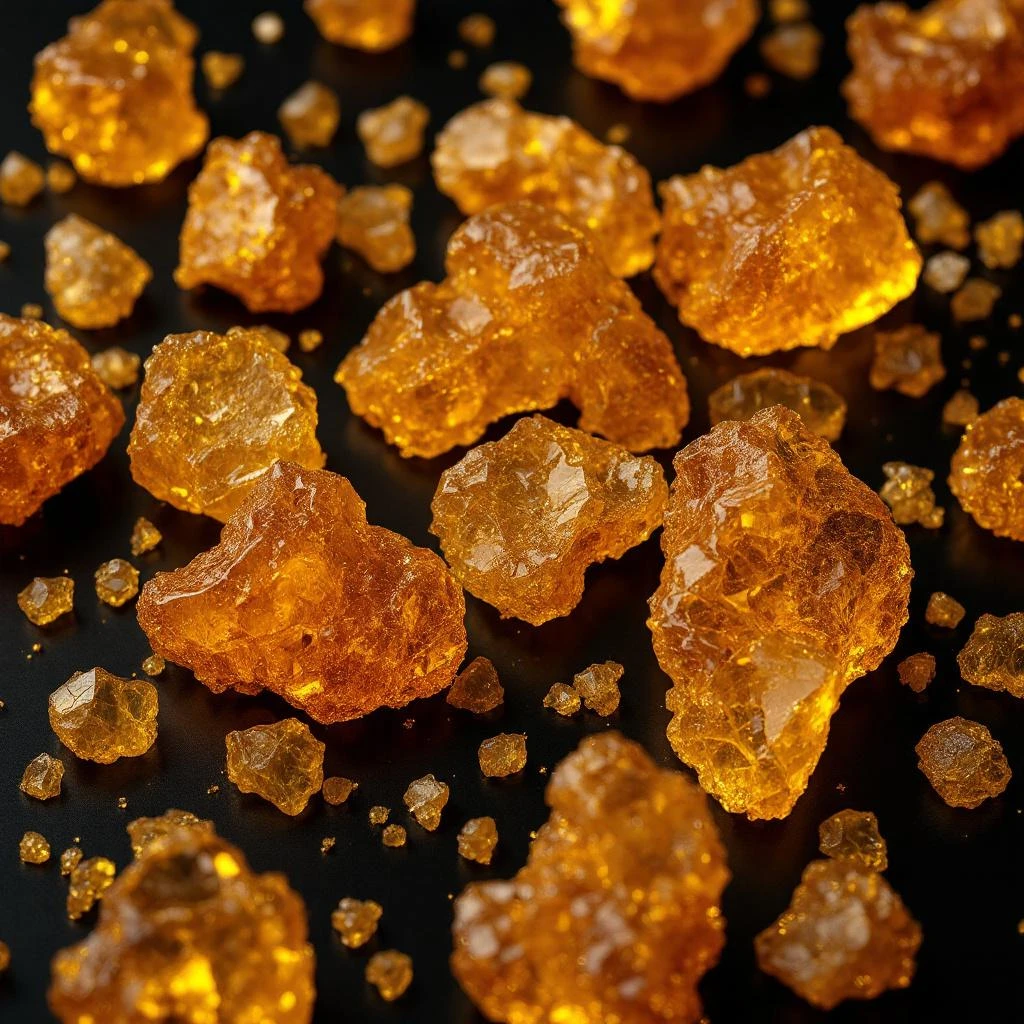
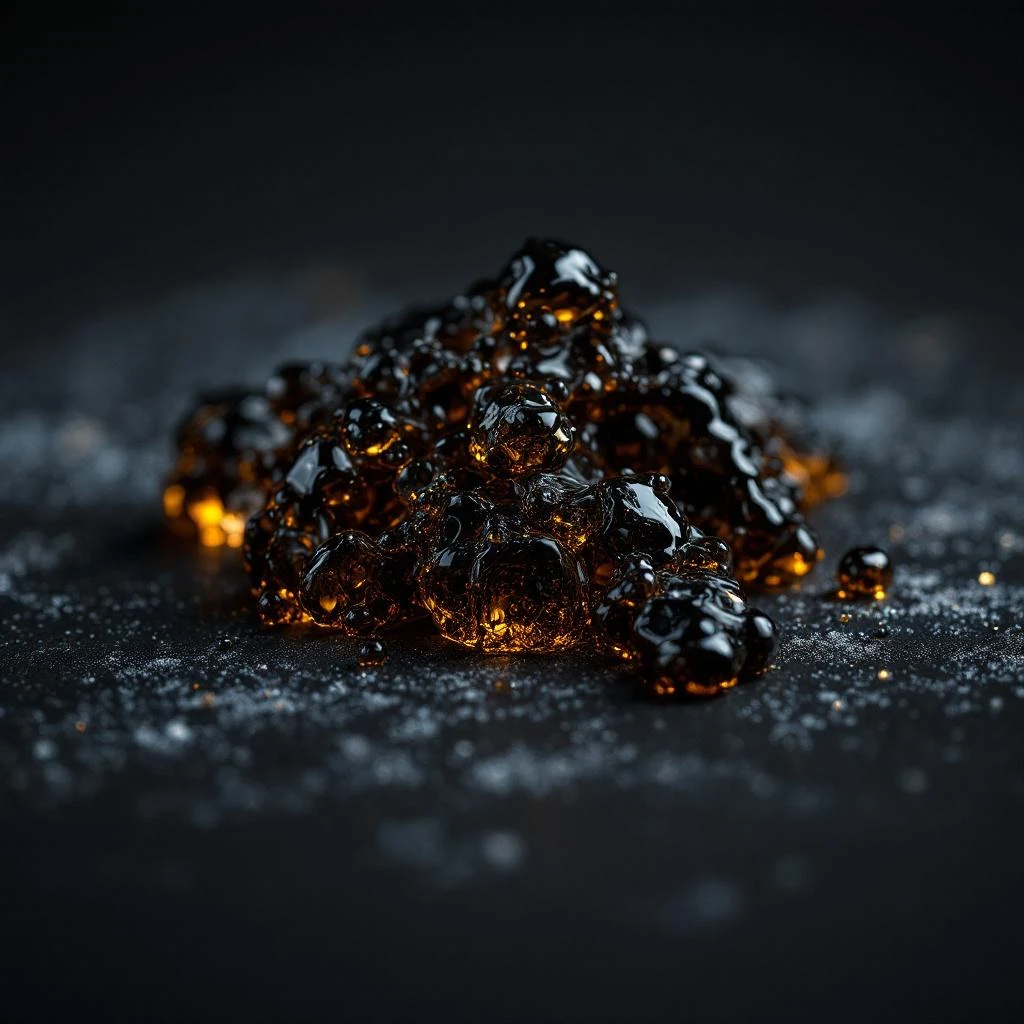
Somalian opoponax is a warm, resinous gum tapped from the bark of the Commiphora erythraea tree. Valued since antiquity, it delivers rich honeyed, ambery-balsamic tones that bring depth and resinous warmth to fragrance compositions.

Character
How it smells
Sweet myrrh with ancient roots in the Horn of Africa.
Somali harvesters have tapped opoponax resin for export since ancient times, trading it under names like hebbakhade and habak hadi.






Origin
Somalia
Opoponax has been a significant trade good flowing out of Somalia since ancient times. Somali communities called it hebbakhade, habaghadi, or habak hadi, and it held ceremonial, medicinal, and aromatic value long before perfumers adopted it.
Regional traders carried it along ancient routes alongside frankincense and myrrh, cementing its place in East African commerce. The material gained wider recognition in European perfumery during the 20th century, valued for its honeyed, ambery-balsamic character that distinguished it from true myrrh.
Traditional Somali harvesters managed the Commiphora erythraea under customary land stewardship, though modern demand has raised questions about long-term ecological balance. Its enduring presence in fragrance speaks to centuries of cultural knowledge embedded in its harvest and use.
Wears it best
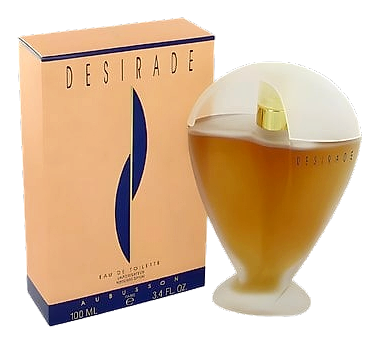
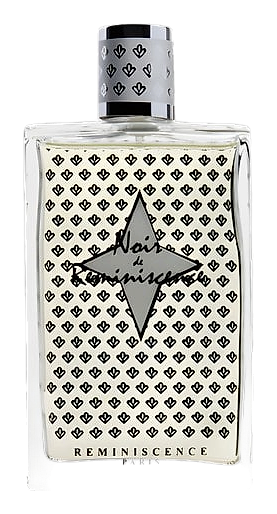
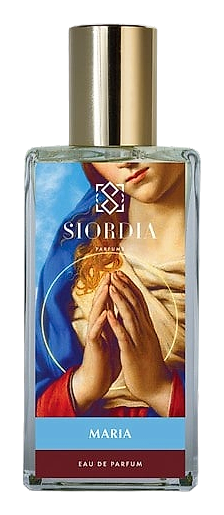
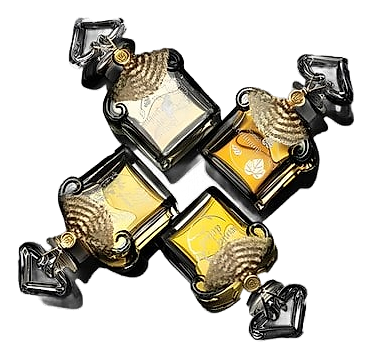
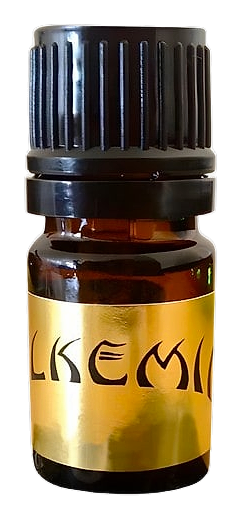
Fragrances featuring Somalian Opoponax

Brands
Brands known for Somalian Opoponax
Good to know
Questions, answered
The essentials on Somalian Opoponax in perfumery: how it smells, where it comes from, and how it behaves on skin.
What is Somalian opoponax?
It is a resinous gum harvested from the bark of the Commiphora erythraea tree growing in Somalia, known in perfumery as sweet myrrh for its warm, honeyed aroma.
How is opoponax resin harvested in Somalia?
Harvesters make shallow incisions into the bark or allow natural exudation. The resin slowly weeps out and hardens into irregular lumps, much like myrrh, before collection.
What does Somalian opoponax smell like?
It presents a warm, honeyed, ambery-balsamic scent with soft resinous depth. The mineral-rich soils and intense sun of Somalia give the resin a notably rich, rounded sweetness.
Is Somalian opoponax the same as myrrh?
No. Both come from Commiphora species, but opoponax (Commiphora erythraea) produces a sweeter, lighter resin, earning it the nickname sweet myrrh. True myrrh comes from Commiphora myrrha.
What fragrance families pair well with Somalian opoponax?
It anchors oriental, chypre, and ambery compositions. Opoponax adds warmth and resinous body when paired with woods, vanillas, and other balsamic materials.
Why is Somalia the primary source of perfumery-grade opoponax?
Somalia produces the most consistent, high-quality opoponax resin. The arid climate and mineral-dense soils create ideal conditions for the Commiphora erythraea to develop its characteristic honeyed-balsamic profile.
What are the local Somali names for opoponax?
Somali communities call it hebbakhade, habaghadi, or habak hadi. It has been a recognized trade commodity in the region for millennia.
Are there conservation concerns around Somalian opoponax?
Increased global demand has raised concerns about overharvesting. Sustainable wild-harvesting protocols are being developed to protect Commiphora erythraea populations in Somalia.