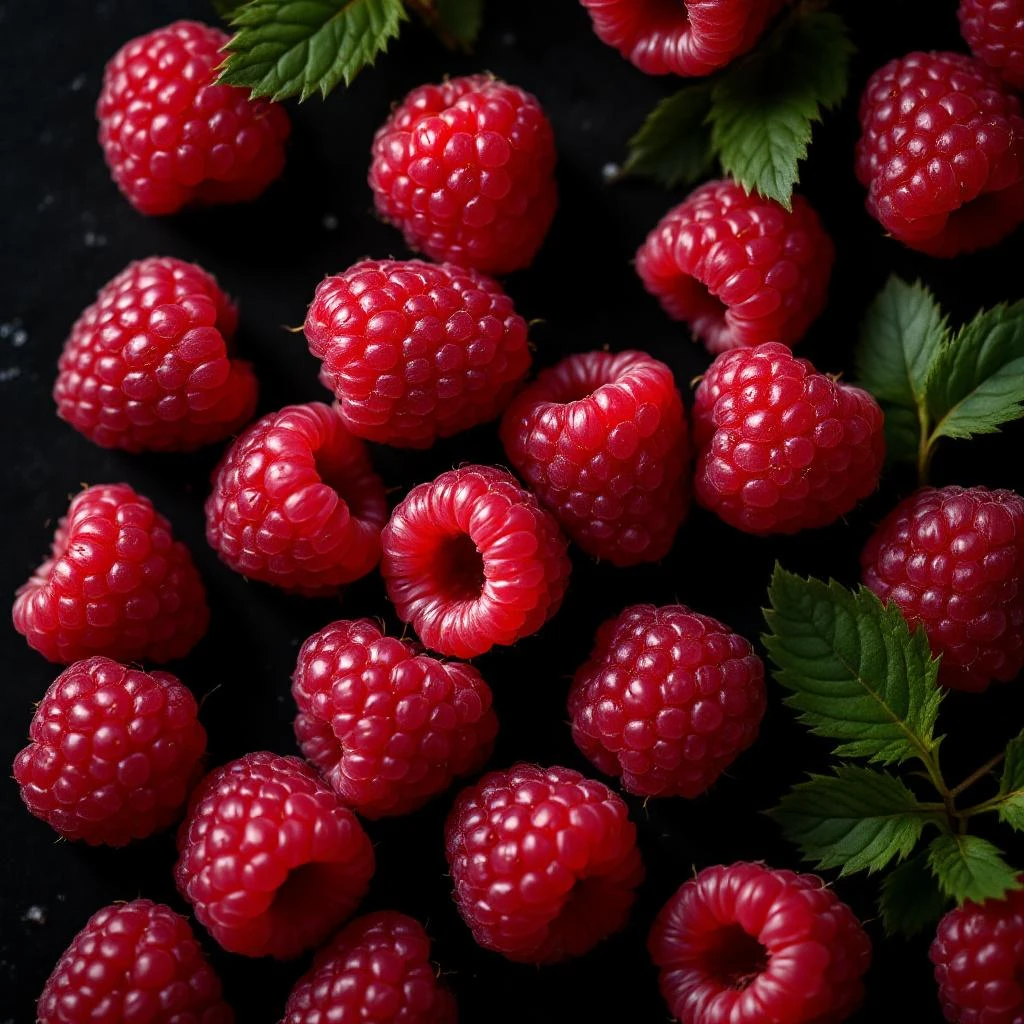
Nectarine Peel
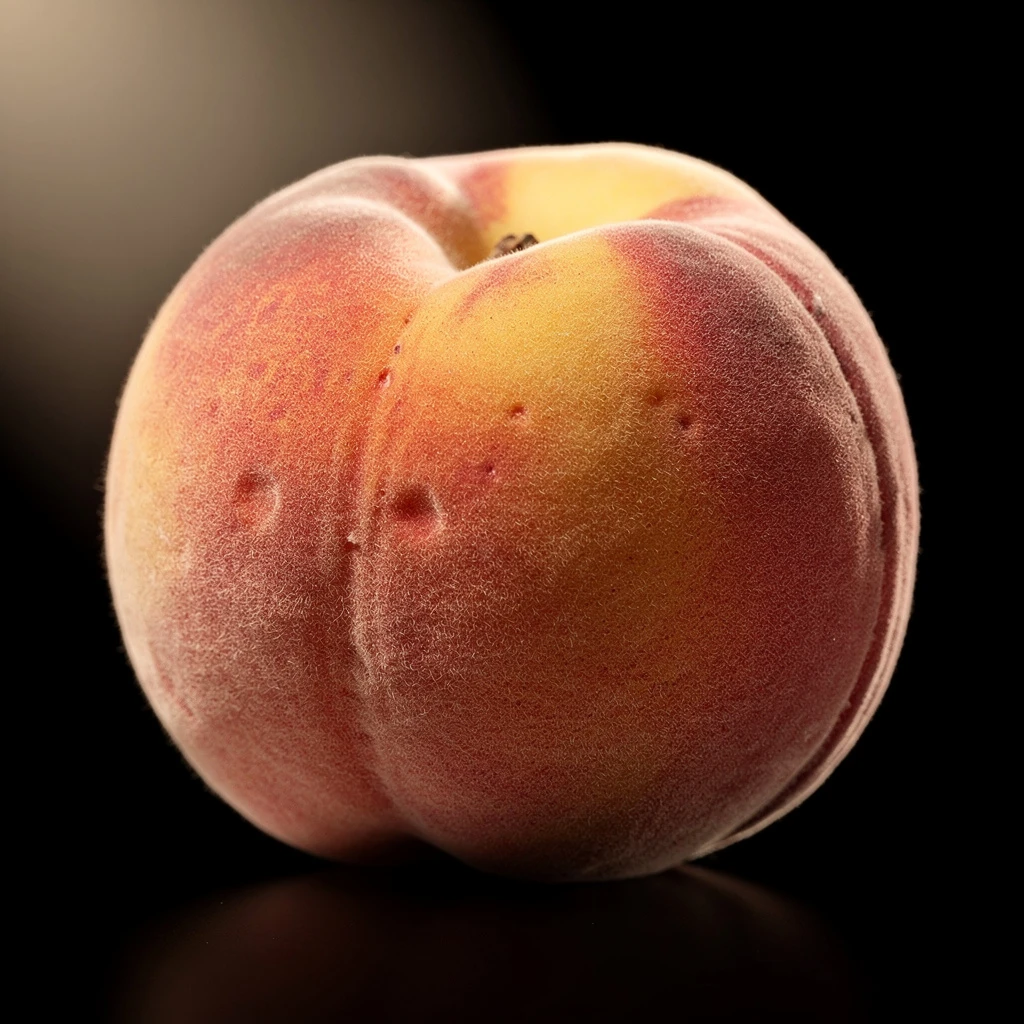
Nectarine peel brings a ripe, velvety fruit accent to perfume, pairing peach softness with a bright, skin-like citrus glow.
Character
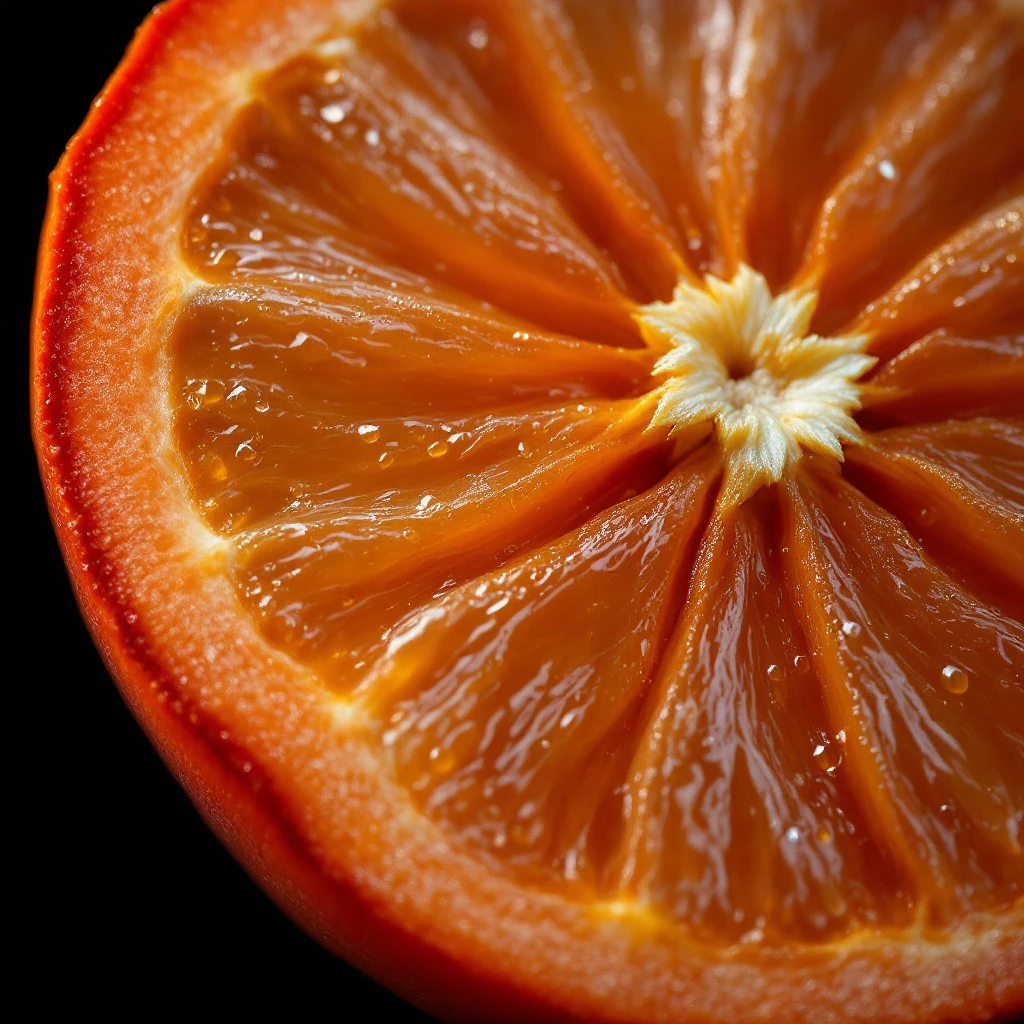
How it smells
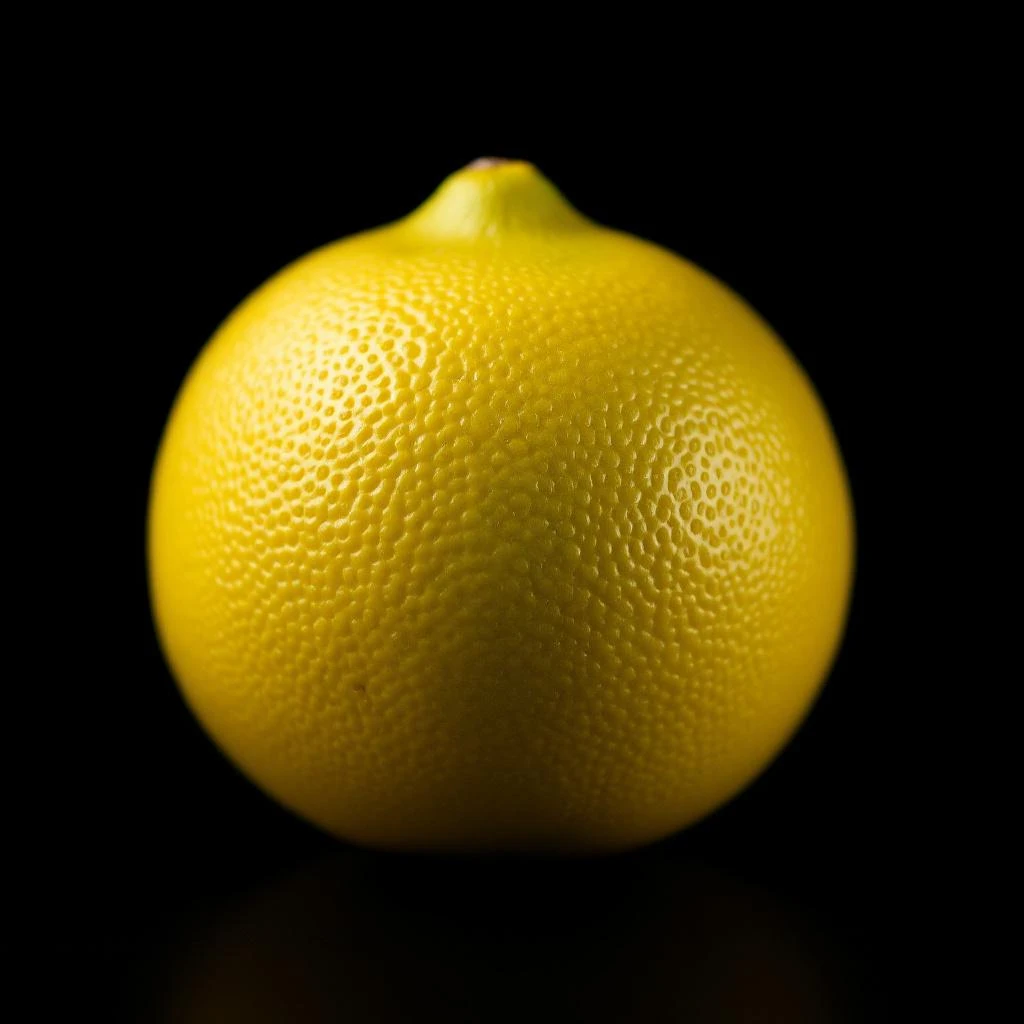
Ripe fruit, polished by a citrus-like gleam.
Perfumers can obtain nectarine character from peel extracts or recreate it with selected aroma molecules.

Origin
China
Nectarine peel belongs to a long tradition of plant materials used to scent the body and surroundings. Perfumery has drawn aromatic oils from fruit, flowers, woods, roots, and resins for centuries, with methods such as pressing, maceration, and distillation recorded in different cultures over time. The peel became especially relevant as modern perfumery learned to isolate and formulate individual aromatic effects.
Although nectarines are closely related to peaches, their peel carries a distinct profile shaped by cultivar, ripeness, climate, and cultivation. Peel oils contain many volatile compounds that contribute fruity, floral, and lightly citrus-like impressions. Historically, fruit by-products did not always receive the same attention as flowers or resins, yet modern extraction has made them important materials for creating realistic fruit notes.
Silloria presents nectarine peel as both a natural source and a study in how one plant part can shape the perceived texture of a fragrance.
Wears it best
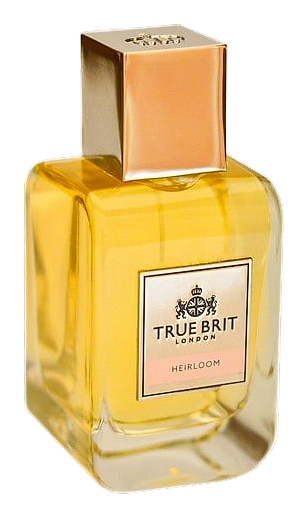
Fragrances featuring Nectarine Peel
Brands
Brands known for Nectarine Peel
Good to know
Questions, answered
The essentials on Nectarine Peel in perfumery: how it smells, where it comes from, and how it behaves on skin.
What does nectarine peel smell like in perfume?
Nectarine peel gives perfume a ripe, juicy fruit note with peach-like softness and a bright citrus edge. The exact profile depends on extraction method and the molecules used in the blend.
How is natural nectarine peel oil extracted?
Natural nectarine peel oil is commonly produced by steam distillation or solvent extraction. These methods recover volatile and aromatic compounds from the peel, with each method yielding a different concentration and texture.
Is nectarine peel the same as peach peel?
Nectarine and peach are closely related fruits, but their peels can produce distinct aromatic profiles. The result depends on cultivar, ripeness, growing conditions, and extraction method.
What part of the nectarine is used in perfumery?
Perfumers primarily use the fruit peel for nectarine peel accords. It may be processed directly for natural extracts or represented through carefully selected aroma molecules.
Does nectarine peel have citrus notes?
It can show a bright, citrus-like impression alongside its ripe fruit character. That lift may come from peel compounds or from supporting aroma molecules in the finished formulation.
Where do nectarines originate?
Nectarines originated in China, where they developed from peach cultivars with smoother skin. Today they are grown widely, including in Europe, North America, and Australia.
Why is nectarine peel useful in fragrance blending?
Its profile adds a recognizable ripe-fruit effect with a polished citrus edge. It can soften sharper notes, enrich floral blends, or provide a fresh top accent.
Is nectarine peel oil natural or synthetic?
Both forms are used. Natural extracts come from the peel, while selected aroma molecules recreate aspects of its fruity, floral, and citrus-like character.