Myrica
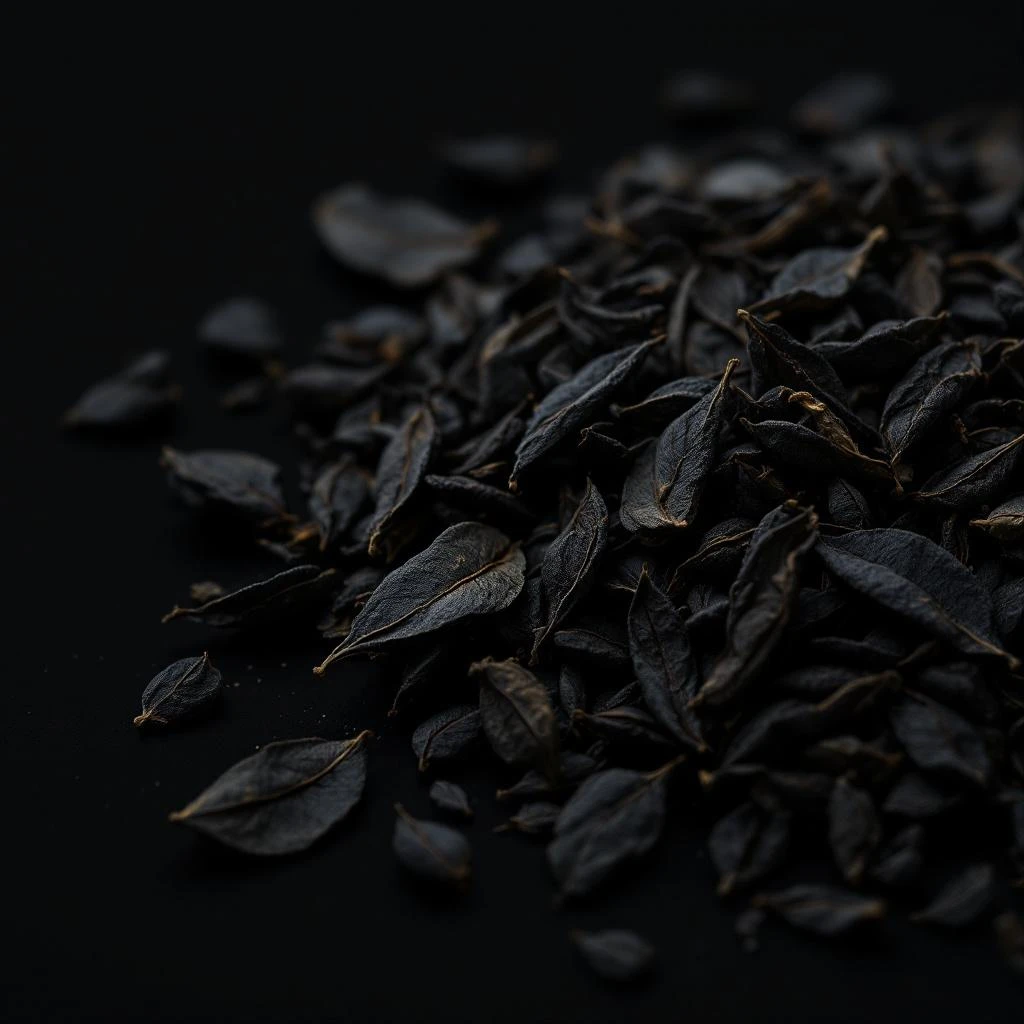
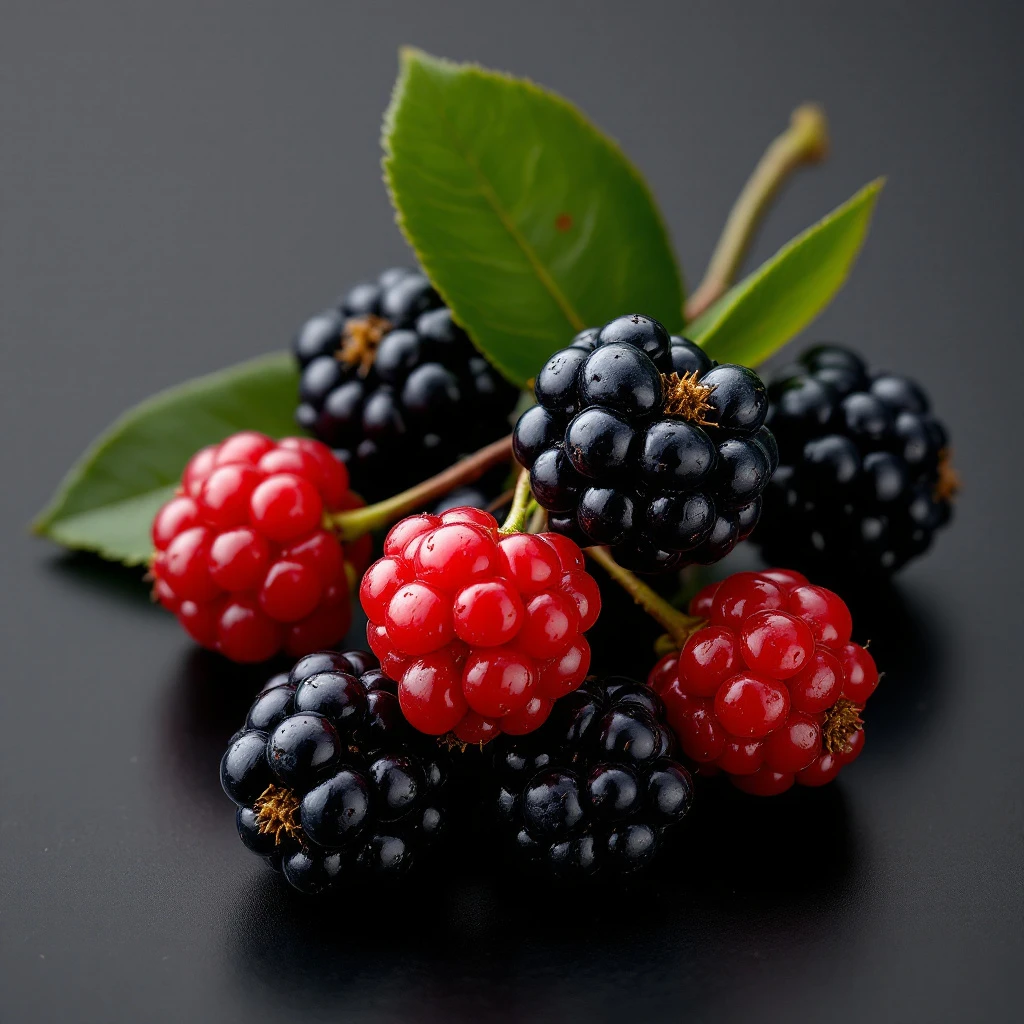
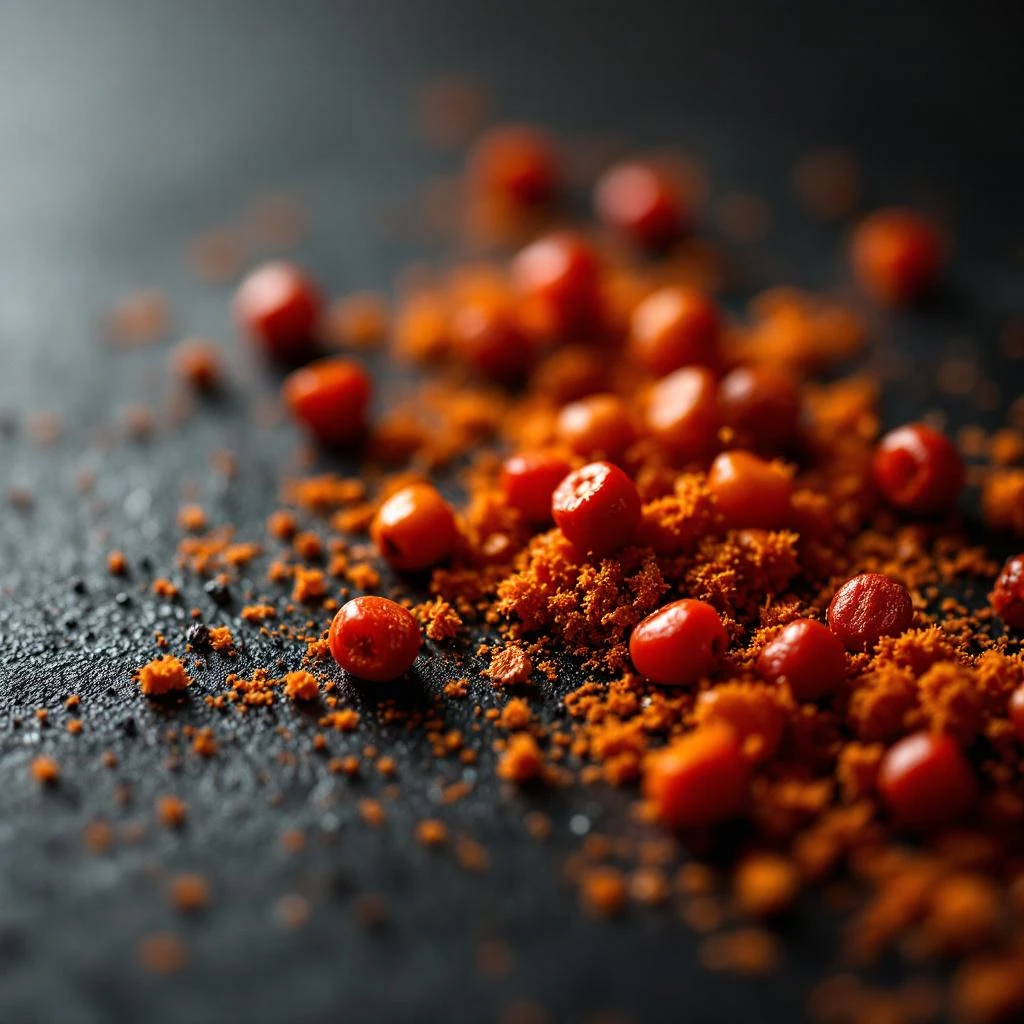
Myrica, derived from bayberry shrubs native to North America, yields a fragrant wax once prized for colonial candles. In perfumery, this aromatic material adds depth with subtle green, berry-like nuances rarely found in conventional ingredients.
Character
How it smells
Colonial candle wax turned perfumery treasure.
Early American settlers crafted fragrant candles from Myrica wax, believing the scent brought good fortune for the coming year.




Origin
United States
Indigenous peoples of eastern North America first utilized Myrica, using the waxy berry coating for waterproofing and as a fragrant coating for ceremonial objects. Colonial settlers adopted these techniques during periods of imported candle wax scarcity, developing the famous "bayberry candle" tradition that persists today. The shrub's resilience made it invaluable, thriving in poor soils where other plants struggled.
Fragrance chemists began exploring Myrica's aromatic potential in the early 20th century, recognizing its unique combination of green, slightly fruity, and resinous qualities. While synthetic materials eventually displaced natural Myrica wax for candle production, perfumers continue sourcing this material for its distinctive olfactory profile that synthetic alternatives cannot fully replicate.
Wears it best
Fragrances featuring Myrica


Brands
Brands known for Myrica
Good to know
Questions, answered
The essentials on Myrica in perfumery: how it smells, where it comes from, and how it behaves on skin.
What does Myrica smell like?
Myrica has a subtle, complex aroma combining green, slightly sweet berry notes with balsamic undertones. It reads as earthy and natural rather than fruity.
Is Myrica a natural or synthetic ingredient?
Myrica is a natural ingredient extracted from bayberry berries. The wax is obtained through traditional water extraction methods.
How rare is Myrica in perfumery?
Myrica ranks among the less common natural materials. Only small quantities become available annually due to limited cultivation and the labor-intensive extraction process.
What type of fragrance compounds does Myrica provide?
Myrica functions primarily as a fixative in fragrance formulations. Its waxy composition helps stabilize more volatile top notes, extending fragrance longevity on skin.
Where does commercial Myrica originate?
Commercial Myrica production centers on the northeastern United States, where native bayberry shrubs grow abundantly along coastal regions and poor soils.
Can Myrica be cultivated sustainably?
Bayberry shrubs grow well in challenging conditions without irrigation or fertilizer, making wild-harvested Myrica a relatively sustainable perfumery material.
How do perfumers incorporate Myrica into formulations?
Perfumers typically use Myrica as a base note component and fixative. The material blends well with woody, green, and aromatic fragrance families.
Does Myrica have historical significance beyond perfumery?
Colonial Americans prized Myrica wax for candle making, believing candles burned with particular purity and carried symbolic meaning for holiday traditions.