Musk Xylene
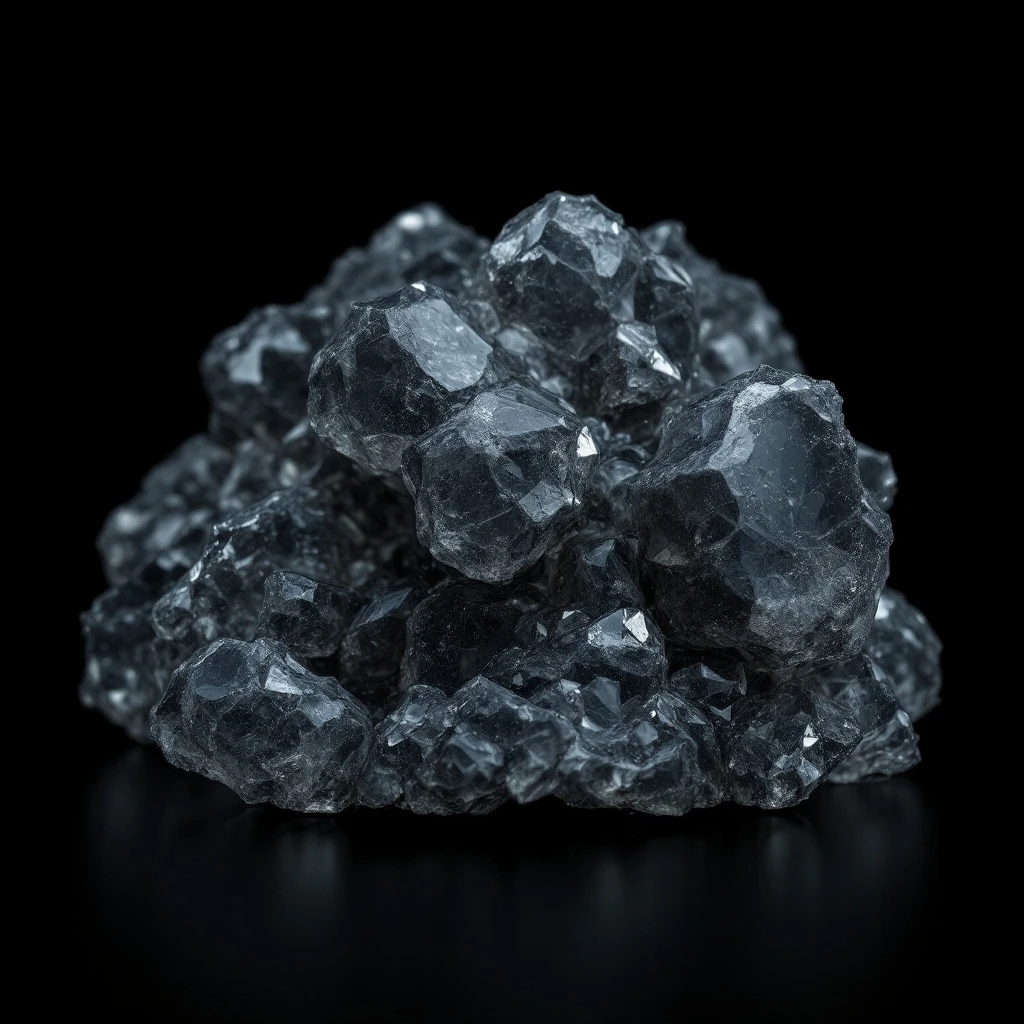
Musk Xylene is a synthetic nitro musk developed in the late 19th century to replicate the prized scent of deer musk without animal harvesting. It offers a warm, sweet, powdery aroma that anchored mass-market perfumery for decades.
Character
How it smells
The synthetic musk that built modern perfumery
Musk Xylene was once the most manufactured synthetic musk in the world, with production volumes exceeding 1,000 metric tons annually before safety concerns triggered widespread restrictions.






Origin
Germany
Musk Xylene emerged in 1889 when chemist Albert Baur serendipitously discovered musky-smelling compounds while experimenting with explosives. The discovery marked a turning point in perfumery, as natural musk from the Tibetan musk deer had become extraordinarily expensive and ethically untenable due to overharvesting and population decline. By the early 20th century, Musk Xylene and related nitro musks dominated the synthetic musk market, prized for their fixative properties and ability to extend the wear time of fragrances.
The compound became a backbone ingredient in iconic mid-century perfumes and household products throughout the 1950s, 1960s, and 1970s. Concerns began mounting in the 1980s when studies detected Musk Xylene in waterways, fish tissue, and human breast milk, revealing its persistence in the environment and tendency to bioaccumulate. Research linking nitro musks to potential endocrine disruption prompted regulatory action across Europe.
The European Union restricted its use in cosmetics, and major fragrance companies began phased removal programs. Today, Musk Xylene stands as both a triumph of early synthetic chemistry and a cautionary tale about long-term environmental consequences.
Wears it best
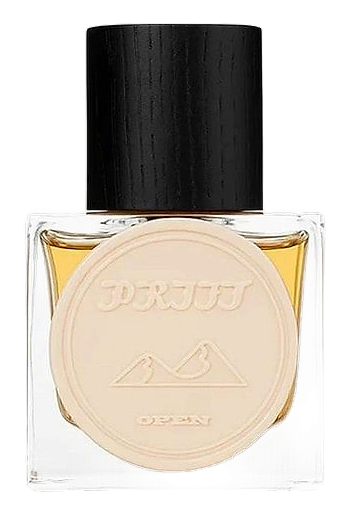
Fragrances featuring Musk Xylene
Brands
Brands known for Musk Xylene
Good to know
Questions, answered
The essentials on Musk Xylene in perfumery: how it smells, where it comes from, and how it behaves on skin.
What does Musk Xylene smell like?
Musk Xylene presents a warm, sweet, slightly powdery scent with subtle animalic undertones. It lacks the sharper facets of some nitro musks, offering instead a rounded, tenacious base that extends fragrance longevity on skin.
Is Musk Xylene safe to use in perfume?
Current safety assessments classify Musk Xylene as safe at trace concentrations for leave-on cosmetics. However, regulatory bodies restrict its concentration levels due to environmental persistence, and many perfumers have replaced it entirely.
Why was Musk Xylene banned or restricted?
Musk Xylene was restricted because it persists in the environment and accumulates in human tissue, fish, and waterways. Studies detected it in breast milk, raising concerns about long-term exposure and potential endocrine effects.
Is Musk Xylene the same as natural musk?
No. Musk Xylene is a synthetic molecule created to mimic the warm, sensual quality of natural deer musk without animal sourcing. Its scent profile is similar in function but chemically distinct from the original animal secretion.
When was Musk Xylene first synthesized?
Musk Xylene was first synthesized in 1889 by German chemist Albert Baur. His accidental discovery during explosives research produced one of the first viable synthetic replacements for natural deer musk.
What perfumes contain Musk Xylene?
Older formulations from the 1970s and 1980s frequently included Musk Xylene as a base note, particularly in oriental and chypre compositions seeking a sweet, powdery drydown.
How is Musk Xylene different from white musk?
Musk Xylene belongs to the older nitro musk family and carries a heavier, sweeter profile. White musks are polycyclic compounds developed later, offering cleaner, more transparent skin-like scents with less environmental concern.
Can Musk Xylene be used in natural perfumery?
No. Natural perfumery standards exclude synthetic ingredients like Musk Xylene. Formulators working within natural certifications rely on plant-based musks, essential oils, or compatible white musk substitutes instead.