Aurantiol
Aurantiol is a synthetic Schiff base that replicates the warm, honeyed richness of orange blossom and neroli. By chemically combining hydroxycitronellal with methyl anthranilate, perfumers gained a stable floral material that has shaped white floral compositions since the 1950s.
Character
How it smells
The synthetic accord that defined modern white florals.
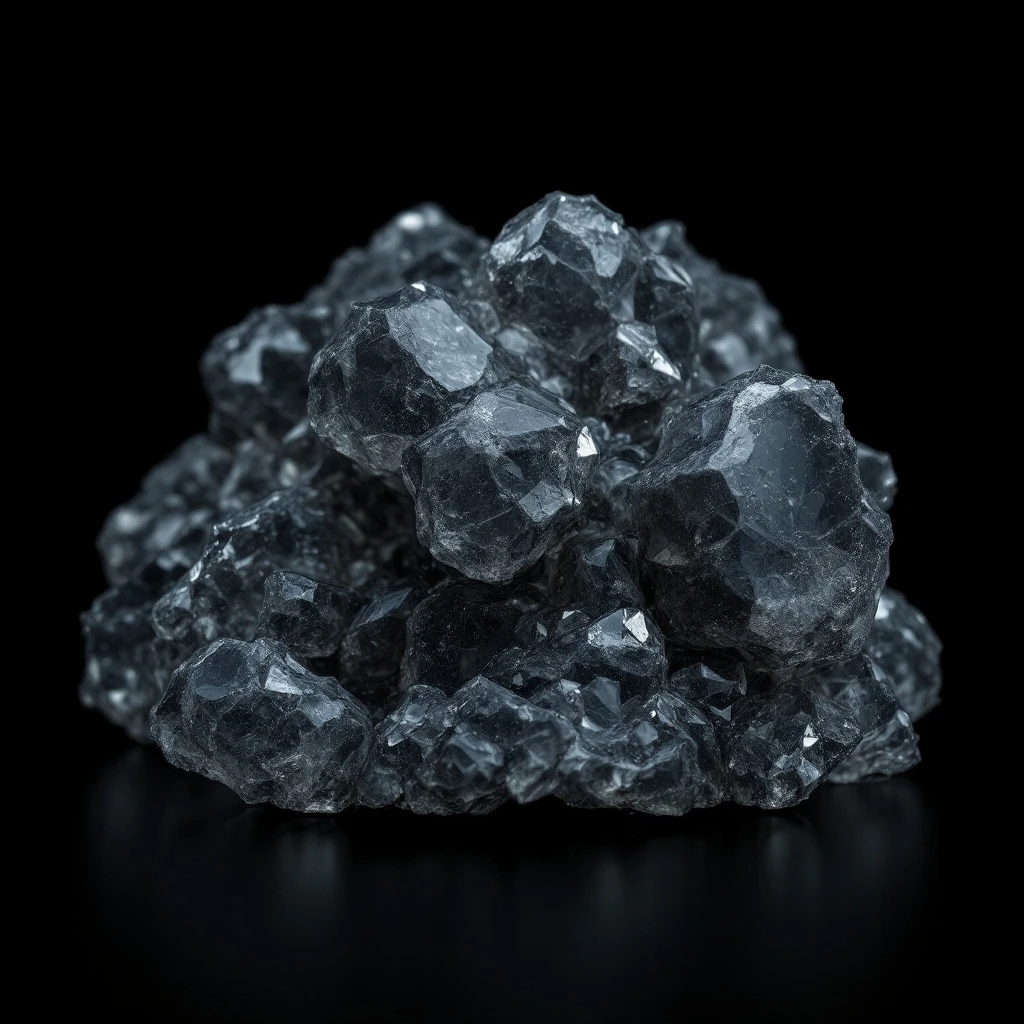
Aurantiol does not exist in nature. It is entirely a lab creation, built from two aroma molecules that never meet in any botanical.







Origin
United States
The development of Aurantiol traces back to mid-20th century advances in fragrance chemistry, when perfumers gained access to synthetic materials capable of recreating or enhancing natural scent profiles. Schiff bases, a class of compounds formed by condensing aldehydes with amines, emerged as valuable fragrance ingredients during this period of rapid innovation.
Aurantiol specifically was developed to capture the radiant, nectarous quality of orange blossom at a time when natural neroli and orange flower absolute remained expensive and variable. Its introduction allowed perfumers to amplify floral heart notes while maintaining economic consistency across production batches.
Within years, Aurantiol became a staple in formulations targeting orange blossom, linden, jasmine, and tuberose accords. The ingredient remains one of the most widely used Schiff bases in contemporary perfumery, valued for its ability to lend warmth and natural-like depth to white floral compositions.
Wears it best
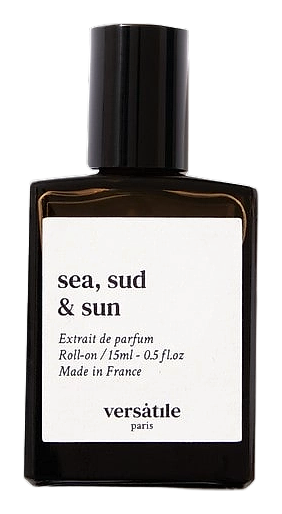
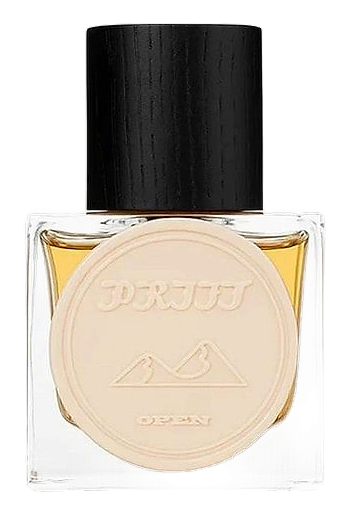
Fragrances featuring Aurantiol
Brands
Brands known for Aurantiol
Good to know
Questions, answered
The essentials on Aurantiol in perfumery: how it smells, where it comes from, and how it behaves on skin.
What is Aurantiol?
Aurantiol is a synthetic Schiff base fragrance ingredient. It forms when hydroxycitronellal reacts with methyl anthranilate under acidic conditions, creating a molecule that smells intensely of orange blossom and honeyed florals.
How would I describe the smell of Aurantiol?
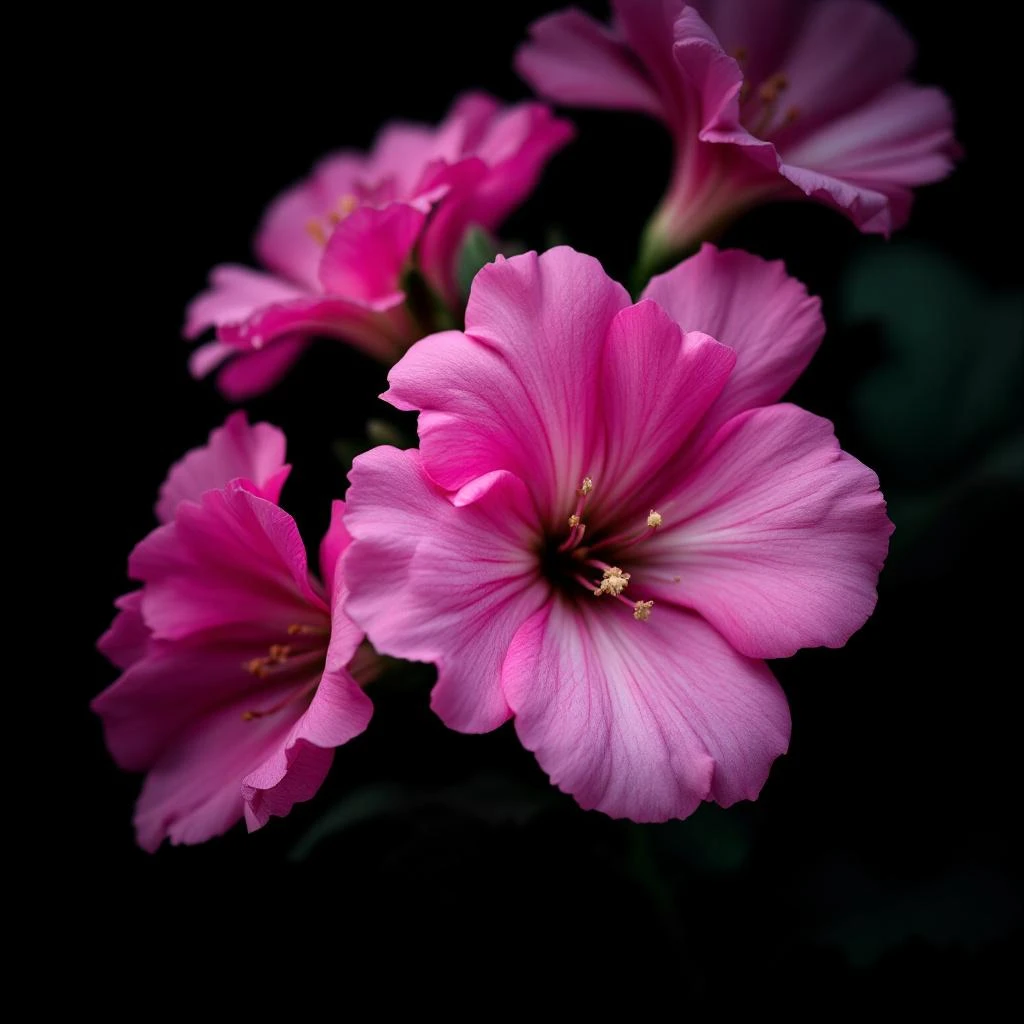
Aurantiol reads as warm, sweet, and intensely floral. Think orange blossom nectar with a creamy, slightly animalic depth. It adds radiance and volume to any floral composition without veering into sharp or green territory.
Is Aurantiol found in nature?
No. Aurantiol is entirely synthetic. It does not occur in any botanical or natural material. Perfumers created it to capture and extend the orange blossom note at scale.
Which fragrance families use Aurantiol?
Aurantiol excels in white floral and citrus-floral families. Perfumers frequently use it in orange blossom, neroli, linden blossom, jasmine, and tuberose accords. It also appears in chypre and amber bases as a warm florals anchor.
How does Aurantiol compare to natural orange blossom?
Aurantiol reproduces the warm, honeyed character of orange blossom rather than its green, waxy facets. It lacks the natural variation of botanical extracts and offers superior consistency and longevity in formulations.
Is Aurantiol considered safe for skin application?
Aurantiol has been evaluated by IFRA and appears on their list of approved fragrance ingredients when used within specified concentration limits. It is considered safe for cosmetic and fragrance applications at recommended usage levels.
Why do perfumers choose synthetic ingredients like Aurantiol?
Synthetics like Aurantiol offer batch-to-batch consistency, cost stability, and availability that natural materials cannot guarantee. They also allow perfumers to create scent effects that have no natural equivalent, expanding creative possibility.