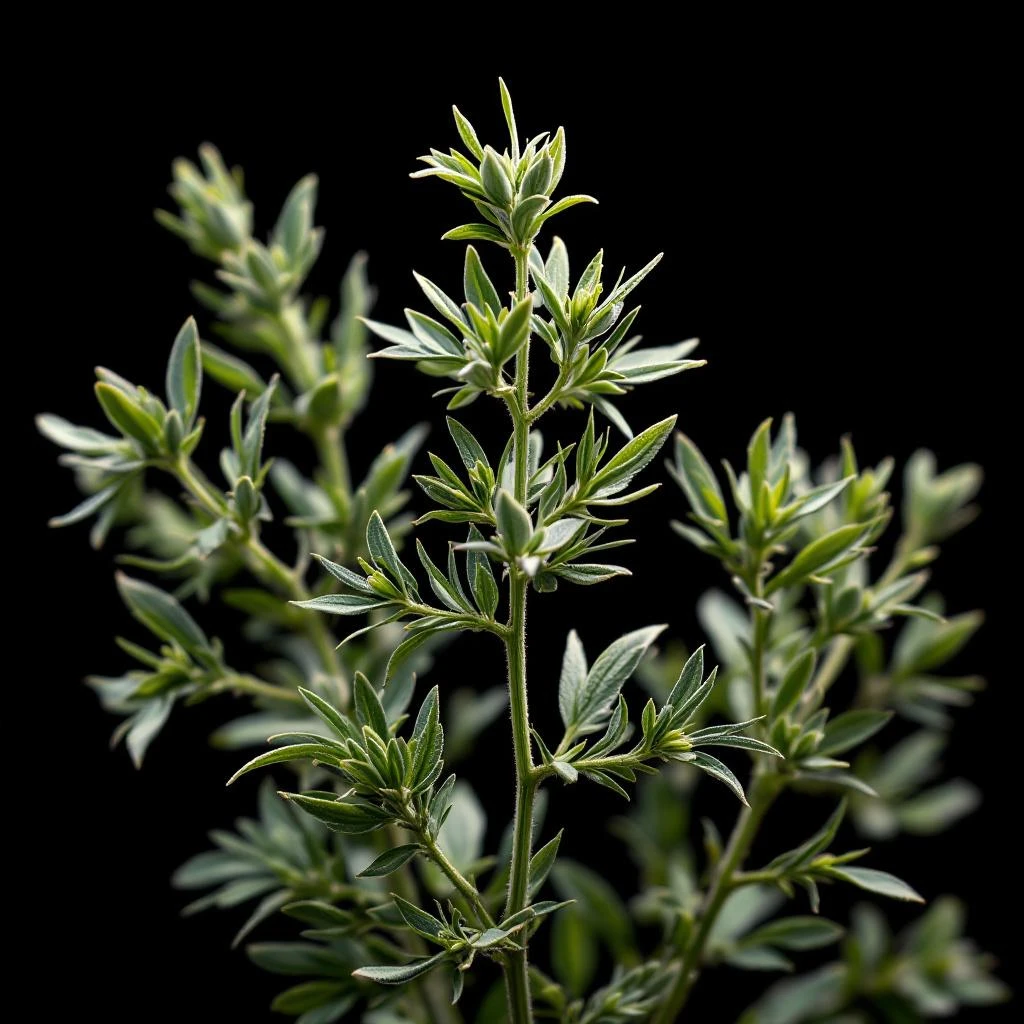
Moldavian Sage
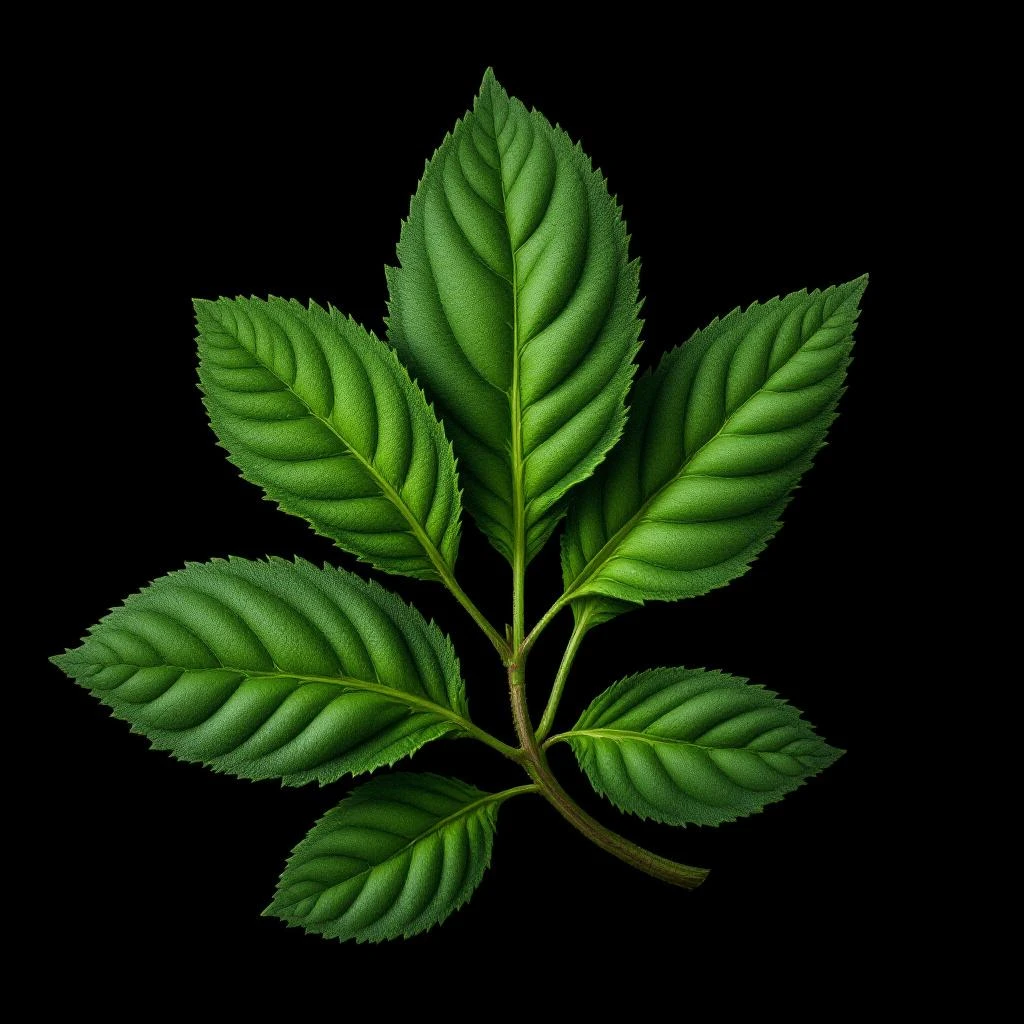
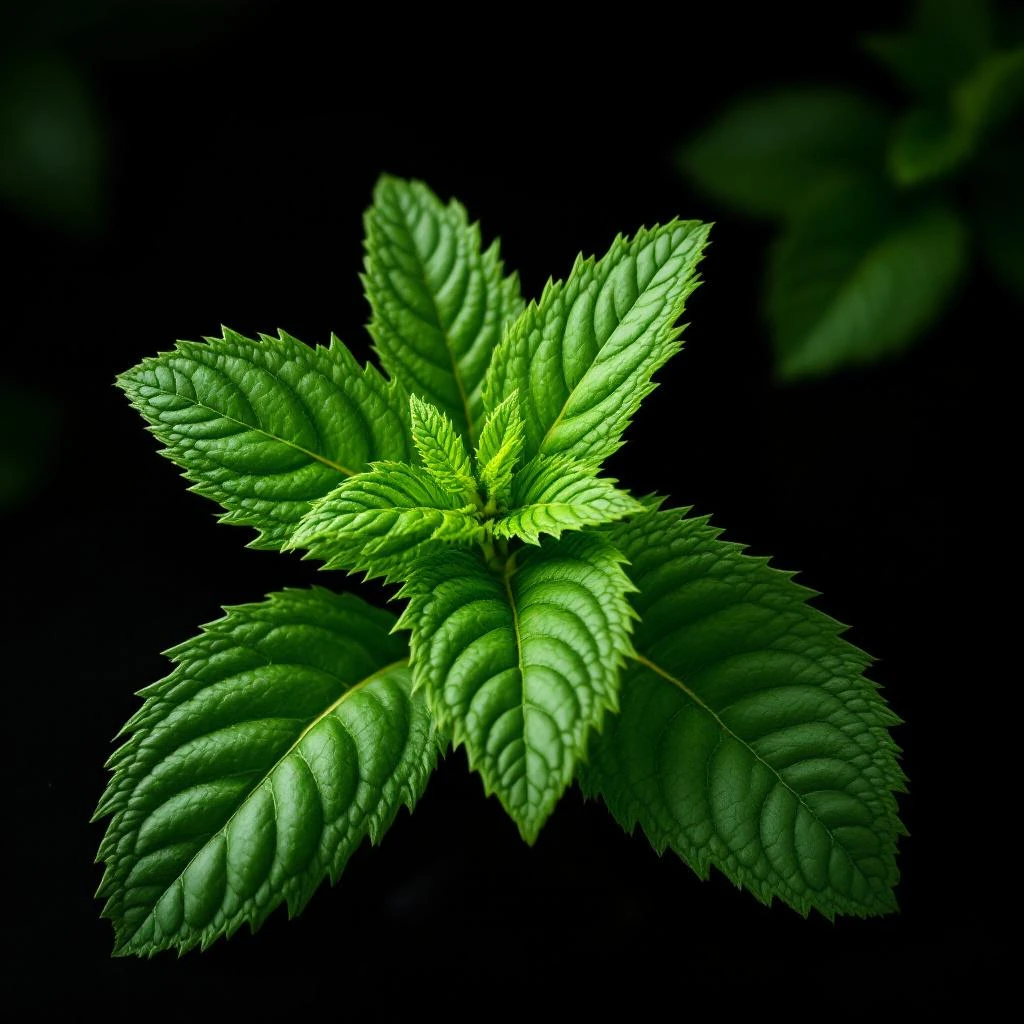
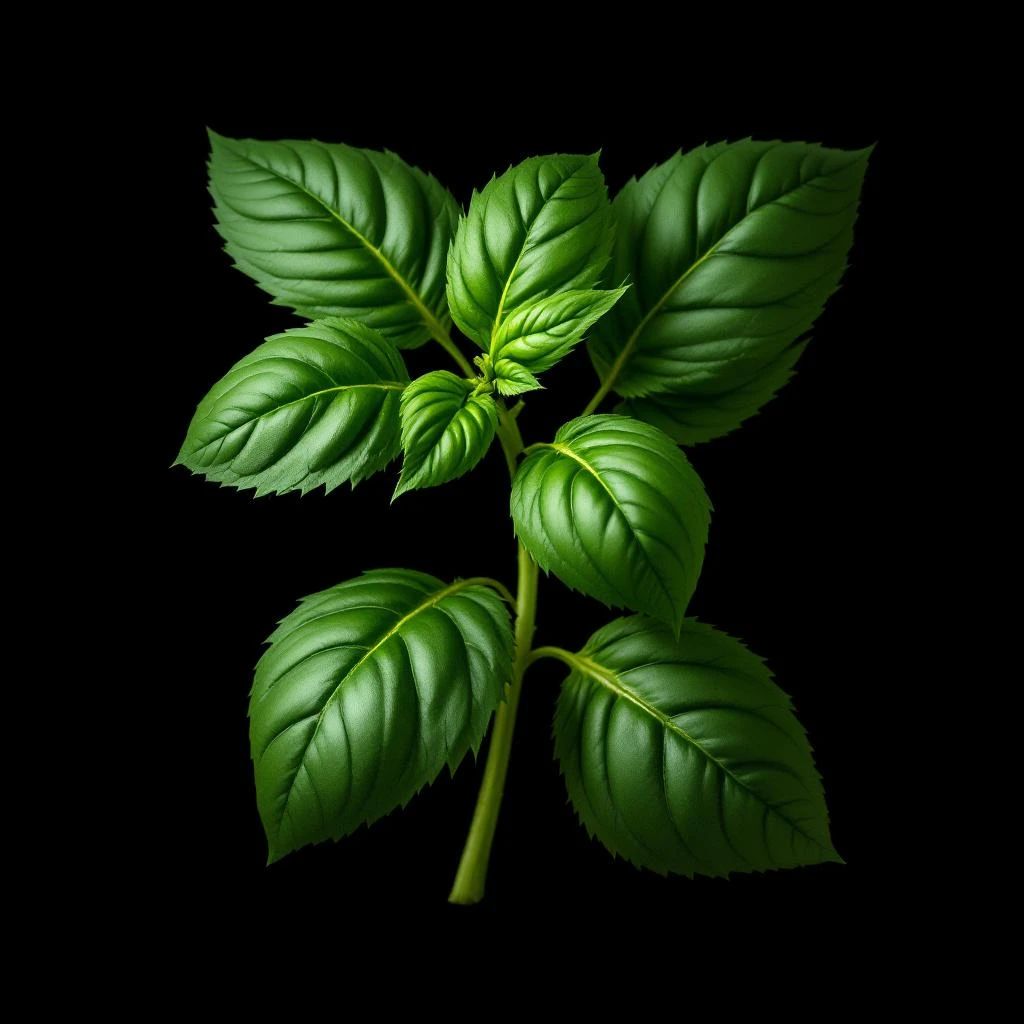
Moldavian Sage (Salvia sclarea) yields a potent essential oil prized for its herbaceous, slightly musky aroma. Native to Eastern Europe, this aromatic herb anchors many amber and fougère compositions.
Character
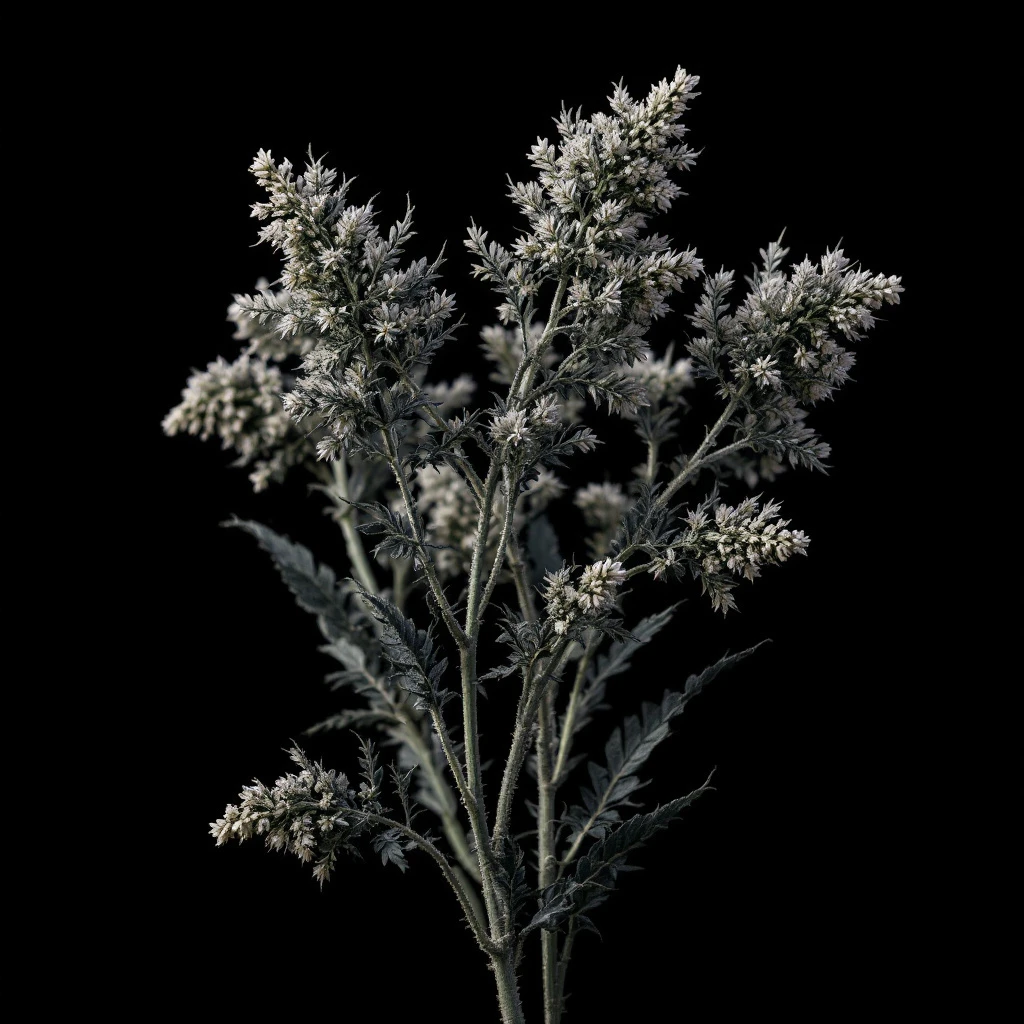
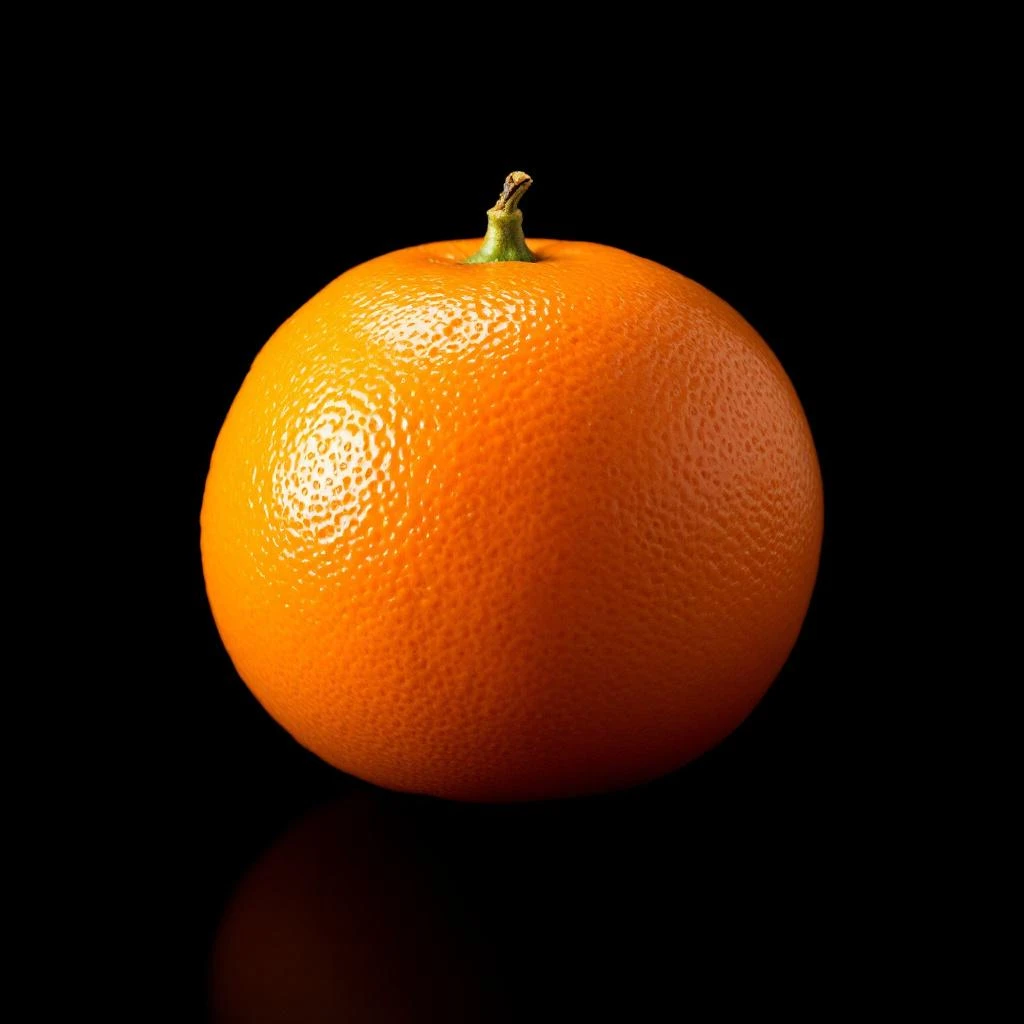
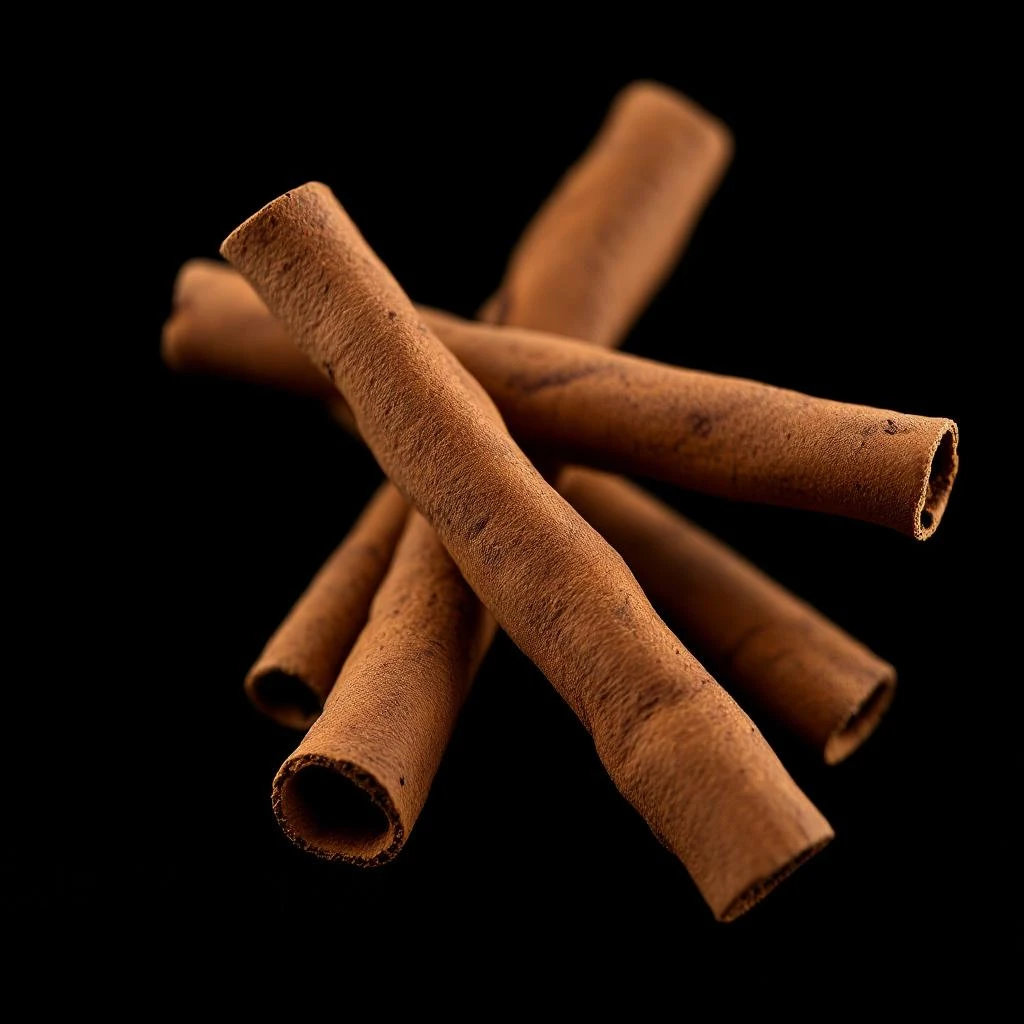
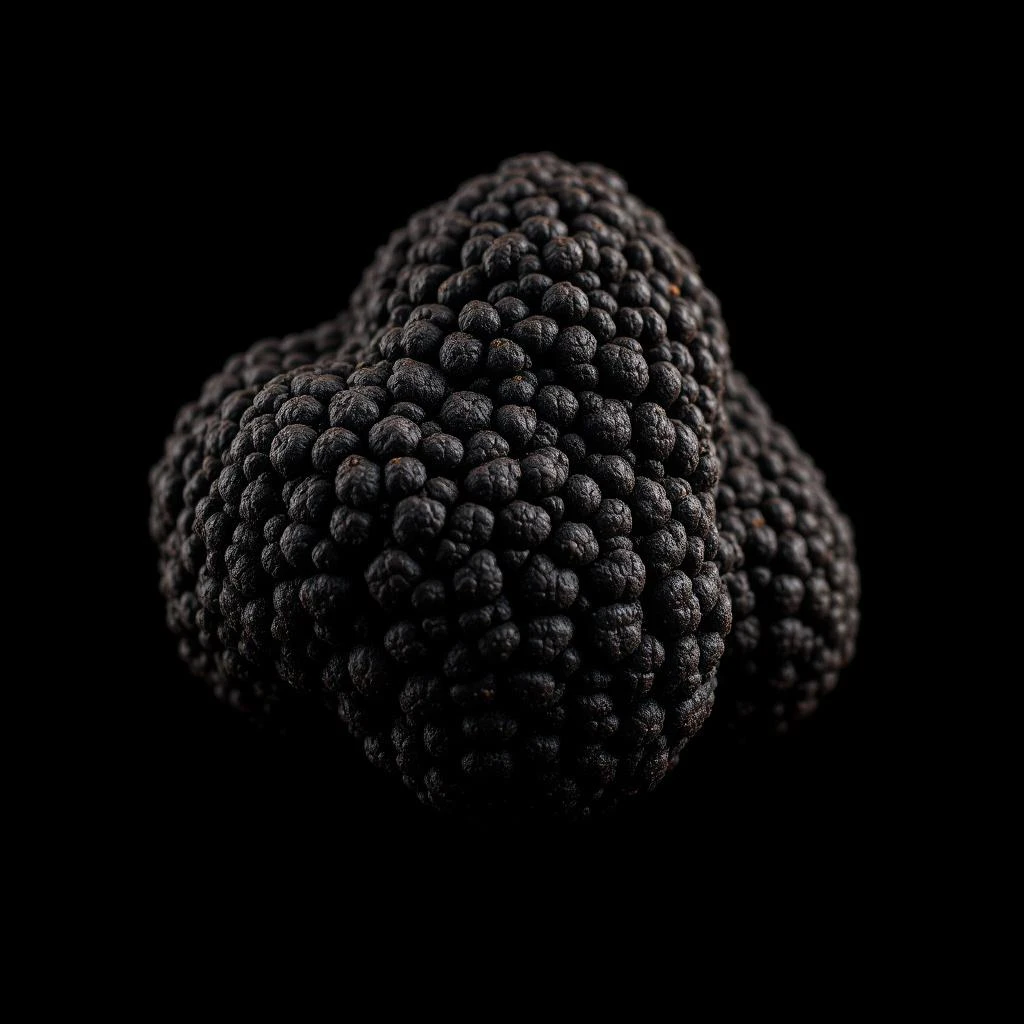
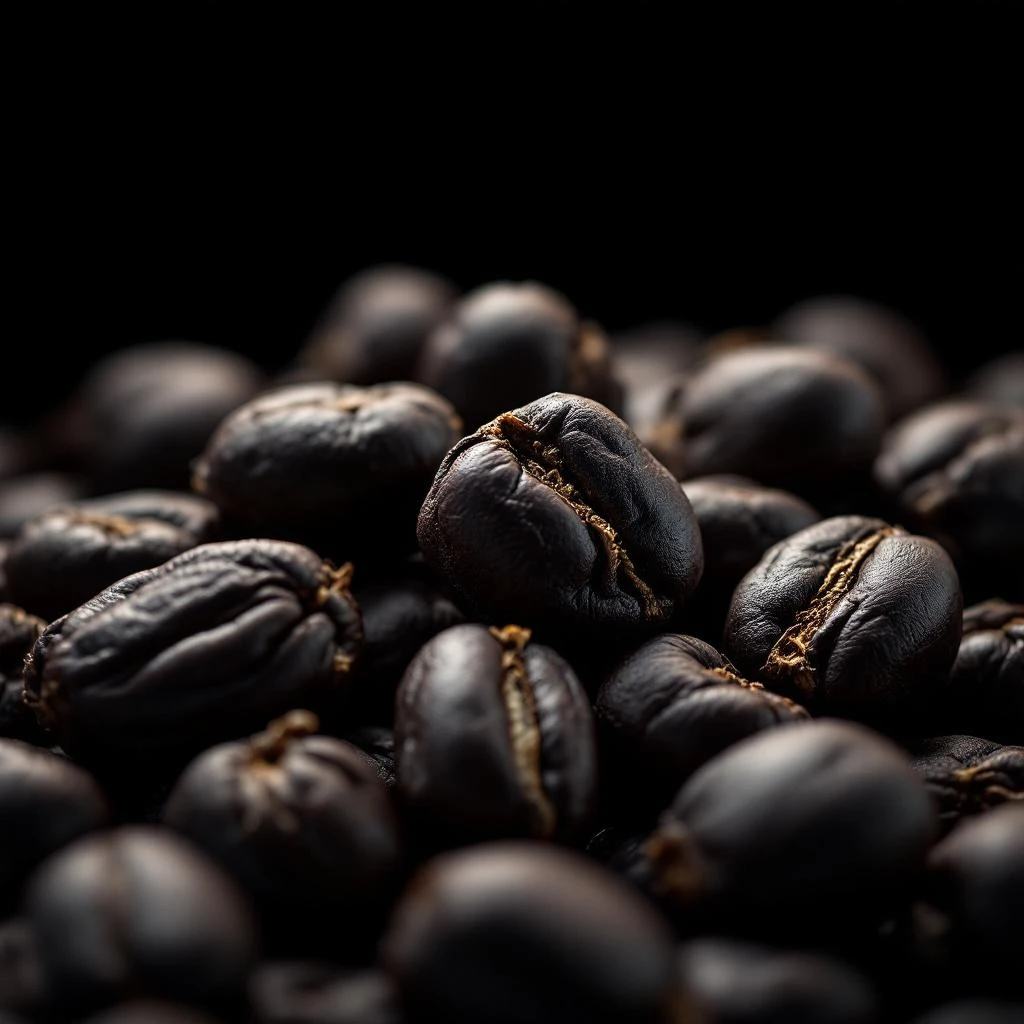
How it smells
Herbaceous depth with an ambery whisper
Clary sage was historically called 'clear eye' because its seeds were once used to remove foreign objects from the eye, producing a mucilaginous coating.


Origin
Moldova
Salvia sclarea carries a legacy stretching back to medieval Europe, where herbalists valued it as a remedy for digestive complaints and eye ailments. The name 'clary' derives from the Latin 'sclarea,' meaning 'clear,' referencing its mucilaginous seeds once pressed to extract debris from the eye.
By the Renaissance, Moldavian Sage had migrated from monastery gardens into apothecaries across Central Europe, where distillers began isolating its essential oil. The 16th-century herbalist John Gerard documented its use in wine and cordials, praising its warming, euphoric effects.
Commercial cultivation expanded significantly in the 20th century when French and Bulgarian growers recognized Moldova's favorable terroir, with its continental climate and calcareous soils producing oil of exceptional clarity. Today, the region supplies a substantial portion of the global clary sage oil market, anchoring fougère and oriental perfumery traditions established in 19th-century Grasse.
Wears it best
Fragrances featuring Moldavian Sage
Brands
Brands known for Moldavian Sage
Good to know
Questions, answered
The essentials on Moldavian Sage in perfumery: how it smells, where it comes from, and how it behaves on skin.
What does Moldavian Sage smell like in perfumery?
Moldavian Sage produces an herbaceous, slightly sweet aroma with ambery and musky undertones. Its key constituent linalyl acetate lends a soft, fruity quality, while sclareol contributes a distinctive tobacco-like warmth prized in fougère compositions.
Is Moldavian Sage the same as Clary Sage?
Yes. Salvia sclarea is commonly called clary sage or Moldavian sage, named after the Eastern European region where high-quality commercial crops are grown. The geographic designation simply indicates provenance rather than a separate botanical variety.
What perfumes famously contain clary sage oil?
Clary sage features prominently in classic fougère structures, including Dior Sauvage and various Caron compositions. Its linalool-rich profile makes it a common bridge note between citrus openings and woody bases.
Why is clary sage oil expensive to produce?
Steam distillation of Salvia sclarea requires substantial biomass: approximately 100 kilograms of fresh flowering tops yield just one kilogram of essential oil. This low extraction ratio, combined with labor-intensive seasonal harvesting, drives production costs upward.
Where is Moldavian Sage commercially cultivated?
Commercial cultivation centers on Moldova, southern Ukraine, and Bulgaria, where continental climates and well-drained soils produce oil with high linalyl acetate content. France and Russia also maintain smaller growing operations for niche markets.
What is sclareol used for beyond perfumery?
Sclareol, a diterpene alcohol extracted from clary sage, serves as a precursor in synthetic ambergris substitutes like Ambrox. This connection makes Salvia sclarea economically significant beyond direct fragrance applications.
Can Moldavian Sage oil be used in aromatherapy?
Some practitioners incorporate clary sage oil for its purported calming properties, though clinical evidence remains limited. Topical use requires dilution, as the concentrated oil can cause skin sensitization in susceptible individuals.
How does Moldavian Sage differ from common kitchen sage?
Salvia sclarea differs substantially from Salvia officinalis. Clary sage grows taller, produces showy purple bracts, and yields an oil with a sweeter, more narcotic character compared to the sharp, camphoraceous profile of culinary sage.