Mayflower
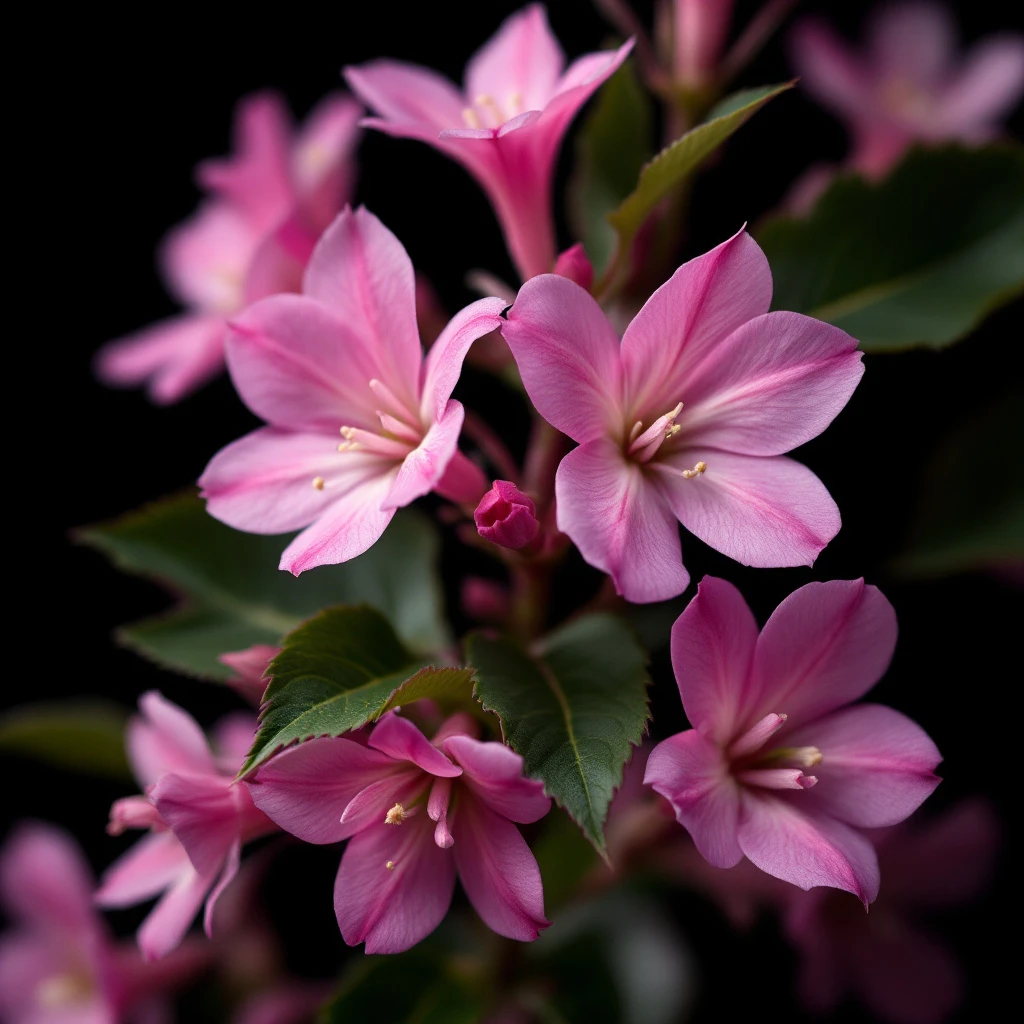
Mayflower brings a delicate, nostalgic floral note to perfumery. Its scent profile captures the essence of early spring blossoms with subtle green undertones and a whisper of sweetness that evokes quiet gardens at dawn.
Character
How it smells
Delicate spring blossoms captured in fragrance.
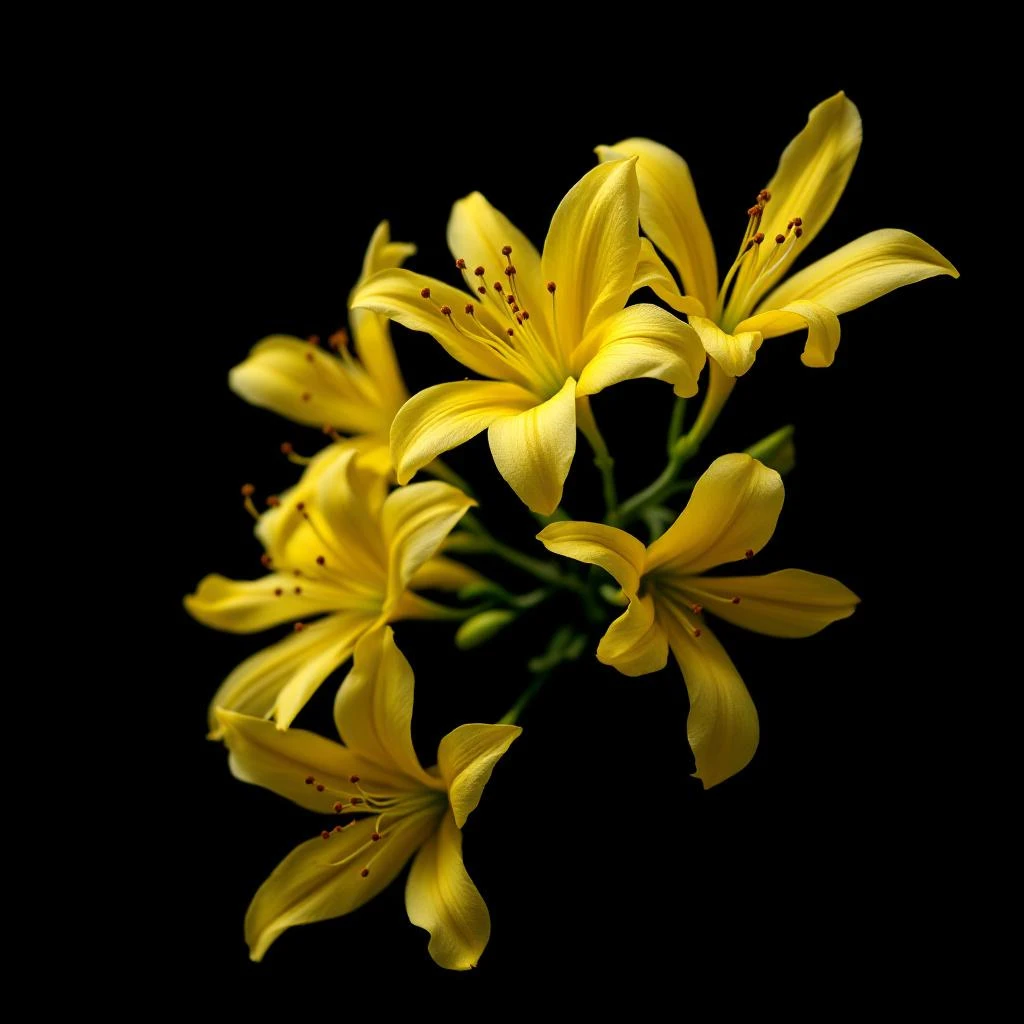
The Mayflower's botanical name Enkianthus derives from Greek words meaning 'wax flower,' referencing its delicate, translucent petals.




Origin
Japan
The Mayflower holds deep cultural significance across East Asia, where it blooms along forest margins each spring. Japanese and Korean cultures have long cherished these blossoms as symbols of renewal and quiet beauty.
While not among the classical perfumery ingredients documented by ancient Mediterranean civilizations, East Asian perfumery traditions incorporated floral elements including Enkianthus into ceremonial scents and temple incenses. Western perfumers encountered these materials during 19th-century trade expansion, eventually inspiring synthetic recreations that captured the mayflower's distinctive character for broader use in fine fragrance.
Wears it best
Fragrances featuring Mayflower
Brands
Brands known for Mayflower
Good to know
Questions, answered
The essentials on Mayflower in perfumery: how it smells, where it comes from, and how it behaves on skin.
What does Mayflower smell like?
Mayflower delivers a light, ethereal floral scent with green undertones and subtle fruity sweetness reminiscent of fresh spring blossoms in woodland settings.
Is Mayflower a natural or synthetic ingredient?
Most Mayflower notes in commercial perfumery are synthetic recreations, as the natural flower yields limited aromatic material for large-scale production.
Where does Mayflower originate?
The Enkianthus plant grows natively across Japan, Korea, and China, thriving in woodland margins and mountain slopes at elevations between 500 and 2000 meters.
When does Mayflower bloom for harvest?
The plant blooms briefly in spring, typically April through May in its native range, with harvest timing critical for capturing peak aromatic concentration.
What fragrance families use Mayflower notes?
Mayflower appears primarily in floral and green fragrance compositions, often paired with other spring florals like lilac, hawthorn, and lily of the valley.
Does Mayflower have cultural significance?
In Japanese culture, Enkianthus flowers symbolize gratitude and protection, appearing in traditional ceremonies and temple gardens across the country.
How is Mayflower extraction typically done?
When extracted naturally, solvent extraction captures the delicate floral compounds, though sustainability challenges make synthetic accords more common industrially.
What other ingredients pair well with Mayflower?
Mayflower harmonizes with green tea, white musk, cherry blossom, and citrus elements, creating contemporary springtime fragrance compositions.




