Mate Leaves
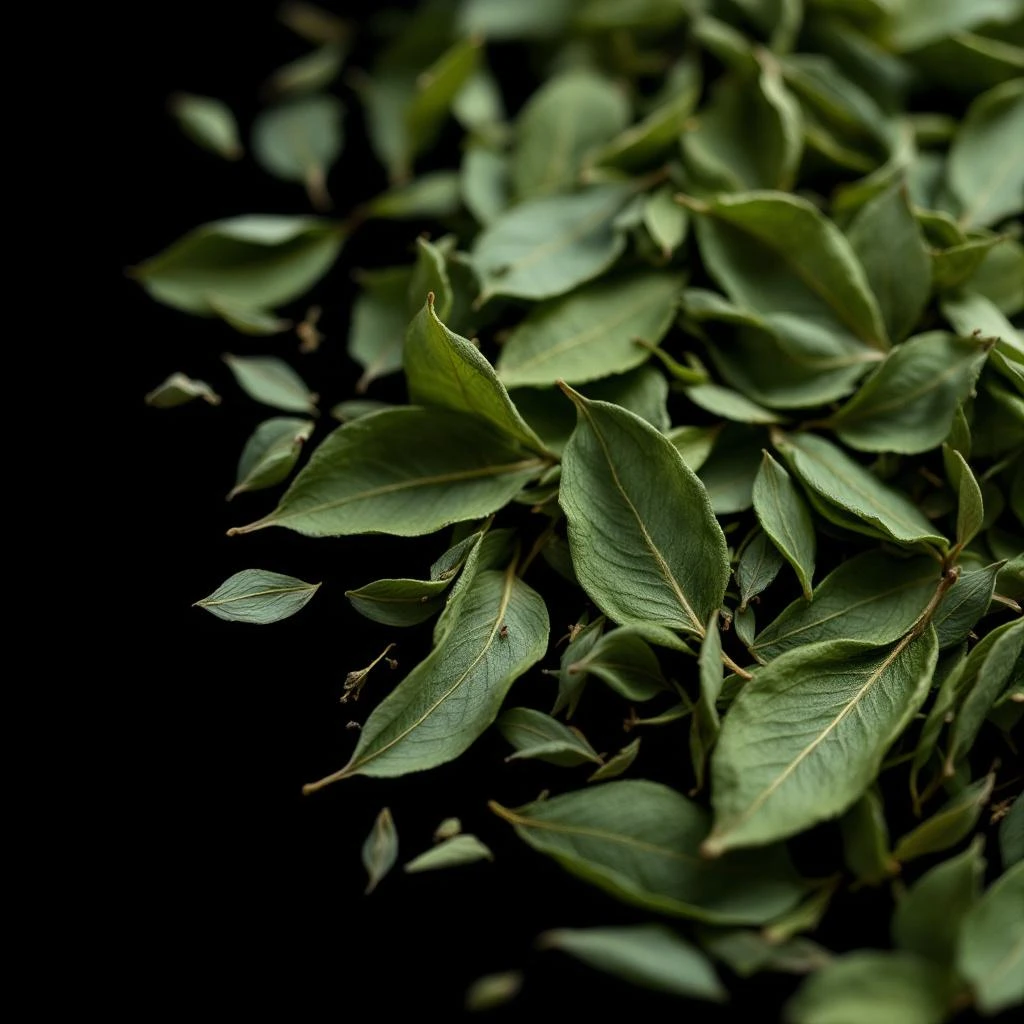
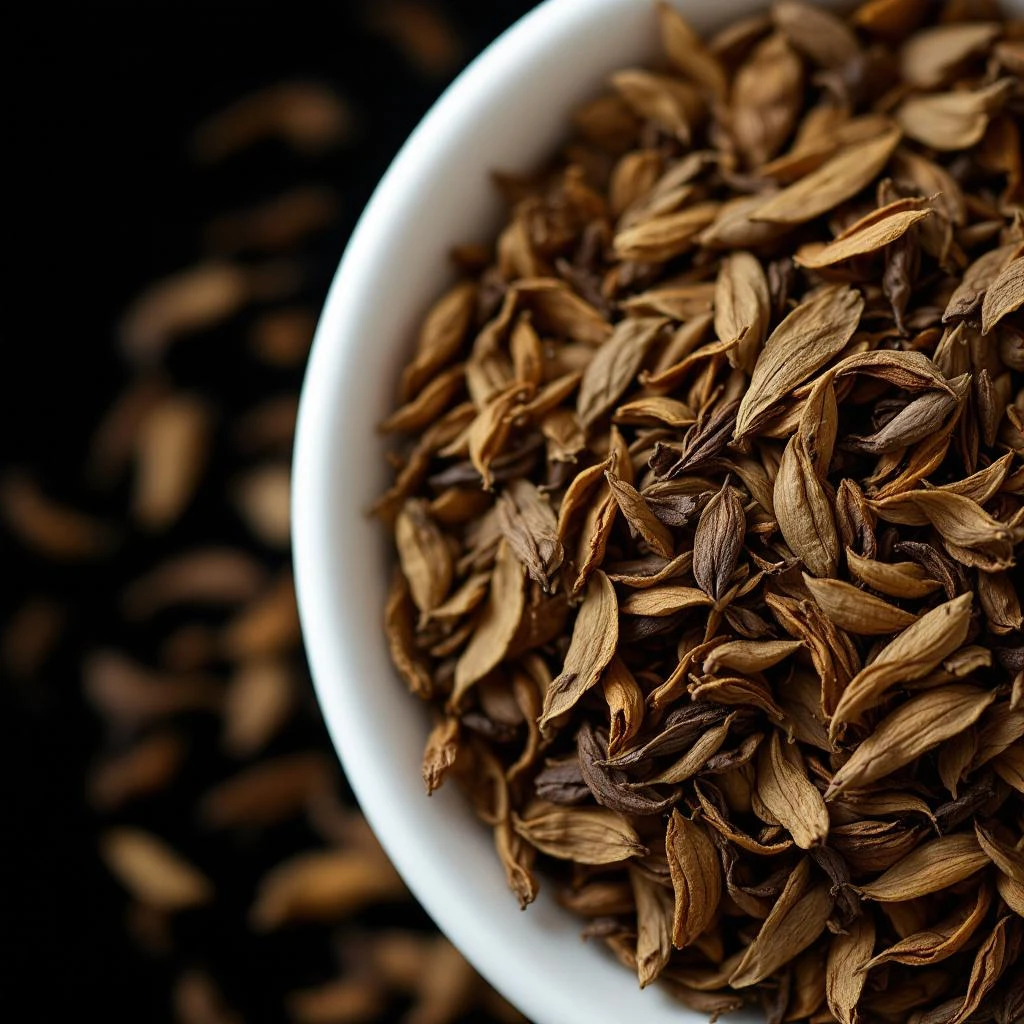
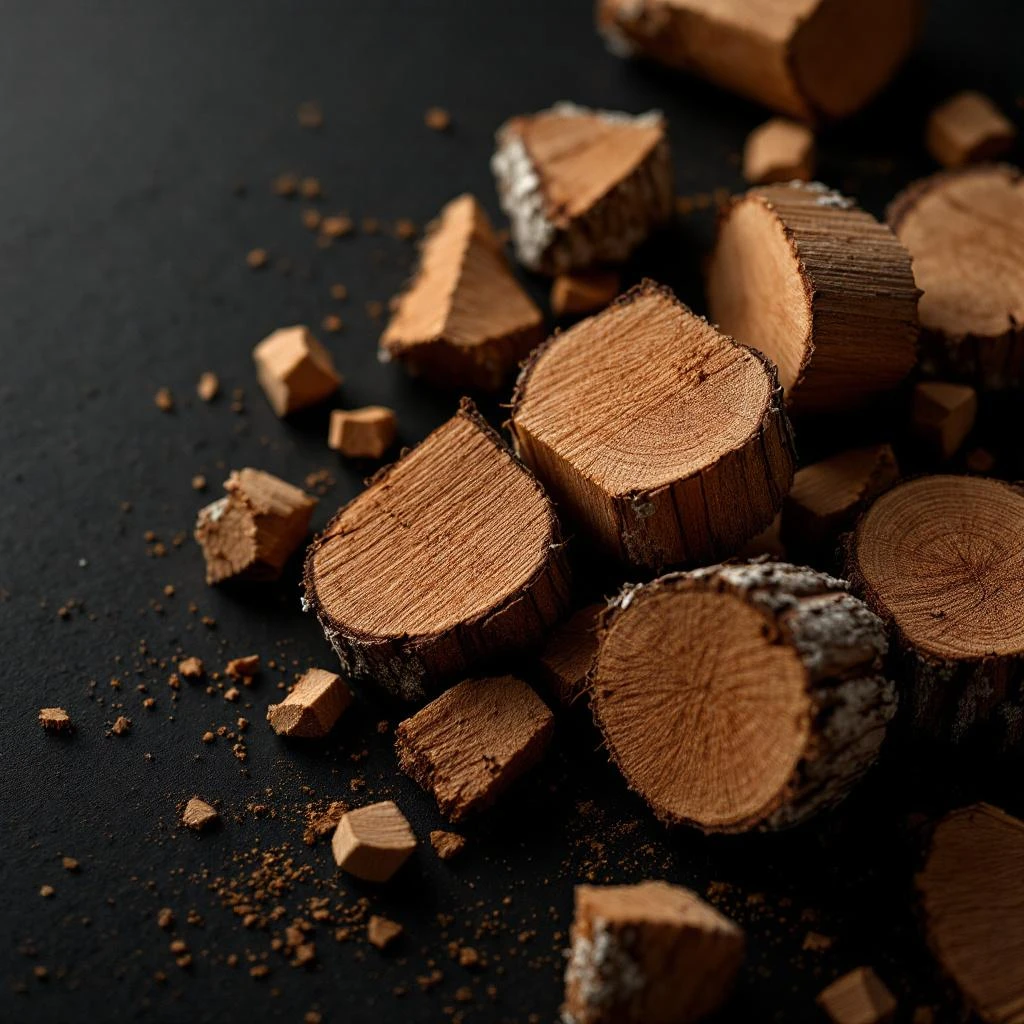
Mate leaves bring a dry, green tea aroma with smoky depth, lending perfume a herbal character shaped by their traditional processing.
Character
How it smells
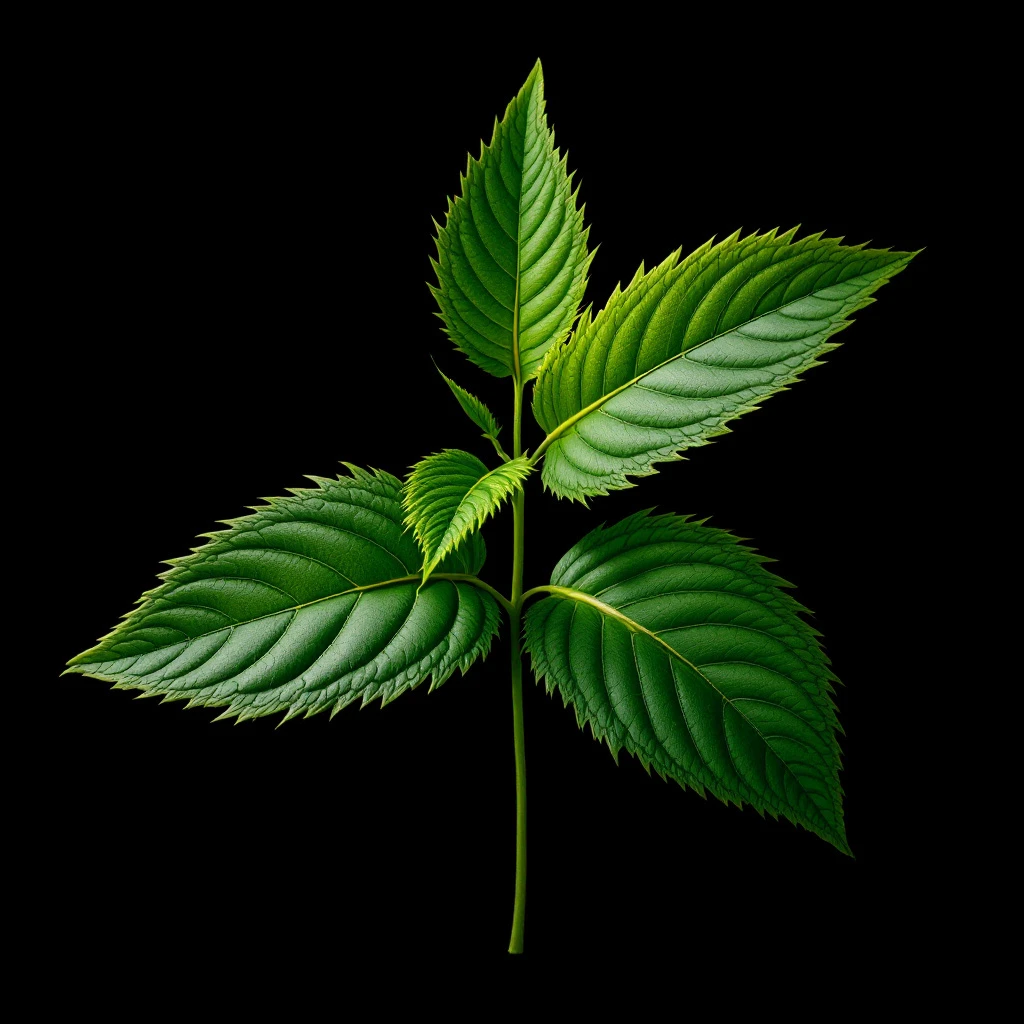
Dry leaf, green tea, and a trace of smoke.
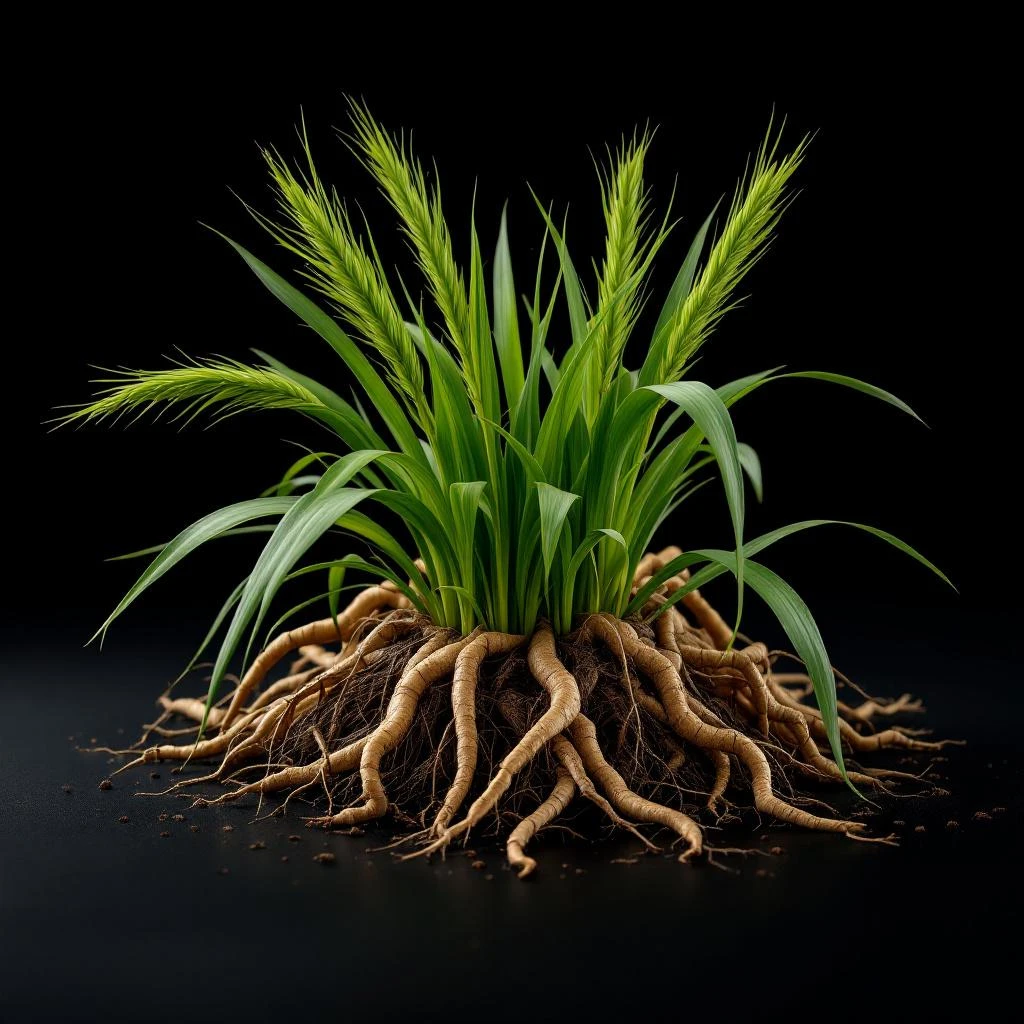
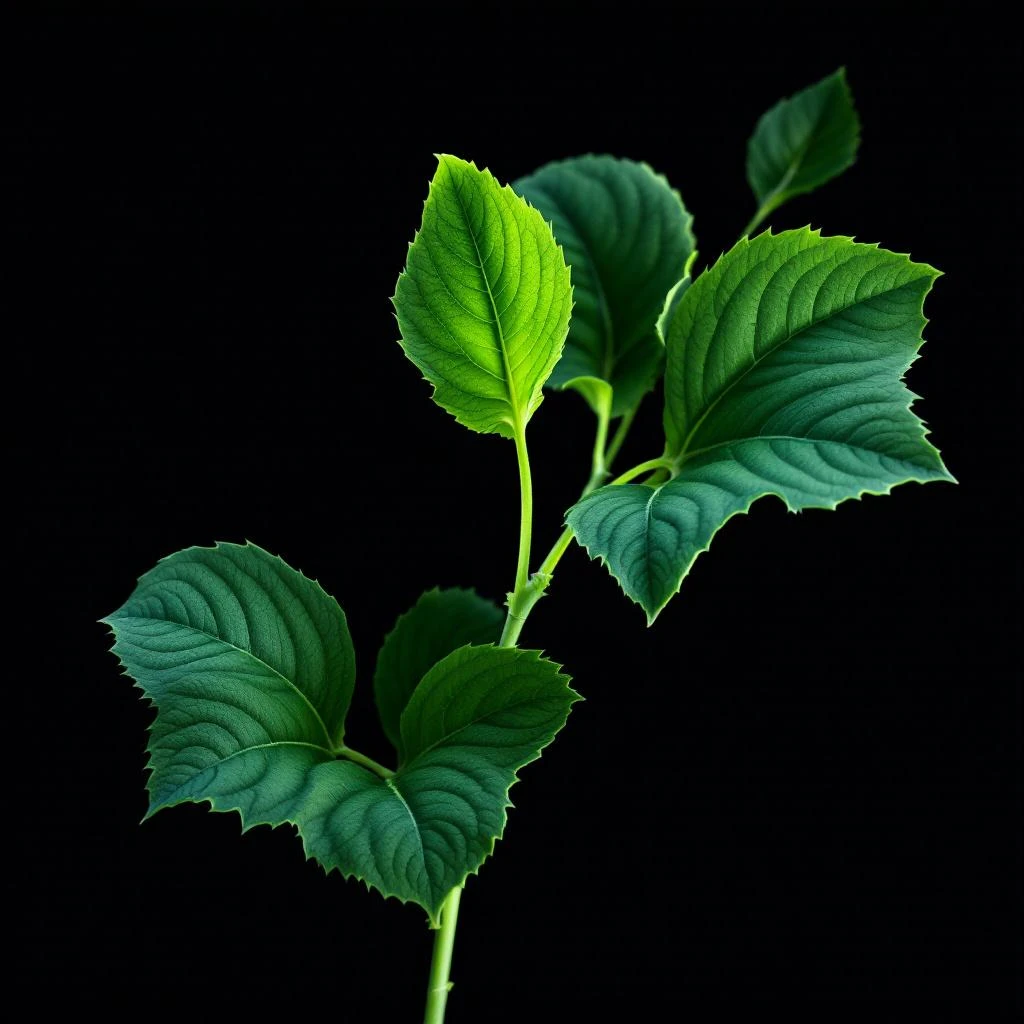
Mate belongs to the holly family, Ilex paraguariensis, rather than the true tea plants.
Origin
Argentina and southern Brazil
Yerba mate, or Ilex paraguariensis, is a holly native to the Paraná region of South America and has a long cultural history as a traditionally prepared drink. Its leaves are commonly dried and used for infusions, while their aromatic character has also entered perfumery through natural extracts.
The plant was traditionally gathered in the wild, although large-scale cultivation later developed in southern Brazil and Argentina. Mate carries a distinctive relationship between botanical identity and processing: its dried leaves produce a tea-like aroma, while smoke drying can introduce darker, smoky notes.
As natural perfumery materials became part of broader fragrance-making traditions, ingredients such as mate offered perfumers a way to suggest green herbs, dried vegetation, and roasted plant matter. Its presence in modern compositions reflects the continued use of botanical extracts to create nuanced aromatic effects.
Wears it best
Fragrances featuring Mate Leaves
Brands
Brands known for Mate Leaves
Good to know
Questions, answered
The essentials on Mate Leaves in perfumery: how it smells, where it comes from, and how it behaves on skin.
What does mate leaves smell like in perfume?
Mate leaves generally smell like dry green tea with herbal, slightly bitter notes and a subtle smoky character. The aroma comes from the dried leaves and can vary with drying and extraction methods. It often adds a leafy, roasted accent to a fragrance.
Is mate the same plant as tea?
No. Mate is Ilex paraguariensis, a species of holly, while common tea comes from Camellia sinensis. Both make leaf-based drinks, but they belong to different plant families. Their brewed aromas share green and herbal qualities without being botanically identical.
How is mate extracted for perfumery?
In perfumery, mate is commonly obtained by alcohol extraction from dried leaves. Some formats may use solvent extraction, depending on the material needed. The process concentrates the leaves’ aromatic compounds for use in fragrance compositions.
What part of the mate plant is used in fragrance?
Perfume makers use the dried leaves of yerba mate. These leaves contain the aromatic material associated with green tea, herbs, and gentle smoke. Stems and other plant parts are not the primary fragrant material for standard mate extracts.
Where does mate naturally originate?
Yerba mate is native to the Paraná region of South America, especially areas spanning southern Brazil, Argentina, Paraguay, and nearby regions. Today, it is cultivated at scale in southern Brazil and Argentina. Its historical distribution is broader than its main modern production areas.
Does mate have a smoky scent?
It can. Mate’s aroma is usually perceived as leafy and tea-like, but smoke-dried leaves may develop a distinct smoky note. The intensity depends on processing, so different extracts can move from green and herbal to darker and lightly roasted.
Is yerba mate good for perfume?
Mate is useful when a composition needs a dry, herbal, tea-like accent. It can complement woody, aromatic, and green notes without becoming the main focus. Perfumers use it as a natural botanical material with a profile shaped by leaf processing.
What is the difference between mate absolute and mate extract?
Mate absolute is a concentrated aromatic material made from dried leaves through solvent extraction. Mate extract for perfumery may instead refer to an alcohol-based preparation. Their strength, texture, and composition can vary, so the exact process should be checked on the material specification.