Marble
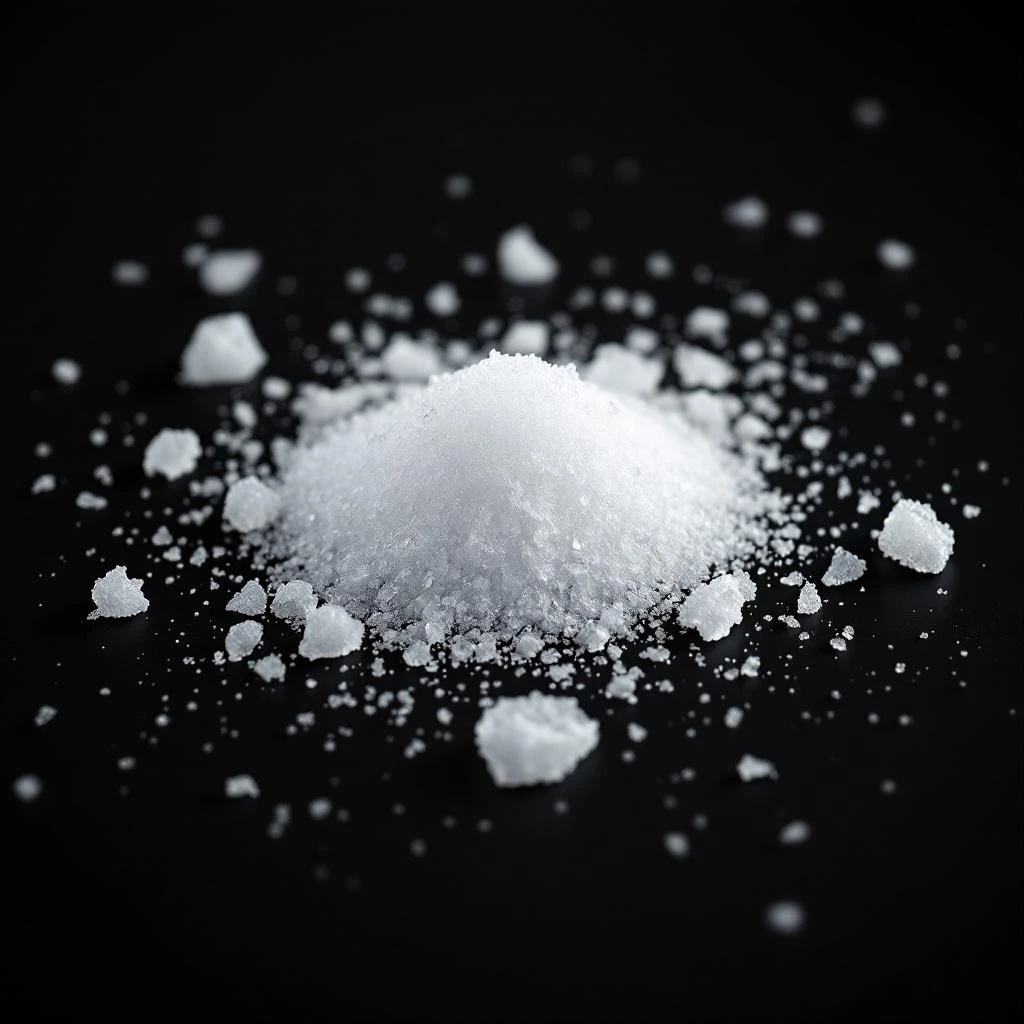
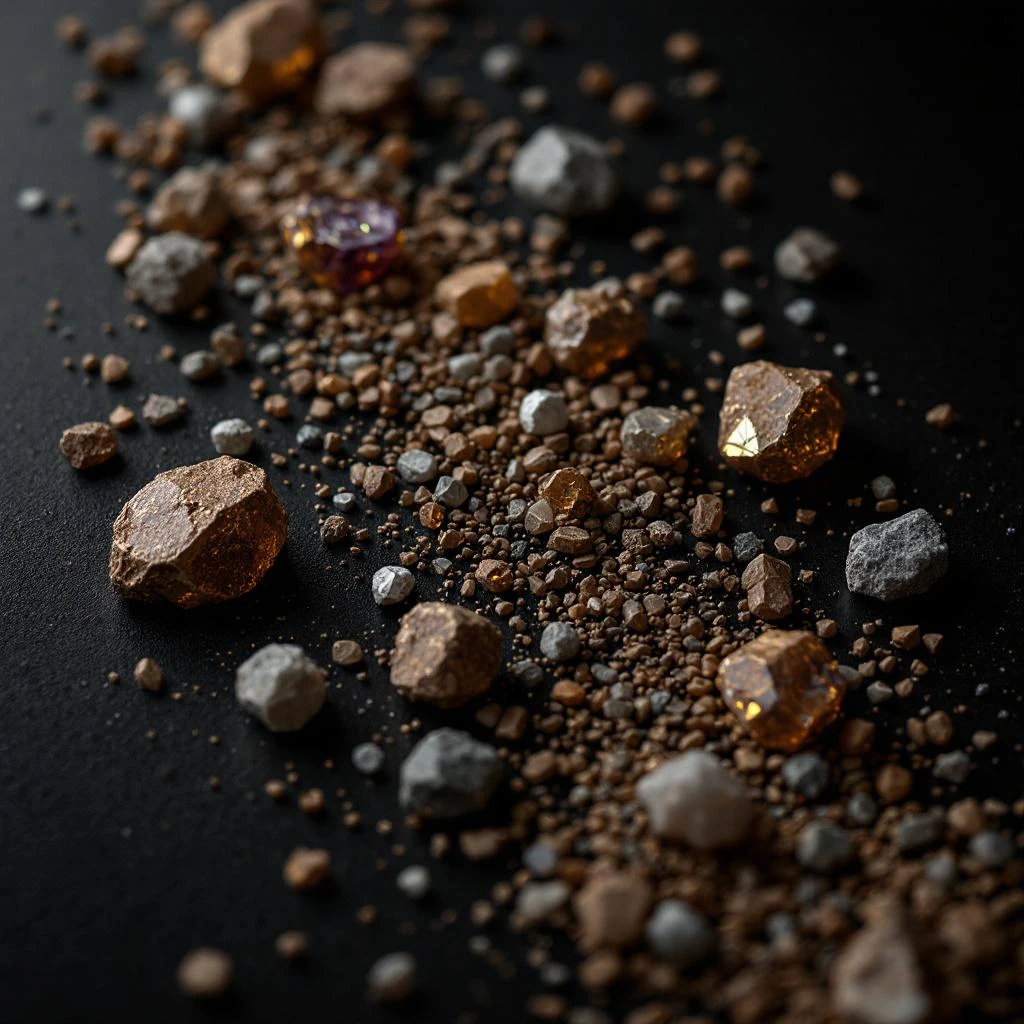
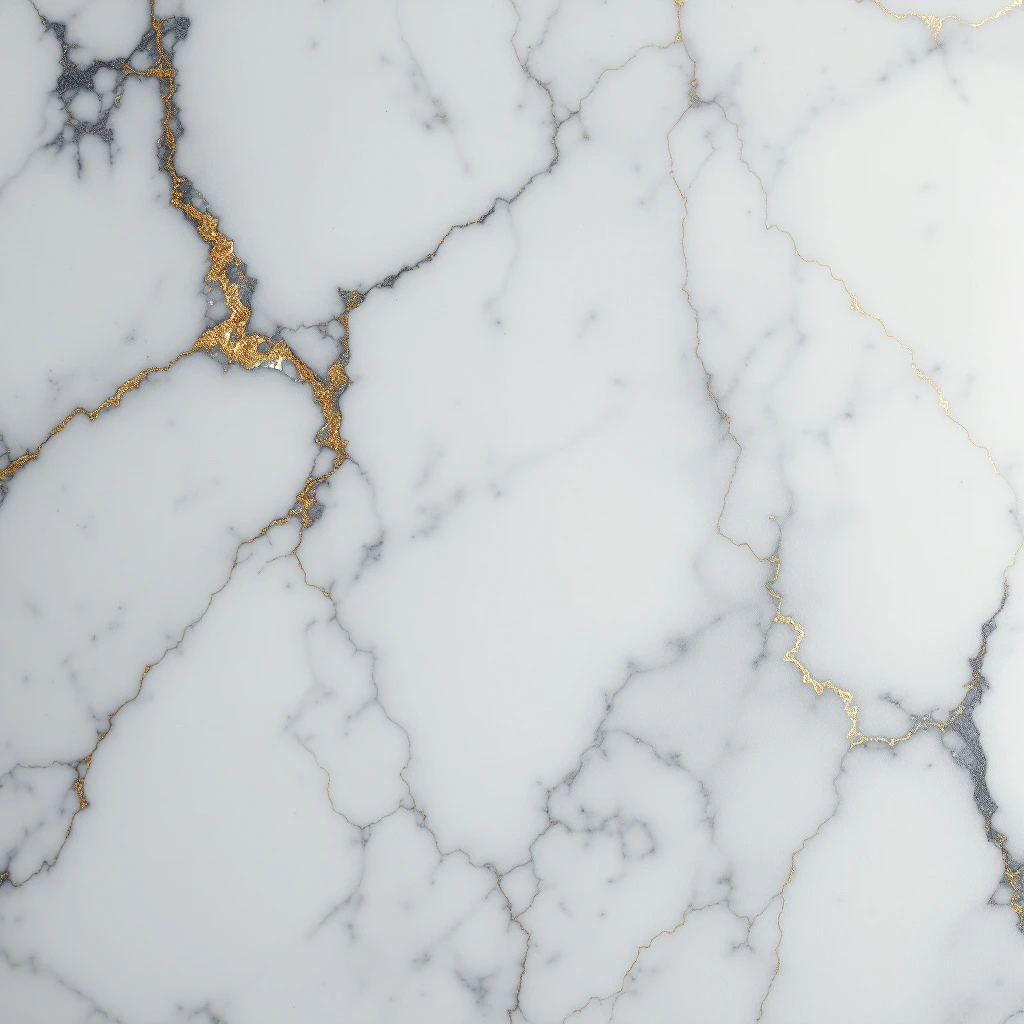
Marble in perfumery evokes cool mineral surfaces, freshly quarried stone, and the quiet elegance of Carrara's legendary quarries. This note captures the weight and stillness of stone translated into scent.
Character
How it smells
The weight of ancient stone, rendered in scent.
Ancient Romans burned marble dust in funeral rites, believing the calciumite fumes carried souls to the afterlife.
Origin
Italy
Carrara, Italy has quarried marble for over 2,000 years. Michelangelo carved David and Pieta from this stone, drawn by its crystalline purity.
In perfumery, marble entered through architecture: grand 19th-century French laboratories featured marble countertops where perfumers worked. The material's association with purity and coolness influenced the development of aldehydic fragrances.
Chanel N5's legendary coolness emerged partly from formulation on Carrara slabs. Today, marble remains a symbol of perfumery's artisanal heritage, appearing in packaging, store designs, and the conceptual language of mineral fragrance families.
Wears it best
Fragrances featuring Marble
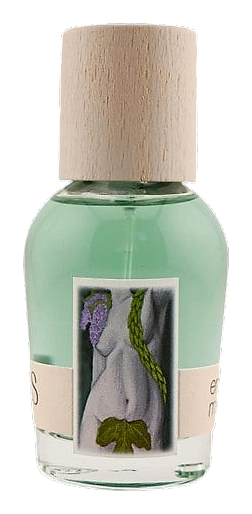
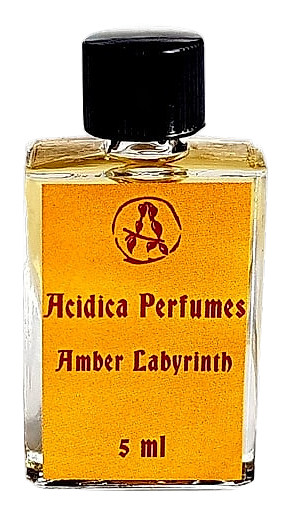
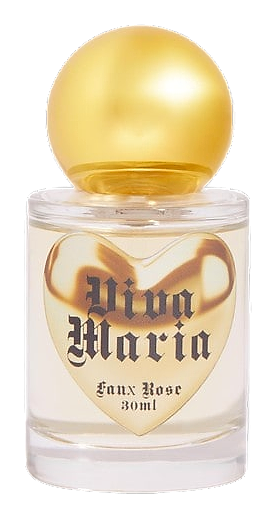
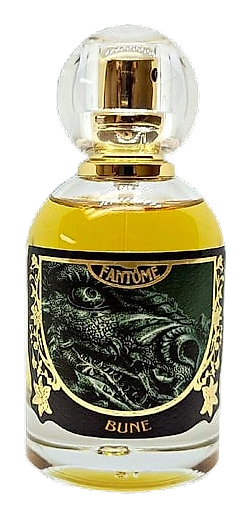
Brands
Brands known for Marble
Good to know
Questions, answered
The essentials on Marble in perfumery: how it smells, where it comes from, and how it behaves on skin.
Is marble actually used in perfume formulas?
Marble itself is not aromatic. Perfumers use mineral-scented synthetics and cool aldehydes to evoke marble's qualities rather than using the stone directly.
What does marble smell like in fragrance?
Pure marble has no scent. When referenced in perfumery, it suggests cool mineral water, wet stone, or the faint chalkiness of limestone surfaces.
Where does perfumery-quality marble come from?
The finest marble originates from Carrara, Tuscany. Quarries there have operated continuously since Roman antiquity, supplying stone for everything from Renaissance sculpture to modern laboratory surfaces.
Does marble affect how perfume is made?
Marble surfaces serve as ideal working materials for perfumers. The stone remains cool, resists odors, and provides a neutral surface for grinding raw materials during formulation.
Which fragrance families use marble notes?
Marble inspires minimalist, mineral, and aquatic families. Designers invoke marble when creating scents that emphasize cleanliness, purity, and coolness without heaviness.
Can marble be distilled into an essential oil?
No. Marble is calcium carbonate in crystalline form. It cannot yield essential oils through any extraction method. Mineral accords are created synthetically.
What replaced actual marble in perfumery?
Modern perfumers use synthetic molecules like Calone, Adoxal, and georgywood to capture mineral, aqueous, and stone-like qualities without depending on quarry materials.
Why do luxury perfume brands feature marble in packaging?
Marble signals permanence, purity, and heritage. Using marble in bottles or display pieces connects contemporary fragrances to centuries of artisanal craftsmanship rooted in natural materials.