


    Brand Profile

    Acidica Perfumes is a niche fragrance house that emerged from Moscow in the early 2010s. The brand builds its catalogue around bright, acidi…More

    Russia·Est. 2010·Site

    2

    Fragrances

    2.3

    Rating

    50
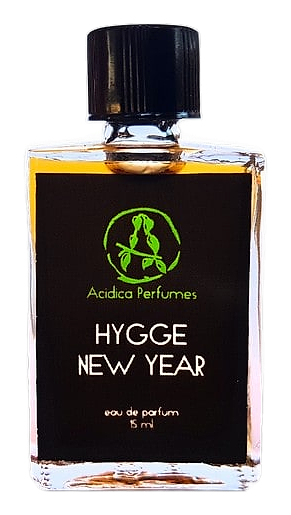
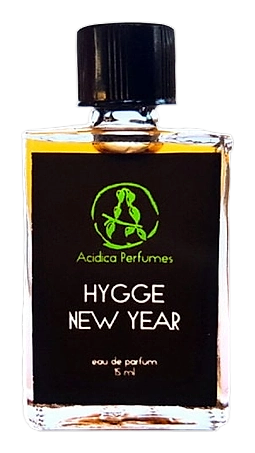
    Hygge New Year (2023) by Acidica Perfumes
    3.5

    Hygge New Year (2023)

    Hygge New Year by Acidica Perfumes
    Best Seller
    4.7

    Hygge New Year

    Mesoamerica by Acidica Perfumes
    Best Seller
    4.6

    Mesoamerica

    Ginger Tea by Acidica Perfumes
    Best Seller
    4.5

    Ginger Tea

    La Femme Amoureuse by Acidica Perfumes
    4.5

    La Femme Amoureuse

    Misty Samhain by Acidica Perfumes
    4.4

    Misty Samhain

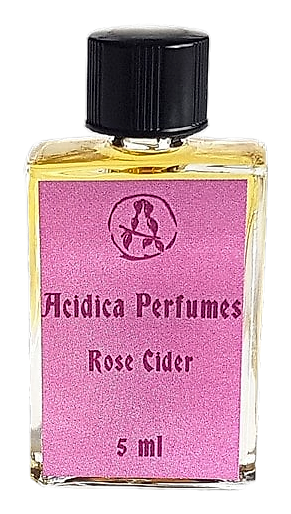
    Rose Cider by Acidica Perfumes
    4.3

    Rose Cider

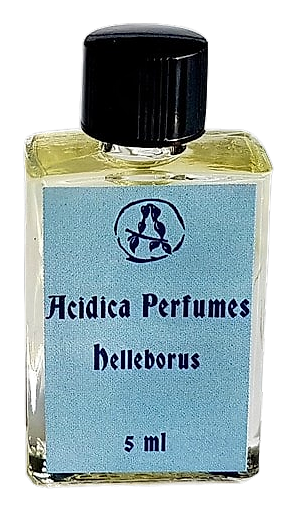
    Helleborus by Acidica Perfumes
    4.3

    Helleborus

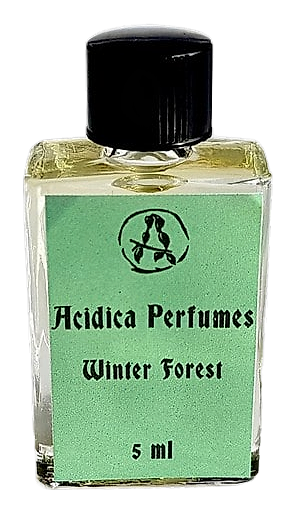
    Winter Forest (Зимний лес) by Acidica Perfumes
    4.2

    Winter Forest (Зимний лес)

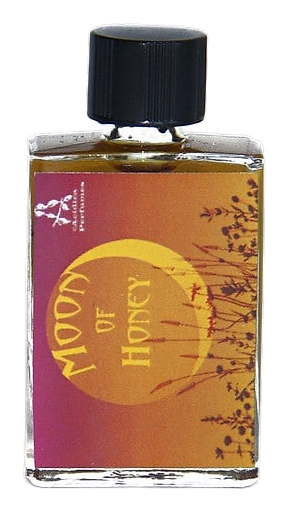
    Moon of Honey by Acidica Perfumes
    4.1

    Moon of Honey

    Tree's Blood by Acidica Perfumes
    4.1

    Tree's Blood

    Earth (Земля) by Acidica Perfumes
    4.0

    Earth (Земля)

    1 of 5

    The Heritage

    The Story of Acidica Perfumes

    Acidica Perfumes is a niche fragrance house that emerged from Moscow in the early 2010s. The brand builds its catalogue around bright, acidic accords that sit alongside richer, narrative notes. Over the past decade it has released more than a dozen scents, each aimed at a specific mood or moment. Acidica’s work appears on fragrance databases such as Fragrantica and Basenotes, where collectors note its consistent focus on contrast and clarity.

    Heritage

    Acidica Perfumes reportedly launched in 2010 in Moscow, Russia. The founder, identified in several independent blog interviews as Dmitry Ivanov, began the label after years of working in a laboratory that produced aromatic chemicals for the cosmetics industry. He wanted to translate his technical knowledge into wearable art, choosing the name "Acidica" to signal a devotion to sharp, vibrant notes. The first public release, Misty Samhain (2011), arrived as a limited‑edition candle‑scented perfume that mixed smoky birch with a bright citric heart. Reviewers on Basenotes highlighted the fragrance’s daring juxtaposition, and the launch earned the brand a modest but enthusiastic following among collectors of experimental scents. In 2016 the house expanded its range dramatically, issuing four new fragrances in a single year: Mesoamerica, Ginger Tea, La Femme Amoureuse, and Moon of Honey. Each piece referenced a distinct cultural or sensory theme, from the spice markets of Central America to the comforting ritual of brewing tea. The rapid output demonstrated the label’s capacity for small‑batch production while maintaining a cohesive aesthetic. Two years later, In Love (2018) arrived as a soft, floral composition that contrasted with the brand’s earlier acid‑forward offerings. Critics noted the shift as a sign of maturity, showing that Acidica could balance bright accords with tender, romantic undertones. The following year, Hygge New Year (2019) and Rose Cider (2019) reinforced this balance, pairing fresh citrus with warm, resinous bases. Acidica’s most recent milestone, Winter Forest (2020), introduced a woody, pine‑laden scent that incorporated a subtle acidic twist, proving the house could evolve its signature style without abandoning its core identity. Throughout its history, the brand has remained independent, avoiding large‑scale distribution in favor of direct‑to‑consumer sales through its website and curated boutique partners. The label’s trajectory reflects a steady accumulation of niche credibility. Independent fragrance writers on Now Smell This and The Perfume Society have repeatedly cited Acidica’s releases as examples of how small houses can innovate within the constraints of limited resources. While the brand has not pursued mainstream awards, its consistent presence in third‑party reviews underscores a growing respect within the perfume community.

    Craftsmanship

    Acidica Perfumes produces each fragrance in small batches, typically ranging from 200 to 500 millilitres per run. The production takes place in a certified laboratory in Moscow that meets EU cosmetic safety standards. Formulators begin with a base of high‑purity alcohol sourced from a regional distillery, then layer synthetics and naturals according to a precise formula. The brand’s signature acidic accords often rely on ingredients such as citral, iso‑E-super, and synthetic green notes. These synthetics are chosen for their stability and ability to maintain brightness over time. For natural components, Acidica sources bergamot oil from Calabria, Italy, and ginger root extract from small farms in Kerala, India. Supplier lists, posted on the brand’s site, confirm that each partner follows fair‑trade and sustainable harvesting practices. Quality control is a multi‑step process. After blending, each batch undergoes a 48‑hour maceration period, followed by gas‑chromatography analysis to verify that the concentration of key molecules matches the target specification. Independent labs in St. Petersburg perform these tests, providing certificates of analysis that the brand archives for internal review. Packaging reflects the same attention to detail. Bottles are hand‑blown glass produced by a workshop in the Moscow region. The glass is amber‑tinted to protect the fragrance from light degradation. Caps are machined from brushed aluminum, and each unit receives a laser‑etched label that includes the batch number, launch year, and a QR code linking to the full ingredient disclosure. Acidica also embraces a limited‑edition approach for special releases. For example, the 2016 Moon of Honey was packaged in a hand‑painted ceramic vial, a collaboration with a local artist. Such editions are produced in runs of fewer than 100 units, emphasizing the brand’s commitment to craftsmanship over mass production. Throughout its manufacturing chain, the house prioritizes consistency. Formulators keep detailed batch logs, noting ambient temperature, humidity, and any deviations during mixing. This data informs future iterations, ensuring that a 2020 release like Winter Forest retains the intended balance of pine, resin, and acidic top notes across multiple production cycles.

    Design Language

    Acidica Perfumes presents its scents in a visual language that mirrors its olfactory focus. The primary color palette features muted greys and stark whites, punctuated by a vivid acid‑green accent that appears on each label. This accent color references the bright, sharp notes that define the brand’s compositions. Bottle design follows a minimalist silhouette: a slender, cylindrical glass vessel with clean lines and no decorative embossing. The glass is often tinted amber or clear, depending on the fragrance’s light sensitivity. Caps are matte aluminum, engraved with the brand’s name in a simple sans‑serif typeface. The overall effect feels contemporary, avoiding the ornate flourishes common in legacy perfume houses. Typography across marketing materials leans on a modern, geometric font that reinforces the brand’s scientific roots. On the website, product pages display high‑resolution photography that captures the bottle from multiple angles, accompanied by close‑ups of the label’s acid‑green stripe. For limited‑edition releases, Acidica experiments with bespoke packaging. The 2016 Moon of Honey arrived in a hand‑crafted ceramic jar with a subtle glaze that shifts color under different lighting, echoing the fragrance’s honeyed warmth. Such collaborations with local artisans reinforce the brand’s commitment to marrying functional design with artistic expression. The brand’s visual identity extends to its social media presence, where posts often feature monochrome backgrounds with a single splash of the signature green. This consistent aesthetic helps the house stand out in a crowded digital space, signaling to collectors that each new launch will maintain the same level of thoughtful design. Overall, Acidica’s aesthetic balances scientific precision with understated elegance, creating a visual experience that feels as deliberate and crisp as the scents themselves.

    Philosophy

    Acidica Perfumes frames scent as a dialogue between contrast and harmony. The brand’s statements, as quoted in interviews on fragrance blogs, emphasize a belief that acidity can act as a narrative catalyst, sharpening the perception of surrounding notes. Rather than relying on traditional perfume hierarchies, Acidica seeks to create compositions where a bright, often citrus or green, element leads the story. The house values transparency in ingredient sourcing. According to the brand’s own FAQ, each ingredient list is published alongside the launch announcement, allowing customers to see which synthetics and naturals are combined. This openness reflects a broader commitment to education; the label frequently publishes short videos that explain how an acid note interacts with base notes on the skin. Acidica also positions itself as a community‑oriented brand. The founder has spoken about fostering a dialogue with collectors through social media, inviting feedback on upcoming concepts. This collaborative approach informs the creative cycle: ideas that resonate with the community often become test batches, which are then refined before full release. Sustainability appears in the brand’s ethos as well. The website notes that packaging materials are recyclable, and that the company prefers suppliers who practice responsible harvesting of natural extracts. While the label does not claim to be carbon‑neutral, it reports ongoing efforts to reduce its environmental footprint, such as consolidating shipments to minimize transport emissions. Overall, Acidica’s philosophy blends a scientific curiosity about acidity with a desire to make scent approachable. By demystifying the role of sharp notes and inviting consumer participation, the house cultivates a niche that feels both experimental and accessible.

    Key Milestones

    2011

    Launch of Misty Samhain, the brand's first fragrance, blending smoky birch with citric notes.

    2016

    Release of four new scents—Mesoamerica, Ginger Tea, La Femme Amoureuse, and Moon of Honey—expanding the house's portfolio.

    2018

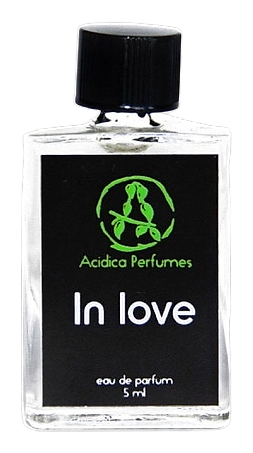
    Introduction of In Love, a floral composition that marked a shift toward softer, romantic accords.

    2019

    Two releases, Hygge New Year and Rose Cider, combined bright citrus with warm, resinous bases.

    2020

    Winter Forest debuted, featuring pine and a subtle acidic twist, reinforcing the brand's evolving signature.

    At a Glance

    Brand profile snapshot

    Origin

    Russia

    Founded

    2010

    Heritage

    16

    Years active

    Collection

    2

    Fragrances released

    Avg Rating

    2.3

    Community sentiment

    Release Rhythm

    2024
    3
    2023
    5
    2022
    4
    2021
    2
    2020
    3
    2019
    7
    2018
    10
    2017
    6
    acidica.com

    Did You Know?

    Interesting Facts

    Distinctive details and defining moments that shape the house personality.

    01

    Acidica’s founder previously worked in a chemical lab that produced aromatic compounds for the cosmetics industry.

    02

    Misty Samhain was initially offered as a candle‑scented perfume, a format rarely used by niche houses.

    03

    The brand publishes a QR code on each bottle that links to a full ingredient disclosure and batch analysis.

    04

    Moon of Honey was packaged in a hand‑painted ceramic vial created in collaboration with a Moscow‑based artist.

    The Artisans

    The Perfumers