Macedonian Oak Moss Absolute
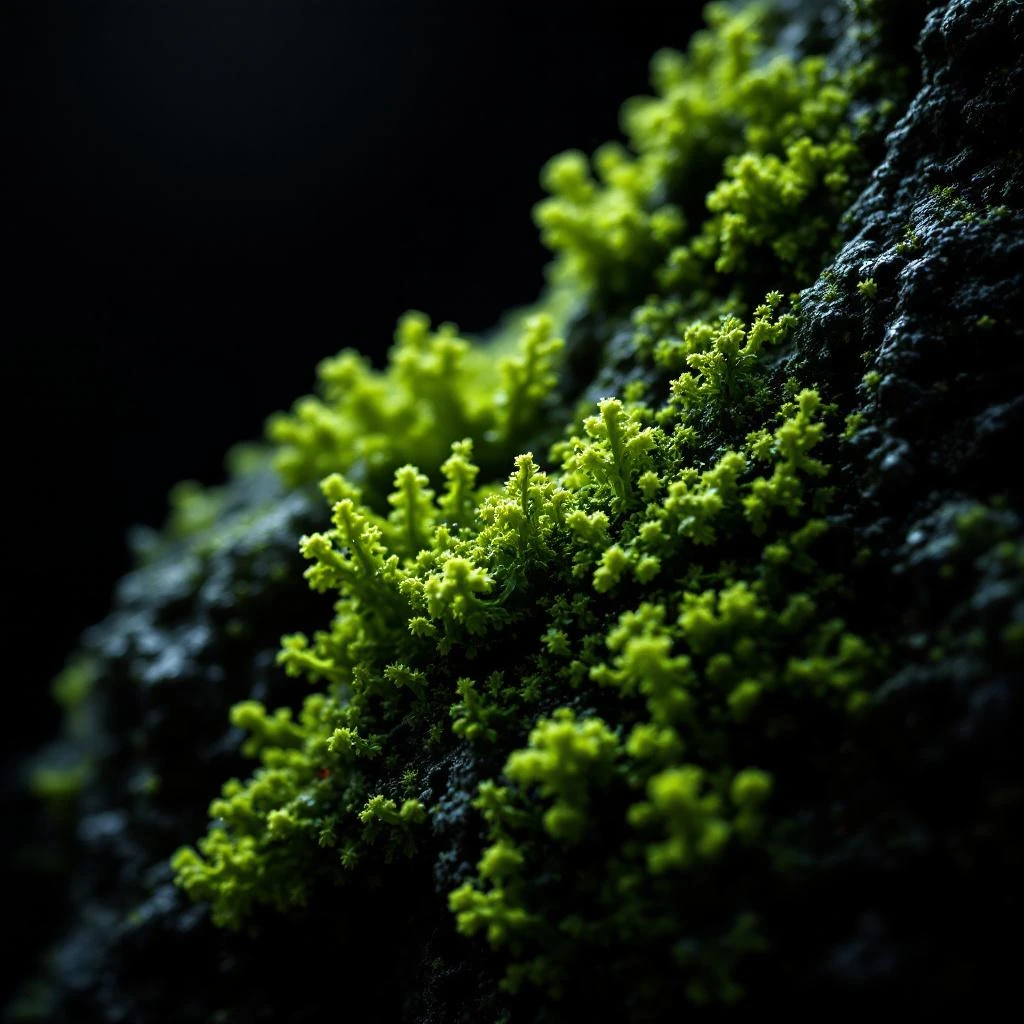
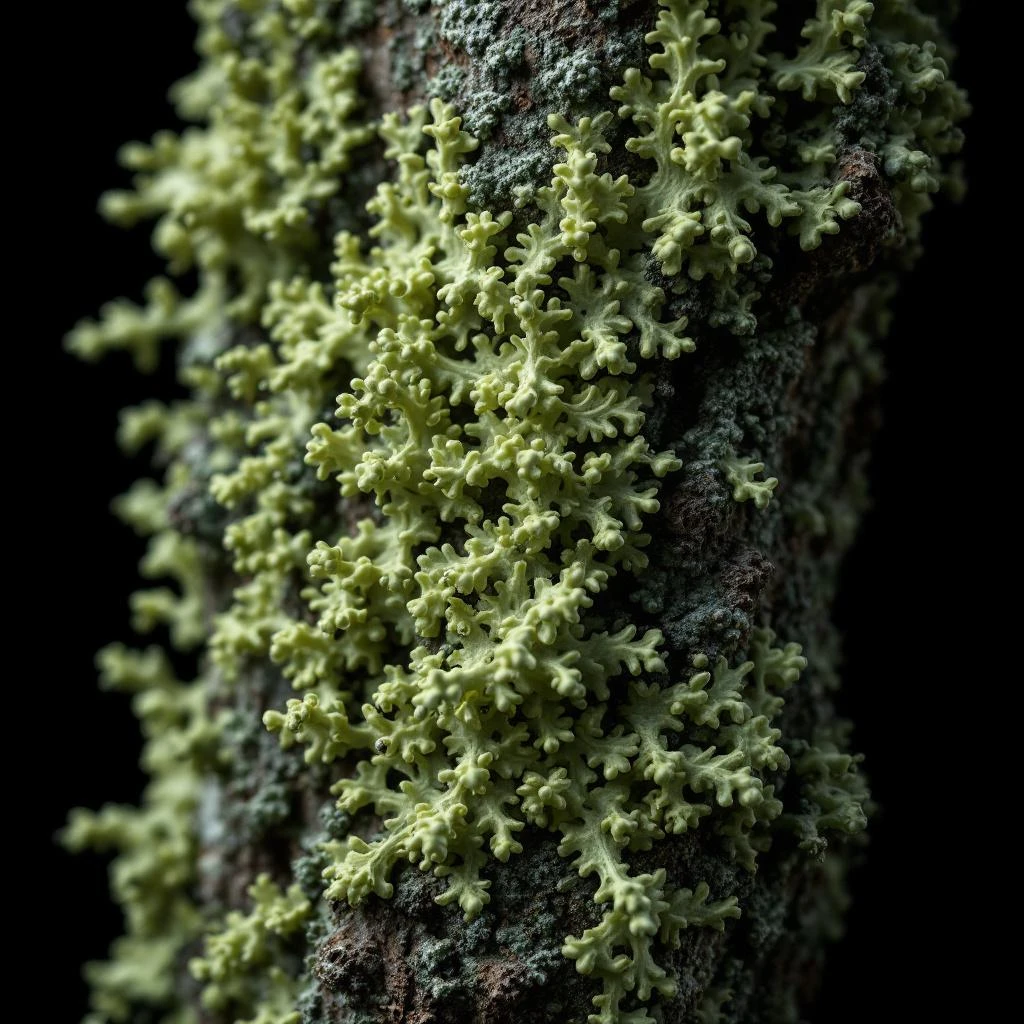
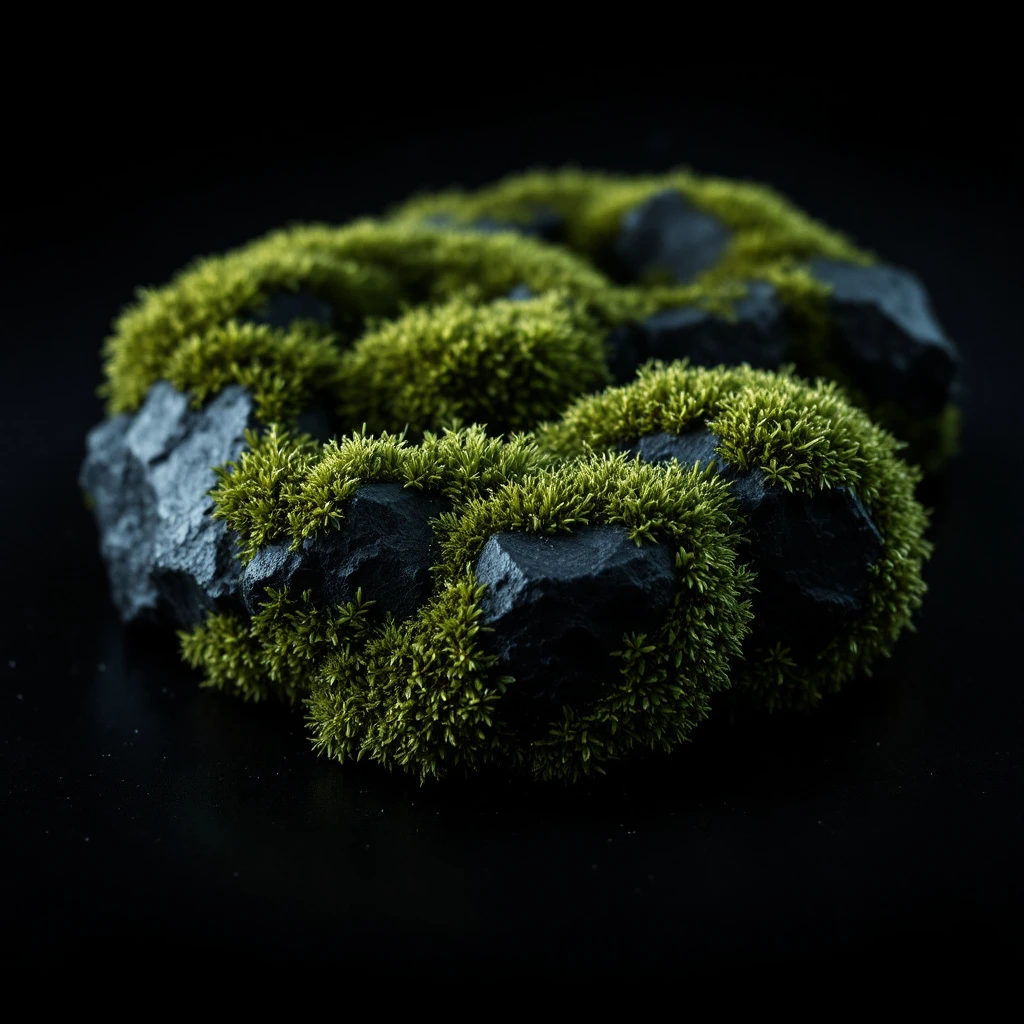
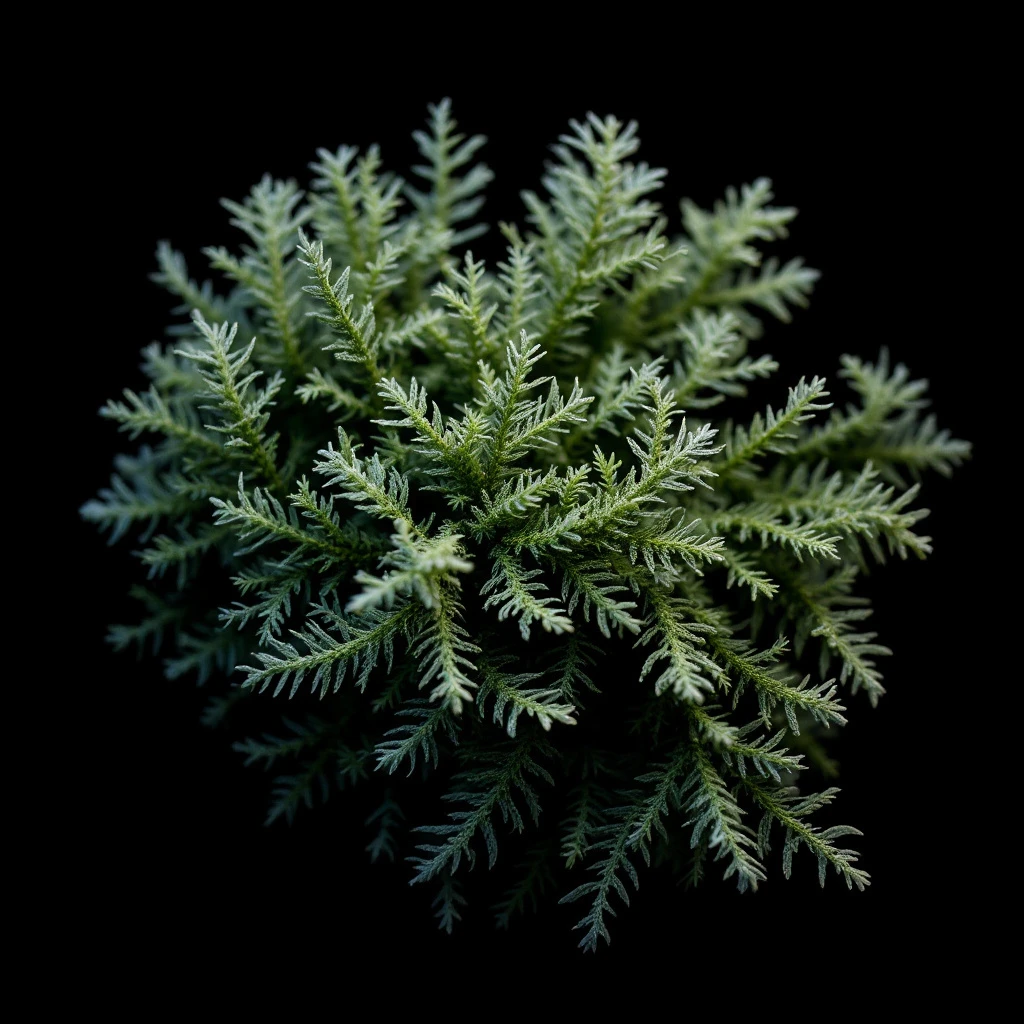
Macedonian oakmoss absolute is a deep, resinous absolute extracted from wild-harvested Evernia prunastri lichen. It anchors chypre compositions with damp forest, dark bark, and a faintly marine dryness that few other materials replicate.
Character
How it smells
The dark, resinous heart of the chypre accord.
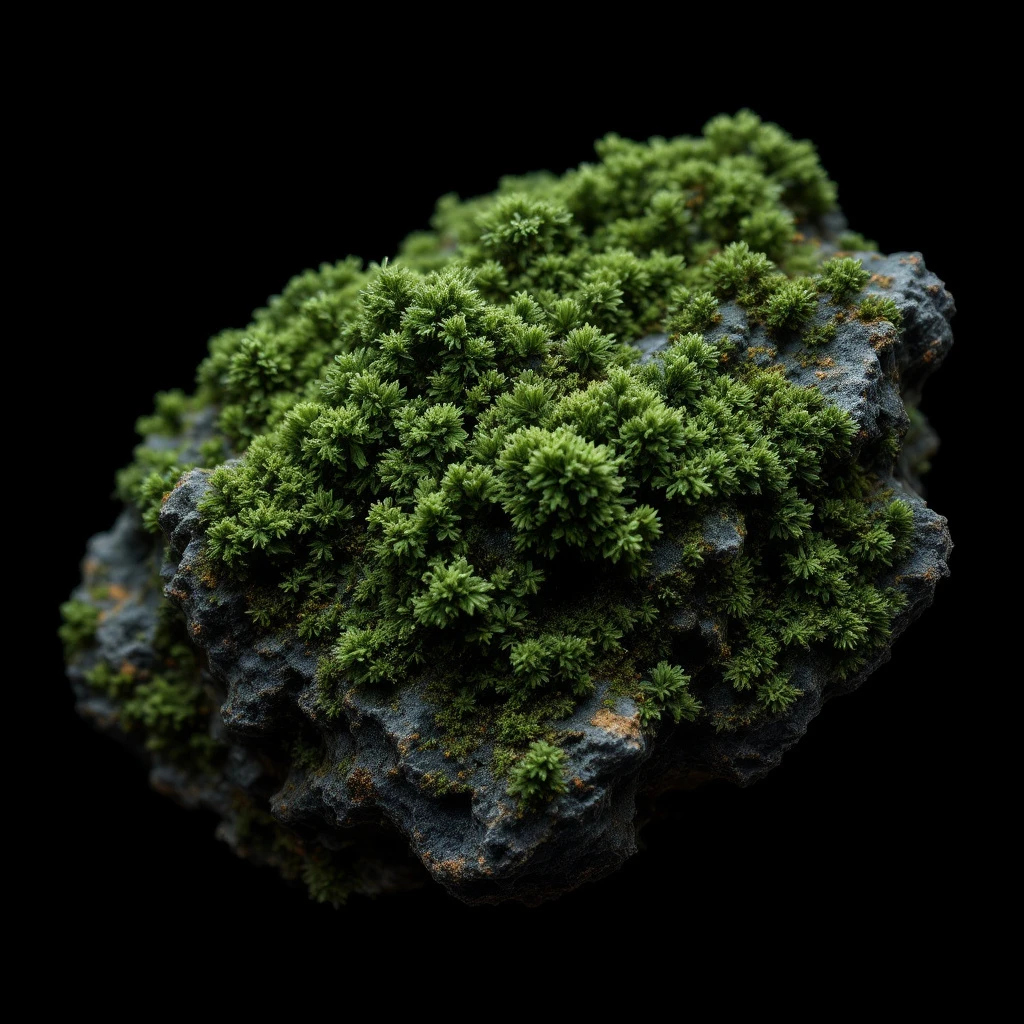
Oakmoss is not a plant but a lichen, a symbiotic organism of fungus and algae, which is why it smells of neither moss nor oak but something entirely its own.




Origin
Macedonia
Oakmoss entered recorded perfumery in the late nineteenth century, when synthetic aroma chemicals such as coumarin and ionone began to multiply perfumers' palettes. Its earlier life was practical: from the Middle Ages, dried lichen was burned as incense, used in apothecary sachets, and steeped in alcohol for hair tonics and folk remedies across Central Europe.
The formal recognition of oakmoss as a fine fragrance pillar arrived in 1917 when François Coty codified the chypre accord in his perfume of the same name, framing oakmoss as the binding base between bright bergamot and resinous labdanum. This structure dominated twentieth-century perfumery, reaching its apex in Guerlain's Mitsouko (1919), an accord later echoed in dozens of celebrated chypres.
Rising regulatory pressure, particularly IFRA restrictions on atranol, a natural allergen in oakmoss, led to widespread reformulation by the early 2000s. Macedonian harvests, with their distinctive resin profile, persisted as a benchmark of quality, and low-atranol redistillates of Balkan oakmoss now dominate professional supply chains.
Wears it best
Fragrances featuring Macedonian Oak Moss Absolute
Brands
Brands known for Macedonian Oak Moss Absolute
Good to know
Questions, answered
The essentials on Macedonian Oak Moss Absolute in perfumery: how it smells, where it comes from, and how it behaves on skin.
What does Macedonian oakmoss absolute smell like?
It smells of damp forest floor, dark bark, dried seaweed, and bitter resin, with a faintly marine, mineral dryness. Macedonian harvests tend to read more resinous and less fruity than Moroccan oakmoss absolute.
Is oakmoss an animal, plant, or fungus?
Oakmoss is a lichen, a symbiotic organism of a fungus and an alga or cyanobacterium living together. This dual biology is why it carries scents of neither moss nor oak but something drier, more resinous, and faintly marine.
Why is oakmoss restricted in perfumery?
IFRA restricts oakmoss because of its natural atranol content, a compound classified as a skin sensitiser. Modern absolutes are often redistilled or otherwise processed to reduce atranol while preserving the core chypre character.
What is the difference between oakmoss and treemoss?
Oakmoss comes from Evernia prunastri, a lichen growing predominantly on oak bark, while treemoss, Evernia furfuracea, grows on conifers. Oakmoss smells drier and more resinous; treemoss tends to read greener, sharper, and more phenolic.
Why is Macedonian oakmoss considered higher quality?
Macedonian oakmoss, harvested around Samokov in the Balkans, has historically shown higher atranol levels and a more pronounced damp-forest resin profile. Its balance of depth and lift is the benchmark against which other origins are judged.
What fragrances are built on oakmoss absolute?
The chypre family is built on oakmoss. Landmark examples include François Coty's Chypre (1917), Guerlain's Mitsouko (1919), and Chanel's Miss Dior (1947), each constructed on the oakmoss-labdanum-bergamot triangle.
Can oakmoss absolute be used in natural perfumery?
Yes, it remains a permitted natural ingredient, though IFRA limits apply. Reformulated or low-atranol versions are classified as skin-safe at the levels most natural perfumers work with.
How is oakmoss absolute produced today?
Dried lichen undergoes solvent extraction to yield a concrete, which is then washed with ethanol to remove waxes and produce the absolute. Some producers now use supercritical CO2 to avoid residual solvent concerns.